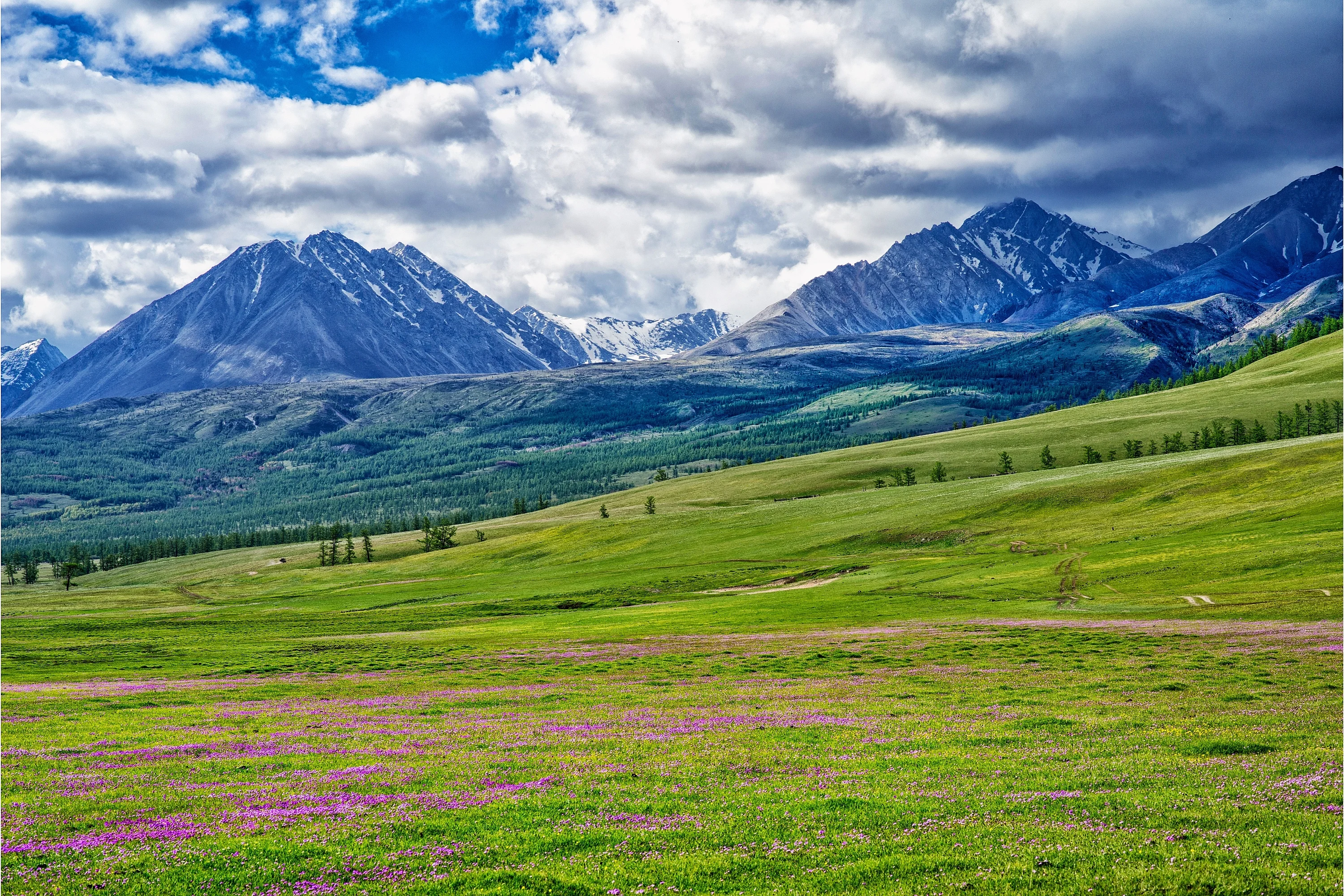
Mongolia: An Adventure Between Steppes and Traditions
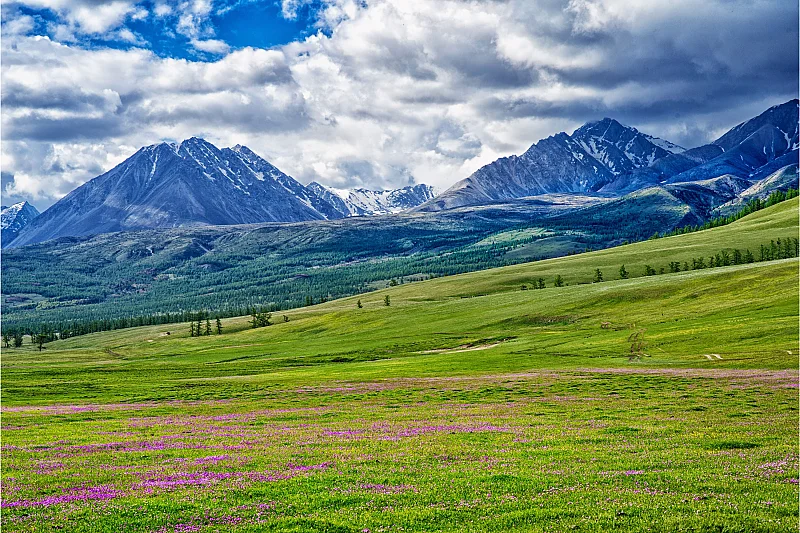
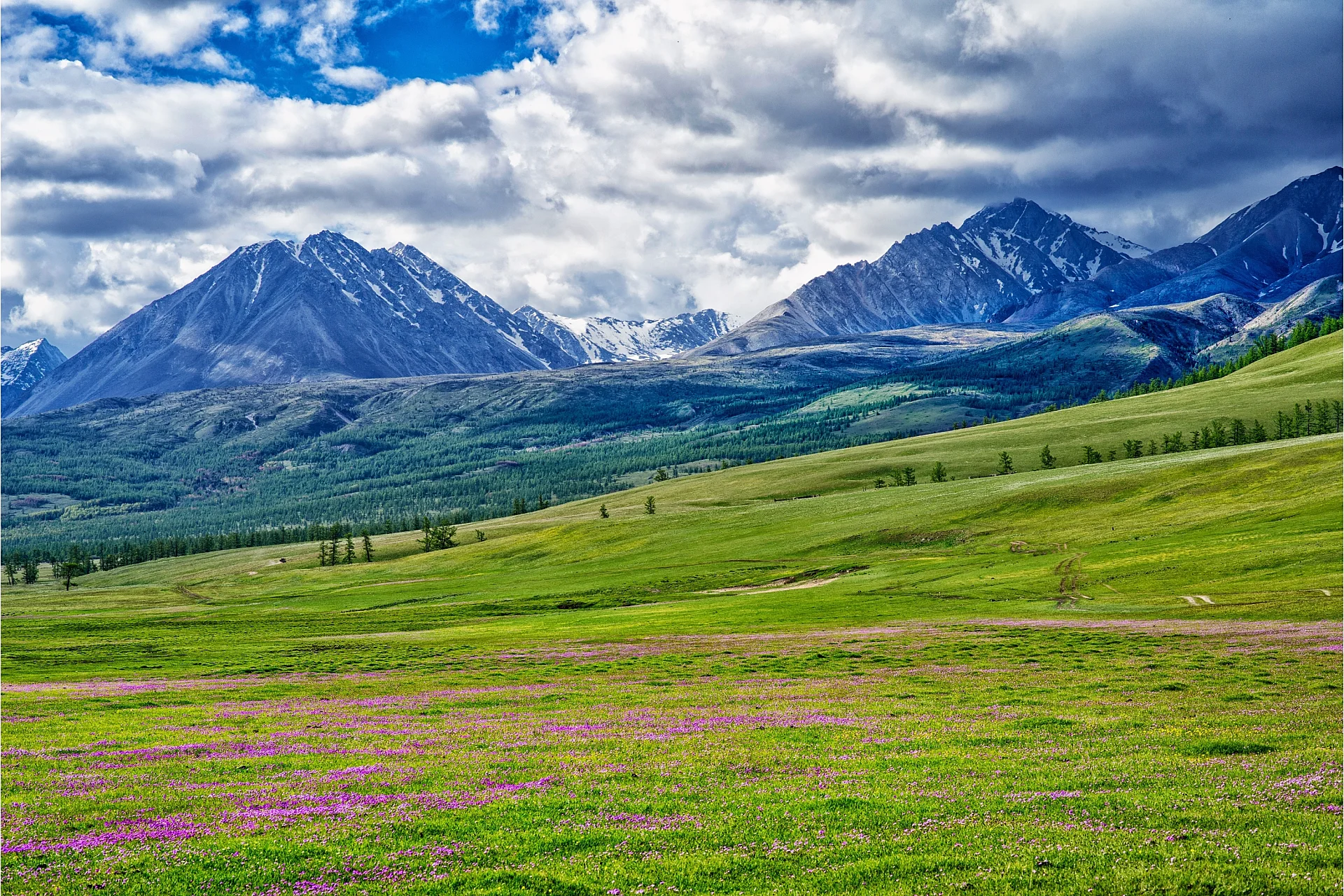
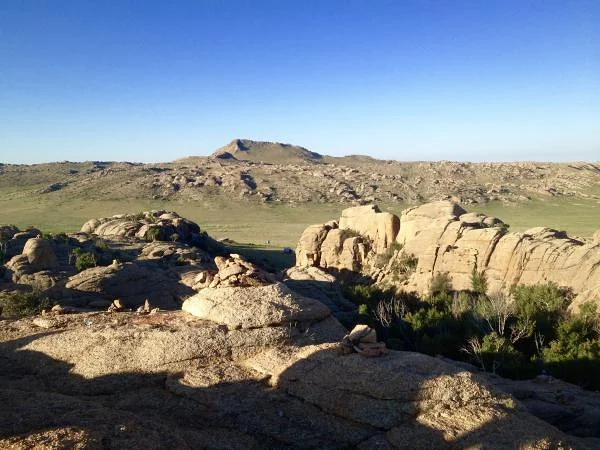
Picture a land where the horizon seems endless, where fiercely beautiful mountains stand shoulder to shoulder with crystal-clear lakes and desert expanses. Mongolia promises an unforgettable journey through spectacular landscapes and a rich heritage. Experience the age-old traditions of nomadic peoples and explore sweeping panoramas that defy imagination.
Is This Destination Right For You?
Mongolia draws travelers who love wide-open spaces and authentic cultures. However, its extreme weather and limited infrastructure can catch visitors off guard. Here are a few points to help you decide.
Best suited for:
- Wilderness and trekking enthusiasts
- Those wanting to discover a well-preserved nomadic culture
Not recommended for:
- Travelers who expect big-city comforts
- Anyone who dislikes extreme climates
Budgeting Your Mongolian Adventure
| What | Where | Duration | Budget |
|---|---|---|---|
| Gobi Desert excursion | Southern Mongolia | 5 days | $580-$810* |
| Buddhist monastery tour | Ulaanbaatar and surroundings | 2 days | $174-$240* |
| Lake Khuvsgul hiking trip | Northern Mongolia | 4 days | $350-$470* |
Indicative rates subject to change
Practical Realities
Traveling around Mongolia requires solid preparation. Roads are often rough and infrastructure can be basic. Plan on domestic flights for long distances, especially with carriers like Aero Mongolia and Hunnu Air. The continental climate brings short, warm summers alongside harsh, freezing winters.
Is It Safe to Travel in Mongolia?
Mongolia is a relatively safe destination, but caution is necessary. Vast, remote expanses can make rescue operations complicated in an emergency. Make sure you have comprehensive travel insurance covering all planned activities and always pack a satellite communication device for off-the-grid areas.
Friendly tip: Always let someone know your route and expected timeline, especially if you head off the beaten path.
Breathtaking Landscapes
The Gobi Desert
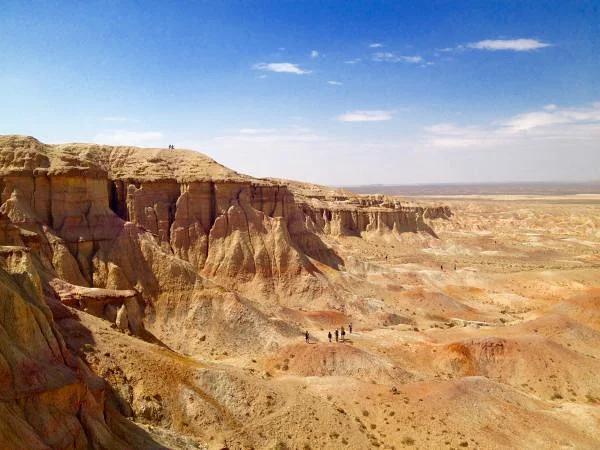
Explore the dramatic dunes of Khongoryn Els, where the wind shifts the sands into constantly changing shapes. Head to Dalanzadgad to descend into the Yolyn Am gorge, where ice lingers even in the dead of summer.
The Altai Mountains
The peaks of the Altai shelter gleaming glaciers and unique biodiversity. Keep an eye out for snow leopards and golden eagles along the way. Hiking here is a genuine expedition for dedicated trekkers.
Friendly tip: Get ready for unpredictable weather conditions. Pack layers for fluctuating temperatures and sturdy hiking boots.
Monasteries and Spiritual Life
Gandan Monastery
Located in Ulaanbaatar, Gandan Monastery stands as a central hub for Mongolian Buddhism. Expect majestic statues and monks deep in prayer.
Erdene Zuu and the Orkhon Valley
Erdene Zuu, situated in the ancient capital of Kharkhorin, is a must-see site for understanding Mongolia's glorious past. The unspoiled natural setting of the Orkhon Valley provides a peaceful spot for reflection.
Nomadic Lifestyle
As you venture across the steppes, you will cross paths with proud horsemen tending their herds. Share a unique moment inside a traditional yurt, sip salty milk tea, and experience ancestral customs firsthand.
Mongolian Cuisine
Mongolian food is simple yet hearty, designed to combat a punishing climate. Do not leave without trying buuz, steamed meat dumplings, or khuushuur, a savory fried meat pastry. Meals typically come with salted milk tea, a local staple.
When to Visit Mongolia?
The best window to visit Mongolia runs from June to September, when the weather is mild and roads are passable.
In July, the Naadam Festival offers deep immersion into Mongolian culture through wrestling, archery, and horse racing.
How to Get to Mongolia?
From international hubs, several options get you there. Direct flights to Ulaanbaatar are available on the national carrier MIAT. You can also book connecting flights through major transit cities like Beijing or Istanbul.
Getting Around Mongolia
Domestic flights are the smartest choice for covering long distances across the country. Buses connect provincial capitals well, but renting a jeep with a driver offers a much more flexible and personal experience. In remote areas, horse trekking remains a traditional and authentic way to travel.