
Where to stay in Quito: the 4 neighborhoods to know in 2026
In Quito, you choose your neighborhood while catching your breath: the city sits at two thousand eight hundred and fifty meters, in a basin forty kilometers long and five wide, and the first night is spent listening to your heart beat. From south to north, three cities follow one another. The historic center, listed by Unesco in 1978 among the very first sites on its list, lines up its gilded churches and patios on a grid drawn in 1534; the Mariscal, with the bars of Plaza Foch and the museums of El Ejido park; then the north of glass towers, La Carolina park and the restaurants of La Floresta. Outside the basin, the Equator line is twenty-five kilometers away and the airport forty, in the opposite direction. A member says what the city owes to the peaks around it.
A dorm bed, in the center or in the Mariscal, costs $12* at the least and $19* at the most; a simple guesthouse room, $34* up to $57*; the Carolina and Floresta hotels with three or four stars run $79 to $147*; and the grand houses, the 1926 mansion on San Francisco square or the glass pyramid of the north, $210 to $460*. Three addresses per neighborhood follow, twelve in all, and for each the score, the size of the sample behind it and what guests grumble about most.
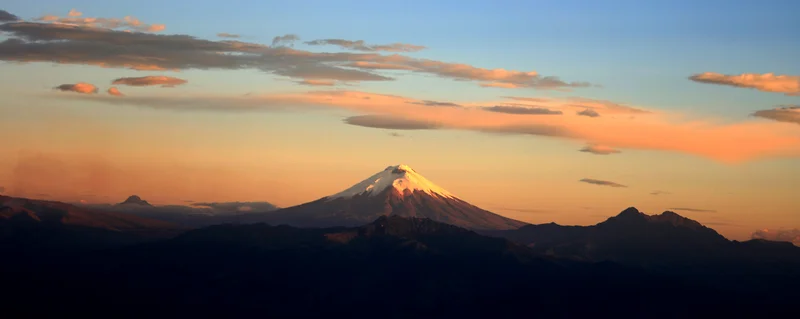
What also makes Quito so beautiful is that the city is surrounded by numerous peaks, which provide a panoramic view of the city and serve as the starting point for many hikes.
Compare hotel prices in Quito
In a hurry? Find the best accommodation deals in 3 clicks.
Compare live deals from Booking, Expedia, Agoda and other partners.
At a glance: our picks by traveller type
Pick the profile that suits you to head straight to the recommended neighborhood.
The neighborhood map in Quito
Get your bearings on the neighborhoods and must-see sights before choosing where to drop your bags. Click a name to jump to its description.
The historic center: Plaza Grande, San Francisco and La Ronda Centro Histórico: Plaza Grande, Carondelet, the cathedral, La Compañía, San Francisco, Santo Domingo, La Merced, San Agustín, El Sagrario, the Basílica, the Panecillo, La Ronda, Itchimbía, Chimbacalle, El Placer, the Cima de la Libertad
for a first visit, the gilded churches and sleeping inside history, on foot by day
The historic center fits on a grid from 1534, between the Panecillo and the Basílica, and you visit it on foot, slowly, because of the altitude: Plaza Grande, with the Carondelet palace where the president works and where the guard changes on Mondays at eleven, the cathedral and the archbishop's palace; La Compañía, one street on, whose baroque nave is covered in gold leaf; the square and convent of San Francisco, begun in 1535, the largest colonial complex on the continent, with the Casa del Alabado and its pre-Columbian art on the corner; Santo Domingo, La Merced, San Agustín, the City Museum in the old hospital of 1565, the Sucre theater of 1886 and its square. To the south, La Ronda, the restored lane where canelazo is served in the evening; above, the Panecillo and its aluminum Virgin of 1975; to the north, the neo-Gothic Basílica, whose hundred-and-fifteen-meter towers you climb between gargoyles shaped like iguanas and Galápagos tortoises; to the east, the Itchimbía hill and its crystal palace. The metro, opened in 2023, stops at San Francisco. You sleep here to walk from one church to the next and for the patio houses turned into hotels. The downside: streets empty from eight in the evening, where you do not linger, and slopes that take your breath away on the first day.
Where to stay in this neighborhood
Casa Gangotena Luxury
On San Francisco square, in the 1926 mansion of a family of the city: rooms over the square or the patio, a terrace above the roofs of the center, a tasting menu the reviews mention, and a 9.3 on sixty or so reviews, 9.8 for location. Value for money is its lowest score, 8.6: the house is expensive, the reviews say so without holding it against it.
Hotel Patio Andaluz Mid-range
On García Moreno street, a hundred and fifty meters from Plaza Grande: a sixteenth-century house built around two covered patios, a restaurant of Ecuadorian cooking, staff the reviews praise, and an 8.8 on a hundred and forty reviews, 9.8 for location.
Viajero Quito Hostel Budget
On Venezuela street, five minutes from Plaza Grande and three from the metro: a hostel in a colonial house, a garden with a tree house, a rooftop terrace, dorms and rooms, and a 9.1 on fourteen hundred reviews. The center's dorm, with an activity every evening for those traveling alone.
Pros
- The churches, squares and museums on foot, the metro at San Francisco
- Patio houses turned into hotels, from the hostel to the palace
Cons
- Streets empty from eight in the evening, where you do not linger
- Slopes that take your breath away on the first day
The Mariscal, El Ejido and the cable car La Mariscal Sucre: Plaza Foch, Reina Victoria, Juan León Mera, La Niña; El Ejido, El Arbolito, La Alameda, the Casa de la Cultura, the Central University; to the west, La Gasca, the cable car and the Pichincha
for going out, the park's museums, the cable car and departures to the volcanoes
The Mariscal is the city of the 1950s turned into the neighborhood for going out: around Plaza Foch, streets of bars, cafés and travel agencies, noisy from Thursday to Saturday, and the houses where hostels and boutique hotels have moved in. To the south, El Ejido park, with its craft market at weekends, the Casa de la Cultura and the national museum, which keeps the pre-Columbian gold and Guayasamín's canvases, El Arbolito park and the Mindalae market; then La Alameda and the observatory of 1873, the oldest on the continent. To the west, by La Gasca, the cable car climbs in eighteen minutes from three thousand one hundred to three thousand nine hundred meters, on the flank of the Pichincha, from where you see the whole basin and, on clear mornings, the Cotopaxi; the amusement park is at its base. The metro stops at El Ejido and La Alameda, and most night buses to the volcanoes and the coast pick up their passengers here. You sleep here to go out on foot, for the agencies and for a gentle price. The downside: noisy nights around Plaza Foch, and pickpockets who work in the evening, the reviews repeat.
Where to stay in this neighborhood
Hilton Colon Quito Luxury
On Amazonas avenue, facing El Ejido park and the craft market: the 1970s tower, rooms over the volcanoes, a heated pool, four restaurants, and an 8.2 on three hundred and twenty reviews, 8.5 for location. Value for money drops to 7.7: you pay for the brand and the view, the reviews note.
Hotel Boutique Vieja Cuba Mid-range
On La Niña street, in an old house with rustic decor: warm rooms, a closed car park, massages, a breakfast the reviews praise, and a 9.0 on two hundred and sixty reviews, 9.3 for cleanliness. The best score in the Mariscal.
Blue House Youth Hostel Budget
On Joaquín Pinto street, next to Plaza Foch: a hostel with a courtyard, a barbecue, a kitchen and a games room, dorms and rooms, cash payment only, and an 8.6 on four hundred and seventy reviews. You sleep in the middle of the bars, the reviews say so in both directions.
Pros
- Plaza Foch, the agencies and the night buses on foot, the cable car ten minutes away
- The best-rated hostels and boutique hotels in the city
Cons
- Noisy nights around Plaza Foch from Thursday to Saturday
- Pickpockets in the evening, the reviews repeat
The modern north: La Carolina, La Floresta and Bellavista La Carolina, Iñaquito, La Pradera, República de El Salvador, Quicentro, the Atahualpa stadium; La Floresta, González Suárez, Guápulo; Bellavista, the Capilla del Hombre, the metropolitan park
for business, the park, the restaurants of La Floresta and quiet nights
The north is the Quito of towers: around La Carolina park, sixty-seven hectares of lawns, tracks and juice sellers, with the botanical garden and its orchids, the Quicentro and El Jardín shopping malls, the Atahualpa stadium, the Casa de la Música and the Rumipamba archaeological park, the banks, the embassies and the chain hotels. To the east, La Floresta, the neighborhood of cafés, painted walls and the Ocho y Medio cinema, then González Suárez avenue on the ridge, from where you look down on Guápulo and its church of 1649 and on the Cumbayá valley; and Bellavista, the hill of the Capilla del Hombre, where Guayasamín painted his giant canvases, with the metropolitan park above, the city's largest lung. The metro stops at La Carolina and Iñaquito. You sleep here for a business meeting, for the restaurants of La Floresta, to run in the park in the morning and to walk in the evening without looking over your shoulder. The downside: thirty minutes by metro or taxi to the historic center, and streets that all look alike.
Where to stay in this neighborhood
JW Marriott Quito Luxury
On Orellana avenue, between the Mariscal and La Carolina: the glass pyramid, with an outdoor pool, a spa and Turkish baths, two restaurants, paid parking, and a 9.0 on two hundred and eighty reviews, 9.4 for cleanliness and comfort.
Hotel Finlandia Mid-range
On Finlandia street, a three-minute walk from Quicentro and the park: a three-star with bright rooms, a morning buffet the reviews mention, a lounge with leather armchairs, free parking, and an 8.8 on fourteen hundred and seventy reviews, 9.6 for location. The gentle price of the banking district.
Blue House La Floresta Budget
In La Floresta, a fifteen-minute walk from Plaza Foch and near a supermarket: a hostel in a house, rooms and dorms, a small kitchen, staff rated 9.0, and an 8.0 on a hundred and thirty reviews. The rooms are tired and the water not always hot, the reviews say: the neighborhood's price, not its comfort.
Pros
- The park, the botanical garden and the malls on foot, the metro at Iñaquito
- The chain hotels, and streets where you walk in the evening
Cons
- Thirty minutes by metro or taxi to the historic center
- Streets that all look alike
Outside the basin: the Mitad del Mundo and Tababela airport San Antonio de Pichincha, the Mitad del Mundo, Intiñán, Rumicucho, the Pululahua crater, Calacalí; Carcelén and the Casa Blanca stadium; Guayllabamba and the zoo; to the east, Cumbayá, Puembo, Tababela and the airport; further out, the Cotopaxi, the Pasochoa, Mindo, Cotacachi
for an early flight, the Equator line and an inhabited crater
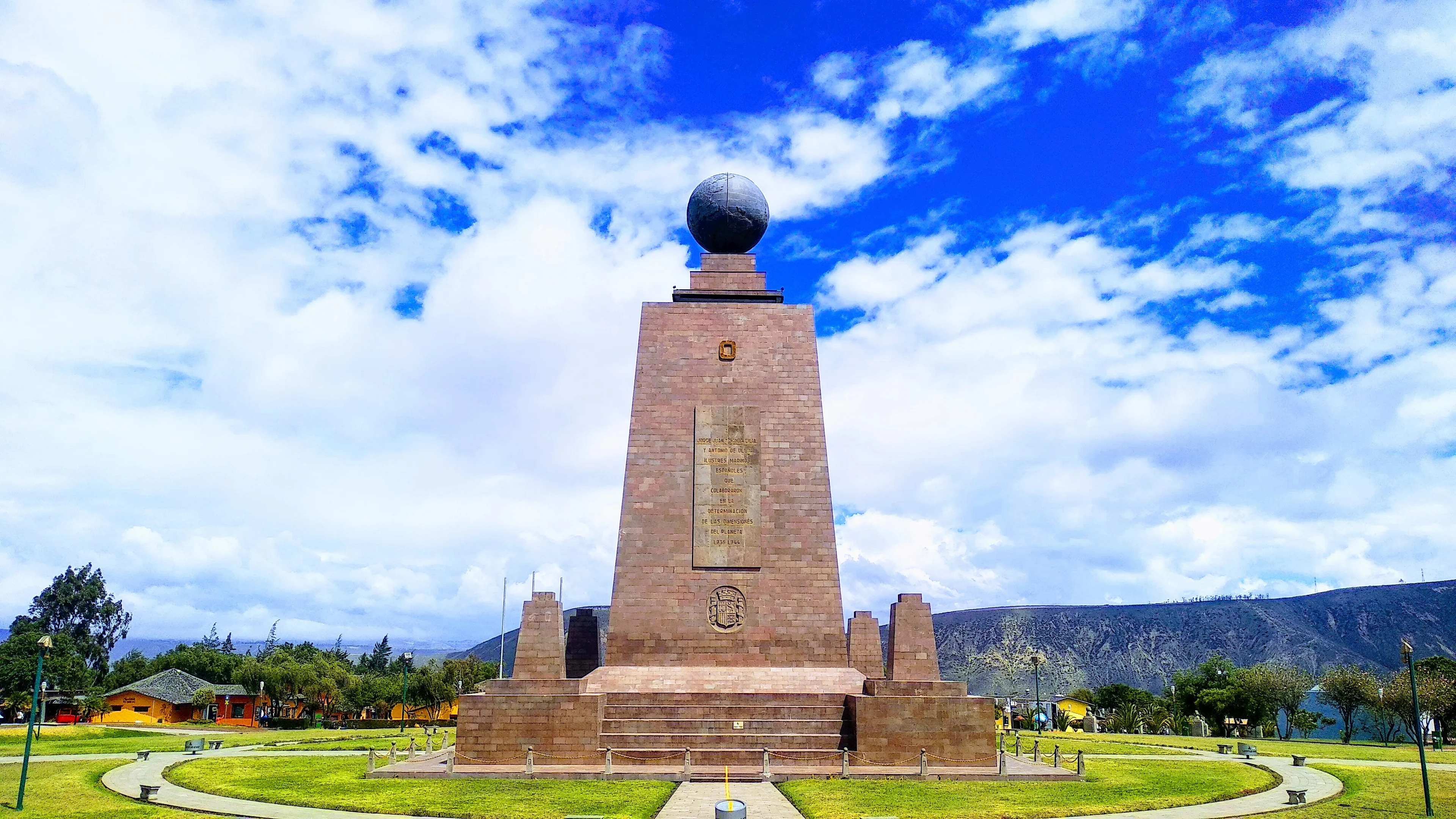
To the north, twenty-five kilometers along the avenue that runs past the Casa Blanca stadium, the Mitad del Mundo: the thirty-meter monument built in 1982 where the French geodesic mission had fixed the Equator in 1736, a village of shops, an ethnographic museum inside the tower, and, two hundred and forty meters further north, the Intiñán museum, where the GPS says the real line passes. Just behind, the Pululahua, an inhabited crater five kilometers wide, with farms at the bottom and a hotel on the rim; the Rumicucho ruins a little further, and the Guayllabamba zoo, forty minutes away. To the east, along the Ruta Viva, the Cumbayá and Tumbaco valleys, where the wealthy city has moved, then Tababela and the Mariscal Sucre airport, opened in 2013 forty kilometers from the center, with its shuttle hotels and village guesthouses. You sleep here for a six in the morning flight, for a night of silence on the edge of a crater, or to leave for the Cotopaxi, two hours south, without crossing the city. The downside: an hour's drive to the historic center, and nothing to do in the evening. A member tells the story of the Equator line.
Okay, when you find out later that the calculation was a bit off and that the Equator actually passes 240m above the line, it is a bit sad, but hey, let's turn a blind eye to that little detail!
What to see & do in the neighborhood
Where to stay in this neighborhood
El Cráter Luxury
On the rim of the Pululahua crater, ten minutes from the Mitad del Mundo: stone suites with a balcony over the farms at the bottom, a spa, a restaurant, horses to ride down into the crater, and a 9.5 on a hundred and twenty reviews. The most silent night in this guide, thirty minutes from the center.
Wyndham Quito Airport Mid-range
In Tababela, seven hundred meters from the terminal: a shuttle every half hour and a desk inside the airport, an indoor pool, a spa, a breakfast the reviews put first, and a 9.0 on three thousand one hundred and fifty reviews, 9.5 for cleanliness and location. The hotel for the six in the morning flight.
Hostal Alpachaca Budget
In Tababela, in the village, five minutes from the terminal: a guesthouse with a roof terrace over the fields, a three-dollar breakfast, a transfer on request, and an 8.4 on nine hundred and twenty reviews, 9.1 for location. Animals from the farm next door can be heard at night, the reviews recommend earplugs.
Pros
- The airport ten minutes away, with a shuttle every half hour
- The Equator line, an inhabited crater, and the Cotopaxi without crossing the city
Cons
- An hour's drive to the historic center
- Nothing to do in the evening
Our tips for booking the right place
- The first day goes slowly: At two thousand eight hundred and fifty meters, the body takes a day or two to catch up: headache, short breath on the slopes of the center, light sleep the first night. You drink plenty of water, eat lightly, leave the alcohol for the second evening, and accept the coca tea the hotels offer. The cable car and the walk toward the Pichincha are kept for the third day, not the first. And the Equator sun burns in twenty minutes, even under clouds: hat and sunscreen before going out.
- It is fifteen degrees all year, and it rains in the afternoon: Quito has no seasons, it has hours: ten degrees at daybreak, twenty-two at noon, a shower around three, and a jacket in the evening. From June to September, the sky is dry and the volcanoes show themselves in the morning; from October to May, it rains almost every afternoon, for an hour, then the sun comes back. The hotels fill up in July and August, at Christmas, and during the Quito festivities, the first week of December, when the chivas, the music buses, drive through the streets until morning.
- A taxi is ordered, not hailed: The metro, opened in 2023, crosses the basin from south to north in thirty-five minutes, from Quitumbe to El Labrador, for a few dozen cents, with stations in the historic center, at El Ejido, La Carolina and Iñaquito; the trolleybus follows roughly the same axis. A taxi is ordered through an app or taken at a hotel's rank: registered taxis are yellow, with an orange plate and a camera on board. At night you take one even for three streets in the historic center, and you cross the Mariscal in a group, phone put away. Night buses to the coast and the Amazon leave from the Quitumbe terminal, in the south, and Carcelén, in the north, both an hour from the center.
- The airport is forty kilometers away, on the other side: Mariscal Sucre has been at Tababela, in the valley to the east, since 2013: forty-five minutes by taxi to the north along the Ruta Viva, an hour to the historic center, more at rush hour, at the fare posted at the desk, twenty-five to thirty dollars. An express bus reaches the old airport, now Bicentenario park, in the north, from where the metro leaves for the center. For an early flight, Tababela; for an evening flight, any neighborhood, leaving two hours ahead.
- The historic center for going out in the evening: the churches close at five, the restaurants at nine, and the streets are empty afterwards. You go back up to the Mariscal or La Floresta by taxi.
- A street-side room around Plaza Foch from Thursday to Saturday: the bars close at three in the morning, and the reviews of the neighborhood's hostels say so.
- The guesthouses of the Mariscal under $23* a room rated below 7 on their listing: the reviews talk about lukewarm water, doors that do not close properly and opened bags, and the hostel next door does better for $5.70* more.
FAQ: where to stay in Quito
Which neighborhood should you stay in for a first time in Quito?
Where can you stay cheaply in Quito?
How many nights should you plan in Quito?
Is Quito safe for a traveler?
How do you get to the center from the airport?
How much does a night in Quito cost?
 Keep exploring
Things to do in Quito
Keep exploring
Things to do in Quito
Comments (0)
No comments yet. Be the first!