
Visiting Quito, a Historic and Modern Capital in the Andes
Quito, the capital of Ecuador, sits at an altitude of 2,850 metres in the Andes mountain range. The city pairs a preserved historical footprint with everyday urban energy, giving you plenty of ways to experience South American culture firsthand.
A Preserved Historic Center
Quito holds one of the best-preserved old towns in South America. The Plaza de la Independencia, also called Plaza Grande, sits framed by landmarks like the Presidential Palace and the Metropolitan Cathedral.
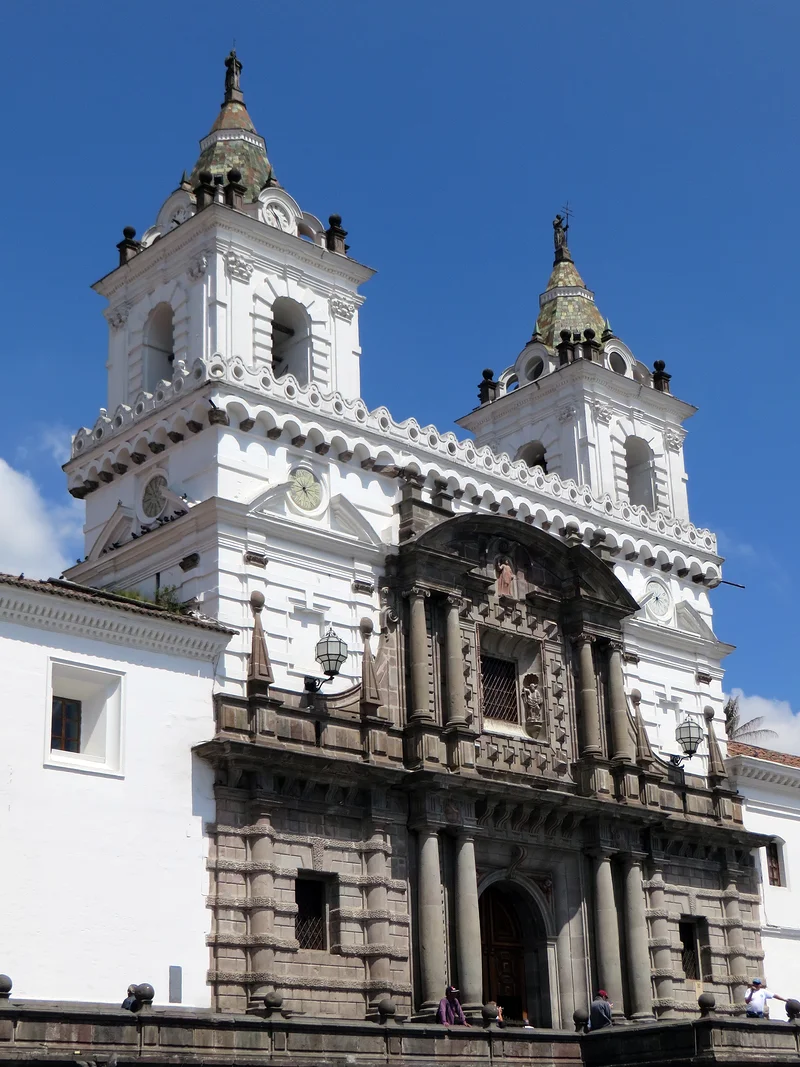
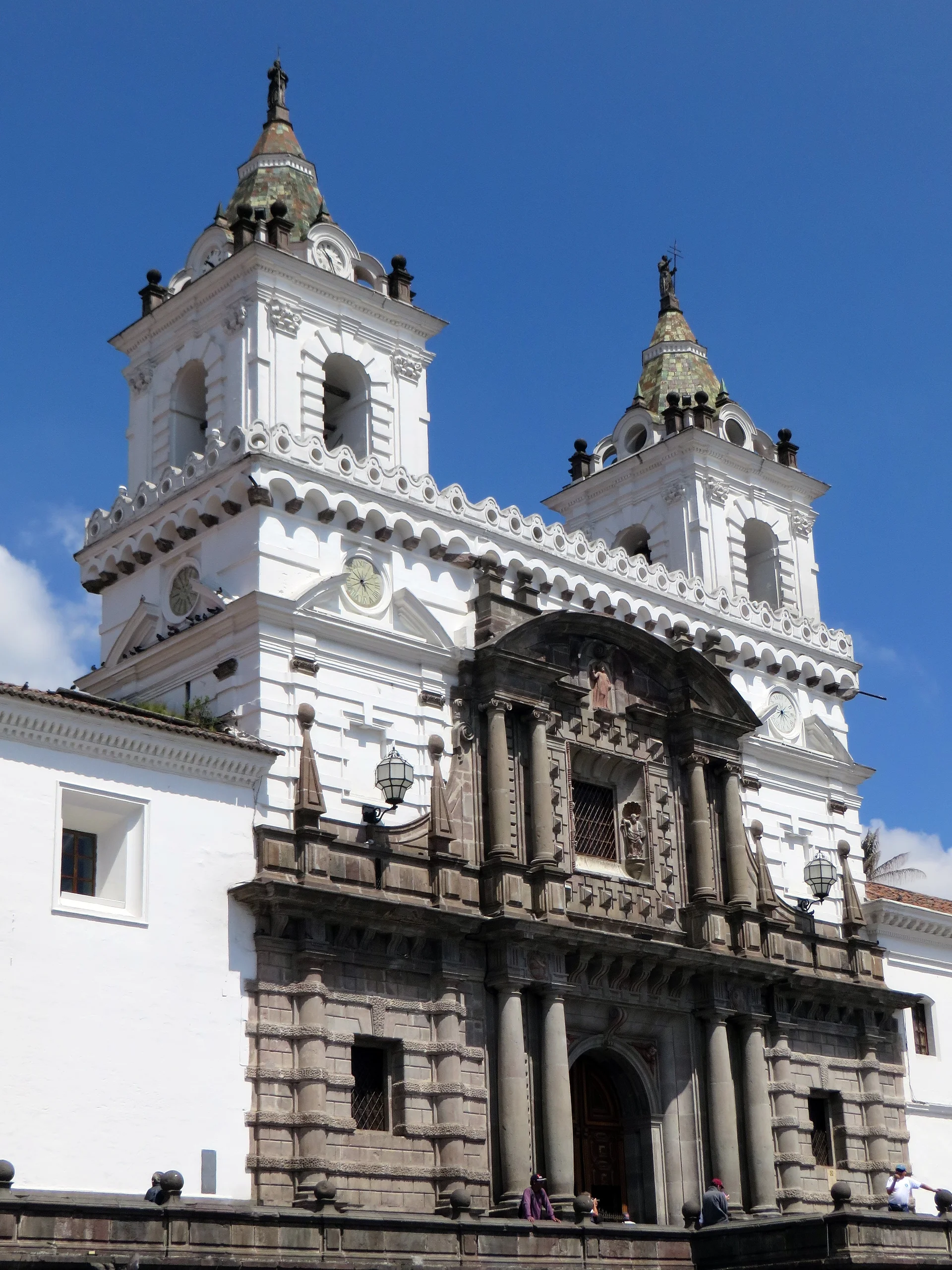
Just a short walk away, the Church of the Society of Jesus is known for its intricate baroque architecture and ornate interior. The San Francisco square and church, dating back to the 16th century, forms another major architectural complex showcasing the city's colonial past.
Views and Panoramas
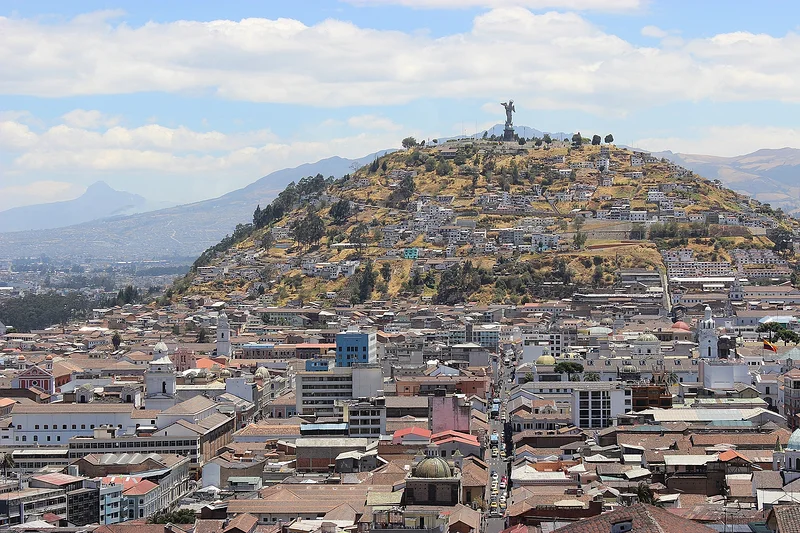
To take in the city layout, head up the Panecillo, a hill topped by the statue of the Virgin of Quito that gives you a 360-degree look at the capital and the surrounding peaks. You can also ride the TelefériQo, a cable car climbing past 4,000 metres of altitude onto the slopes of the Pichincha volcano, opening up sweeping vistas and high-altitude hiking trails.
Museums and Culture
Quito keeps its cultural background on display across several institutions. The City Museum traces the history of the capital, while the Guayasamín Museum exhibits works by Oswaldo Guayasamín, one of Ecuador's most renowned artists. Both spots offer a deep dive into the artistic and historical roots of the country.
Day Trips Nearby
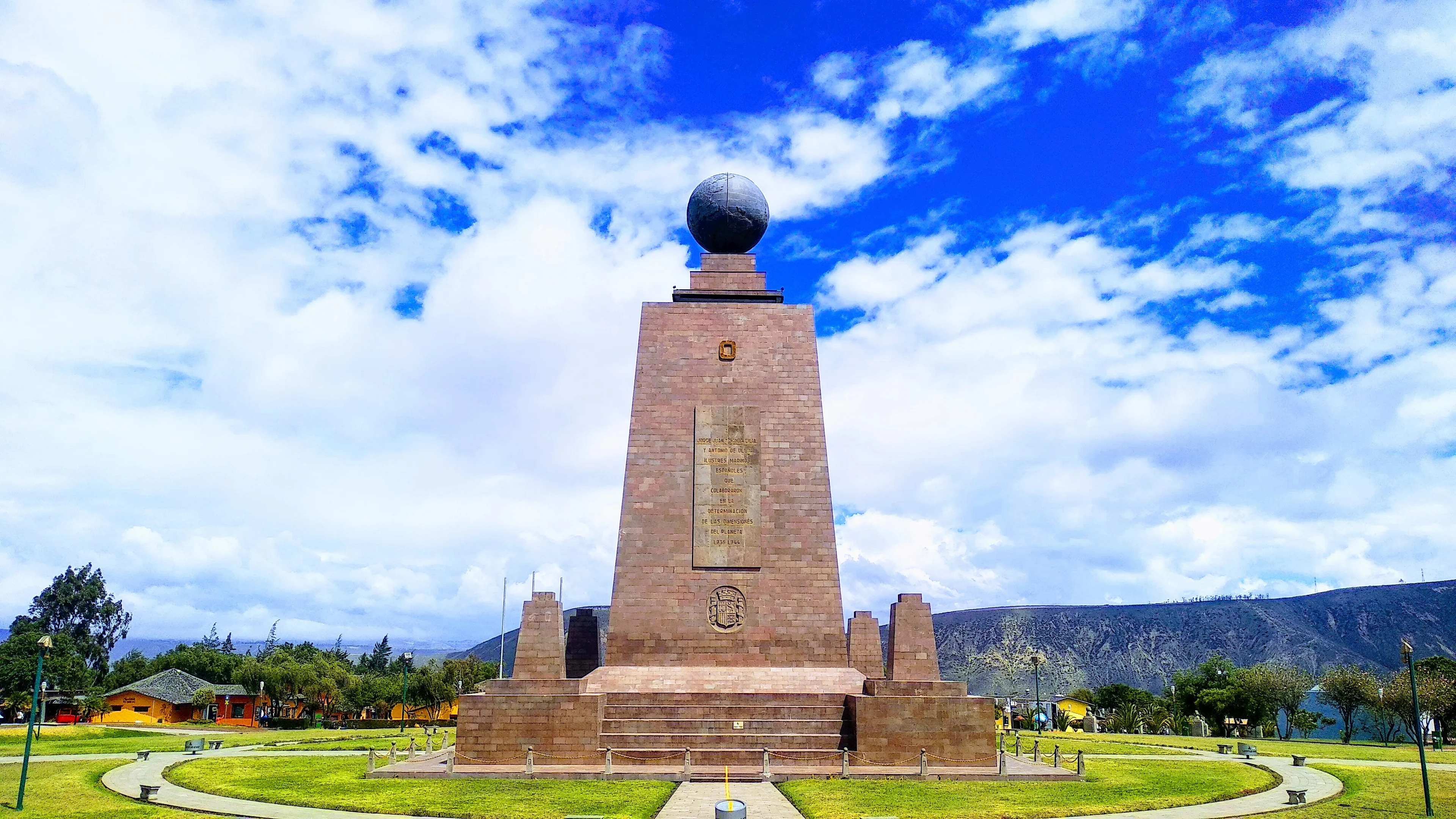
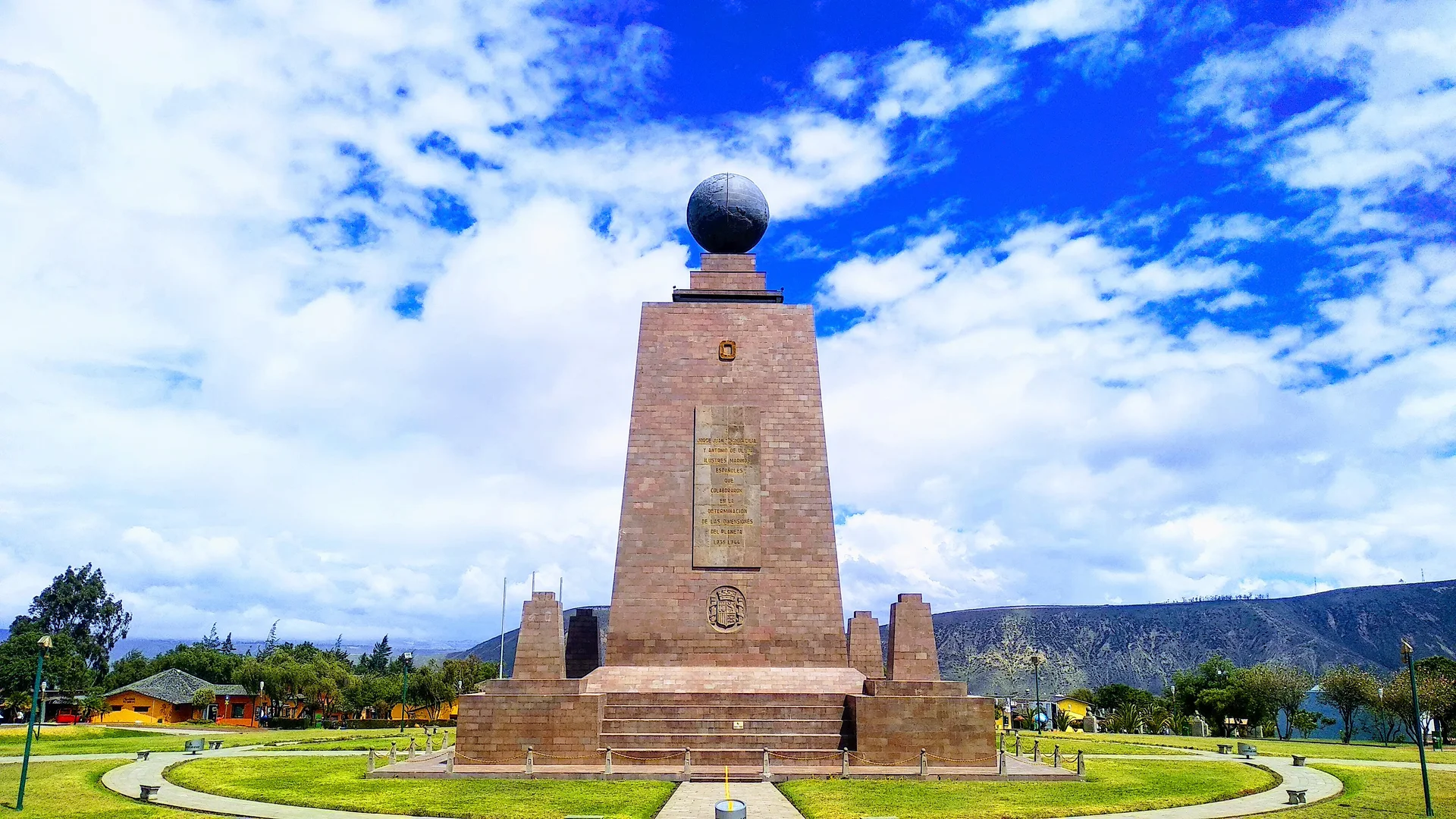
About twenty kilometres north of Quito, the Mitad del Mundo site features a monument marking the equatorial line. Visitors can explore geophysical exhibits tied to the equator and try out interactive displays.
Meanwhile, the Otavalo Market, roughly a two-hour drive away, is known for traditional handicrafts and makes for a rewarding excursion into indigenous Ecuadorian culture.
Andean Flavors
Quito's food scene draws heavily on Andean traditions through dishes like locro de papas, a thick potato and cheese soup, or ceviche de chochos, made with marinated lupin seeds. Empanadas de verde, turnovers made from green plantain dough, are another common find. To drink, canelazo, a hot brew of aguardiente, cinnamon, and sugar, helps warm up chilly mountain evenings.
Where to eat?
- La Ronda (La Ronda neighborhood): Serves traditional Ecuadorian dishes in a warm setting along a historic street.
- Casa Gangotena (Historic center): An upscale venue offering refined dining with a modern take on local recipes.
- Hasta La Vuelta, Señor (Historic center): Tucked inside the Archbishop's Palace, this spot serves local specialties in a unique historic setting.
- Las Corvinas de Don Jimmy (San Roque neighborhood): Known for straightforward fresh fish plates, especially fried corvina, at affordable prices.
Where to stay?
- Hotel Plaza Grande (Historic center): A luxury hotel featuring elegant suites overlooking the Plaza de la Independencia.
- Hotel San Francisco de Quito (Historic center): A charming spot housed in a restored colonial home, offering comfortable rooms at moderate rates.
- Community Hostel Quito (San Blas neighborhood): A social hostel providing dorms and private rooms for budget-conscious travelers.
- Hotel Reina Isabel (La Mariscal neighborhood): A modern hotel with spacious rooms, set in a lively district packed with restaurants and bars.
When to go?
Quito enjoys springlike weather year-round, with temperatures running between 10 and 20 °C. The months from June to September tend to be drier, making it the prime window for sightseeing. In December, the city celebrates the Fiestas de Quito, marking its founding with parades, concerts, and cultural events.
How to get there?
Quito is served by Mariscal Sucre International Airport, located about 40 kilometres outside downtown. Direct flights run from major North American and European hubs, with fares shifting by season and airline. Taxis, buses, and shuttle services connect the airport to the center of Quito.
How to get around?
The city runs a public transit network of bus and trolleybus routes covering key urban corridors. Taxis are also plentiful and relatively inexpensive. For a more local feel, you can hop on standard city buses or use private ride options.
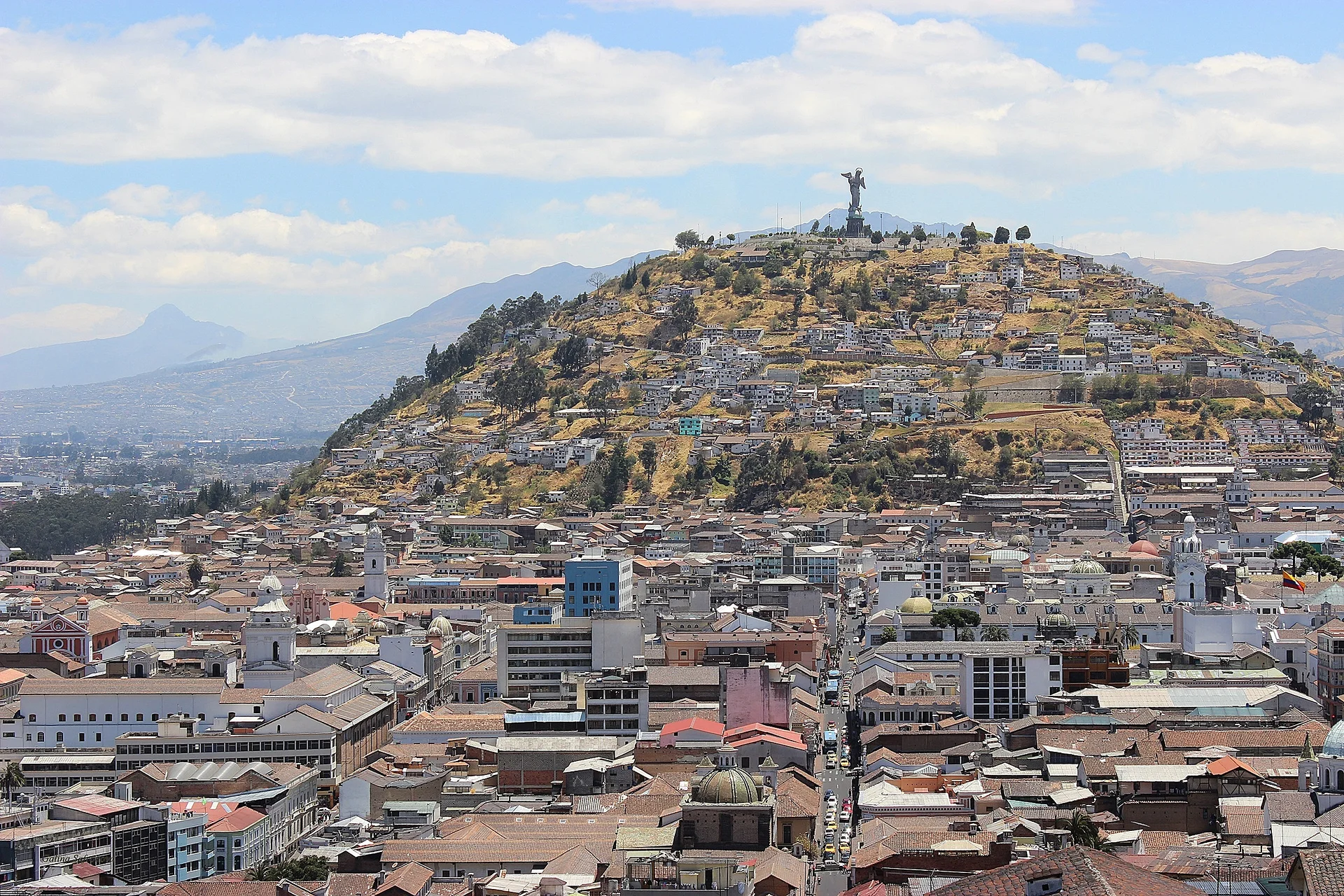
Quito is a rapidly expanding city of 3.2 million people that has still managed to keep its old-world charm. In fact, Quito is primarily known for being a colonial city, with its magnificent historic downtown, which is a UNESCO World Heritage site.
What also makes Quito so beautiful is that the city is surrounded by numerous peaks, which provide a panoramic view of the city and serve as the starting point for many hikes.
Additionally, plenty of day trips can be taken from Quito, including a visit to the stunning Cotopaxi National Park or taking a drive along the Avenue of the Volcanoes.