Désert d'Atacama

Things to do in Chile: 11 must-see attractions

Discover our members' favorite destinations in Chile, plus reviews, practical info, and traveler photos...

The 4 most beautiful cities to visit in Chile

Valparaíso

#1 Valparaíso +32

As the primary port of Chile, Valparaíso is a city of distinct contrasts, tucked into a wide Pacific bay and framed by 45 steep hills known as Cerros. Founded in 1544 by Pedro de Valdivia, the city entered a golden age during the 19th century, drawing gold seekers, shipping magnates, and major banking institutions. A massive earthquake and the opening of the Panama Canal in 1914 eventually stifled this growth. Today, the city is a hub for students and artists, filled with street art, museums, cafes, and boutiques. Its historic center is even recognized as a Unesco World Heritage site.

The maritime heritage of Valparaíso

Located along the waterfront, the Barrio Puerto is the oldest district in the city. Sitting between the flatlands and the hills, you will find historical landmarks like the Iglesia de la Matriz. The Plaza Sotomayor, lined with official government buildings, serves as the institutional heart of Valparaíso. You can see the Monument to the Heroes of Iquique, which commemorates the naval battle of May 21, 1879. Housed in a mansion typical of the early 20th-century bourgeoisie, the Palais Baburizza and its Museum of Fine Arts are another essential stop. Afterward, head to the Muelle Prat, a small pier where you can catch a boat for a tour of the bay.

A labyrinth of colorful hills

The atmosphere in Valparaíso is defined by the maze of hills overlooking the port, each acting as a neighborhood with its own distinct identity and local culture. These residential Cerros are served by fifteen funicular elevators. To really explore the corners of these colorful districts, walk the steep streets, which also gives you a front-row seat to the city's street art. The essential Cerros include Cerro Concepcion and Cerro Alegre, both packed with plazas, walkways, and viewpoints like the Mirador Yugoslavo and Paseo Gervasoni. Do not miss the Open-Air Museum of Valparaíso on Cerro Bellavista, a collection of murals inaugurated in 1992. Another highlight is the Paseo 21 de Mayo on Cerro Artilleria, which offers one of the best panoramas in the city. Near Cerro Carcel, the Parque Cultural de Valparaiso, built on the site of a former prison, is worth a visit for its exhibitions and expansive green spaces.

Other things to see in Valparaíso

Fans of the Chilean poet Pablo Neruda should visit his home on Cerro Bellavista, La Sebastiana. It holds a beautiful collection of art and period furniture. Down in the flatlands, take a walk through Plaza Victoria, a pleasant spot with large trees and fountains bordered by the cathedral. Near the port, visit the Mercado El Cardonal for an authentic local scene. You might also head over to the Paseo Muelle Barón, where you can often spot sea lions resting nearby.

When to go

Valparaíso is most pleasant to visit during the southern summer, between December and April.

How to get there

The city is easily accessible by bus from Santiago. You will arrive at the Terminal de Buses Rodovario after a trip of about 1 hour and 30 minutes.

Santiago

#2 Santiago +32

As the capital of Chile, Santiago is home to roughly 5 million people. The city was founded in 1541 during the colonial era by Pedro de Valdivia, centered on what is now the Plaza de Armas, the city's institutional heart. The population surged at the end of the 20th century as people moved from rural areas to the city seeking better opportunities. The metropolis is split by the Mapocho River, which is flanked by green spaces like Parque Forestal and the Parque de las Esculturas, where you can find 40 sculptures created by prominent Chilean artists.

Central Neighborhoods in Santiago

Start your walk at the city's main square, the Plaza de Armas. This is where you will find the Metropolitan Cathedral of Santiago, a neoclassical structure, alongside museums such as the Museo Histórico Nacional, which covers Chile's colonial and republican history. Nearby, the Museo de Arte Precolombino is essential for its collection of ceramics, sculptures, and textiles from various pre-Columbian cultures. Finally, do not miss the Palacio de la Moneda, the seat of the Chilean government, located just a few blocks away.

The Lastarria neighborhood, or the Fine Arts district, is another staple of the capital. After stopping by the Museum of Fine Arts, enjoy the energetic, colorful vibe around Cerro Santa Lucia, which frequently hosts local sports and cultural events.

San Cristobal Hill and Surroundings

To see Santiago from above, head to San Cristobal Hill, which encompasses the largest urban park in Chile, covering 722 hectares. It is accessible to everyone, and you can choose to hike up or take the funicular. At the summit, you will find a statue of the Virgin Mary, crafted in 1908 by Mathurin Moreau. Pope John Paul II held a mass here in 1987. The area around San Cristobal also includes a zoo and a botanical garden.

At the base of the hill, make time for the bohemian neighborhood of Bellavista, a hub for artists filled with street art, bars, and boutiques. Nearby, you will find La Chascona, one of the homes of Chilean poet Pablo Neruda, which still displays his original furniture and decor.

For those looking to get even higher, head to the eastern side of the city to tackle the Gran Torre de Santiago. It is the tallest skyscraper in South America at 300 meters, offering an aerial view of the entire valley.

The Legacy of the Pinochet Dictatorship

If you want to understand the period of the Chilean dictatorship between 1973 and 1990, visit the Museum of Memory and Human Rights. The institution commemorates the 40,000 victims of the Pinochet regime and details the major political and military turning points of that era.

When to Go

The best time to visit Santiago is from November through April.

Getting There

Fly into Santiago de Chile Airport.

Getting Around

Once you are in the city, the metro and bus network is efficient and reliable, capable of taking you just about anywhere in the metropolitan area.

San Pedro de Atacama

#3 San Pedro de Atacama +8

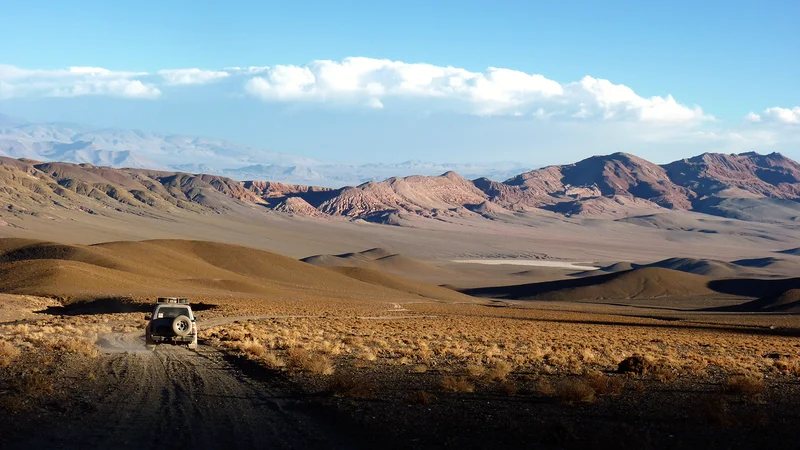
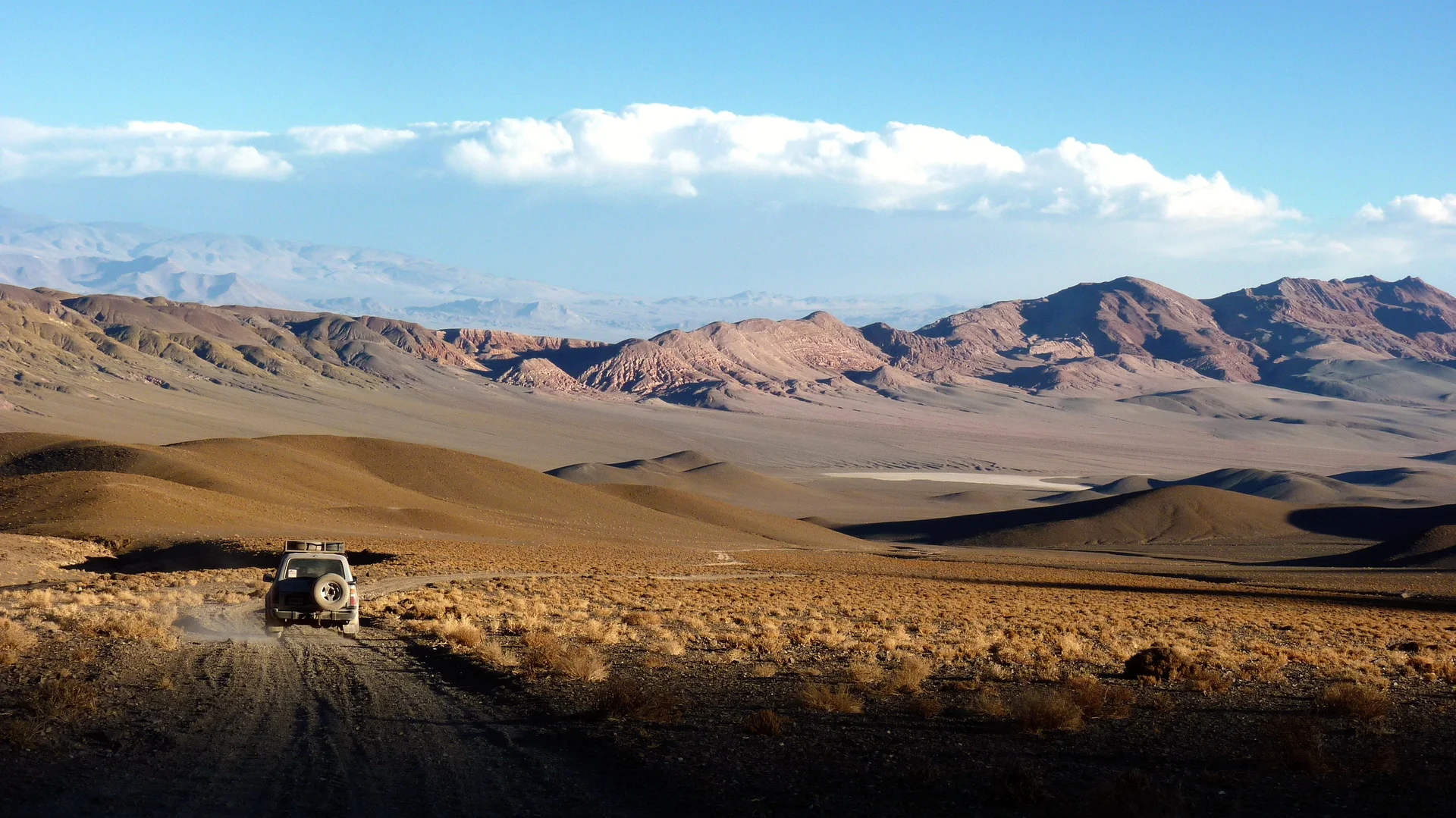
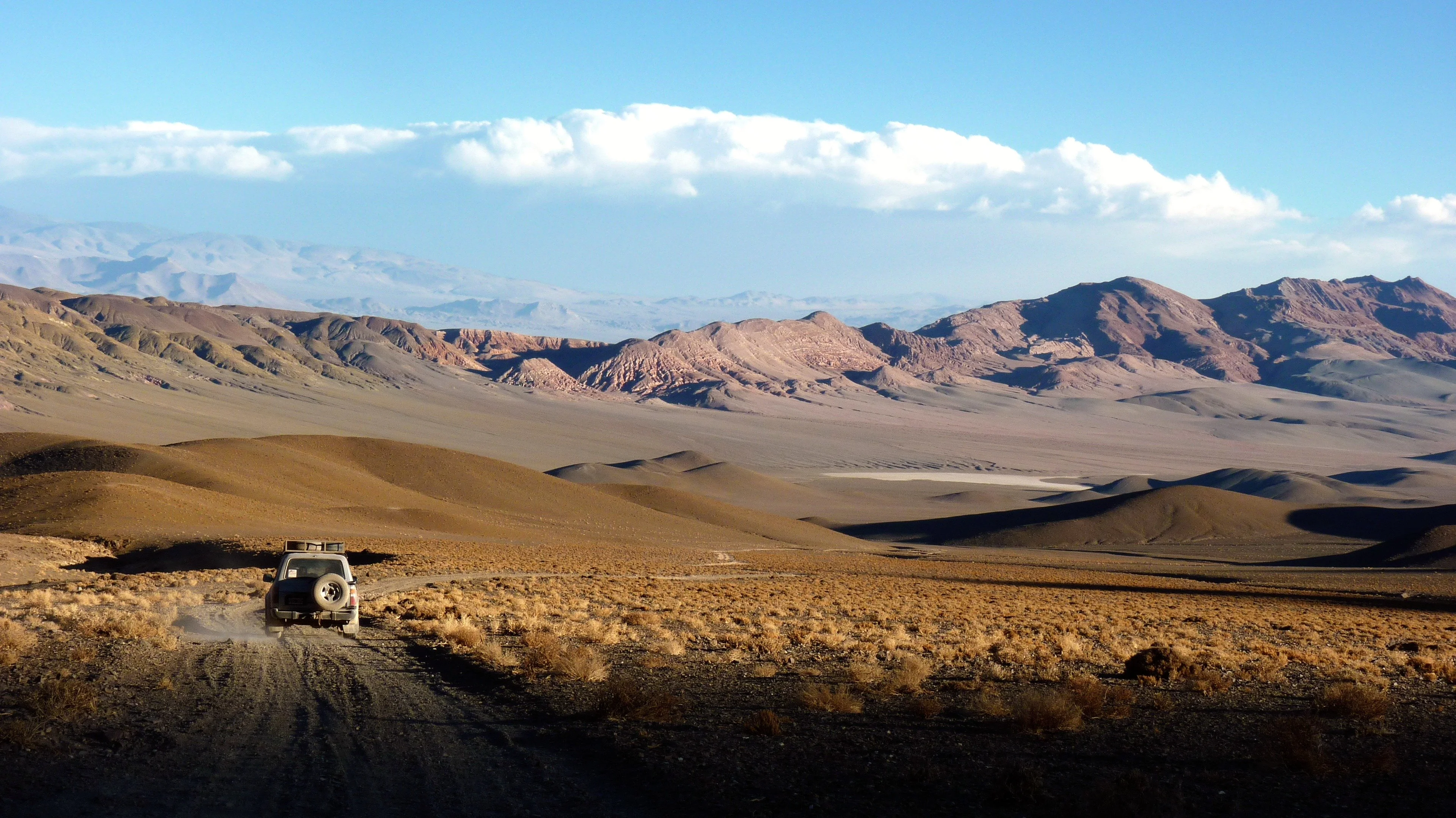
San Pedro de Atacama sits in the middle of one of the driest deserts on the planet. This Chilean village serves as a base for exploring wind-carved valleys, active geysers, and pre-Columbian archaeological sites. With some of the clearest skies in the Southern Hemisphere, it is a premier destination for stargazing. The laid-back pace and stark, high-altitude landscapes offer a complete change of scenery from the typical US national park experience.

Punta Arenas

#4 Punta Arenas +2

You have reached the literal end of the world. For travelers who find comfort in isolation, Punta Arenas is the destination. Located at the southern tip of Chile on the Brunswick Peninsula, this city serves as the primary gateway for exploring the Strait of Magellan.

A history carved in architecture

Often called the capital of Chilean Patagonia, Punta Arenas spent years isolated from global trade routes before the Panama Canal opened. Long before European settlers arrived in the late 19th century lured by the prospect of gold, the region was home to indigenous groups including the Yagan, Ona, Tehuelche, and Alakalouf people, who survived in one of the planet's harshest climates.

Today, the city retains a distinct character. The Plaza de Armas is the heart of the city, framed by grand mansions built during the late 19th and early 20th centuries. At its center stands a statue of explorer Ferdinand Magellan. The Sacred Heart Cathedral, completed in 1901, remains a local landmark. Do not miss the Palais Sara Braun, a neoclassical residence still filled with its original period furniture. For a deeper look at local history, the Blanchard Residence, which houses the Chilean Antarctic Institute, and the Braun Menendez Regional Museum are essential stops. Even the local cemetery is a significant site, filled with elaborate mausoleums belonging to the city's founding families and the grave of the Unknown Indian.

Landscapes at the edge of the world

Once you have finished exploring the city, head to the water. From the Costanera at the port, you can look out across the same channels that challenged early mariners. Local boat operators run cruises through the Strait of Magellan, where you can spot humpback whales in the open water. About 30 kilometers northeast of the city lies the Isla Magdalena National Park. It takes about two hours by boat to reach the island, which is home to a massive colony of Magellanic penguins. Punta Arenas also serves as the departure point for expeditions to Karukinka Park, Cape Horn, Alberto de Agostini National Park, Cabo de Hornos National Park, and the Laguna Parrillar Reserve.

When to go

Do not expect beach weather here. Because of its latitude, the city experiences frequent rain and intense wind gusts year-round. Avoid the period from May to September, when temperatures hover between 0 and 5 degrees Celsius (32 to 41 degrees Fahrenheit). During the rest of the year, temperatures rarely climb above 15 to 20 degrees Celsius (59 to 68 degrees Fahrenheit).

How to get there

The most practical way to reach Punta Arenas is by plane from Santiago, which takes about 4 hours. You can also arrive by bus or car via Ruta 9, though be prepared for a drive of over 3,000 kilometers from the capital.

Ranking of the 7 activities selected by our editors in Chile

#1 La Moneda Palace (Santiago) +6 5

La Moneda Palace, once a colonial mint and now the presidential residence, stands as a core historic landmark in Santiago. This neoclassical structure witnessed major events in Chile. Make time for the formal changing of the guard. Below ground, the Centro Cultural Palacio La Moneda (La Moneda Cultural Center) hosts rotating exhibits and local artisan displays.

See the guide See deals

#2 San Cristóbal Hill (Santiago) +6 5

San Cristóbal Hill serves as the massive 722-hectare green heart of Santiago, offering expansive views of the city and the Andes. Topped by a monumental statue of the Virgin Mary visible from across the capital, this urban park blends nature and leisure. Reach the summit by funicular, cable car, or hiking trails.

See the guide See deals

#3 Torres del Paine National Park (Torres del Paine) +3 5

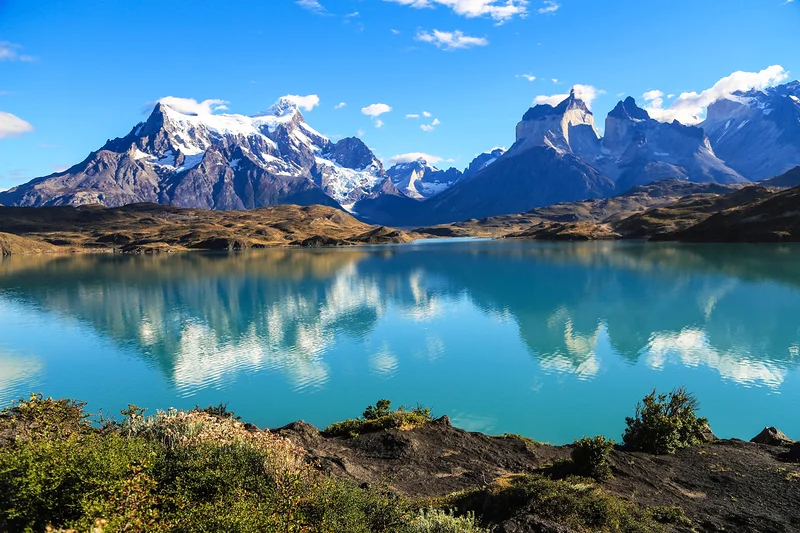
Torres del Paine National Park in Chile sits between the Patagonian steppe and the Andes mountains. Established in 1959, the park contains 4 biomes and high biodiversity, leading UNESCO to declare it a biosphere reserve in 1978. Between clear lakes and granite peaks, watch for condors circling the Andean foothills. Ideal for wilderness enthusiasts.

See the guide See deals

#4 Salar de Atacama (San Pedro de Atacama) +3 5

Salar de Atacama, located in the desert of Chile, is one of the largest salt flats on Earth. This vast landscape features sparkling salt crusts, colorful lagoons, and incredible night skies. You can explore this geological marvel, see resilient wildlife, visit the Tatio geysers, and stargaze from professional observatories in San Pedro de Atacama.

#5 Lauca National Park (Putre) +2 4

Lauca National Park sits in Chile, near the Peruvian border. Spanning 1,378 square kilometers at elevations from 3,100m to 6,300m, this volcanic landscape features some of the world's highest lakes, hot springs, and geysers. A UNESCO Biosphere Reserve since 1981, it hosts 130 bird species, plus iconic Andean lamas and pumas.

See the guide See deals

#6 Villarrica National Park (Pucón) +2 5

Villarrica National Park in Chile is a natural wonder with diverse landscapes. Established in 1940, it features the active Villarrica volcano, dense forests, glacial lakes, and clear rivers. Hike, climb the volcano, or enjoy water sports. Spot wildlife like pumas, foxes, and condors among iconic araucaria trees. A prime destination for nature and adventure seekers.

#7 Plaza de Armas (Santiago)

Plaza de Armas is the historic core of Santiago, marking the site where the city was founded. Surrounded by landmarks like the Metropolitan Cathedral and the Museo Histórico Nacional (National History Museum), it reflects Chile's past. Between street performers and musicians, the plaza offers an authentic look at local life and serves as a perfect starting point for exploring the city center.

Visiting Chile: Mystic Deserts and Ancient Glaciers

Picture a country where you can walk across a lunar landscape in the morning and navigate between icebergs by afternoon. Chile defies easy description with its 2,670 miles of pure geographic extremes, squeezed between the Pacific Ocean and the Andes like a long, narrow ribbon down the edge of a continent. Four distinct climates stack on top of each other here, from the steaming geysers of the Atacama to the frozen fjords of Patagonia.

Is Chile the Right Trip for You?

Let's be straight about this. Chile rewards travelers who are willing to trade convenience for something extraordinary. Distances are enormous, prices are closer to what you'd pay in Western Europe than in most of South America, and the weather can flip on you within hours. If you're after white-sand beaches and poolside drinks, look elsewhere.

But if the idea of watching flamingos wade through turquoise lagoons at 13,000 feet gets you excited, if you want to follow Magellan's route or stand in front of the moai on Easter Island and actually feel the mystery of the place, then start packing. Chile pays off for curious travelers, nature lovers, and anyone who doesn't mind being pushed a little outside their comfort zone.

The Atacama and the North: Another Planet Entirely

The Atacama Desert is not just the driest desert on Earth. It's an open-air laboratory where NASA tests Mars rovers. From San Pedro de Atacama, a small oasis town that functions as the adventure base camp for the region, you can reach landscapes that genuinely look like science fiction.

The Valle de la Luna drops you into a sci-fi film set where sunset turns the dunes into a palette of copper and gold. Further north, the El Tatio geysers blast columns of steam into the cold morning air in a display that makes you feel the planet is alive underneath your feet.

Insider tip: Set your alarm for 4 a.m. to catch El Tatio at full force. The altitude here is 14,100 feet, which can hit hard. Ascend gradually and drink water constantly.

The Atacama has more to offer beyond the geysers. The Altiplano lagoons sit at the foot of snow-capped volcanoes, with pink flamingos picking through turquoise water. The Salar de Atacama, one of the world's largest salt flats, forms perfect geometric patterns across the ground. After dark, you'll understand why astronomers from around the world come here: with zero light pollution, the Milky Way spreads overhead like a river of stars. Think of the darkest sky you've ever seen in the American West, then multiply it.

Santiago and Central Chile: Old Bones, New Energy

Santiago is a city of 7 million people cupped in an Andean basin, with Cerro San Cristóbal rising above it and offering sweeping views of the skyline against the mountains. The gap between the glass towers of Las Condes and the painted streets of the Bellavista neighborhood is genuinely striking.

The Palacio de La Moneda, Chile's presidential palace, carries the weight of the country's turbulent modern history. The Mercado Central is where you go to eat seafood and watch the city move. A day trip to Valparaíso, about 75 miles west of Santiago, is worth every minute. The UNESCO-listed port city clings to a series of steep hills covered in painted houses, ancient funicular elevators, and murals on every surface. It looks like someone gave San Francisco a Latin American makeover and forgot to stop.

Wine Country

Central Chile sits on some serious wine-producing land. The Casablanca, Maipo, and Colchagua valleys turn out wines that compete with the best in the world. Tasting them with the Andes as a backdrop adds a dimension that no tasting room back home can replicate.

Chilean Patagonia: The Edge of the World

Down south, Chilean Patagonia opens up with landscapes that feel genuinely remote. Torres del Paine National Park is the centerpiece: three granite towers that spike straight up into the sky like giant needles. The Grey Glacier calves blue-tinted icebergs into a lake of impossible turquoise. Think Glacier Bay in Alaska, but wilder and more dramatic.

Further south, Punta Arenas sits on the Strait of Magellan, where the wind never fully stops and Magellanic penguins waddle along the beaches. Puerto Natales is the practical base for exploring this part of Patagonia, where every sunrise is genuinely unpredictable.

Insider tip: Patagonia will throw all four seasons at you in a single day. Even in summer (December through February), pack a wool hat and gloves. The wind cuts through everything.

The Chiloé Archipelago

Chiloé Island is worth the detour for its brightly painted wooden churches (a UNESCO World Heritage site), its palafitos (houses built on stilts over the water), and a local mythology full of sea creatures that locals still take seriously. The traditional dish here is curanto, a hearty mix of shellfish, meat, and potatoes slow-cooked in a pit dug into the ground. It's the kind of meal that takes all afternoon and means something.

Easter Island: The Pacific's Great Mystery

Sitting 2,300 miles off the Chilean coast, Rapa Nui (Easter Island) floats alone in the middle of the Pacific. The moai, massive stone figures with their backs to the ocean and their eyes fixed on the interior of the island, continue to baffle archaeologists. Watching the sun rise over Ahu Tongariki and set over Ahu Vai Uri are two of those travel moments that stay with you. The flight alone is worth the effort.

The island also has the white-sand beach at Anakena, the volcanic crater at Rano Raraku carpeted in reeds, and a living Polynesian culture that feels nothing like the rest of Latin America.

Eating in Chile: Sea Meets Mountain

Chilean food won't rewrite your idea of cuisine, but it'll surprise you with its freshness and range. With 2,670 miles of coastline, the country does seafood exceptionally well. The corvina ceviche, marinated in lime juice, holds its own against the best Peruvian versions.

  • The empanada de pino is the national snack, full stop. The golden pastry holds a savory mix of ground beef, onions, hard-boiled egg, and olives. At Santiago's Mercado Central, vendors sell them fresh all day long.
  • Cazuela is Chile's answer to comfort food: a generous broth of beef or chicken with potatoes, corn, and vegetables, the kind of thing you want after a cold day in Patagonia.
  • Paila marina is less well known but worth seeking out: a fragrant seafood and fish broth that smells like the ocean and tastes like the coast.
  • Pastel de choclo is a sweet-savory corn and ground beef casserole that sounds odd and tastes great.
  • In Patagonia, order the Patagonian lamb roasted on a cross over an open fire. It's a gaucho tradition that turns a meal into a ritual.

For drinks, the pisco sour is the national cocktail, and Chile and Peru have been arguing over who does it better for decades. Try both and form your own opinion. Chilean wines, from the Sauvignon Blanc of Casablanca to the Carménère of Colchagua, pair naturally with this kind of food. If you're in Santiago on a hot afternoon, try mote con huesillo, a cold drink made from sprouted wheat and dried peaches that locals have been drinking in the summer heat for generations.

When to Go to Chile

Chile runs on Southern Hemisphere seasons, which means its summer is your winter, and the right time to visit depends entirely on where you're going.

For a full-country trip, the Southern Hemisphere spring (September through December) and fall (March through May) offer the best overall conditions: reasonable temperatures across most regions and lighter crowds than peak season.

Southern summer (December through March) is high season. Patagonia and the south are at their best, but Santiago can bake at 95°F. The Atacama stays accessible, though high-altitude storms can close roads for two to three days at a time.

Southern winter (June through August) turns central Chile mild and rainy, closer to the Pacific Northwest than the tropics. It's actually a great time to visit the Atacama, which gets consistent sunshine year-round. Patagonia, however, largely shuts down. Many lodges and trails become inaccessible.

Easter Island is best from October through March during the dry season. March is the sweet spot: fewer tourists, ideal weather, and lower prices than the peak December-January rush.

Getting to Chile

Arturo Merino Benítez International Airport in Santiago is the main entry point. From the US, you're looking at roughly 10 to 13 hours of flying time depending on your departure city and whether you connect through Miami, Dallas, or another hub. Airlines including LATAM, American, and Delta cover the main routes. Book two to three months out for the best fares, especially for travel during the Southern summer high season. Budget roughly $700 to $1,300 (CLP 650,000 to CLP 1,200,000) for a round-trip ticket depending on the season and how far in advance you book.

If you're already traveling in South America, Chile connects easily overland. Bus service to and from Argentina is frequent and comfortable, especially on the Santiago-Mendoza run (about 7 hours) or all the way to Buenos Aires (around 20 hours). From Bolivia, you can enter through Arica in the north or cross the Andes from Uyuni into San Pedro de Atacama.

Peru connects naturally via the Tacna-Arica crossing, a popular route for backpackers working their way down the Pacific coast. Cruises also link Ushuaia in Argentina to Punta Arenas via Cape Horn, for anyone who wants to experience the Patagonian channels by sea.

Getting Around Chile

Buses are the backbone of Chilean transportation. The network is reliable and covers the entire country, with a level of comfort that would surprise most American travelers. Companies like Tur Bus and Pullman Bus run "cama" coaches (fully reclining seats, closer to business class than a Greyhound) for long hauls. Santiago to La Serena is about 8 hours; Santiago to Puerto Montt is around 12.

Flying is the smart move when you need to cover serious ground. LATAM and Sky Airlines run daily flights from Santiago to the key destinations: Calama (gateway to the Atacama), Puerto Montt (Lake District), Punta Arenas (Patagonia), and Easter Island. Book ahead and prices stay reasonable. The time you save on a country this long is significant.

Renting a car gives you total freedom but comes at a cost. Expect to pay at least 30,000 CLP per day (roughly $33) before insurance and gas. It's the right call for exploring the Atacama on your own schedule or day-tripping around Santiago. Just keep the distances in mind: Santiago to San Pedro de Atacama is about 1,000 miles and takes 20 hours by road.

Hitchhiking is common and generally works well, especially in the south where Chileans tend to be welcoming to travelers. In Patagonia, where traffic thins out considerably, carry food and water and be prepared to wait. Ferries are essential for reaching Chiloé or navigating the Patagonian fjords. Trains still run between Santiago and a few central cities, though they're more of a nostalgic experience than a practical way to get around.

Find the best deals to travel to Chile

Hotels and stays Flights Car rentals Custom trips

Top photos posted by members

Désert d'Atacama
El Cajon del Maipo
Pájaros