
Visiting Torres del Paine National Park
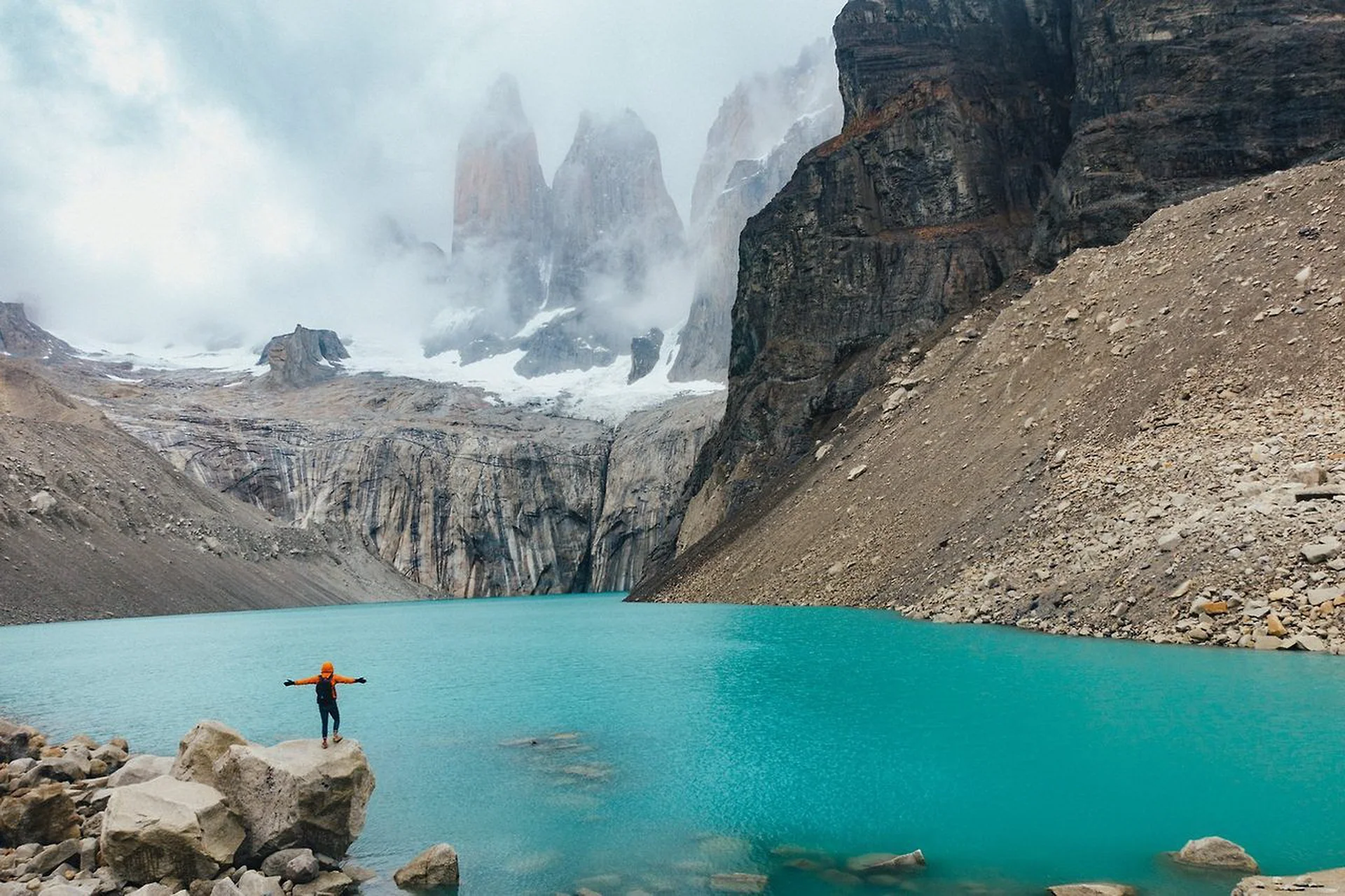
Tucked between the Andes Mountains and the Patagonian steppe, Torres del Paine National Park is a massive Chilean national park covering 2,422 km² (about 935 square miles). It takes its name from three granite pillars in the Paine massif, known as the "torres del Paine."
History
The region first appeared in written accounts in 1879, when Lieutenant Juan Thomas Rogers, commissioned by the Chilean government, surveyed the area and provided detailed reports.
The park itself was not established until May 13, 1959, and UNESCO designated it a biosphere reserve on April 28, 1978. Today, it is managed by the local agency responsible for the country's national parks, the Corporacion Nacional Forestal (CONAF - National Forest Corporation).
The park has grown steadily in popularity over the decades. While only 8,000 visitors arrived in 1986, more than 200,000 people explored its landscapes in 2016.
Torres del Paine National Park
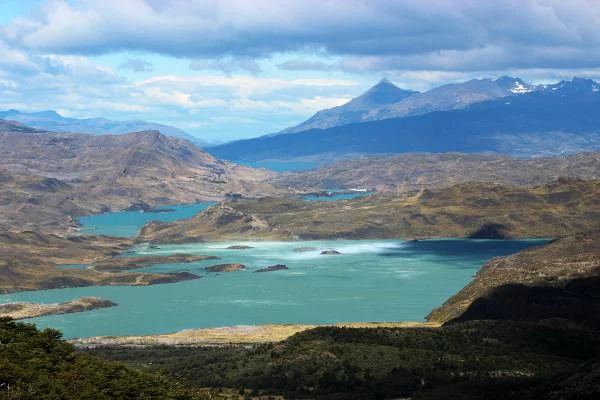
The park contains three main lakes, the largest being the salt lake of Sarmiento. These bodies of water are biodiversity hotspots, creating wetlands and marshy zones that provide an ideal environment for local flora and fauna. This richness is bolstered by the presence of 4 different biomes: matorral shrubland, Magellanic forest, Patagonian steppe, and Andean desert. These distinct environments support a wide variety of wildlife and plants.
You will certainly encounter plenty of birds. In the plains, you will find swans and ducks, while on the foothills you can spot the local emblem, the Andean condor, a massive and majestic bird of prey.
As for mammals, the more peaceful species include armadillos and deer known as huemuls. On the other hand, foxes and pumas also roam this territory.
It is a genuine adventure in a wild and preserved landscape.

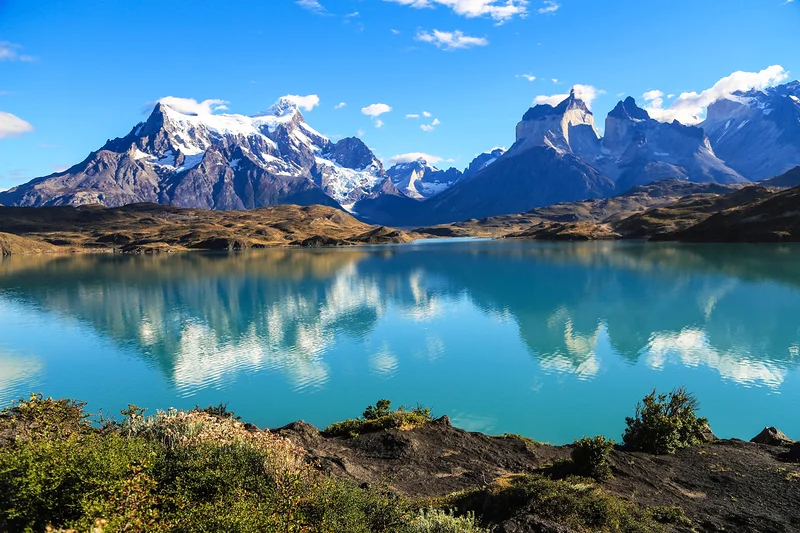
A national park as wild as its landscapes and its weather! There are so many hiking itineraries and the trails are well maintained. Just be careful to book your campsites several months in advance if you want to do the W trek or the O trek, as spots go fast. All of this requires a bit of planning, but the place is definitely worth it, the scenery is sublime. Highly recommended for all lovers of nature and wide open spaces.