
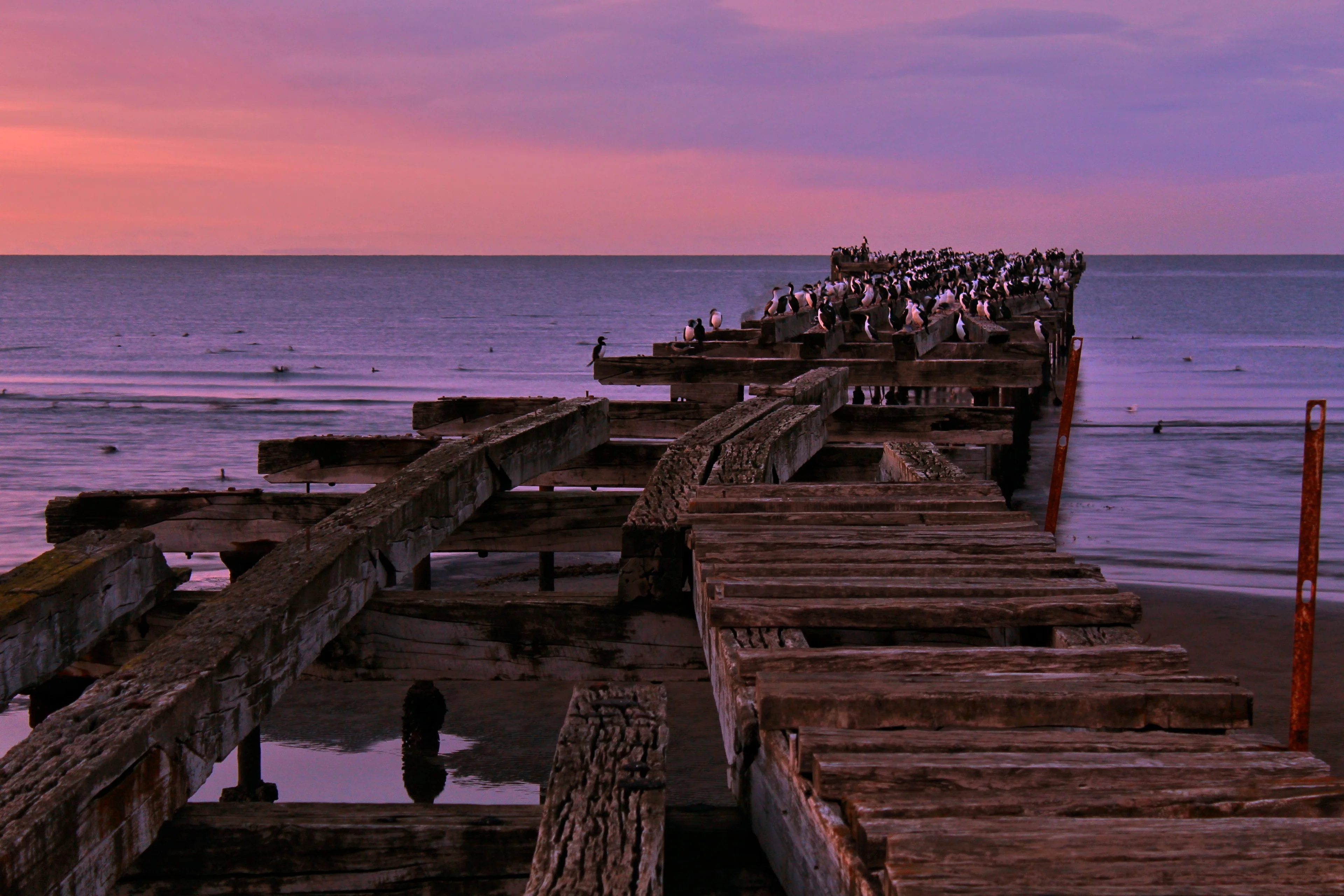
Punta Arenas Travel Guide
Sitting at the edge of the map, Punta Arenas delivers on the promise of the end of the world. Backpackers chasing remote landscapes will find plenty to love here. Located on the Brunswick Peninsula in southern Chile, this city serves as a primary gateway to the Strait of Magellan.
Architecture and Heritage
Often called the capital of Chilean Patagonia, Punta Arenas grew wealthy back when cargo ships had to navigate the Strait of Magellan to travel between oceans. The opening of the Panama Canal in 1914 redirected global shipping and left the city slightly stranded from major maritime routes. Indigenous groups including the Yagans, Onas, Tehuelches, and Alakaloufs once inhabited these harsh environments. By the late 19th century, European settlers arrived in search of a new start and the region's gold.
Today, historic sites draw visitors down to the southern tip of South America. The Plaza de Armas stands out as the symbolic heart of the city. Surrounded by grand late 19th and early 20th century mansions, the square features a statue of explorer Ferdinand Magellan at its center. The Sacred Heart Cathedral, built in 1901, draws instant attention. Do not miss the neoclassical Sara Braun Palace, filled with period furniture. The Blanchard Residence, home to the Chilean Antarctic Institute, and the Braun Menendez Regional Museum offer deep dives into local history. Finally, the Punta Arenas Cemetery offers a fascinating look at the ornate mausoleums of wealthy families and the tomb of the Unknown Indian.
End of the Earth Landscapes
Once you finish exploring the city streets, it is time to head outdoors. Head down to the Costanera near the port to look out over the water and channel your inner explorer. Local boat tours navigate the Strait of Magellan and offer chances to spot migrating humpback whales. Thirty kilometres (19 miles) northeast of Punta Arenas, the protected natural monument of Los Pingüinos on Magdalena Island awaits. The two hour boat ride out to the island brings you face-to-face with massive colonies of resident Magellanic penguins. Several other excursions start directly from Punta Arenas, including Karukinka Park, Cape Horn, Alberto de Agostini and Cabo de Hornos national parks, and the Laguna Parrillar reserve.
When to Go
Do not expect year-round sunshine in Punta Arenas. Because of its geography, the city experiences frequent rain showers and ferocious winds. Skip the months between May and September when temperatures hover around 0 to 5 °C (32 to 41 °F). During the rest of the year, the thermometer climbs to a modest 15 °C (59 °F), hitting 20 °C (68 °F) on the warmest days.
Getting There
Punta Arenas is easily reached by plane from Santiago with a flight time of 4 hours. You can also take a bus or drive, but no road connects the city to the rest of Chile without crossing through Argentina. Driving from the capital covers more than 3,000 kilometres (1,900 miles). Once you arrive, Ruta 9 connects the city to Puerto Natales, located 250 kilometres to the north.
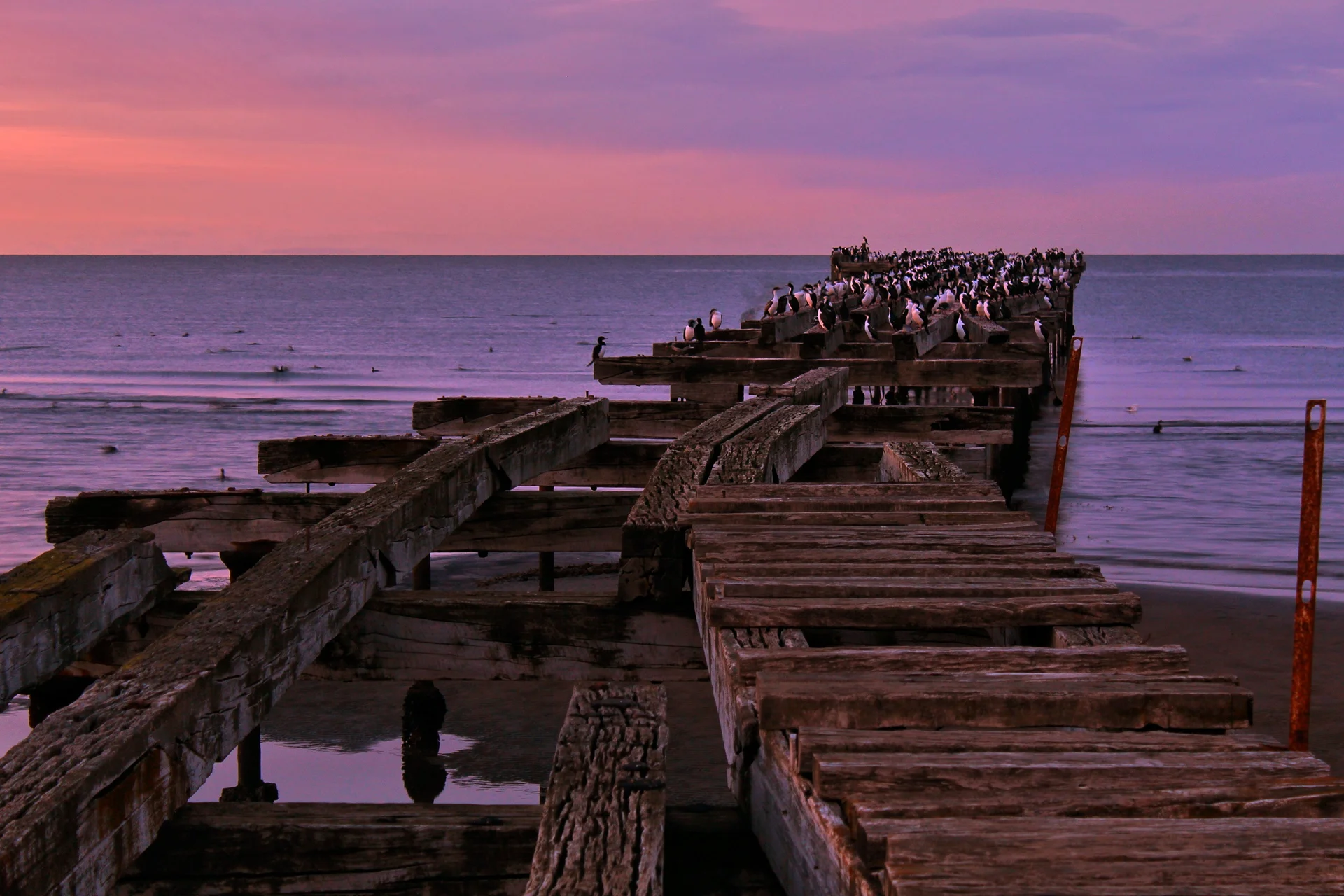
Punta Arenas itself does not have many attractions, other than maybe its duty-free zone and the thrill of knowing you are almost at the end of the world.
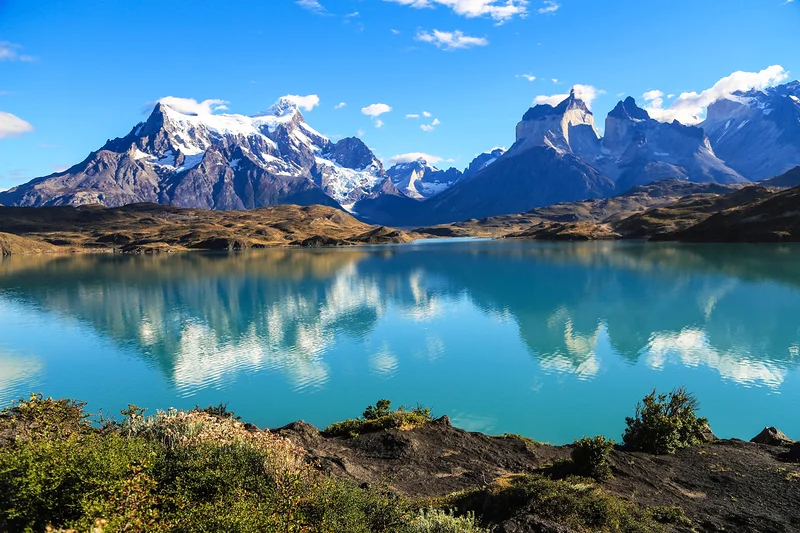
Starting from Punta Arenas, there are several natural parks you can visit that are more worth the trip, as well as Fuerte Bulnes, which is worth seeing for its history.