
Saint-Denis de la Réunion at a Glance
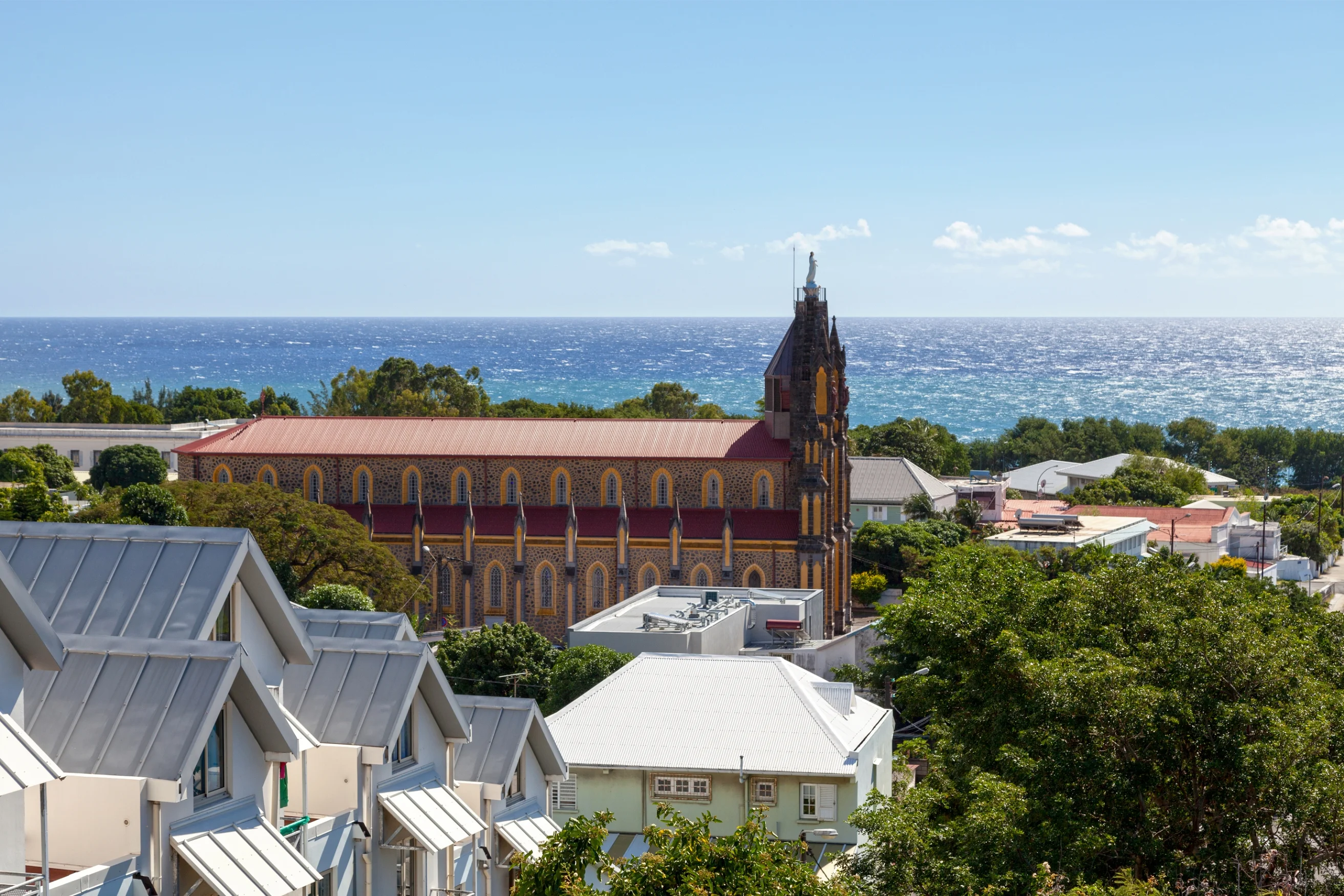
As the capital of the French overseas department of La Réunion in the Indian Ocean, Saint-Denis serves as the economic and nerve center of the island. While it is often just a transit stop for visitors, the city holds its own with colonial history, museums, and Creole culture. You will notice a seamless mix of religious buildings, including churches, a mosque, and a Tamil temple, reflecting a diverse population known for an easygoing, epicurean lifestyle. Key spots include the Jardin de l'État, the Barachois, and rue Maréchal Leclerc. You can also head over to the west-coast beaches at Saint-Leu and l'Ermitage, protected by the coral reef, or hike into the island's amphitheater-shaped cirques, with Salazie offering the easiest access. Along the way, sample local specialties like spiced carry, samosas, and local vanilla.
The climate is tropical, cooled by the trade winds. Temperatures stay mild year-round, with winters hovering around 25 °C (77 °F) and summers hitting 29 °C (84 °F). The seasons are reversed compared to mainland France.
A Commercial Waterfront, Industrial Zone, and Residential Heights
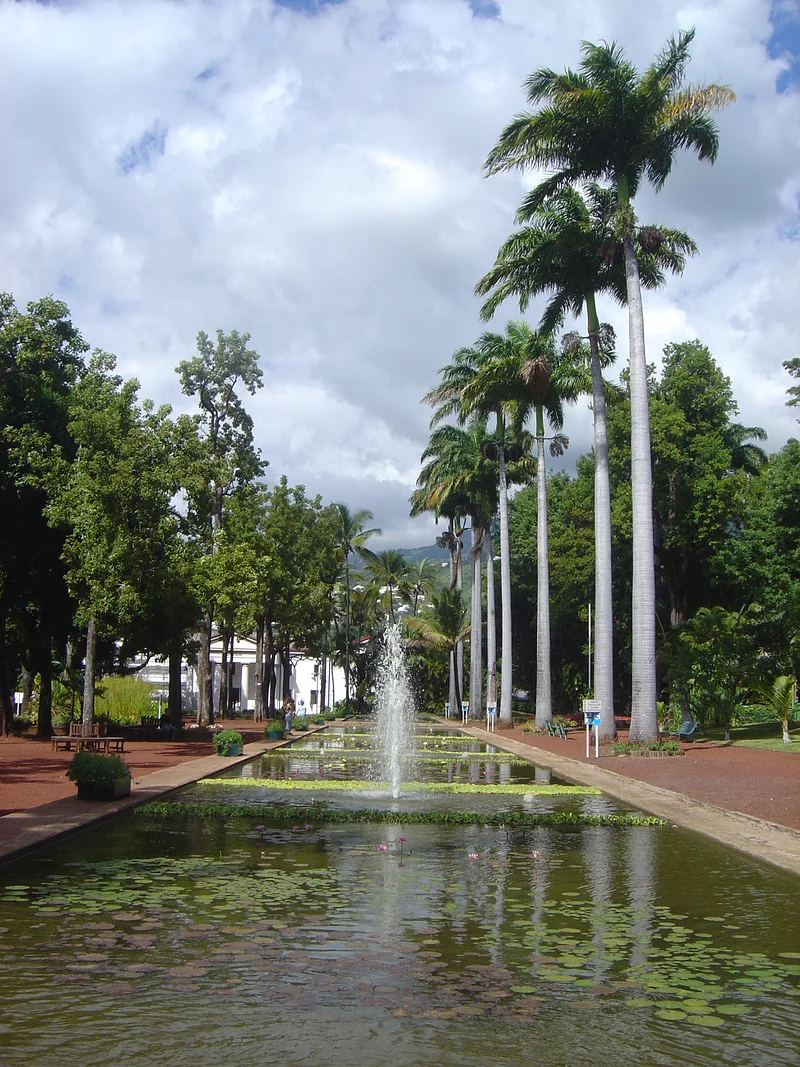
Start on avenue de la Victoire to take in the ochre 1860 city hall. You will notice two identical front entrances built originally to keep two rival politicians from having to use the same door upon arrival. At the corner of rue de Paris stands the Tuscan chapel of l'Immaculée Conception. This neighborhood features gorgeous Creole mansions like Maison Carrère, which houses the tourist office, and l'Artothèque, an art center showcasing regional artists. Nearby, the Cathédrale served as a courtroom during the slave revolts in Saint-Leu. Recharge afterward in the Jardin de l'État, 4 hectares of green space designated as a historical monument. Alternatively, check out Champ-fleuri with its fitness trail and children's play areas. Art enthusiasts can visit the Musée Léon-Dierx, home to a private collection of around 2000 works.
If you are traveling with kids, bring them to the Muséum d'histoire naturelle. They can see extinct species like the dodo, the emblem of neighboring Mauritius, and the coelacanth, a fish from the Mozambique Channel. The library is also worth a visit.
In the evening, stroll along the Barachois, a French word for a small bay closed off by a shingle bar. This waterfront esplanade lined with ocean-facing cannons hosts free jazz concerts on the second Saturday of every month. On the square, you can admire the Préfecture dating back to the East India Company from the 18th century.
A Multicultural and Athletic Vibe
Walking down Maréchal Leclerc street provides a clear look at the island's ethnic diversity. Bustling and lively, the street is packed with shops selling Indian saris, Chinese trinkets, and tech gear. At number 32, you will find the first mosque built in France in 1905, and at number 230 sits a striking, colorful Tamil temple. Finally, do not miss the grand market, filled with colorful fruit stalls and local goods.
The sentier de la Providence is a 5 km trail included in the GRR2 route that cuts through the forest of the same name. With a steep elevation gain, it is a favorite for experienced hikers. Another option is the sentier de la Cascade Maniquet trail.
When to Go
The best time to visit Saint-Denis is from April to October.
How to Get There
The local airline Air Austral operates daily nonstop flights from Paris. Air France and Corsair round out the options. You can also connect through Madagascar with Madagascar Airlines, or through Mauritius with Air Mauritius. Nothing flies here from North America, so the trip runs through Paris.
Getting Around
Walking is the best way to explore Saint-Denis.
Lively, cosmopolitan, European, Creole, African city, with shops, restaurants, clubs, concerts, exhibitions... You can easily relax, have fun, rest, and above all stock up before taking on the many athletic excursions you can do on Reunion Island!