Réunion, the island that forgot to be flat
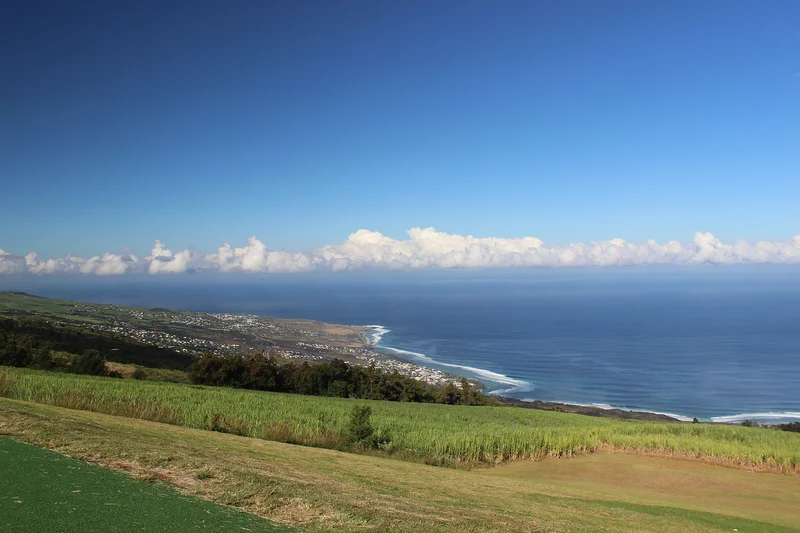
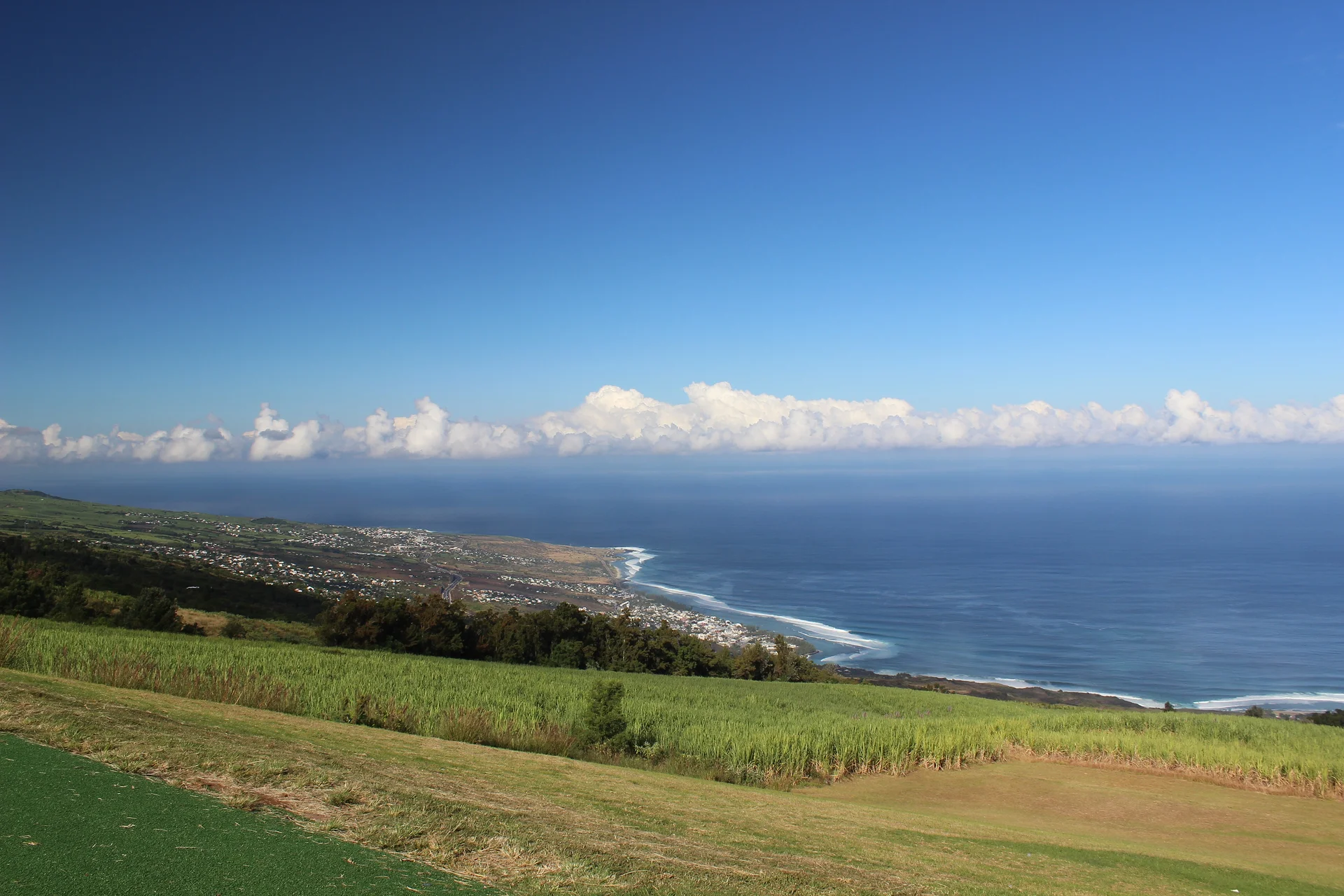
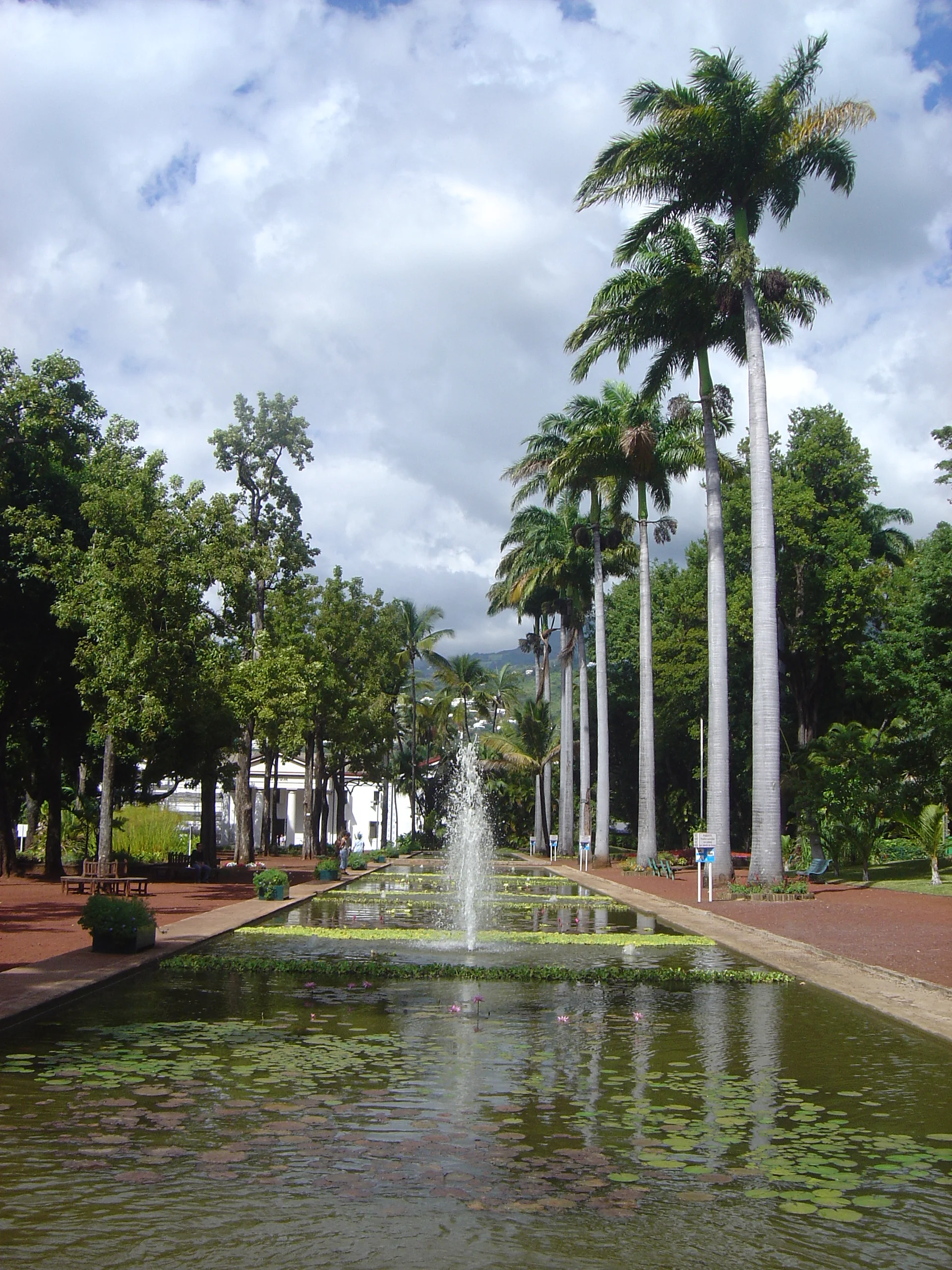
Fly 11 hours south from Paris and you land in France, in the middle of the Indian Ocean. But not just any France. An active volcano spits its lava several times a year, entire villages are only accessible on foot, and sharks patrol certain coasts. Across 2,512 km², the island packs in landscapes that have no business coexisting anywhere else on Earth. Lush tropical forests sit right next to lunar mineral deserts, and black sand beaches give way to turquoise lagoons.
Réunion, a paradise for hikers, not beachgoers
If you dream of endless beaches and doing nothing, book a ticket to Mauritius instead, a 45-minute flight away. Réunion is built for hikers and thrill-seekers. The island features over 1,000 km of marked trails, and 42% of its territory has been a UNESCO World Heritage site since 2010. It is a massive mountain dropped into the Indian Ocean, not a tropical postcard.
Another reality to keep in mind: people speak French and Creole here, and almost nobody speaks English. If you do not speak French, expect a few hurdles when trying to book a guesthouse or order at a restaurant. The rhythm of life is also distinct, as many shops close on Sundays and Mondays, and buses stop running early in the evening.
A comfortable budget for a French destination
Expect $90 to $135* per day for a couple, factoring in guesthouse lodging at $68-$102* a night, restaurant meals at $17-$29*, and car rentals starting at $230* for the week. Activities drive the tab up quickly, with canyoning or paragliding at $68-$102* and helicopter flights starting above $230*.
The cirques, cathedrals of rock and mist
Three gigantic cirques occupy the heart of the island, carved out by erosion around the Piton des Neiges, the highest peak in the Indian Ocean at 3,071 metres. Each one possesses its own distinct personality and deserves several days of exploration.
Mafate, the cirque without roads
Mafate is only accessible on foot or by helicopter. No roads lead in. Around 800 people live here in tiny settlements like La Nouvelle or Marla, where all supplies arrive by air. Children have to leave the cirque after finishing primary school. The name supposedly originates from a maroon leader who took refuge here in the eighteenth century.
Friendly tip: book your guesthouses well in advance by phone, withdraw cash before heading out, and pack plenty of water. The hamlets of Mafate have no ATMs and no reliable cell service.
Cilaos and Salazie
Reaching Cilaos means navigating a legendary road with over 400 turns. The village, perched at 1,200 metres, maintains the feel of a thermal spa town framed by Creole cottages. It serves as the ideal base camp for tackling the Piton des Neiges, typically starting at night from the Caverne Dufour refuge to hit the summit at sunrise.
Salazie, the greenest and wettest of the three, features roughly a hundred waterfalls, including the Voile de la Mariée visible straight from the road. The village of Hell-Bourg, ranked among the most beautiful in France, preserves stunning Creole houses surrounded by flowering gardens.
Piton de la Fournaise, hiking an active volcano
The Piton de la Fournaise stands among the most active volcanoes on the planet, with several eruptions each year. Its lava flows regularly march toward the sea along the Grand Brûlé. The classic hike starts from the Pas de Bellecombe at 2,311 metres. Count on 5 to 6 hours round-trip to reach the Dolomieu crater, covering 13 km with 500 metres of elevation change.
The trail first crosses the Plaine des Sables, an ochre and purple mineral desert that feels like Mars. Head out before dawn to beat the clouds. Always check trail conditions on the ONF website, because volcanic activity will close access to the crater.
The coastline, between protected lagoons and wild shores
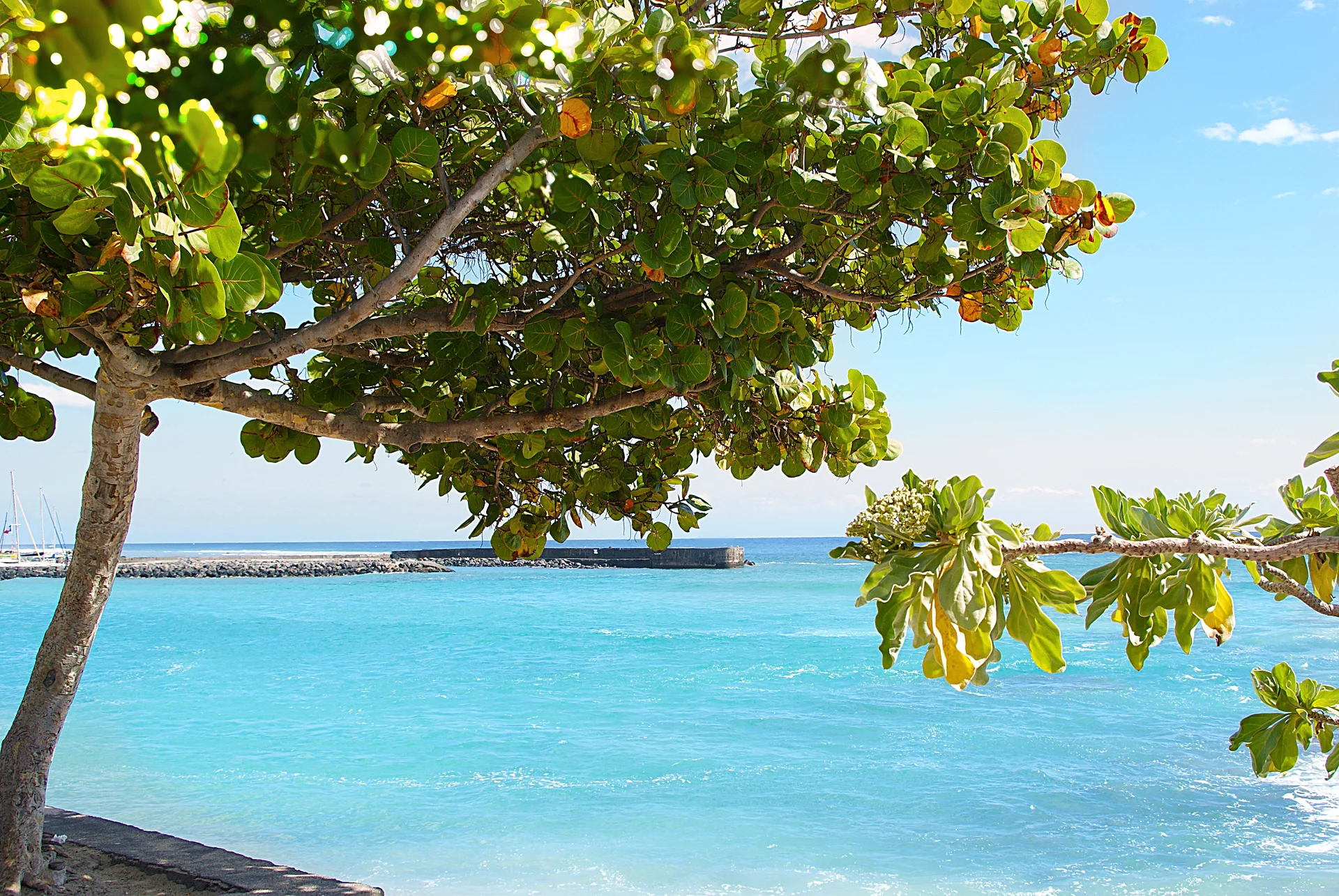
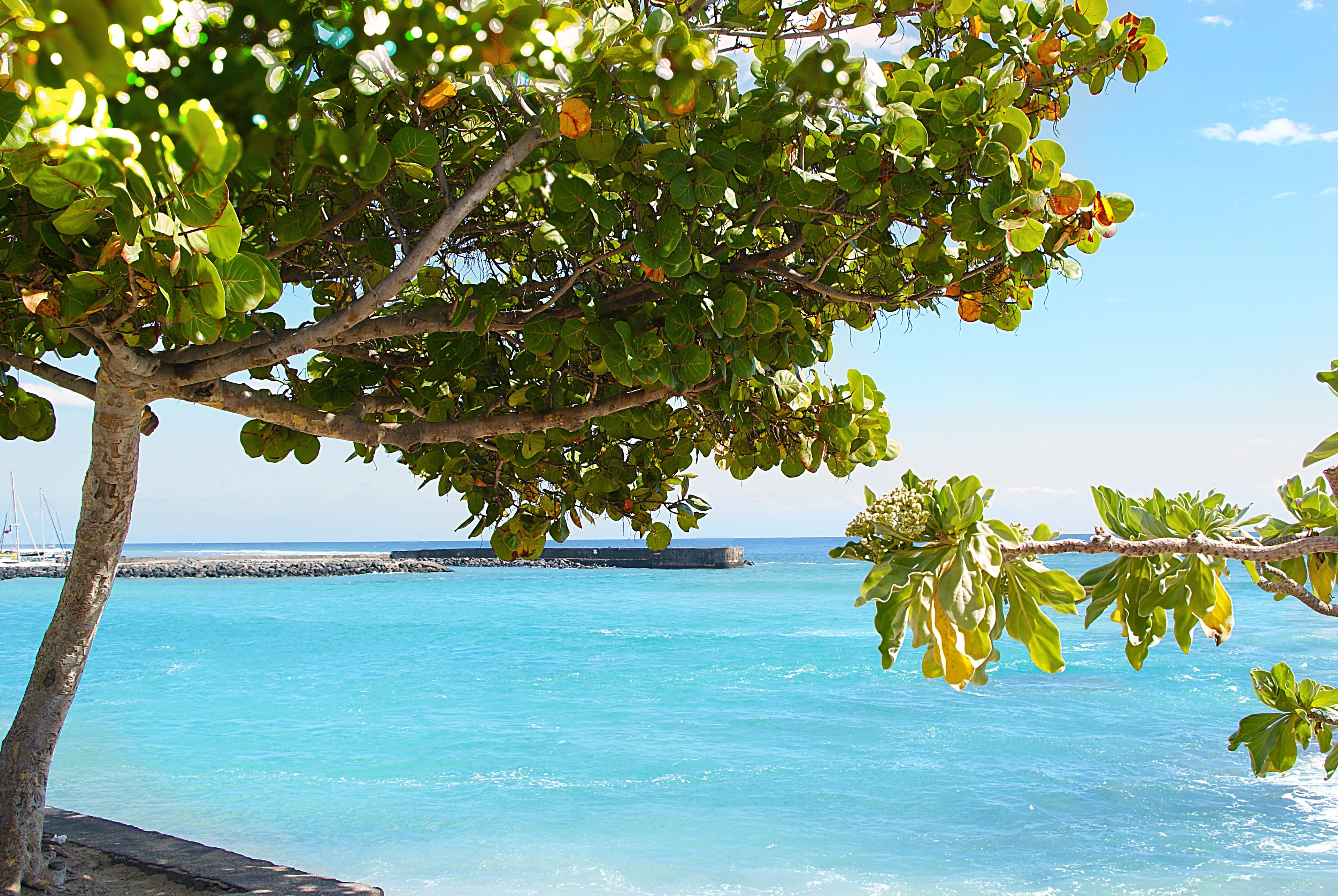
Beaches cluster along the west coast, stretching between Saint-Paul and Saint-Leu. A coral reef creates calm, protected waters at l'Hermitage-les-Bains, Saint-Gilles, and Boucan-Canot. This is the only safe swimming zone on the island, equipped with shark nets.
Bull sharks are a real presence here. Between 2011 and 2019, Réunion accounted for roughly 16% of fatal shark attacks worldwide. Swimming and surfing are banned outside marked zones. Down south, the beach at l'Étang-Salé, covered in black volcanic sand, delivers striking views but no swimming.
Unforgettable experiences
Canyoning through the gorges of Salazie or Cilaos lets you rappel down vertigo-inducing waterfalls. Paragliding out of Saint-Leu offers ocean-view flights with over 300 flyable days a year. From June to October, humpback whales arrive to calve, and several operators offer the chance to swim alongside them for about $85*.
On the plate: curry every day
Cari, the local take on curry, forms the baseline of everyday meals. Chicken, pork, or fish simmer with onions, ginger, tomatoes, and fresh turmeric. Rice is served alongside grains, a local term for beans or lentils, and a spicy rougail. Rougail saucisse holds a sacred spot in local cuisine: smoked sausages cooked down in a spicy tomato sauce.
For pre-dinner drinks, samoussas, bouchons, and bonbons piments pair with a glass of homemade rhum arrangé infused with ingredients like bourbon vanilla, lychee, Victoria pineapple, or ginger. The markets in Saint-Paul on Friday and Saint-Pierre on Saturday overflow with tropical fruit and spices.
When to visit Réunion?
The austral winter, running from May to October, brings dry, cool weather ideal for hiking. Temperatures stay pleasant on the coast and drop significantly at higher altitudes. This is also prime whale-watching season.
The austral summer, from November to April, turns things hot and humid, with cyclones possible between January and March. Trails turn muddy and viewpoints vanish into cloud cover. Avoid French school vacation periods, as the island fills up and lodgings book out completely.
How to get to Réunion?
Roland Garros Airport in Saint-Denis handles flights from mainland France, which is the only realistic way in from North America: you connect in Paris. Air France, Air Austral, Corsair, and French Bee fly the direct route in 11 hours. Expect $570 to $1,020* round-trip depending on the season. From Mauritius, 45-minute flights cost $90 to $169*. US, Canadian, and UK passport holders need no visa for stays under 90 days, as Réunion applies French entry rules.
Getting around Réunion
A rental car is an absolute must. The Car Jaune buses serve coastal towns for $2.30*, but they do not climb up to the volcano or the trailheads, and they stop running around 7 PM. Budget $230 to $400* a week for a car. Gas costs less here than on the French mainland.
For Mafate, your own two legs or a helicopter are your only options. Companies like Hélilagon and Corail Hélicoptères run transfers and scenic flights ranging from $230 to $400*.