
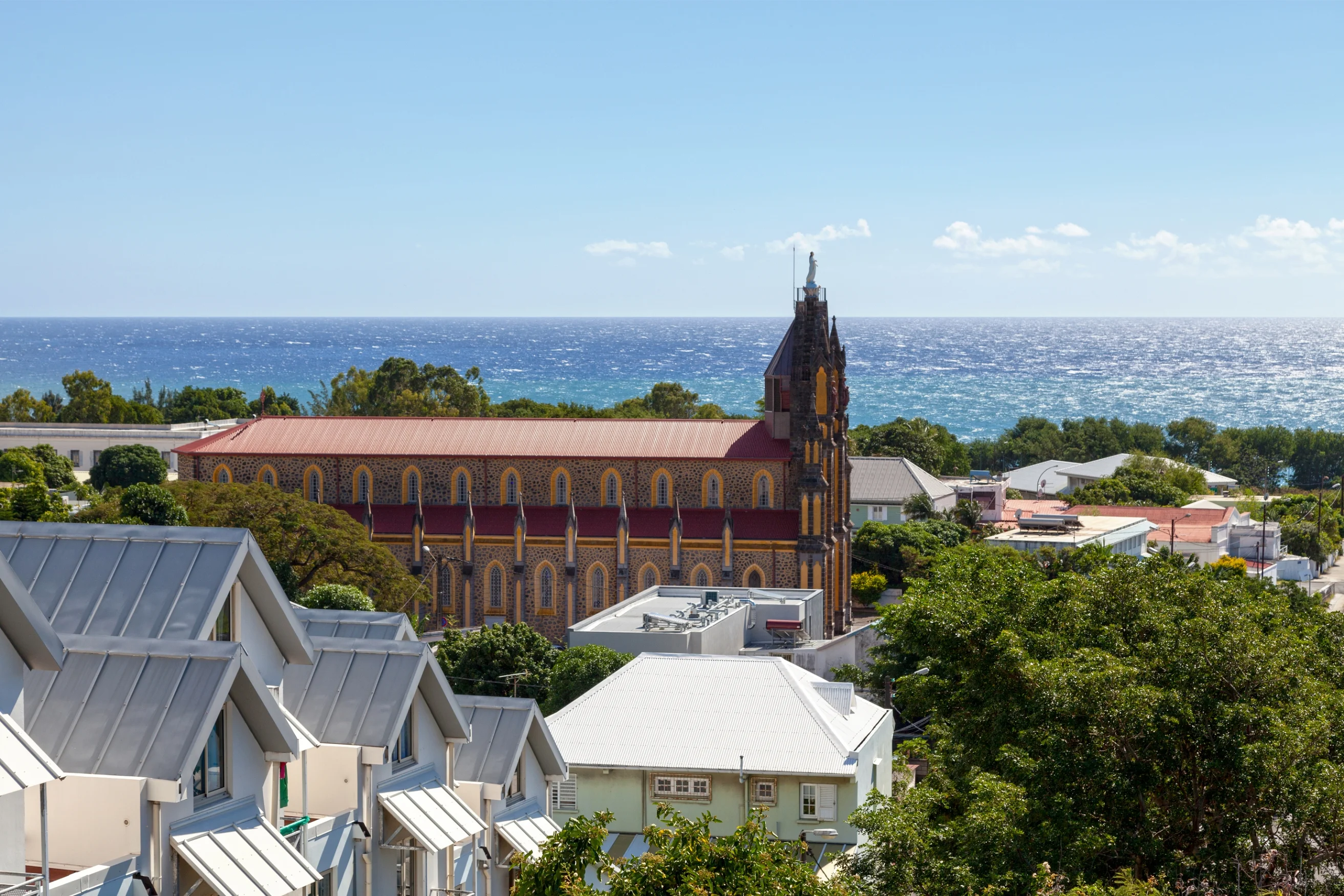
Saint-Denis at a glance
As the capital of the French overseas department of La Réunion in the Indian Ocean, Saint-Denis serves as the island's primary economic and administrative hub. While it is often just a transit point for travelers, the city holds its own with a distinct colonial history, local museums, and Creole culture. You will find a harmonious mix of religious architecture, including churches, a mosque, and a Tamil temple, which mirrors the island's diverse and spirited population. The Jardin de l'État, the Barachois, and rue Maréchal Leclerc are the city's main landmarks. Beyond the city center, you can head to the beaches of Saint-Leu and l'Ermitage, which are protected by a coral reef, or hike into the island's interior cirques, with Salazie being the most accessible. Be sure to sample local specialties like spicy carry, samossas, and vanille du pays (locally grown vanilla).
The climate is tropical and kept comfortable by the trade winds. Temperatures remain mild year-round, with winter averages around 77°F (25°C) and summer highs near 84°F (29°C). Keep in mind that the seasons are the reverse of those in the Northern Hemisphere.
A commercial waterfront and residential heights
Start on avenue de la Victoire to reach the grand ochre town hall, constructed in 1860. You might notice it features two identical entrances; these were built to prevent two rival politicians from having to use the same door upon arrival. At the corner of rue de Paris sits the Tuscan-style Immaculée Conception chapel. This neighborhood is home to stunning Creole mansions like the Maison Carrère, which now houses the tourist office, and the Artothèque, an art center dedicated to regional creators. Nearby, the Cathédrale once served as a tribunal during the slave revolts in Saint-Leu. For a break, head to the Jardin de l'État, a 10-acre park designated as a historic monument. Another option is Champ-fleuri, which features a fitness trail and playgrounds. Art enthusiasts should visit the Musée Léon-Dierx, which holds a private collection of around 2,000 works.
If you are traveling with children, take them to the Museum d'histoire naturelle. They can see extinct species like the dodo, the island's symbol, and the coelacanth, a prehistoric fish from Mozambique. The library is also worth a look.
Come evening, stroll along the Barachois, which means "small shelter" in Malagasy. This waterfront esplanade, lined with cannons facing the ocean, hosts free jazz concerts on the second Saturday of every month. On the square, you can see the Préfecture, a building dating back to the East India Company in the 18th century.
A multicultural and active atmosphere
Walking down Maréchal Leclerc offers a snapshot of the island's ethnic diversity. This busy shopping street is lined with vendors selling Indian saris, Chinese trinkets, and tech gear. At number 32, you can visit the first mosque built in France, dating to 1905, and at number 230, you will find a colorful Tamil temple. Don't miss the main market for stalls filled with tropical fruits and local goods.
The sentier de la Providence is a 3-mile trail that is part of the GRR2 route and runs through the forest of the same name. Given its significant elevation gain, it is a favorite for experienced hikers. An alternative is the sentier de la Cascade Maniquet.
When to go?
The best time to visit Saint-Denis is from April to October.
How to get there?
The local airline Air Austral operates 12 direct flights per week from Paris. Through a partnership with TGV air, they also provide connections to 19 provincial cities. Air France and Corsair also service the island. You can also transit through Madagascar via Air Madagascar or Mauritius with Air Mauritius.
How to get around?
Walking is the best way to explore Saint-Denis.
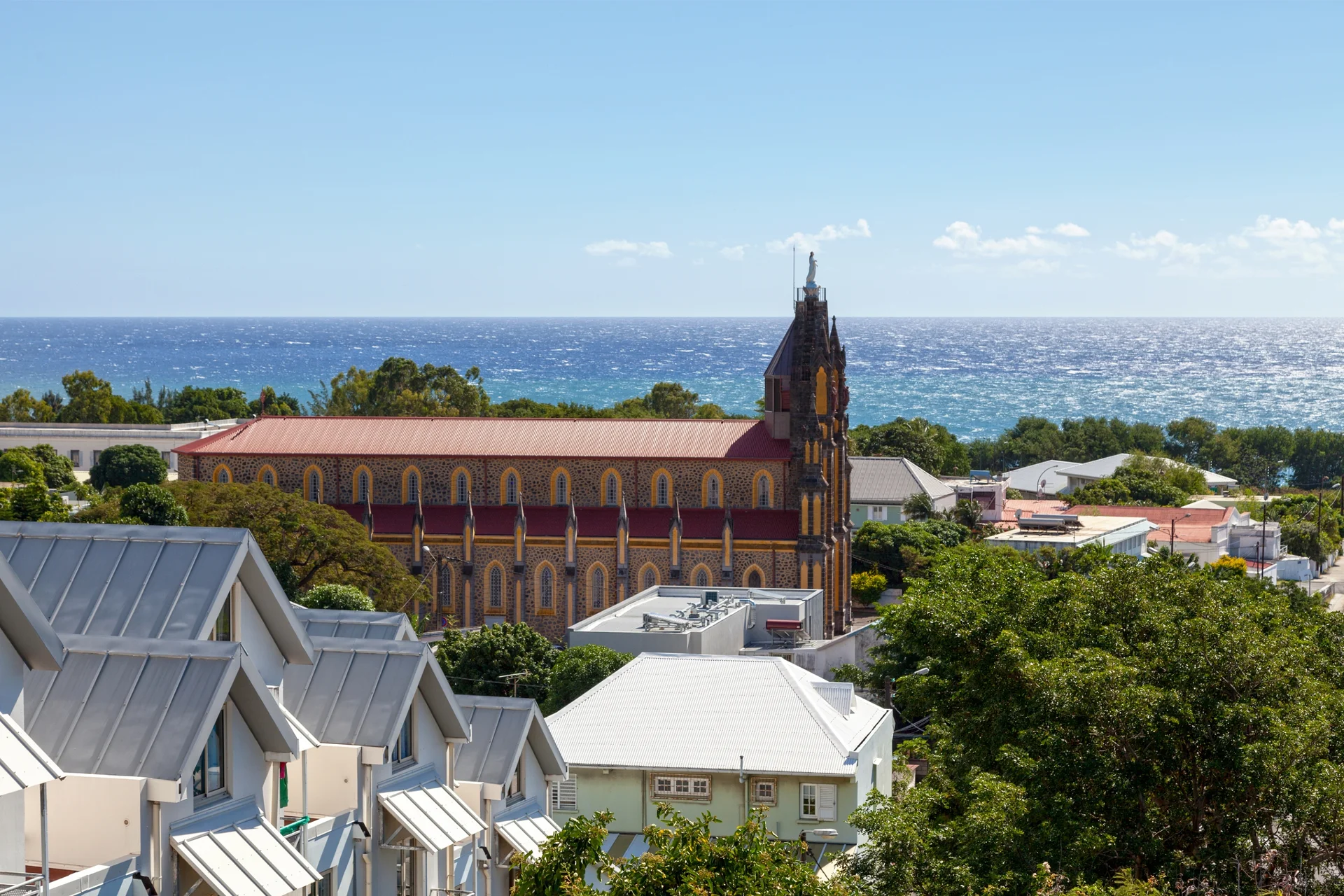
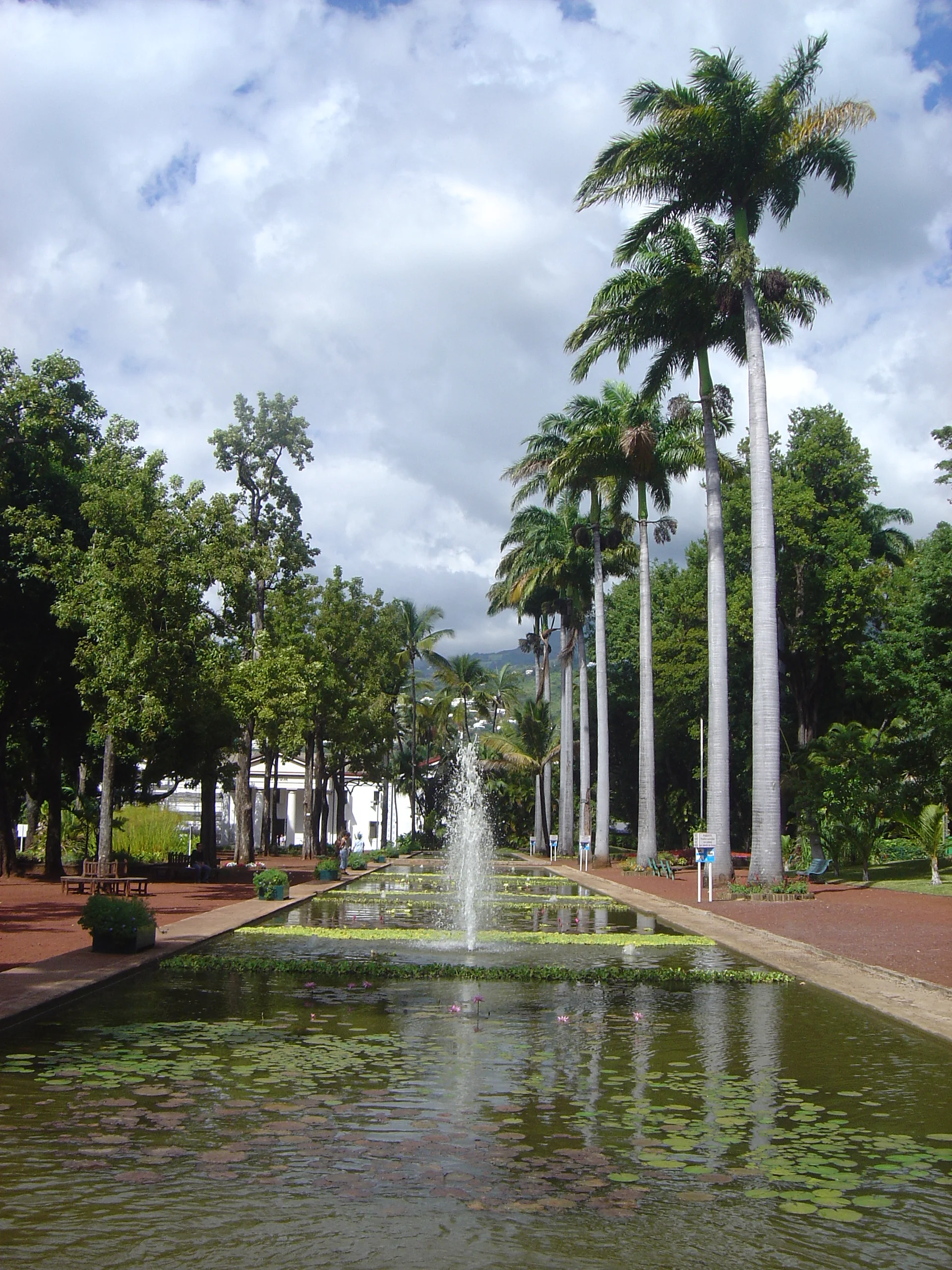
Lively, cosmopolitan, European, Creole, African city, with shops, restaurants, clubs, concerts, exhibitions... You can easily relax, have fun, rest, and above all stock up before taking on the many athletic excursions you can do on Reunion Island!