
Madagascar was a trip I’d been looking forward to for a long time. I knew the colors and landscapes would surprise me, but I have to say, I wasn't prepared for such incredible diversity.
Ambatofotsy
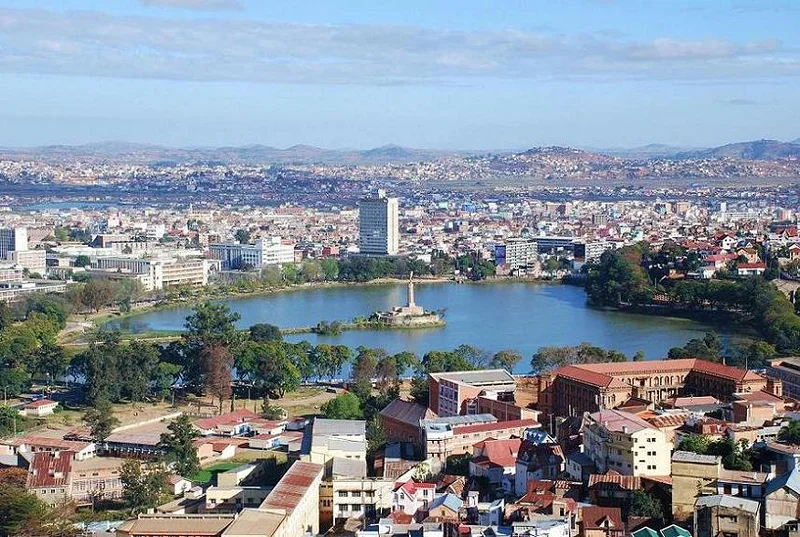
Ambatofotsy is one of the most picturesque villages in the area surrounding Antananarivo, located just a few kilometers from the city. The village stands out for its traditional old houses, narrow alleys, and the stone walls known as Tambohos. These highlands of Madagascar make up the Imerina region. You can really feel the passage of time here; it’s like being transported to an ancestral world. It’s easy to see why this is the final resting place of one of Madagascar’s most famous poets, Jean Joseph RABEARIVELO (1903-1937). He likely found all his inspiration in these surroundings. “Ny Fasako fasako ihany, fa ny foko dia Fasana koa”: “My tomb is still my tomb, but my heart is another,” an epitaph that seals his memory forever. If you head a bit north of Ambatofotsy, near the village of Manandriana, you’ll also discover the Radama Tamboho. Corner turrets dating back to the early 19th century fortify the walls, which once served as storage for rice collected through royal taxes. By the way, it’s also in Ambatofotsy that the Le Carat hotel chose to set up shop. The site is truly unique, beautiful, and easy to reach.
Accommodation in Ambatofotsy and visiting Parc Gasikara
 During my time in the area, I booked a bungalow at the Le Carat hotel. It was named after a flower, just like all the others. You can really sense a commitment to preserving Malagasy culture here; the entire property is a testament to it.
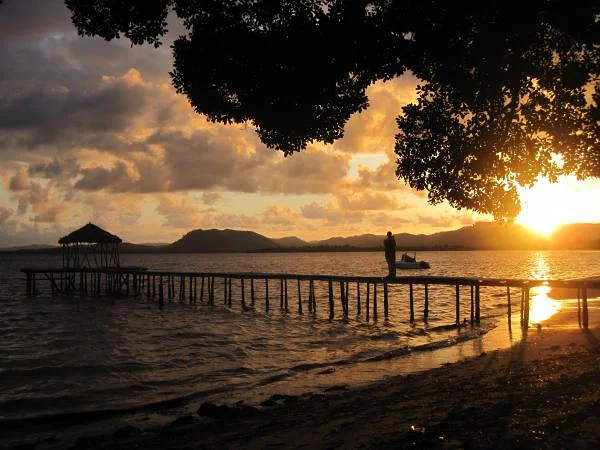
The establishment was previously just a roadside restaurant specializing in game meat. In fact, the owner was a hunting enthusiast, and it wasn't until ten years later that he moved to its current location. Le Carat sits right across from lake Ambodivary, which the managers have put to great use. Canoes, motorboats, and pedal boats are all available for a trip on the lake, and I have to admit, watching couples drift by is quite romantic. This hotel has everything needed to delight its guests. In the lobby, a giant scale model of the park creates a lovely backdrop, the armchairs are made of endemic hardwood, and a display case showcases local handicrafts. Le Carat has ten rooms, and the staircase you have to take to reach them is completely unique and opulent. There are also 9 bungalows lined up on two levels, and each room is very well-equipped. Hibiscus, dahlia, orchid, or tulip, which would you choose? Each bungalow can accommodate three to four people, so you can easily stay there with friends or family. The restaurant is also open to everyone and offers a magnificent view of lake Ambodivary.
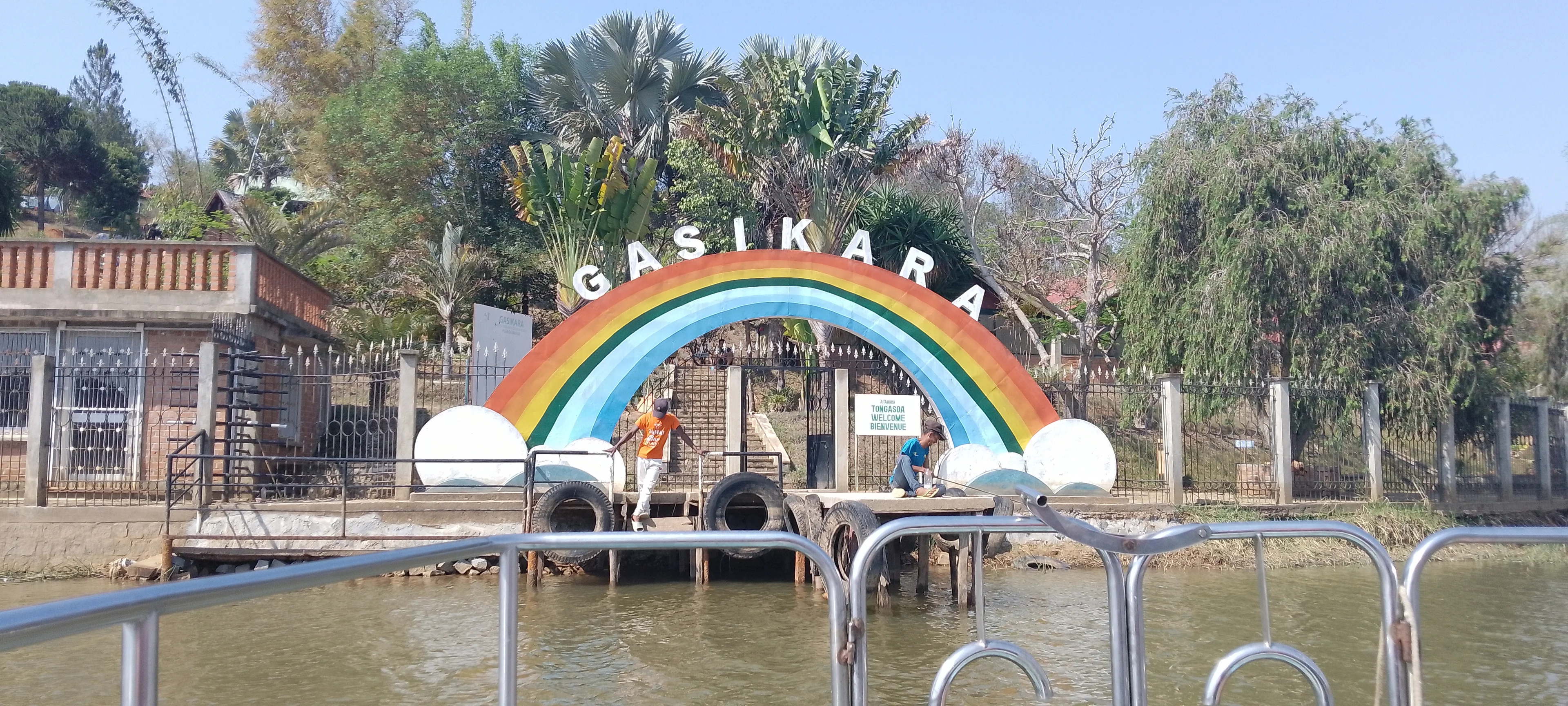
Furthermore, Le Carat is also very famous for its precious Parc Gasikara located on the hill just opposite. To get there, you have to cross the lake bordering the hotel by boat. This park was designed to represent Madagascar across 3 hectares. It’s divided into three sections, where you can discover the island through various exhibition halls. The Rova que Rado hall, dubbed “Ny Any Aminay” by one of the island's poets, lets you admire models and wall displays that will guide you through a journey back in time. You’ll pass through Manjakamiadana as well as the Tsinjoarivo Queens' Resort Palace. You’ll also discover the Voaharizeny hall, dedicated to bonsai plants. Here, you’ll find completely unknown species, classified and listed by province. This park showcases the most beautiful sites that have made the Great Island famous, including those of Tsingy and Bemaraha. The most impressive part is how scenes of daily Malagasy life have been recreated: painted cement zebus, unique habitats representing every region, Malagasy women busy with their chores, and many other slices of life. At the top of the park, there is a mini-zoo where you can meet all kinds of lemurs, Madagascar’s iconic animal, such as the famous Ring-tailed Lemur. Other animals also represent the island, like tortoises and various birds.
My stay at the Le Carat hotel was a unique experience. The staff is charming and helpful, always attentive and ready to assist.
Ambatolampy: the gateway to the Ankaratra
Continuing my journey toward Ambatolampy, I made more discoveries that I invite you to follow along with. The village of Ambatolampy is 68 km from Antananarivo, about an hour's drive. It sits at the gateway to the Ankaratra volcano, and you can visit many sites that marked the history of Madagascar’s sovereigns. The Rova of Tsinjoarivo, at an altitude of 167 m, is nestled in a dense eastern forest and offers a unique viewpoint. Very close to the Onive waterfalls, this spot once hosted a country residence for Queen Ranavalona I. A Rova was built there in 1884, though she only ended up staying there three times.
Additionally, Ambatolampy is also very famous for its artisanal production of aluminum pots. If you’re as curious as I am, you’ll definitely want to visit one of its traditional workshops for kitchenware. It’s truly remarkable to see what the artisans of Ambatolampy can do with old car engine blocks and gearbox casings! A single day is enough for them to craft about thirty pots of different sizes. There is also a private museum in Ambatolampy. The Nature Museum, "la Cigale et la Mygale", exhibits all kinds of beetles and butterflies from Madagascar as well as from other countries. But the most wonderful thing is that it combines mutual aid and culture, because when you visit the museum, you’re helping young Malagasy people gain access to education.
Madagascar is a fantastic, vast island, overflowing with sites to discover. For my part, one trip just isn't enough to see it all. I’ll definitely have to go back.

Une petite précision sur le village d'Ambatofotsy, il existe deux villages portant ce nom:
- celui où se trouve le tombeau de Jean Joseph Rabearivelo et qui est célèbre pour ses "tamboho" (près du village de Manandriana)
- celui où il y a l'hotel Le Carat (sur la RN7 ou Route d'Antsirabe).
Eh oui, un seul voyage ne suffit pas pour tout voir, je suis ravie que notre île vous a plu.