
Antananarivo, the city of a thousand red hills
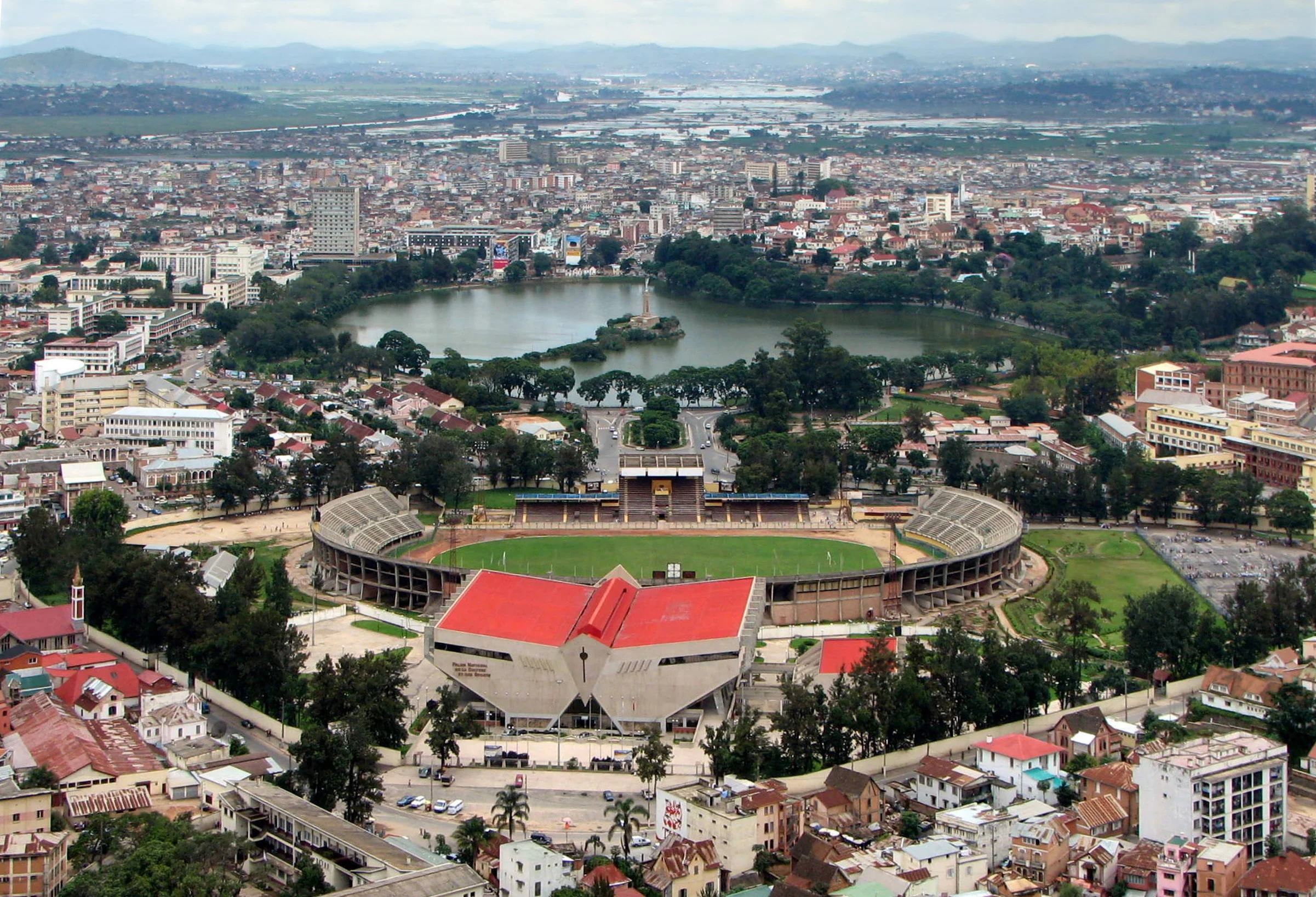
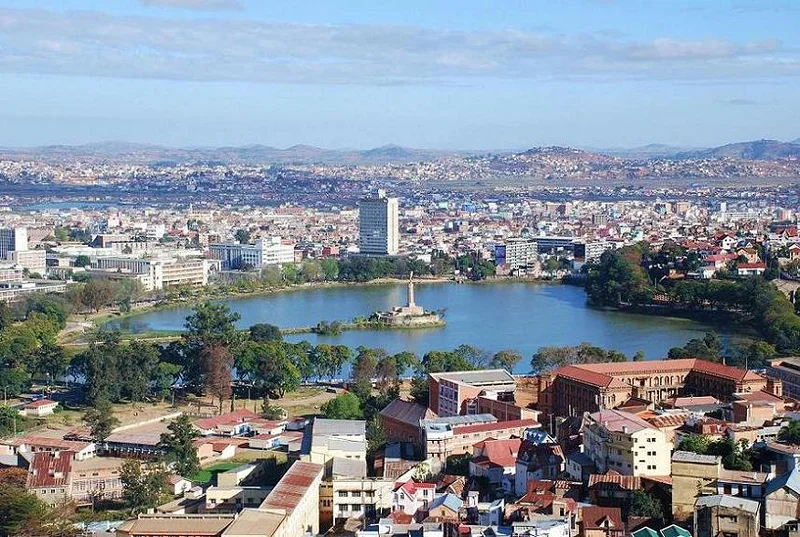
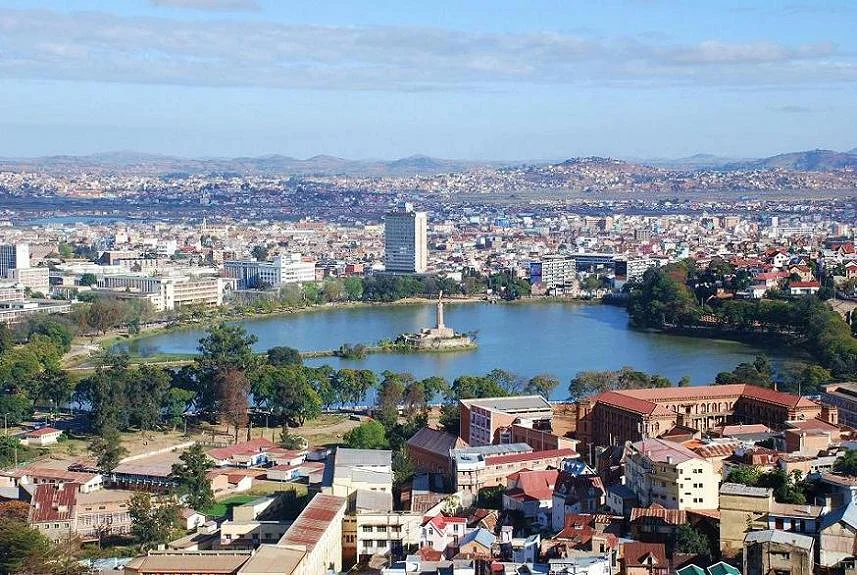
Locals do not say "Antananarivo" in casual conversation, but simply "Tana". The Malagasy capital stretches across twelve hills, featuring cobblestone alleys so steep they often turn into staircases. The dominant scent at the market is vanilla blended with red earth, the characteristic laterite of the Malagasy Highlands.
Is this destination right for you?
Tana appeals to travelers who accept imperfection as part of the trip. Heavy traffic, cracked sidewalks, visible poverty: nothing is glossed over for tourists. In return, the city offers rare intensity, crumbling colonial architecture with a certain grace, and a warmth among locals that often catches visitors off guard.
If you are looking for an organized capital with modern infrastructure and a relaxed pace, you risk disappointment. Tana is not a comfortable vacation spot, serving instead as a decompression chamber before you dive into the rest of Madagascar.
Good fit for:
- Travelers curious about an authentic African capital far from polished tourist standards
- Fans of colonial architecture and lively markets
- Those transiting to the rest of Madagascar who want a smooth introduction
Not a good fit for:
- Travelers seeking urban comfort and a relaxed pace
- Short trips looking for a postcard-ready highlight reel
- People uncomfortable with visible poverty and heavy road congestion
A budget much more accessible than in Europe or the US
| Expense | Range |
|---|---|
| Night in basic lodging (guesthouse) | $9 to $17* |
| Night in comfortable lodging (3-star hotel) | $40 to $68* |
| Quick bite (local hotely) | $1.20 to $3.40* |
| Sit-down restaurant meal | $9 to $17* |
| Transport and activities per day | $12 to $23* |
Estimated rates subject to change
Practical realities: what to expect on the ground
Traffic jams in Tana are legendary. A two-mile trip can easily take an hour during rush hour. Give yourself plenty of time for transit, especially when heading to the airport.
The highland climate is cooler than the rest of the island. Southern winter nights from June to August can drop below 50 degrees Fahrenheit, a frequent surprise for anyone picturing a purely tropical Madagascar.
Is it safe to travel in Antananarivo?
Petty crime like pickpocketing and scams exists, particularly around crowded stations and markets. Avoid displaying valuables and take a taxi at night instead of walking. Nothing alarming if you stay alert, much like any major city.
Analamanga and the Upper Town
The Rova, an old royal palace perched on the highest hill, overlooks the city. Burned down in 1995 and partially restored, it primarily offers striking panoramic views over red tile roofs and the rice paddies below.
All around, the Haute-Ville (Upper Town) displays wooden balcony houses reflecting French colonial architecture mixed with Malagasy traditions. The staircases of Antaninarenina are worth the climb for the view.
Friendly tip: head up to the Rova in the late afternoon when the low sun casts an orange glow over the hills and the tourist crowds have cleared out.
Lake Anosy and the administrative center
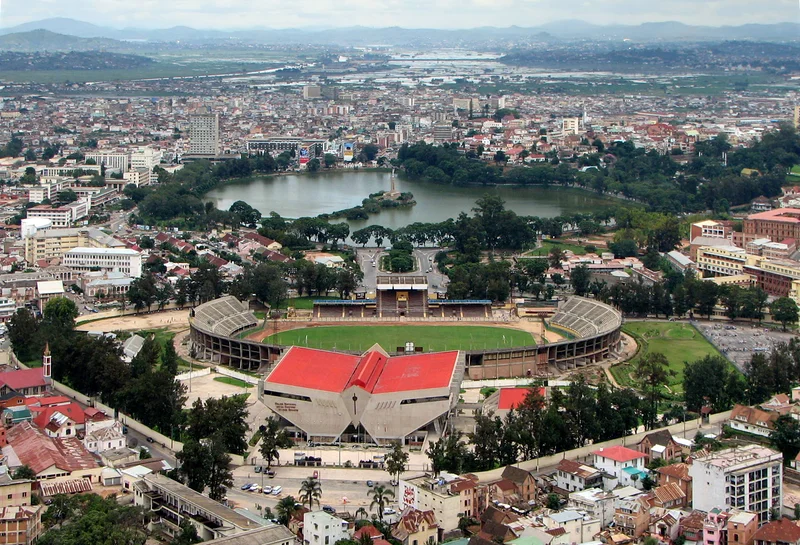
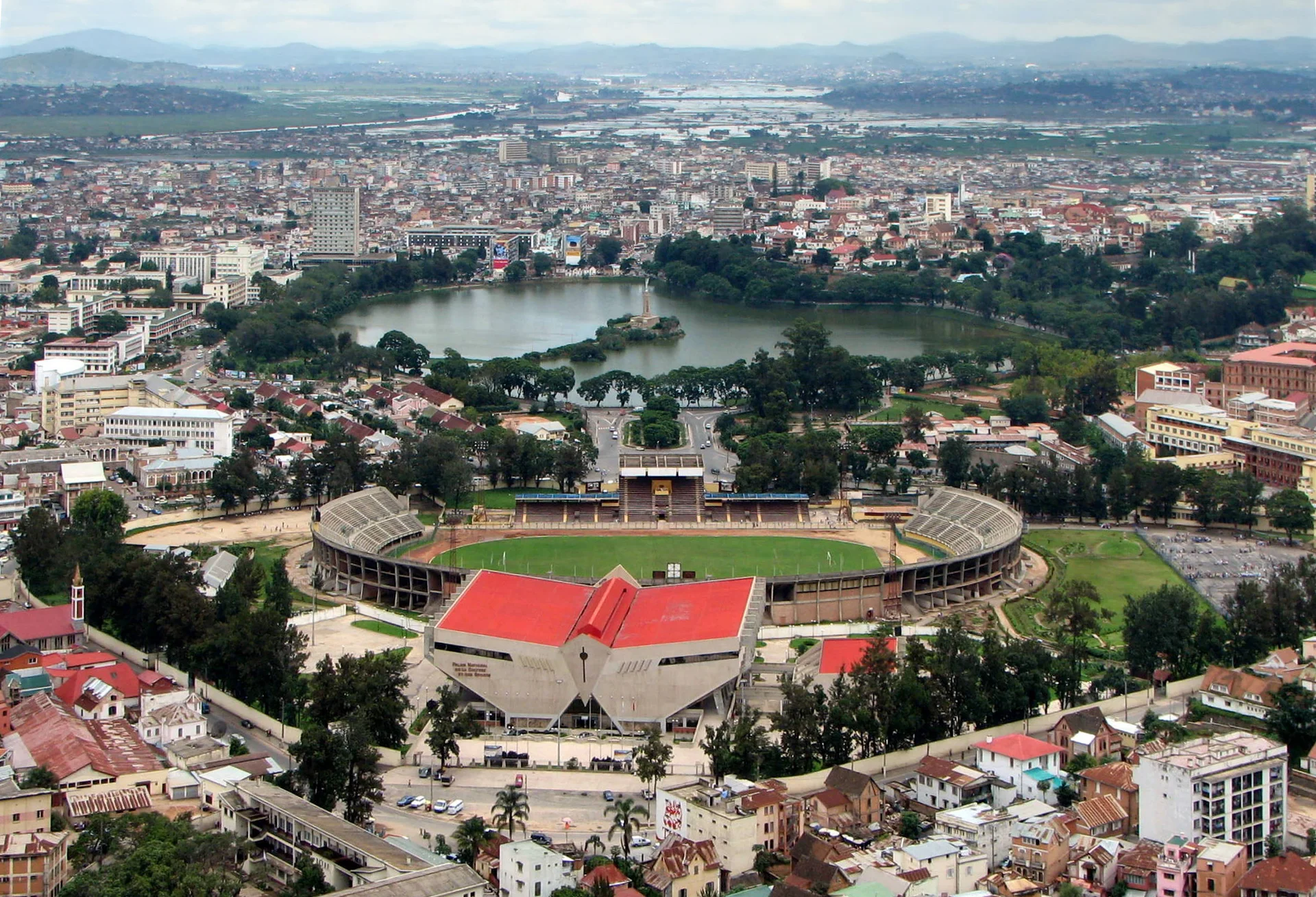
Lake Anosy, featuring a war memorial at its center, serves as an impromptu green space in the heart of the city. Locals gather here at the end of the day to walk or simply watch the world go by.
The neighboring district of Analakely concentrates economic activity with banks, government ministries, and grand boulevards inherited from the French colonial era.
The markets, the beating heart of the city
The massive and bustling Analakely market is worth a visit even if you do not plan to buy anything. Spices, fabrics, and local goods come together here for a concentrated dose of urban Malagasy life.
Even more authentic, the Zoma flea market sets up on certain days in nearby alleys, trading recycled goods and local oddities.
Where to eat and drink in Antananarivo?
The national dish, romazava (a beef stew with brèdes mafana greens), is served in small casual spots called hotely. Expect to spend just a few dollars for a hearty meal.
For coffee, Madagascar produces a well-regarded arabica. The best spots are often tucked away in the winding lanes of the Upper Town, far from the main drags.
Where to stay in Antananarivo and nearby?
The Haute-Ville around Antaninarenina and Faravohitra offers the best balance of colonial charm and security, featuring boutique guesthouses housed in historic buildings.
Near the airport, the Ivato neighborhood works well for a single night of transit before an early flight, with several decent standard hotels.
How to get to Antananarivo?
Ivato International Airport (TNR) handles international arrivals. There is no direct service from North America: most routings connect in Paris, where Air France and Corsair fly on to Tana in about 10 to 11 hours. Budget $790 to $1,350* round trip depending on the season.
How to get around Antananarivo?
Taxis-be (shared minibuses) cross the city for pocket change, but figuring out their routes takes some patience. Traditional taxis remain the simplest option for visitors, and you should always negotiate the fare before heading out.
Walking works fine in the Upper Town to explore the narrow streets, but avoid long walks after dark.
When to visit Antananarivo?
The dry season from April to October brings the most pleasant weather with sunny days and cool nights. Avoid January and February, when heavy seasonal rains can disrupt travel throughout the region.
I did not enjoy my short time in Tana.
Walking in the streets is not pleasant, between the filth, the dust, the pollution, the staring from men toward women, and the chaotic and dangerous traffic (forget about crosswalks giving pedestrians the right of way).
Leave the capital quickly to enjoy the natural treasures of Madagascar.