Désert marocain

Things to do in Morocco: 18 must-see attractions

Discover our members' favorite destinations in Morocco, plus reviews, practical info, and traveler photos...

The 5 most beautiful cities to visit in Morocco

Marrakech

#1 Marrakech +67

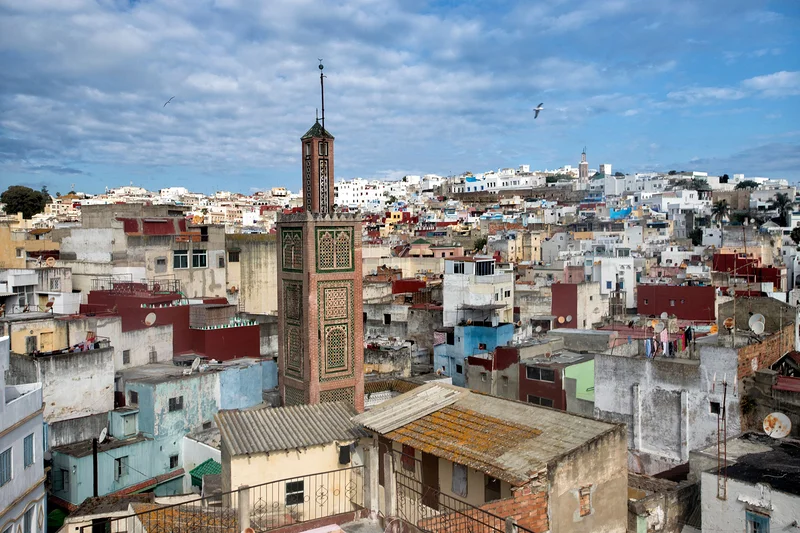
Marrakech is an assault on the senses. In the narrow alleys of the medina, the scent of cumin mingles with tanned leather as the call to prayer echoes from the Koutoubia. The red city offers labyrinthine souks, secret riads with tile-covered patios, and tanjia slow-cooked in hammam ashes. It is an intense, occasionally disorienting experience that stays with you.

Rabat

#2 Rabat +17

Morocco's capital sits right on the Atlantic coast, offering a side of the country that feels remarkably lived-in and authentic. Founded in the 12th century, this imperial city has moved past its museum-piece status to become a functional, thriving hub where you can get a real sense of daily Moroccan life.

At the heart of Moroccan history

The Kasbah des Oudayas is a UNESCO World Heritage site and Rabat's most essential stop. Walking through this former military fortification is a direct line into the country's political and cultural past. You can wander the narrow, whitewashed alleys and enjoy the surprising quiet of the kasbah, which sits just steps away from the Plage de Rabat. We also recommend the Musée de l'histoire des civilisations, which lays out the history of Morocco from prehistoric times through the contemporary Islamic era.

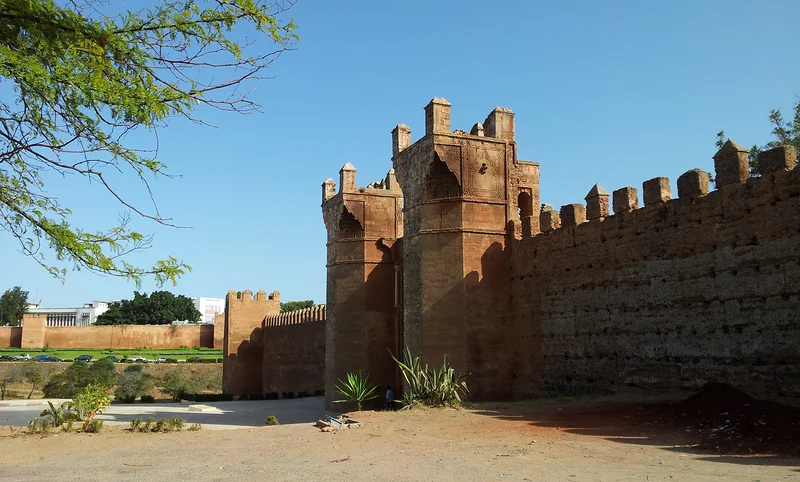
About two kilometers from the city center, you will find the nécropole de Chellah. Built on the ruins of an ancient Roman city, this site is atmospheric and layered with history. Look for the stork nests perched atop the crumbling tombs and take in the expansive view over the le fleuve Bouregreg. It is a peaceful, poetic spot rather than a somber one, and it is best visited at sunset when the light hits the ruins just right.

Life at the Moroccan pace

If you want to shop, head to the local souk de Rabat. It is far less crowded than the markets in Fès or Marrakech, allowing for a much more relaxed experience. You will find the best leather goods along the Rue des Consuls. If you feel like getting lost, duck into the side alleys to hunt for the best pastillas (savory meat and vegetable pies), traditional tajine, or, for those with a sweet tooth, chebakias (orange blossom, anise, and almond pastries), briwates (almond-filled triangles), and other regional confections.

To decompress after the noise of the market, head to the le jardin d'essais botaniques. Created in 1914, these gardens are the perfect place to embrace the local philosophy that those in a hurry are already dead. While the greenery is a great place to walk, we suggest skipping the swimming at the local beaches, as the sea is often rough and unfortunately prone to litter.

When to go

Rabat has an oceanic climate where temperatures rarely climb above 86°F (30°C), making it a comfortable year-round destination. To minimize the chance of rain and maximize the sunshine, plan your trip between May and October.

Getting there

There are numerous direct flights from Paris to Rabat, with prices ranging from 80 EUR (about $87) out of Paris-Beauvais to 200 EUR (about $217) from Orly or CDG.

Fez

#3 Fez +12

Fez holds its own against Marrakech, its more famous Moroccan sibling. This imperial city boasts a history stretching back over 1,200 years, and lately, it has cemented its reputation as a premier destination in the Maghreb.

The medina, a world apart

The heart of Fez is its sprawling medina, a UNESCO World Heritage site since 1981. It is the largest in North Africa, a labyrinth of more than 9,000 narrow alleys. While it sounds counterintuitive, getting lost in the medina, known as Fes-el-Bali, is the best way to see it. You enter through one of the fourteen sacred gates built in the 12th century that still encircle the old city. Bab-Boujloud is the most impressive, decorated with intricate blue and green tiles. The main commercial arteries, Talaa-Kbira to the north and Tala-Seghira to the south, are packed with food stalls and merchants, creating a sensory overload of noise, scents, and colors. Local cooperatives offer a look at the craft of argan oil production, traditional Moroccan pastries, and weaving. The Bou-Inania madrasa is the medina's architectural crown jewel. It is a masterpiece of carved bronze, painted cedar wood, onyx, marble, and tile. The Merinid Tombs are also worth the trek, if only for the sweeping view of the medina at sunset.

Mosques, festivals, and tanneries

The new city, Fes-el-Jedid, holds its own collection of significant landmarks. Karaouine is both the world's oldest university and a vital mosque. It is massive, capable of holding 20,000 worshippers. Since entry is restricted to Muslims, non-practitioners can only admire it from the outside. The Batha Museum, housed in a 19th-century summer palace, displays a fine collection of Moroccan art and crafts, including sculptures, Berber textiles, and musical instruments. Its Andalusian-style garden hosts the Festival of World Sacred Music every year. It is one of the largest festivals of its kind, drawing musicians from across the globe, alongside literary debates, film screenings, and exhibits. The Nejjarine Museum of Wooden Arts and Crafts is another essential stop.

The tanneries offer a truly unique experience. Near Place as-Seffarine, the Chouara Tanneries produce leather known for its durability. If you arrive in the morning, you can watch artisans working in the massive vats filled with natural dyes.

When to go

Fez enjoys mild weather year round, but spring and autumn are the most comfortable times to visit. Summer heat can be intense, often reaching temperatures that feel stifling. June is an excellent time to visit if you want to catch the Festival of World Sacred Music.

Getting there

Flights from Europe are frequent and quick. If you are flying from major hubs, you can often find competitive airfare during the off-season, with tickets sometimes starting as low as 40 EUR (about $44).

Casablanca

#4 Casablanca +3

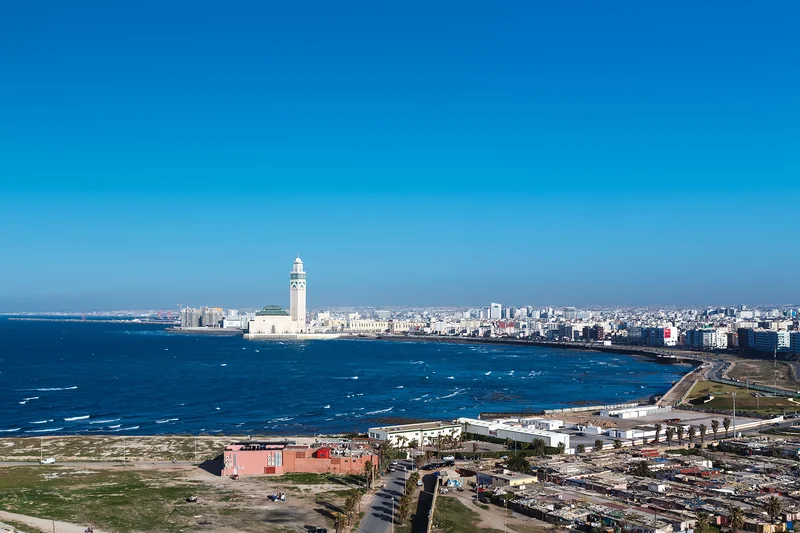
Casablanca is Morocco's largest city, blending high-rise modernity with deep historical roots. You can spend your morning at the Hassan II Mosque, which features one of the tallest minarets in the world, before wandering the traditional alleys of the medina. The city also showcases a striking collection of Art Deco architecture from the colonial era, while the Aïn Diab waterfront offers a coastal scene for relaxing that feels similar to a Pacific beach town.

Agadir

#5 Agadir +2

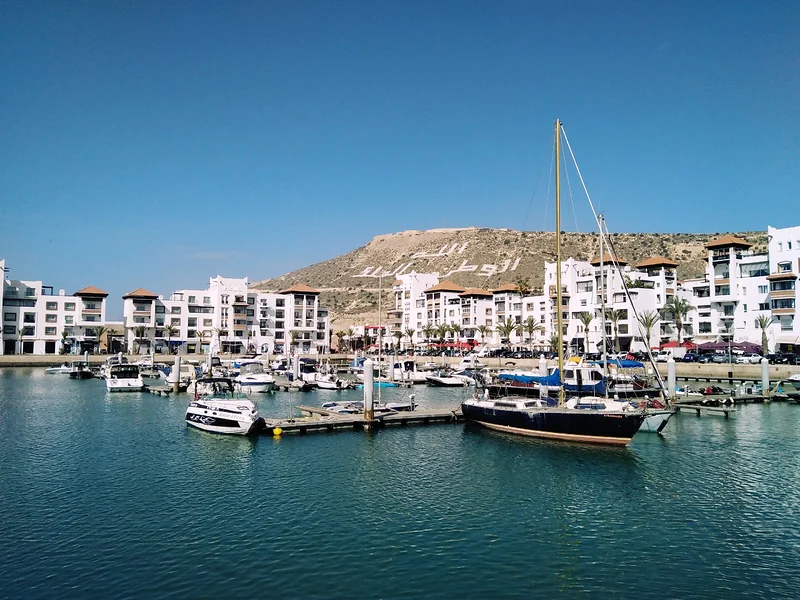
Agadir is a modern Atlantic city defined by its year-round mild weather and wide sandy beaches, offering a relaxed vibe that feels like a laid-back Southern California coastal town. You can dive into local culture at the bustling souk or the active fishing port, then head up to the Kasbah for a panoramic view of the bay. It is a straightforward spot for travelers who want comfortable amenities and local food without the intensity of a traditional historic medina.

Ranking of the 13 activities selected by our editors in Morocco

#1 Jemaa el-Fnaa (Marrakech) +17 4.2

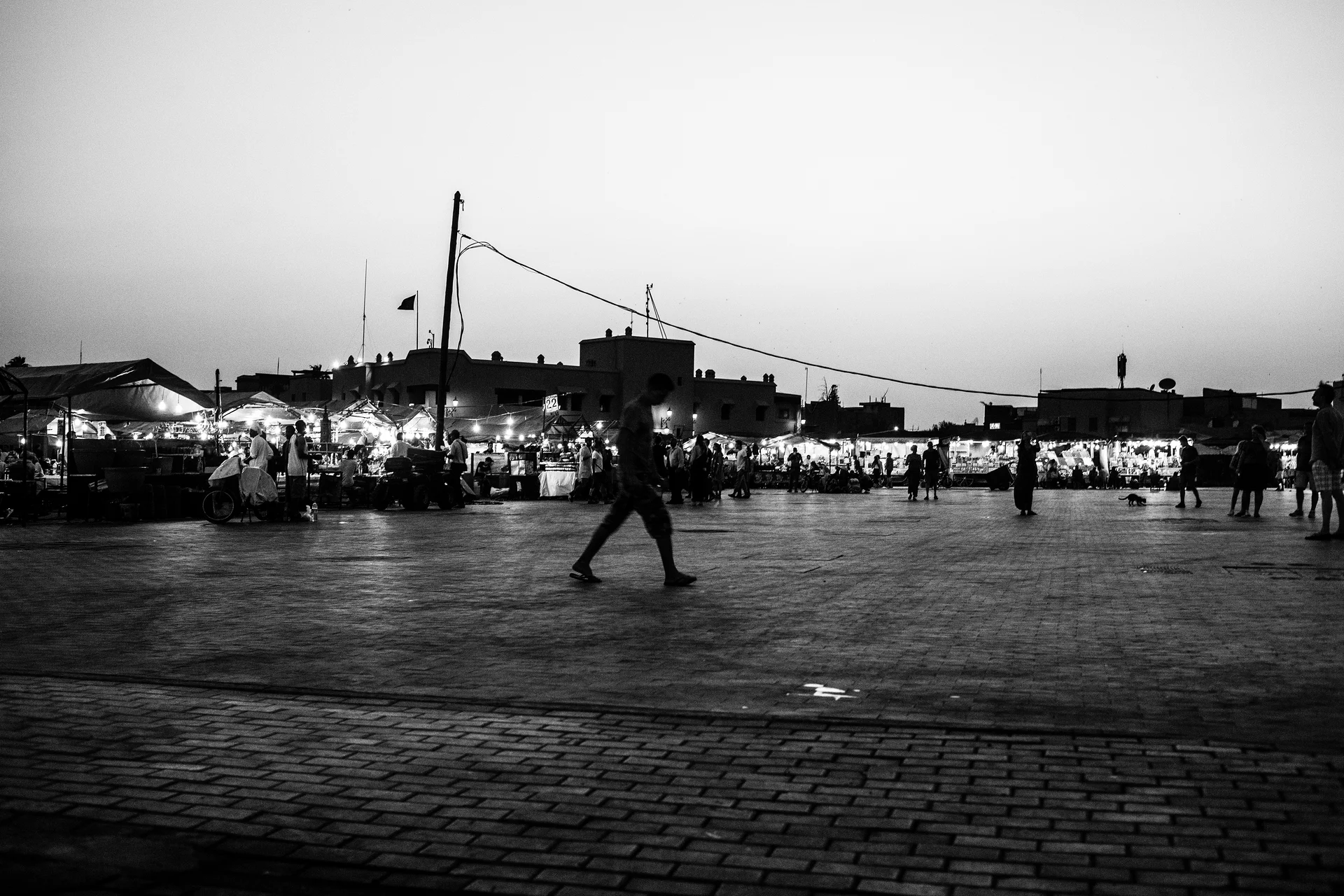
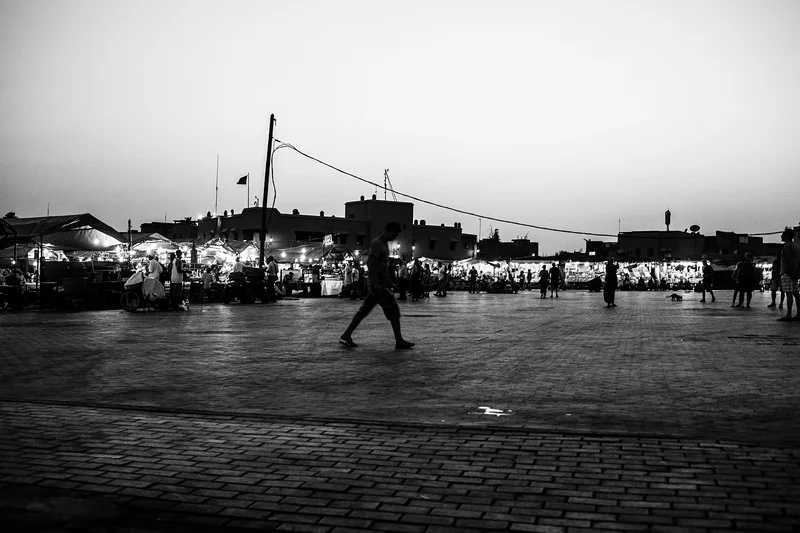
Jemaa el-Fnaa is the pulse of Marrakech, day and night. This UNESCO Intangible Cultural Heritage site offers a window into local folklore. By day, you will find fire eaters, snake charmers, and fortune tellers. At night, restaurant terraces fill the square, serving local staples like couscous and tajines.

See the guide See deals

#2 Hassan II Mosque (Casablanca) +7 4.5

The Hassan II Mosque in Casablanca is a modern architectural feat and one of the largest mosques on the planet. Its 210-meter minaret is the tallest in the world. Perched partially over the Atlantic Ocean, the site offers guided tours for non-Muslims to explore the prayer hall and elaborate ablution rooms.

See the guide See deals

#3 Koutoubia Mosque (Marrakech) +6 5

The Koutoubia Mosque, built in the 12th century by the Almohads, towers over Marrakech with its 252-foot pink sandstone minaret. As the city's largest mosque, its name honors the booksellers who once gathered at its base. Admire the landmark from the lush gardens or historic esplanade. Non-Muslims cannot enter, but the site remains the city's spiritual beacon.

See the guide See deals

#4 Chellah (Rabat) +4 4.5

Chellah is a Marinid necropolis built over an ancient city. Located just 200 meters from the Almohad walls in Rabat, this archaeological site has become a top destination in Morocco. It has hosted the Jazz au Chellah festival since 2005 and earned status as a UNESCO World Heritage site in 2012.

See the guide See deals

#5 Majorelle Garden (Marrakech) +3 5

Established in 1923 by French painter Jacques Majorelle and saved from demolition in 1980 by Yves Saint Laurent and Pierre Bergé, this 2.5-acre botanical garden in the Guéliz district is the most visited paid attraction in Morocco. Its iconic cobalt blue, 300 plant species, and two museums make it far more than a simple stroll.

See the guide See deals

#6 Maison de la Photographie (Marrakech) +3 4

Housed in a 19th-century funduq (traditional inn) in the medina since 2009, Maison de la Photographie holds over 10,000 photographic pieces spanning Morocco from 1879 to 1960. You will find glass plates, portraits, street scenes, and documentaries. It is quieter than the Jardin Majorelle, featuring impressive architecture and a rooftop with some of the best views of Marrakech.

See the guide See deals

#7 Volubilis (Moulay Idriss Zerhoun) +3 5

Morocco holds archaeological sites dating back to antiquity. Among the most significant is Volubilis, a Roman city built over a Punic-Berber settlement. Once the capital of the Kingdom of Mauretania, these ruins sit in the Saïss plain along the Rhoumane river, just outside the holy city of Moulay Idriss Zerhoun.

#8 Bahia Palace (Marrakech) +3 4

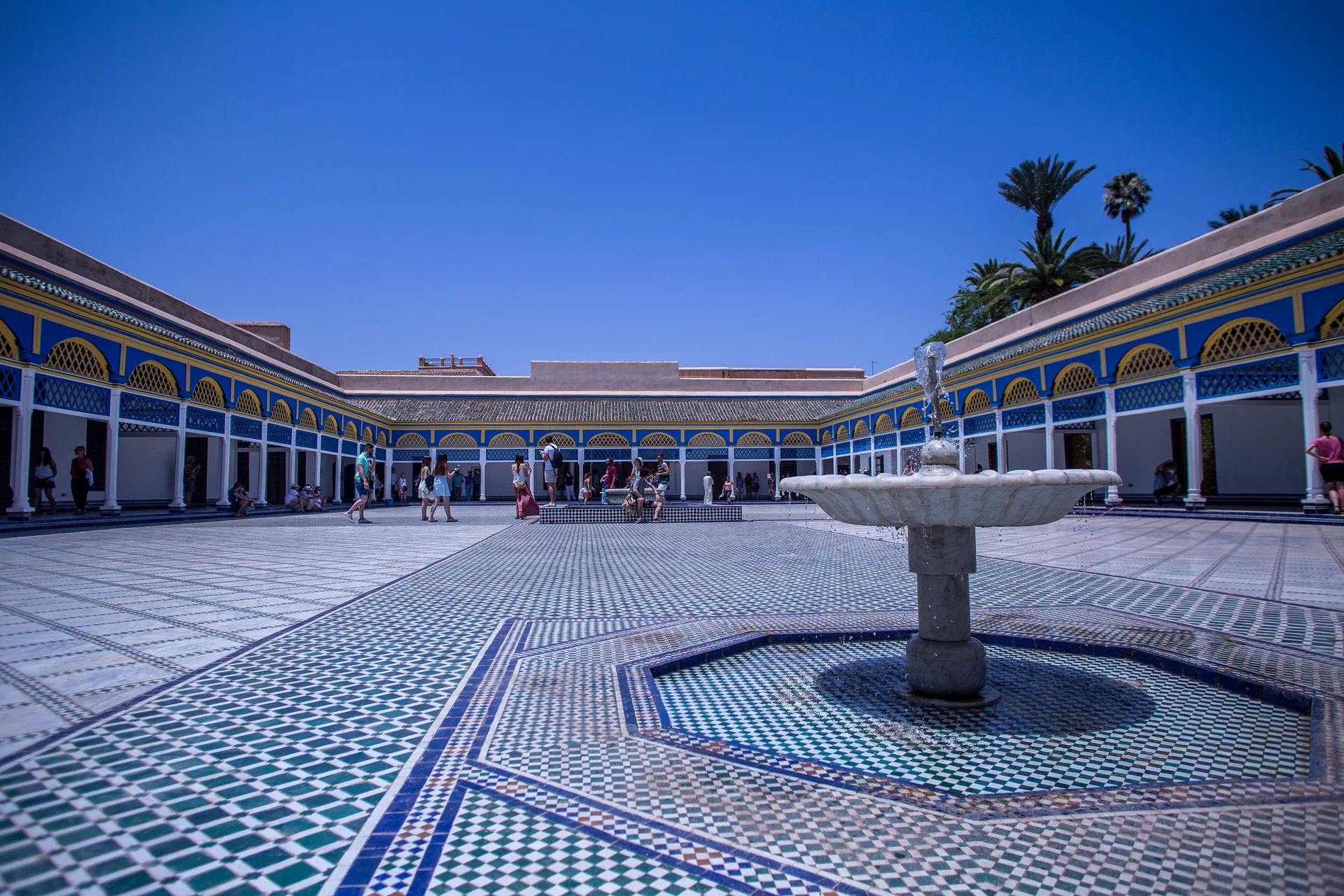
Bahia Palace showcases the 19th-century lifestyle of the Moroccan nobility across 160 lavishly decorated rooms. Painted ceilings, multicolored zellige tilework, carved stucco, and shaded gardens create a striking atmosphere. Built by the vizier Ba Ahmed, this architectural masterpiece offers an immersive look into the refinement of the Alaouite era in Marrakech.

See the guide See deals

#9 Prince Moulay Abdellah Stadium (Rabat) +1 5

The Prince Moulay Abdellah Stadium, rebuilt in 2025, leads the Moroccan sports scene with its 69,500 seats and a modern gold facade inspired by the palm trees of Rabat. As a host for the 2025 Africa Cup of Nations and the 2030 World Cup, it houses national team matches and the AS FAR club within a full sports complex.

#10 Kasbah of Chefchaouen (Chefchaouen) +1 5

Built in the 15th century, the Kasbah of Chefchaouen remains a primary landmark in Morocco. This fortress sits in the Place Outa El-Hamman, near the city grand mosque. Chefchaouen sits at an elevation of 600 meters in the Rif mountains, with the Kasbah serving as the historic center for the entire city.

#11 Ibn Batouta Stadium (Tangier)

As the largest venue for the 2025 Africa Cup of Nations with 75,500 seats, Ibn Batouta Stadium honors the famous explorer. Fully renovated between 2023 and 2025, it features a record-breaking 55,000 square-meter roof and stands moved closer to the pitch. Prepared for the 2030 World Cup, it hosts Ittihad de Tanger and international matches.

#12 Medina of Casablanca (Casablanca)

Rebuilt in 1770 following a devastating earthquake, the Medina of Casablanca is the newest in Morocco. Its architecture blends Arab-Muslim and European influences, reflecting a cosmopolitan past. Between buzzing souks, the Sqala bastion, the monotheistic triangle, and local shrines, it offers an authentic experience at the heart of the Casablanca economic hub.

See the guide See deals

#13 Mohammed V Stadium (Casablanca)

Mohammed V Stadium in Casablanca, opened in 1955, is the largest arena in Morocco with 67,000 seats. Home to rivals Raja and Wydad, it hosts major events like the CAF Champions League. Regularly updated with modern facilities, it remains the pulse of Moroccan soccer, delivering an intense atmosphere for every match.

Visiting Morocco: Where Africa, Europe, and the Arab World Collide

Morocco sits just nine miles from the southern tip of Spain, yet it feels like a completely different planet. The gap between Marrakech's packed medina and the dead silence of the Sahara is one of the most dramatic contrasts you'll find anywhere on earth, and you can experience both in the same week.

Cities With Real Character

Marrakech: The One Everyone Talks About

Marrakech earns its reputation. Start at Jemaa el-Fna square, where snake charmers, food stalls, and street musicians compete for your attention from morning until well past midnight. From there, lose yourself in the souks and the old medina, a UNESCO-listed maze of alleyways where every turn reveals something unexpected. Make time for the Majorelle Garden, a cobalt-blue botanical garden that was later owned by Yves Saint Laurent, and the Ben Youssef Madrasa, the largest Quranic school in Morocco, with some of the most intricate tilework you'll see anywhere.

Casablanca, Fes, and Meknes: Three Takes on the Same Country

Casablanca is Morocco's economic engine, a coastal city on the Atlantic with a mix of Moorish and Art Deco architecture that surprises most first-time visitors. The Hassan II Mosque is the main draw, one of the largest mosques in the world, with its minaret visible from miles offshore. The city has the most active restaurant and nightlife scene in the country.

Fes is worth the trip almost entirely for its medina, which is genuinely labyrinthine in a way that even Marrakech isn't. Don't stress about getting turned around. That's part of it. Every June, the city hosts a major world sacred music festival that draws performers from across the globe.

Meknes is often skipped, which is a mistake. This imperial city has massive monumental gates and a slower pace that makes it a good counterpoint to the more tourist-heavy stops.

The Sahara: Bigger and Quieter Than You Expect

The Sahara is the largest hot desert on earth, and Morocco gives you access to some of its most accessible and photogenic stretches.

The Dunes

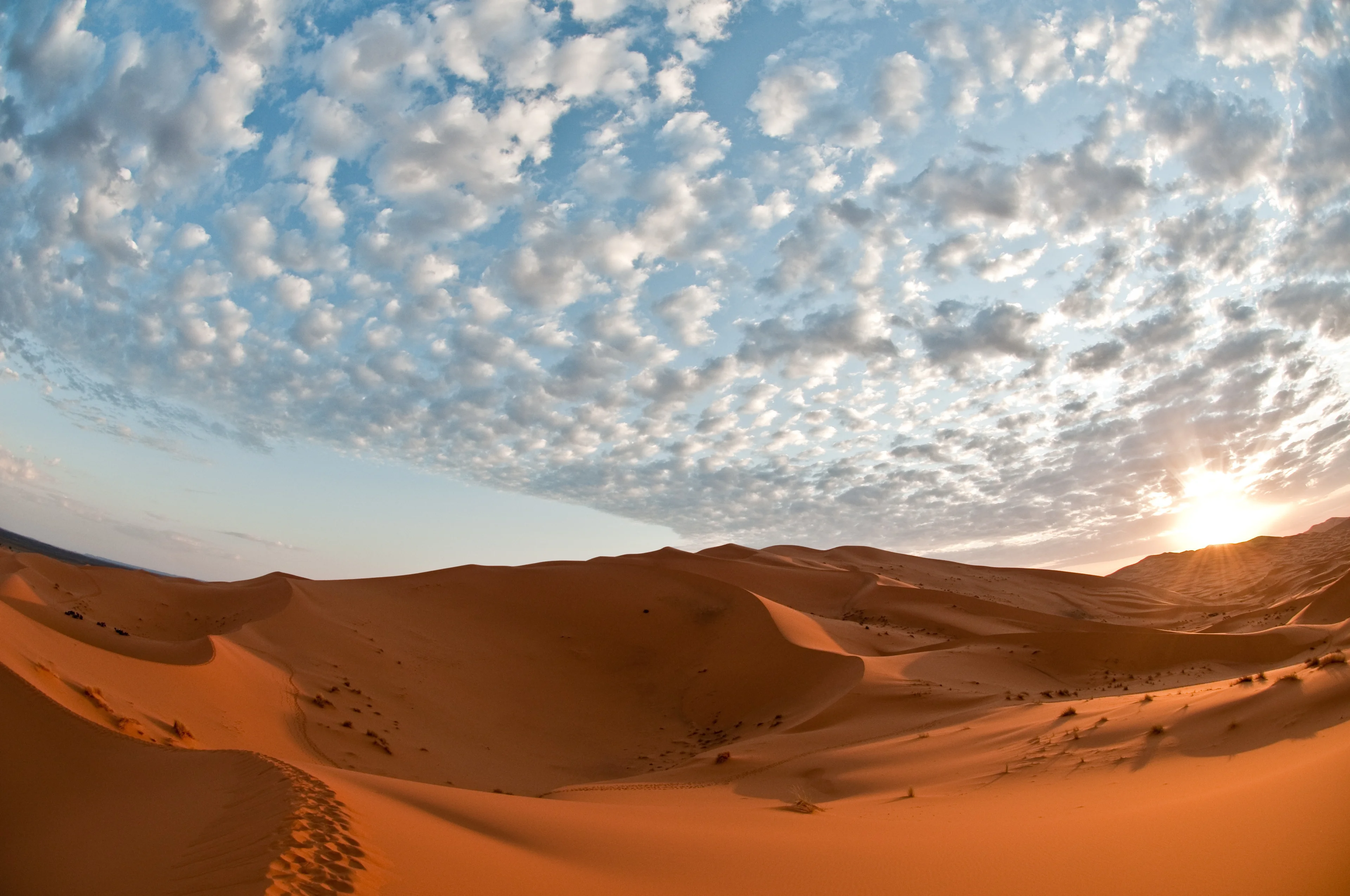
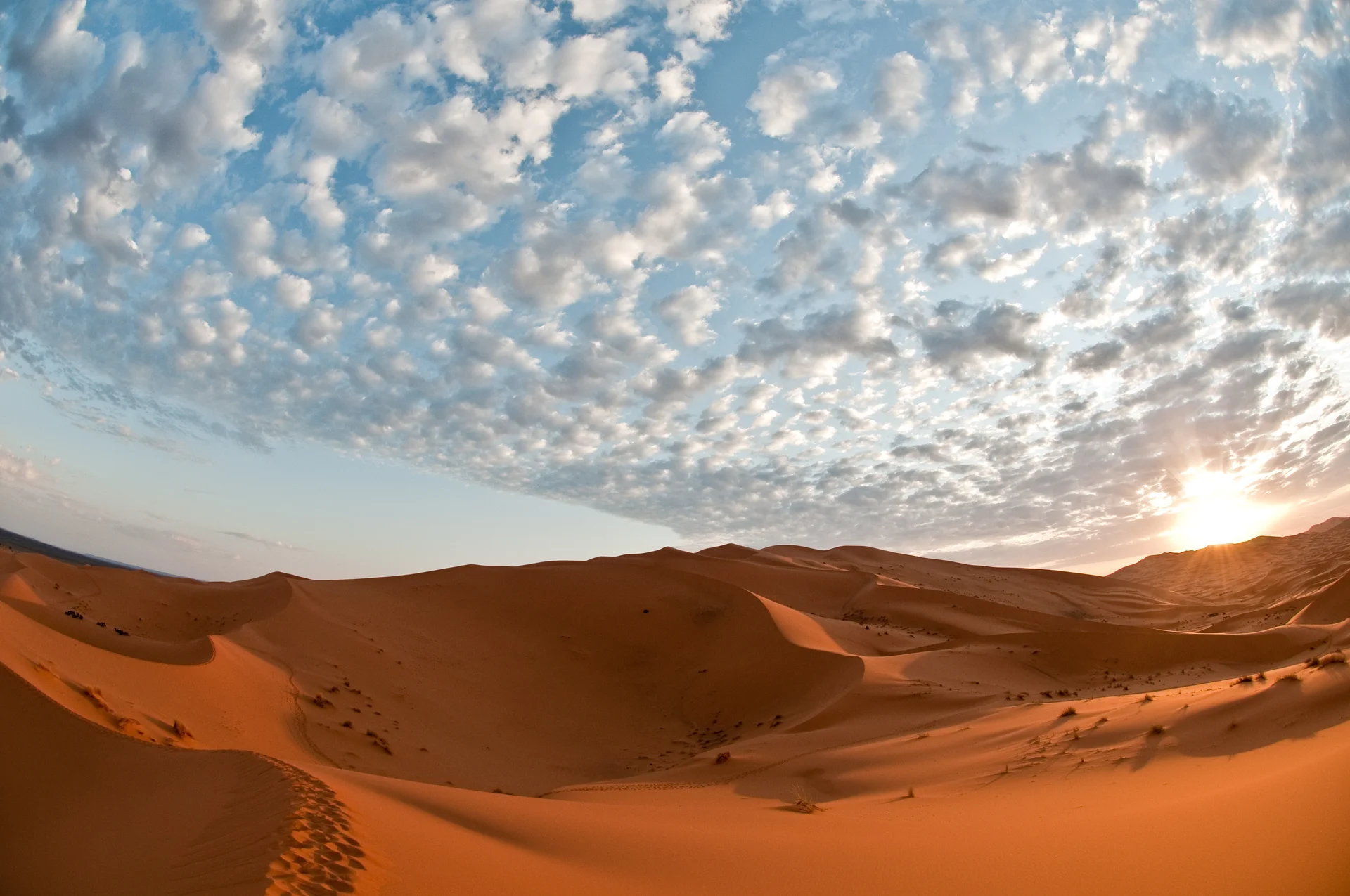
A camel ride through the dunes of Erg Chebbi at sunset is the kind of thing that actually lives up to the photos. The sand turns deep orange and pink as the light drops. Head to the dunes of Erg Chigaga after dark for stargazing. Light pollution is essentially nonexistent out here, and the sky on a clear night is genuinely something else.

The Draa Valley

The Draa Valley, which runs between Marrakech and the Malian border, is one of the more underrated routes in the country. Along the way you'll pass mud-brick fortresses at Timidarte, Zagora, and Agdz. Spend a night in a casbah, a traditional fortified guesthouse that once served as a caravan stop along the trans-Saharan trade routes. Many have been converted into small inns.

The Atlas Mountains: Green, Cold, and Nothing Like the Desert

The center of Morocco looks nothing like the south. The Atlas range rises sharply, bringing green valleys, rainy autumns, and snow-capped peaks in winter. Think of it as Morocco's version of the Rockies, minus the ski resorts.

Hikers can explore the High Atlas and pass through Berber villages that have changed little in centuries. Serious trekkers can attempt Mount Toubkal, which tops out at 13,671 feet (4,167 meters) and is the highest peak in North Africa. After the climb, the local tradition of mint tea or wild wormwood tea, served scalding hot, is exactly what you'll want.

Beaches, Surf, and Atlantic Coast

Morocco has a long Atlantic coastline, and it delivers. Agadir has wide sandy beaches and a well-developed resort infrastructure. Essaouira is the laid-back alternative, a whitewashed walled city with a strong wind that makes it better for walking and eating than swimming.

For surfers, Taghazout, Dakhla, and Sidi Kaouki are the top spots in the country. The breaks range from mellow beach breaks good for beginners to more serious point breaks for experienced surfers.

The Food: Spiced, Slow-Cooked, and Worth the Calories

Moroccan cooking pulls from Berber, Arab, and Mediterranean traditions, and the results are some of the most layered flavors you'll find on the continent. Couscous is traditionally served on Fridays, and tagine, the slow-cooked stew of meat, vegetables, and dried fruit, is on every menu for good reason. Save room for almond and honey pastries, including gazelle horns (crescent-shaped cookies filled with almond paste), which pair perfectly with a glass of hot mint tea.


When to Go

The best windows are spring (April to May) and fall (September to October). Summer heat is brutal, particularly in the interior and the south. Winter is pleasant in Marrakech but nights in the desert can drop below freezing, so pack accordingly.

Getting There

Morocco has several international airports. Casablanca Mohammed V is the main hub, with the most direct flight options from the US. Marrakech Menara and Fes also handle international traffic. From the East Coast, expect a flight time of roughly 7 to 8 hours with a connection in Europe. Round-trip fares from major US cities typically run 700 to 1,100 MAD equivalent in taxes and fees on top of the base fare, with total tickets often landing between $600 and $1,000 depending on the season and carrier.

Getting Around

Morocco has a solid train and bus network connecting Casablanca, Marrakech, Fes, and other major cities. Grand taxis (shared long-distance taxis) fill the gaps between towns where trains don't run. Petit taxis handle city trips and are cheap, typically 15 to 30 MAD (about $1.50 to $3) for a ride within a city center. For the Sahara, the Atlas, or anywhere off the main corridors, renting a car is the practical choice and gives you the freedom to stop when something catches your eye.
Find the best deals to travel to Morocco

Hotels and stays Flights Car rentals Custom trips

Top photos posted by members

Désert marocain
Marrakech 29
Marrakech 9