
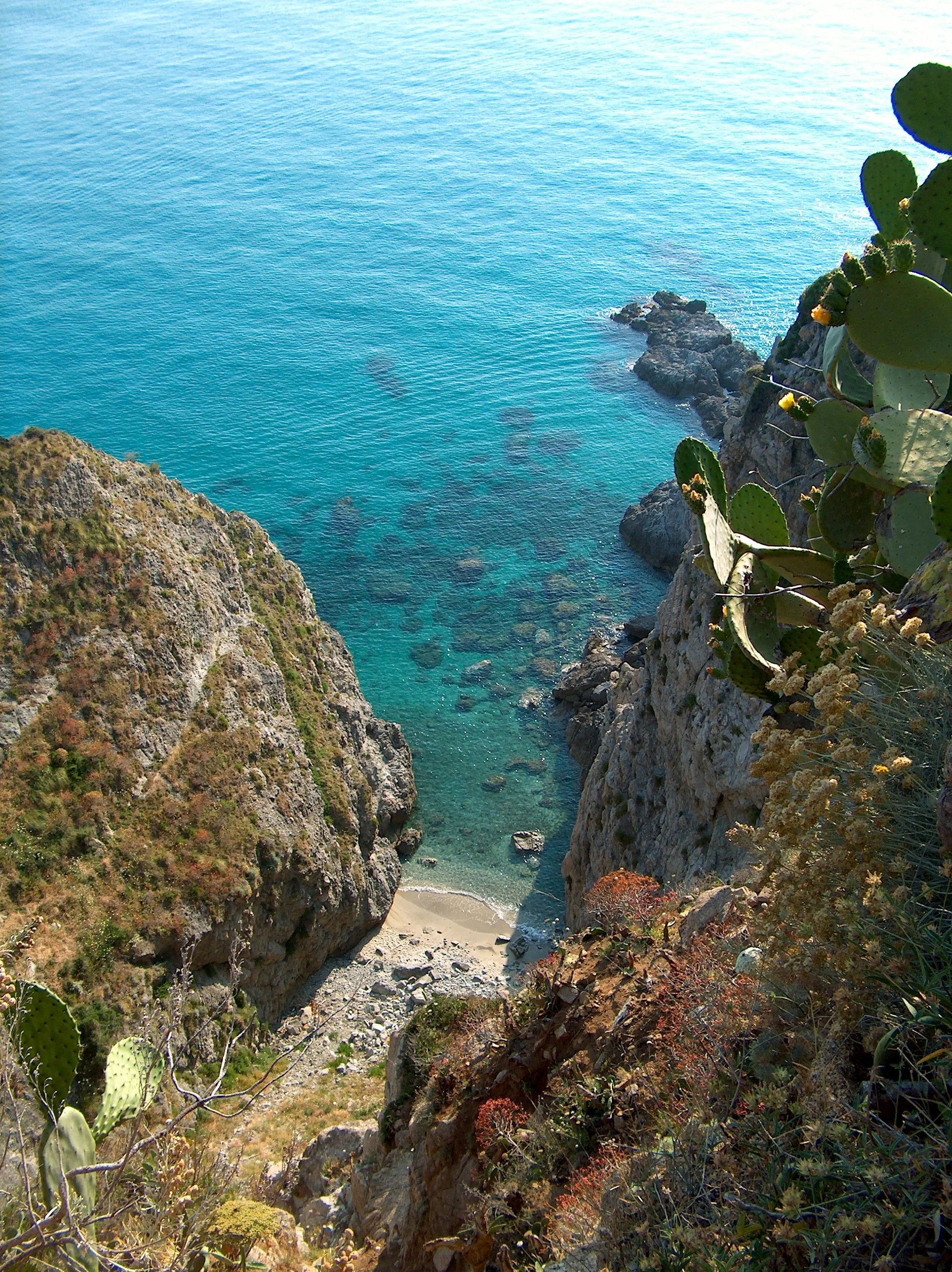
Capo Vaticano

Top 8 most beautiful cities in Calabria to visit2026 ranking

Discover the most appreciated cities in Calabria by our members. Feel free to publish your own reviews to take part in this collaborative ranking.

The most beautiful cities in Calabria

#1 Ricadi +5

Ricadi remains a quiet corner of Italy that has managed to stay under the radar for many international travelers. This coastal town sits in the Calabria region, just a short drive from the well-known town of Tropea. Locals flock here for the dramatic scenery and a slower pace of life. It serves as an excellent home base for exploring the surrounding Calabrian coast.

An idyllic seaside landscape

Ricadi is tucked between the Tyrrhenian Sea and steep cliffs. The terrain offers striking views of the water and plenty of hiking trails that are popular with locals. Because the landscape is so rugged, you will find a different vantage point around every turn. The coastline is equally fragmented, carved by grottos and rocky crevices. This is a major advantage for those seeking privacy, as you can easily hunt for a secluded cove away from the crowds. In fact, finding the perfect hidden spot for a picnic or a swim is one of the most popular ways to spend a day here.

If you prefer the amenities of a full-service beach, head to the plage de Grotticelle. You can rent a lounge chair and umbrella there or rent a pedal boat to get out on the water. A bit further along, Baia da Riaci is another solid option for a beach day. There is also a thermal spa if you are looking for water-based treatments. Nature lovers should head toward the Capo Vaticano, where the jagged coastline is anchored by a white lighthouse that stands high above the sea.

An amphitheater and medieval towers

Beyond the postcard views, Ricadi has layers of history. The town dates back to Ancient Greece, and it has been shaped by Romans, Byzantines, and Normans over the centuries. You can see this history in the local architecture, most notably the l’amphithéâtre. It is carved directly into a hillside and is still used today for theater performances and other events. Right next to it stands the Torre Marrana, a medieval structure built as a lookout to defend against Saracen raids. This was part of a broader defensive network, and you can see another example at the Torre Ruffa, where guards once lit signal fires to warn of approaching ships. If you want to dive deeper into the local heritage, visit the Museo della civiltà contadina to see the traditional tools and techniques used by the people of this region over the last several centuries.

When to go

Ricadi is a year-round destination. Summers are the peak season for beachgoers, but the winters are also popular due to the mild, pleasant temperatures.

How to get there

The closest airport is Lamezia Terme, located about 45 miles (70 kilometers) from Ricadi. It is roughly a one-hour drive. Once you land, the most practical way to reach the coast is to rent a car.

Must-see

#2 Staletti +3

Staletti shows off an overlooked side of Calabria, balancing quiet inland heritage with coastal scenery. The beach at Caminia is the local standout, featuring clear, turquoise water that rivals a Caribbean cove. You will find Byzantine church ruins scattered across the hills, offering a slow pace far from the usual tourist path. Expect an authentic experience defined by spicy regional cooking and a relaxed daily rhythm.

#3 Tropea +3

Tropea sits on a sheer cliff overlooking the Tyrrhenian Sea, with a dramatic coastal geography reminiscent of Big Sur. The town is famous for its sweet red onions, which you will smell the moment you step into its narrow, historic alleys. Between the white sand beaches at the base of the rock and the iconic sanctuary perched on the cliff edge, this is a concentrated dose of southern Italy.

#4 Reggio Calabria +1

Reggio Calabria sits at the southern tip of Italy, gazing directly across the water at Sicily. It is a city with deep historical roots, framed by the clear waters of the Ionian Sea. Known for its ancient ruins and classic Mediterranean atmosphere, it serves as a compelling stop for travelers who value both cultural history and coastal scenery.

Key city sights

The National Archaeological Museum is the city's primary landmark. It houses the famed Riace Bronzes, Greek statues dating back to the 5th century BC that rank among the most significant ancient sculptures ever unearthed.

A walk along the lungomare Falcomatà, often called the most beautiful kilometer in Italy, offers expansive views of the Strait of Messina. The waterfront is particularly pleasant at sunset.

Beaches and nature

Reggio Calabria offers several stretches of sand, including Pellaro Beach, a favorite for windsurfing and kitesurfing, and Gallico Beach, which draws a more local, relaxed crowd.

For a wilder landscape, a trip to Scilla, located about 12 miles away, reveals a classic fishing village with clear, inviting water.

Religious heritage

The Reggio Cathedral stands as the largest in Calabria and warrants a stop for its stained glass and heavy architecture. Nearby, the Castello Aragonese, a medieval fortress overlooking the city, remains as a testament to the region's turbulent past.

Outings and excursions

For those looking to get into nature, a trip to Aspromonte National Park is a solid choice. This mountain range features diverse hiking trails with sweeping views and protected wildlife.

Flavorful regional cuisine

Calabrian food is known for its spice and heavy reliance on local ingredients. 'nduja, a spicy, spreadable pork salumi, is a staple you will find everywhere. Pesce spada alla ghiotta, swordfish simmered with tomatoes and olives, is another regional specialty.

For dessert, the tartufo di Pizzo, a signature chocolate and hazelnut gelato ball, is the local icon.

Where to eat?

  • L'A Gourmet L'Accademia (City center): An elegant spot serving updated takes on Calabrian classics.
  • Trattoria del Pesce Fresco (Waterfront): A go-to for fresh local catch.
  • La Cantina della Suocera (City center): A family-run trattoria known for hearty, traditional portions.
  • Gelateria Cesare (Lungomare): A historic ice cream shop perfect for grabbing a late-night tartufo.

Where to stay?

  • Grand Hotel Excelsior (City center): A polished 4-star hotel with sea views.
  • Albanuova Hotel (City center): A comfortable, well-located hotel near the train station.
  • E Hotel (Waterfront): A modern boutique hotel featuring a rooftop terrace.
  • Hotel Medinblu (Historic center): A refined property known for attentive service.

When to go?

Spring and summer are the ideal times to take advantage of the sunny climate and beach access. Fall is a smart choice to avoid the peak crowds while still enjoying mild weather.

How to get there?

Reggio Calabria is served by the Reggio Airport, which handles domestic flights with connections from Rome and Milan. Ferries also provide regular service to Messina in Sicily.

Getting around

The city center is highly walkable. If you plan on exploring the surrounding areas, renting a car is the best approach.

#5 Praia a Mare +1

Tucked between a wall of rock and the shoreline of the Gulf of Policastro, Praia a Mare is a Calabrian gem. While farming and fishing defined its past, the town now caters to travelers seeking an authentic Italian escape. Set against the Tyrrhenian Sea with six kilometers of beach, the village balances a relaxed pace of life with plenty of opportunities for outdoor activity.

An island of incredible caves

Looking along the coast, you will notice the shoreline is divided into neat, often color-coded squares occupied by rows of umbrellas and lounge chairs. These are private lidos, and while access typically requires a fee, each lido has its own perks, including bars, restaurants, and water sports equipment. Public beach space is available as well. The coast features a mix of sand and fine gravel, and with transparent water with turquoise reflections, swimming is excellent. The seabed slopes gently, making it family-friendly, and it is a popular spot for snorkeling. Just offshore, Isola di Dino stands guard. Its coral gardens and three sea caves are highlights for divers and boaters alike. Its blue grotto offers intense water color, and the lion cave features a rock formation shaped like a jungle cat. The island is a fortress-like escape with dense vegetation, and between the coves and cliffs, the site is fabulous. You can reach the island by boat, canoe, or kayak, all of which are common in Praia a Mare. The area is also well-suited for paragliding, and for those looking for an adrenaline rush, cliff jumping is a local pastime. The Arcomagno rock, standing at 22 meters, is the most famous spot for such jumps.

History etched in rock and stone

Nearby, the Parc National du Pollino attracts hikers and archaeology buffs, notably for the Paleolithic site of the Romito caves. More recent history includes the castello Fortino, though this 15th-century structure is private, much like the stunning Rocca di Praia Norman castle, a 14th-century count's residence. Another defensive landmark, the 15m Torre di Fuzzi, sits atop a cliff overlooking the sea but is not open to the public. You can find a more unique side of local history at the sanctuary of the Madonna della Grotta. You have to hike up the side of Monte Vinciolo to reach the three caves that house the site. One contains a chapel with a Madonna statue reportedly left by a fisherman over 150 years ago. Another cave features an altar used for masses, particularly in August. In town, you will find religious architecture like the modern chiesa di Sao Paolo Apostolo. The Museo Comunale is also quite modern, featuring a collection of contemporary and sacred art, seashells, photos, and postcards. The archaeology section, featuring remnants from the 3rd century, is worth a visit.

The town has a distinct seaside feel, with boulevards full of life. There are plenty of shops and restaurants to try local specialties like bruschette, soppressata (a spicy sausage), and an abundance of fresh seafood, antipasti, and even citron.

When to go

The climate in Calabria is ideal from April to November. It is best to visit during the shoulder season to avoid the peak tourist crowds, though the festival of the Madonna in mid-August is a sight to see.

Getting there

The easiest way to arrive is to fly into Naples. From there, you can take a train to the Praja-Ajeta-Tortora station, which takes about 3 hours, followed by a short bus ride to Praia a Mare. Renting a car is a practical alternative, as major highways connect the town from both the north and the south.

Must-see

#6 Castrovillari +1

A small town in the Calabria region, Castrovillari is a worthwhile detour during any trip to Italy. The town offers a significant cultural heritage, distinct architecture, and great vantage points. For nature, the surrounding area is packed with excellent trails.

Monuments to visit

The first thing that grabs your attention in Castrovillari is the proud Aragonese castle rising in the town center. Built in 1490, the building's square fortifications dominate the town and define its character. Just past the moat, once crossed by a drawbridge, the entrance reveals a high relief sculpted by the House of Aragon. If you are interested in history, you can visit the municipal museum of Castrovillari, which is dedicated to archaeological finds in the region ranging from the Paleolithic era to the Middle Ages. The town also has several religious buildings worth your time. The church of San Giuliano, dating back to 1090, was rebuilt in 1789 after a fire. Its 16th-century portal and its Christ on the cross are points of interest for art lovers. The Franciscan monastery, founded in 1220 by a disciple of Saint Francis of Assisi, is also worth a look for its prized marble portal.

Nature to explore

Castrovillari is situated at the gateway to the Pollino National Park, making it an ideal base for hikers and fans of open spaces. It is the largest national park in Italy. Across its 772 square miles (2,000 square kilometers), you can admire a succession of landscapes, including mountains, gorges, ravines, and forests. The Bosnian pine is the symbol of the area, as this is one of the last places where the tree grows naturally. Mountain biking, rafting, canoeing, hiking, or horseback riding are all ways to discover the park at your own pace. If you keep your eyes peeled, you might spot birds of prey, deer, wildcats, or even wolves.

Local flavors

Don't miss the local traditions and craftsmanship. Venture into the small streets of Castrovillari to meet woodworkers, blacksmiths, and cobblers. The local gastronomy also has plenty to offer. Most dishes are finished with a flavorful, highly aromatic locally produced olive oil. Frìttuli and Curcùci (a dish made from fried pork), Lagane e Cicciari (pasta with chickpeas), and sopressata (a lean cured sausage) are all delicious culinary specialties. As for cheeses, the scamorza and pecorino will satisfy your palate. Many desserts have Albanian roots, such as kanarikuj, which are dough balls soaked in honey, or kasolle megijze, a roll filled with ricotta.

When to go

The best time to visit Castrovillari is during the warm season, allowing you to take full advantage of nature walks and the town's laid-back pace of life. The town gets fairly busy in the middle of summer, so choose spring or autumn if you want more peace and quiet.

How to get there

Getting around Castrovillari is difficult if you do not have a car. However, a bus station in the town center provides access via bus. International travelers should fly into Naples, then rent a car for the drive to Castrovillari (a 2.5-hour drive via the E45).

Must-see

#7 Scilla +1

Scilla is a Calabrian village where local lore meets the Tyrrhenian coast. The town centers on the imposing Castello Ruffo and splits into two distinct zones, the beachside Marina Grande and Chianalea, a fishing hamlet with homes built directly over the water. It offers a direct view across the Strait of Messina, providing an authentic look at Southern Italy that feels as rugged and storied as the Homeric myths it is famous for.

#8 Bova

Perched in the Aspromonte mountains, Bova is a Calabrian village where an ancient Greek language still survives. This stone balcony offers views of the Ionian Sea and Mount Etna, providing a glimpse into a rugged culture and raw landscape. It is the ideal stop for travelers looking for a side of Italy rarely seen by tourists.

Rankings by travellers, for travellers

Our rankings are powered by thousands of reviews from travelers like you, not the arbitrary pick of a single editor. Every positive review you publish raises the destination’s score.

1 positive review = +1 reco

Your voice matters!

Have you travelled and discovered amazing places? Share your experience and help the community rank the most beautiful destinations! Sign up for free to post reviews and make your voice heard.