Grand Beffroi de Lille

Top 5 most beautiful cities in Nord-Pas-de-Calais to visit2026 ranking

Discover the most appreciated cities in Nord-Pas-de-Calais by our members. Feel free to publish your own reviews to take part in this collaborative ranking.

The most beautiful cities in Nord-Pas-de-Calais

#1 Lille +50 recs

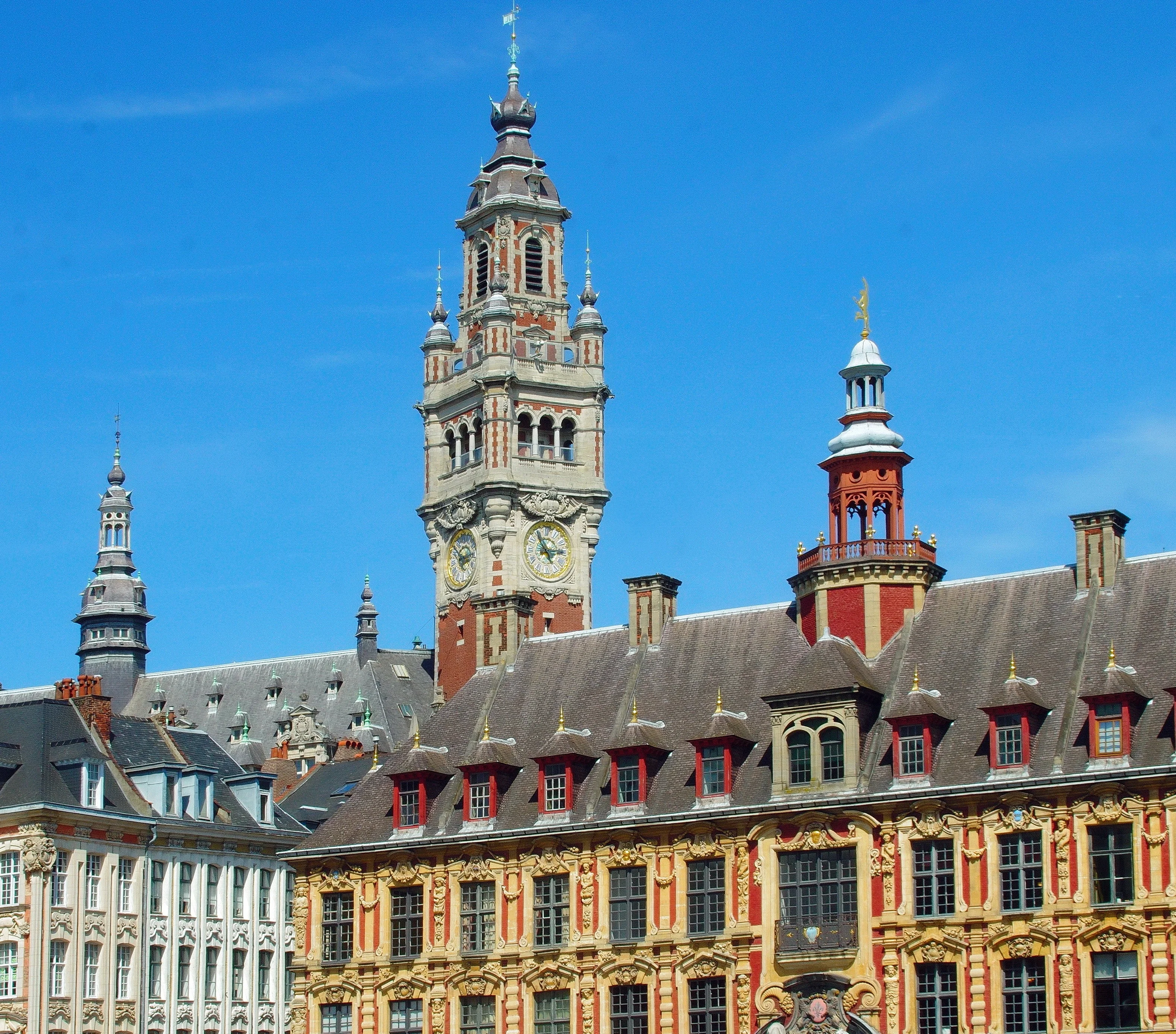
Lille has that rare quality of a major city that feels genuinely welcoming. Beneath Flemish facades, inside cozy bars, and across the polished cobblestones of Vieux-Lille, you find a distinct northern generosity. The city excels at hearty eating and unpretentious drinking, turning a gray day into something warm. From the loud Wazemmes market to the quiet Place aux Oignons, every neighborhood here tells a different story.

Must-sees

#2 Neufchâtel-Hardelot +14 recs

Neufchâtel-Hardelot is a coastal town in the Pas-de-Calais department of the Hauts-de-France region. Established as a seaside resort in the early 20th century, it long served as a getaway for affluent Parisians. The town occupies a prime spot on the Opal Coast, tucked between sand dunes, the sea, and dense forest.

A town in two parts

This northern French town is defined by its two distinct characters. While the permanent population hovers around 3,800, the town swells significantly during the peak season. You have the original village of Neufchâtel, centered on agricultural roots, and the more upscale seaside resort area of Hardelot. The most significant local landmark is the château d'Hardelot. Despite the name, it is actually a 19th-century manor built atop the ruins of a former fortress. Fully restored in 2014, it now serves as a symbol of Franco-British relations, commemorating the Entente Cordiale. Visitors can tour the period-accurate furnishings and the surrounding Renaissance and English-style gardens. A unique Elizabethan theater on the grounds hosts cultural events throughout the year. For history enthusiasts, the British military cemetery at Étaples, some thirty kilometers to the south, is a somber site where over 11,000 First World War soldiers are laid to rest.

Outdoor recreation

Spanning over 2,000 hectares, the landscape around Neufchâtel-Hardelot is known for its ecological variety. The forest is a quiet retreat for walking among maritime pines, beeches, and oaks, where you are likely to spot local birdlife and small mammals. Hikers can head out on several marked trails, including paths at the Mont Saint-Frieux, the dunes d'Ecault, the Hameau, or the Collines. If you prefer to explore from the saddle, several local equestrian centers offer horseback rides, providing a high vantage point to take in the dunes. Think of the coastal terrain like a more rugged, cooler version of the dunes found in the Outer Banks.

A trip to Neufchâtel-Hardelot centers on its three kilometers of coastline. The beaches are popular in the summer for swimming and a variety of water sports, including land sailing, catamaran sailing, kite-surfing, and windsurfing. Low tide is the perfect time to join the locals in shrimp fishing. For the best views of the coast, head to the top of the dunes, which reach heights of 90 meters above sea level.

When to go

Plan your visit for the summer months to take advantage of the best weather for swimming. It is best to avoid the winter season, which is typically long and rainy.

How to get there

Neufchâtel-Hardelot is an easy trip for those traveling from major cities, located about 1 hour and 45 minutes from Lille or 2 hours and 30 minutes from Paris by car or train. It is a frequent weekend escape for city dwellers looking for a sea breeze. The nearest major city is Boulogne-sur-Mer, a 20-minute drive away. Travelers from North America fly into Paris and continue by TGV to Boulogne.

#3 Boulogne-sur-Mer +14 recs

Boulogne-sur-Mer operates on two levels, defined by the rhythm of the tides. Down at the docks, you get the raw energy of France's largest fishing port. Up on the hill, the fortified old town centers on a castle, a basilica, and medieval ramparts. It is a no-nonsense destination that smells of salt air and fresh fish, offering a stark contrast to the typical resort towns further south.

Must-see

#4 Montreuil +9 recs

This fortified town is arguably one of the most charming stops along the Opal Coast in the Pas-de-Calais region. Despite what the name suggests, it is not actually on the sea. Montreuil is a classic northern French village located about nine miles inland. It is a destination with real character, and you can easily spend a full day exploring everything it has to offer.

Walking the village ramparts

Montreuil-sur-Mer has a small population of about 2,000, yet it remains one of the most visited spots in Pas-de-Calais. The town packs a punch with its thousand-year history. From the 10th to the 15th century, its strategic positioning made it the administrative hub for a major maritime port. By the 16th century, the port function faded, and a citadel was built atop the hill. The renowned military engineer Vauban later added his signature fortifications. Today, you can still walk the full length of the ramparts, a path just under two miles long. It is well-maintained and offers sweeping views of the surrounding countryside.

Picturesque alleys and hidden lanes

The center of Montreuil-sur-Mer is exceptionally pedestrian-friendly. Walking through its narrow streets can feel like stepping back into the Middle Ages. rue d'Hérambault is a standout, lined with local shops and small restaurants that have retained their historic feel. Make sure to explore the venelles, the tiny passages that are sometimes barely three feet wide. rue de la Cavée Saint-Firmin, with its steep incline, is particularly photogenic and has served as a backdrop for various painters, photographers, and film directors. You might recognize it from scenes in Les Misérables. Finally, rue du Clape-en-Bas is a local curiosity known for the clapets, the hatches that once covered the sewer openings to dampen odors. Today, the street is home to various artisan workshops and boutiques.

Head over to Place Gambetta to see the village's signature landmarks. The 12th-century abbey church is worth a look. The Hôtel Dieu was founded in the early 13th century by nuns to care for the sick and pilgrims. It functioned as a hospital for centuries, only closing its doors in the 1990s. Today, it houses a hotel and restaurant often frequented for weekend getaways: the Best Western Hôtel Hermitage.

When to go

The best time to visit is during the warmer months, when the weather is pleasant and all tourist attractions are in full swing. Keep in mind that the town hosts a massive flea market in mid-July, which draws hundreds of vendors and thousands of treasure hunters.

The shoulder season is also a great time to visit, especially if you prefer to avoid the crowds.

How to get there

By car, Montreuil-sur-Mer is about a 1 hour and 40 minute drive from Lille and 2 hours and 30 minutes from Paris. It is only about 12 miles from coastal towns like Berck-sur-Mer and Le Touquet. You can also reach the village by train from major French cities, arriving at the small station of Montreuil-sur-Mer.

#5 Le Touquet -3 recs

Paris may not have an oceanfront, but city dwellers know one of the gems of the Côte d'Opale is just a short trip away at Le Touquet-Paris-Plage. Established as a prominent seaside resort in the late 19th century, it draws beachgoers and nature lovers alike when the weather turns warm.

A Step Back into the 1920s

Le Touquet-Paris-Plage built its reputation by welcoming vacationers and celebrities throughout the 19th and 20th centuries. This coastal resort sits in the Pas-de-Calais department, in the Hauts-de-France region at the mouth of the Canche estuary. Locals call it the resort of elegance or the pearl of the Opalescent Coast thanks to its striking Anglo-Norman architectural heritage. Walking the streets of Le Touquet-Paris-Plage means taking in rows of gorgeous retro villas. In fact, twenty buildings hold official historical monument status for their preserved facades and artistic merit. Most went up during the Roaring Twenties, transporting visitors straight back to the previous century. The town mapped out a 31-step historical walking tour highlighting its most representative spots, including the town hall, the covered market, and the Canche lighthouse. Art enthusiasts can head straight to the Musée du Touquet-Paris-Plage, a tribute to the painters of the Étaples school.

Between Beach, Forest, and Dunes

Le Touquet-Paris-Plage wouldn't have its fame without its twelve-kilometre stretch of fine sand. This coastal ribbon is fully outfitted in the summer, drawing everyone from families to athletes. Popular activities on the water and sand include sailing, land sailing, and kitesurfing. Hotels, restaurants, and bars line the waterfront to handle the crowds.

Nature enthusiasts can step away from the warm sand to explore a forest filled with maritime pines, alders, and poplars. Back in the 19th century, hundreds of trees were planted directly into the dunes across nearly 800 hectares. Today, it is an ideal spot for walking, horseback riding, or cycling. For an even deeper dive into the landscape, hikers can tackle one of the three marked trails in the parc naturel de la baie de Canche. The park offers sweeping views of the estuary, and sharp-eyed visitors can spot colonies of seals lounging on the sandbanks. It is also a haven for birdwatchers, with thousands of migratory birds stopping through every year.

When to Go

Most visitors aim for June through September to make the most of the beach. Spring and autumn are also great times to wander the town without the heavy tourist crowds. Keep in mind that many hotels and restaurants only operate during the summer season.

How to get there

Le Touquet-Paris-Plage is a 2.5-hour drive from Paris via the A16 highway. You can also catch a train from Paris Gare du Nord to the Étaples-Le Touquet station, which takes about 2.5 hours as well. Tickets run $23 to $34*.

Latest reviews

Nice, expensive, and not really for partying with friends

The scenery in Le Touquet-Paris-Plage is nice (vast beaches and dunes), but the prices are often a bit high. For a getaway from Paris, it is nice, if you do not want to have a big night out after your…

123

Warm, friendly, and festive

Planning a quick weekend getaway? Lille is a great choice. It is warm, friendly, and festive! I recommend a walk through Vieux-Lille with its cobblestone alleys and colorful buildings. The Grand-Place…

92

Welcome to the land of the Ch'tis!

Lille is a very pleasant city to visit. 2 or 3 days are enough. Take the time to admire the Flemish architecture, taste the beers from the North and the Flemish carbonnade, stroll around Vieux Lille…

78

I just wanted to park...

Le Touquet might be beautiful, but there are so many tourists in the summer that it becomes suffocating. I went there because the bakery right next to my hotel in a small nearby village was unexpected…

97

Paris 300 km from Paris...

That is pretty much Le Touquet Paris-Plage (as the name suggests) for better or for worse... The best part is actually quite a few things right there: shops, restaurants, bars... The worst part, on t…

86

Rankings by travellers, for travellers

Our rankings are powered by thousands of reviews from travelers like you, not the arbitrary pick of a single editor. Every positive review you publish raises the destination’s score.

1 positive review = +1 reco

Your voice matters!

Have you travelled and discovered amazing places? Share your experience and help the community rank the most beautiful destinations! Sign up for free to post reviews and make your voice heard.