Visiting Cambodia: Ancient Temples and Enduring Warmth
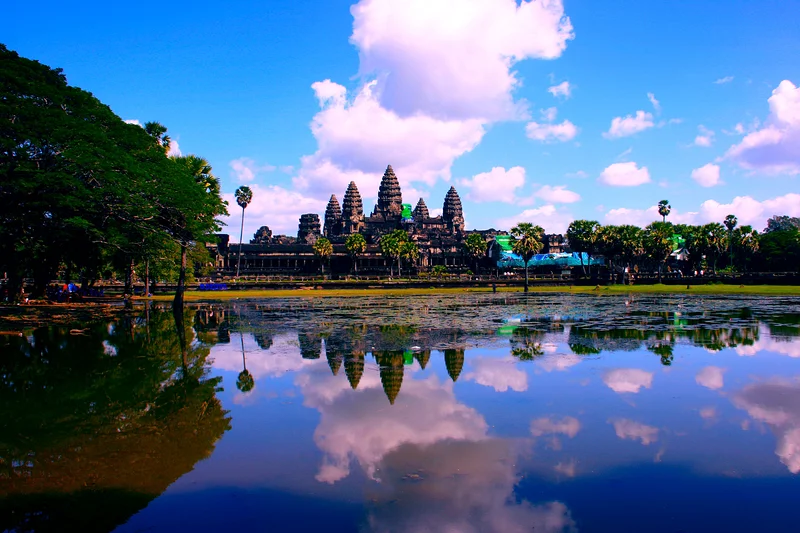
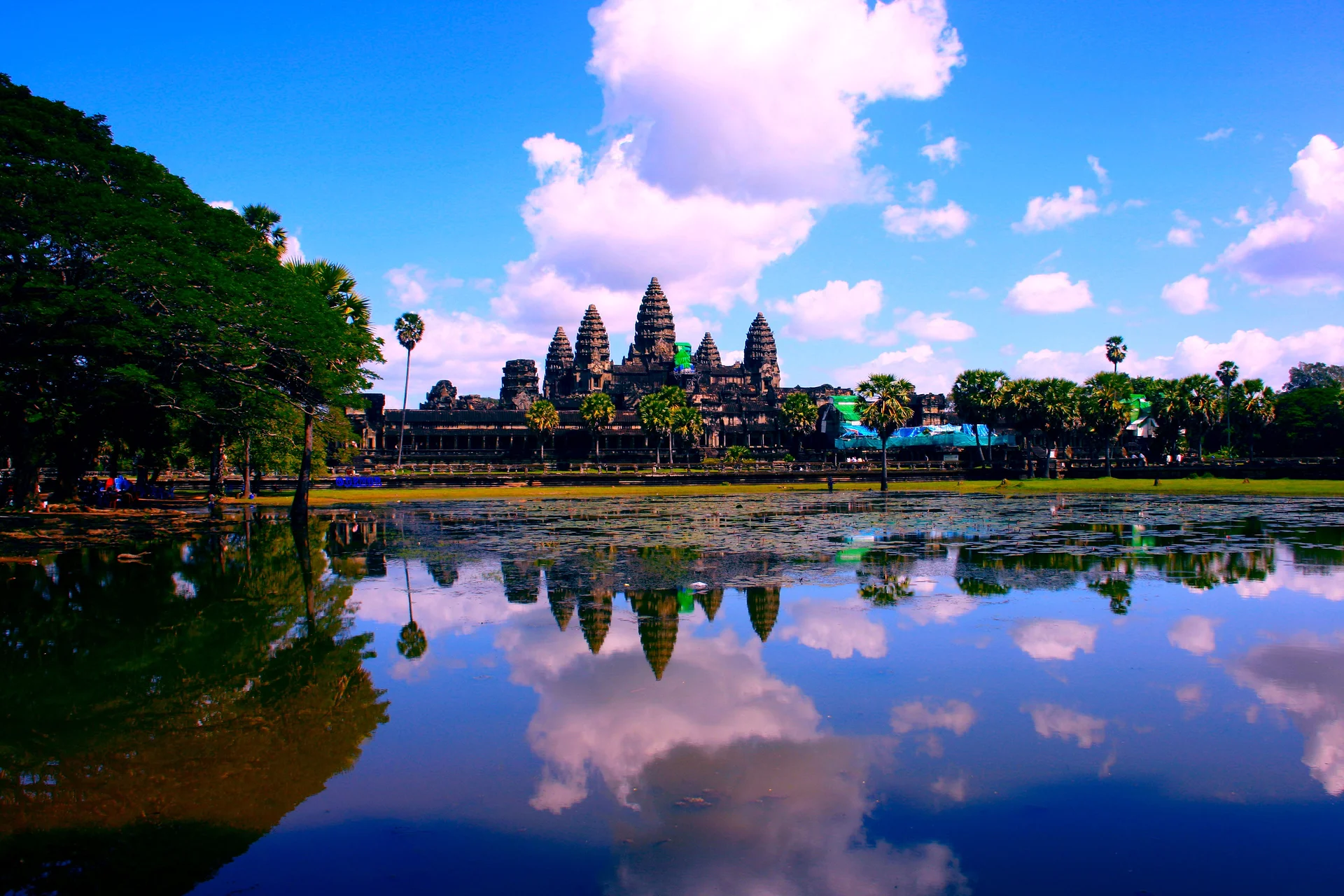
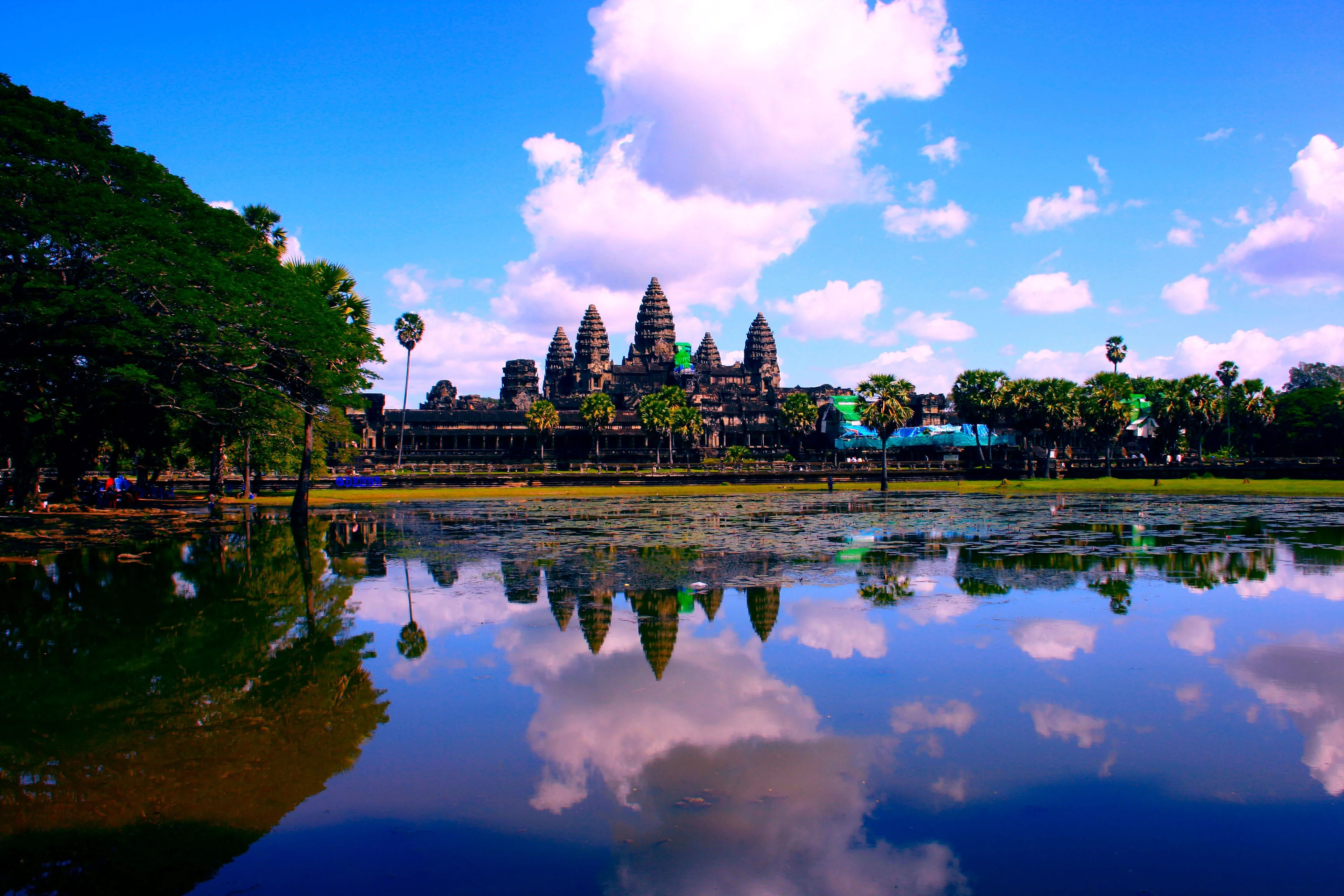
Siem Reap at 4:30 a.m., before the tour buses arrive, with the reflection of Angkor Wat shimmering in the moat as the sky turns from black to deep orange. That moment alone is worth the flight. Cambodia is a country where massive tree roots crack open stone temples, saffron-robed monks chant at sunrise, and the people you meet carry a history heavier than most Americans can imagine, yet greet you with a warmth that never feels performative. This is one of Southeast Asia's most affecting destinations.
Is Cambodia the Right Trip for You?
Cambodia is a strong match if you're after genuine human connection and serious history. The Khmer temple complexes are genuinely unlike anything else on earth, the riverine landscapes are gorgeous, and the cultural encounters can hit surprisingly deep. History buffs and architecture nerds will be in their element, and anyone open to understanding how a society rebuilds after near-total destruction will leave changed.
That said, go in with clear eyes. Cambodia is still a developing country, and the infrastructure reflects that. Poverty is visible and constant. The recent history, specifically the Khmer Rouge genocide of the 1970s, is not background noise here, it's present in museums, in faces, in conversations. Roads outside the main cities can be rough. The heat and humidity are relentless. None of this is a reason to skip it, but it's worth knowing before you pack your bags.
Angkor: More Than a Day Trip
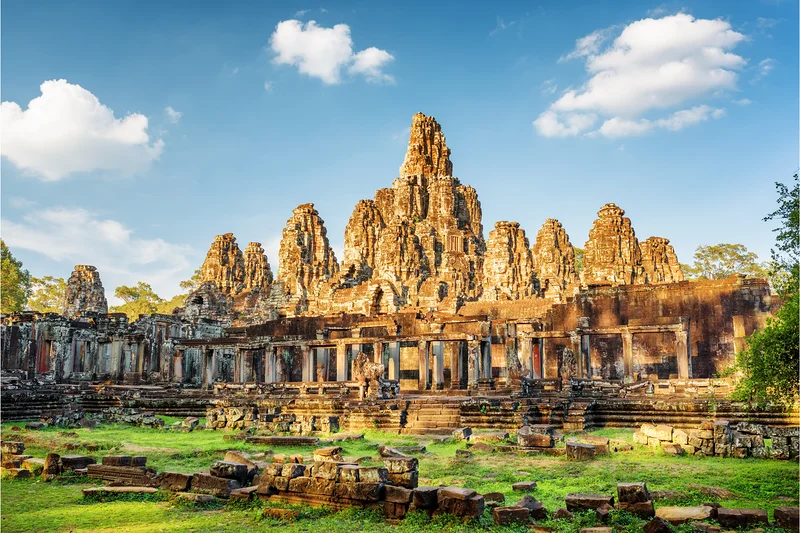
Siem Reap is your base for the Angkor archaeological complex, one of the most extraordinary collections of ancient architecture anywhere in the world. Angkor Wat, a 12th-century temple-mountain, impresses first with sheer scale and then, when you get close, with the precision of its bas-reliefs. Miles of carved stone narrative, Hindu mythology rendered in sandstone with a level of detail that stops you mid-stride.
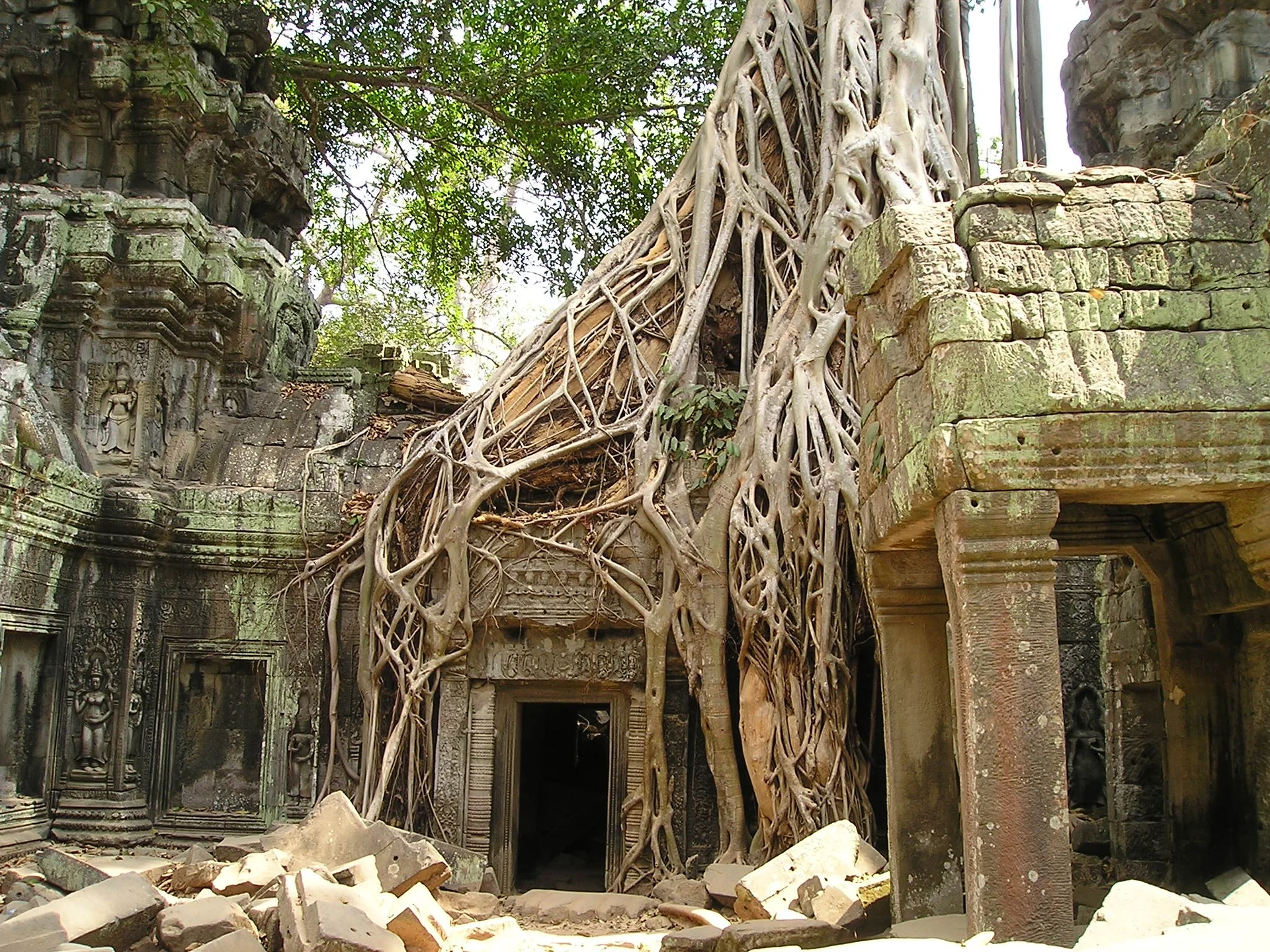
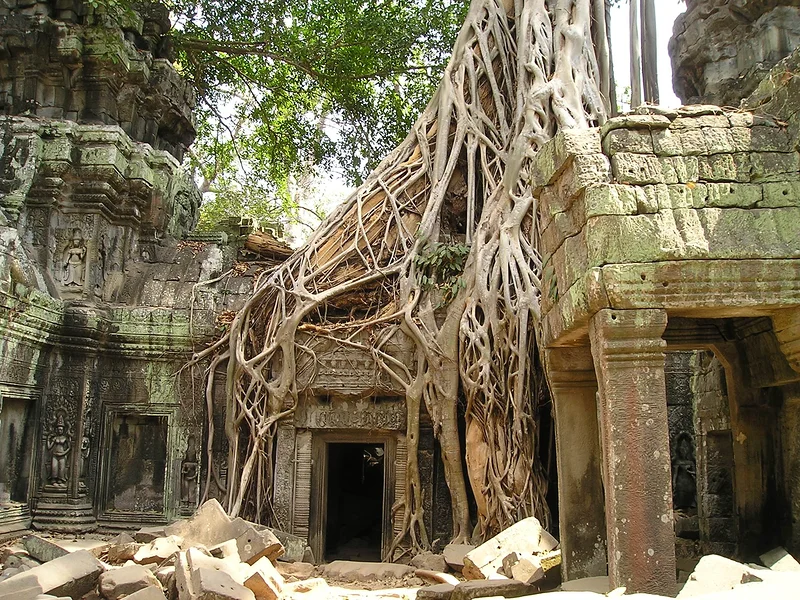
The real surprise is Ta Prohm, where centuries of jungle have been left to do their work. Massive spung and silk-cotton trees (think strangler figs on steroids) have wrapped their roots around carved stone walls and pushed through temple rooftops. Every gallery reveals something new: a root splitting a doorframe, a tree growing straight out of a collapsed ceiling, filtered light coming through a canopy that's been reclaiming the place for 400 years.
Friendly tip: Set your alarm for 4:30 a.m. to catch sunrise over Angkor Wat before the crowds arrive. After you get the shot, head directly to Ta Prohm while it's still quiet. An hour there alone is genuinely eerie in the best possible way.
The Underrated Corners of the Archaeological Park
Banteay Srei, nicknamed the "Citadel of Women," is smaller than the main temples but arguably the most refined. The pink sandstone carvings are extraordinarily detailed, every inch of the surface covered in scenes from Hindu mythology with a delicacy that makes you wonder how they did it without power tools.
Further out, Beng Mealea is the temple that nature fully won. There are no walkways keeping you at a distance. You climb over collapsed stone blocks, squeeze through passages the jungle has half-swallowed, and navigate a site that feels genuinely discovered rather than managed.
Phnom Penh: Rebuilding and Remembering
The capital surprises people who expect a sleepy backwater. The renovated riverfront along the Mekong is lively, with open-air terraces and evening promenades, and the old French Quarter has well-preserved colonial architecture that's been thoughtfully restored.
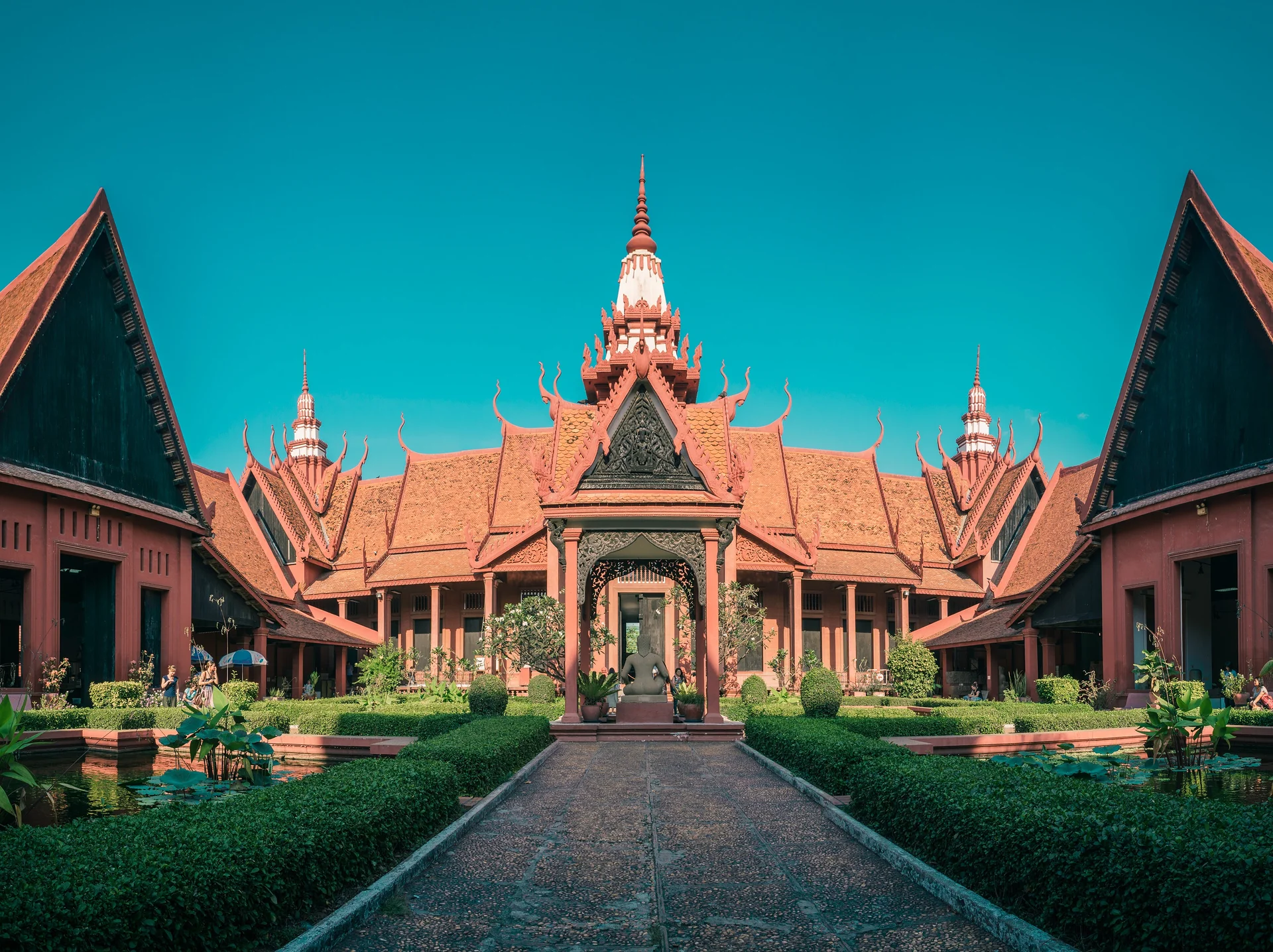
The Royal Palace and its Silver Pagoda are the visual centerpiece of Khmer royal tradition. The gilded rooflines catch the tropical sun hard, set against manicured gardens where peacocks and herons wander freely.
But Phnom Penh also carries its past directly. The Tuol Sleng Genocide Museum and Choeung Ek (the Killing Fields) document the Khmer Rouge's systematic destruction of roughly a quarter of Cambodia's population in the late 1970s. These are not easy visits. They are necessary ones. Skipping them to keep the trip "positive" would be like visiting Berlin and skipping the Holocaust Memorial. What you take away from both sites is not only the weight of what happened, but a genuine respect for how Cambodians have rebuilt.
Friendly tip: Visit Tuol Sleng and Choeung Ek in the morning when you have the emotional bandwidth for them. In the afternoon, shift gears at the Central Market, where everyday Cambodian life is in full swing and the mood is completely different.
The Countryside: Mekong Life and Living Traditions
The Cambodia most travelers miss is in the villages and on the water. The Tonlé Sap, the largest freshwater lake in Southeast Asia (roughly the size of Rhode Island in the dry season, expanding dramatically when the Mekong reverses its flow during monsoon), is home to entire communities that live on the water year-round in stilted and floating houses.
Kampong Phluk is the most authentic entry point: you arrive by small boat, weave between floating homes, pass a stilted Buddhist temple and a school built above the waterline. The rhythm of life here is set by the lake's seasonal flooding, not by any clock.
Battambang: Cambodia at a Slower Pace
Battambang, the country's second-largest city, has a completely different energy from Phnom Penh. Colonial-era buildings line quiet streets, the markets are colorful without being chaotic, and the overall pace is noticeably relaxed.
Don't miss the Phnom Sampeau bat exodus: every evening, more than a million bats pour out of a hillside cave in a continuous aerial stream that lasts close to two hours. It sounds like a nature documentary, and it looks like one too.
The Coast: Islands Worth the Effort
Sihanoukville is a mixed bag. Heavy Chinese investment over the past decade has transformed it significantly, and much of the original beach-town charm is gone. It's now primarily a transit point for the islands in the Gulf of Thailand, which is exactly how you should use it.
Koh Rong and Koh Rong Samloem more than make up for the mainland disappointment. White sand, clear water, basic bungalows facing the sunset. The vibe is closer to the Thai islands of 20 years ago than anything you'll find in Thailand today.
Friendly tip: Do not plan a night in Sihanoukville if you can help it. Take a morning bus there from Phnom Penh and connect straight onto the Koh Rong ferry: it is the only departure point on the coast.
Further east, Kep has a quieter, more melancholy appeal. The overgrown ruins of 1960s vacation villas dot the hillsides, remnants of a prosperous era before the war. The town's crab market is the real draw: freshly caught blue crab, grilled or cooked in Kampot pepper sauce, eaten at plastic tables right on the water.
Eating in Cambodia: Subtle, Fresh, and Underrated
Cambodian food doesn't hit you over the head the way Thai food does. The flavors are more restrained, built on lemongrass, galangal, and fresh herbs rather than chili heat. Amok, the national dish, is fish or chicken steamed in a mild coconut curry inside a banana leaf. It's delicate and slightly sweet, nothing like the curries you'd get in Thailand or India.
Bai sach chrouk, grilled pork over rice with pickled vegetables, is the standard breakfast, and it's worth seeking out at a local market rather than your hotel. Kuy teav, a rice noodle soup with fresh herbs and a clean, fragrant broth, is what locals eat on humid mornings and it works.
Markets overflow with tropical fruit: rambutan, dragonfruit, mangosteen. Cold Angkor Beer is the default meal companion, and fresh fruit smoothies are everywhere and cheap, typically around 2,000-4,000 KHR.
When to Go to Cambodia
The dry season, November through March, is the sweet spot. Temperatures run between 77°F and 86°F (25-30°C), skies are mostly clear, and the roads are passable everywhere. December and January are the most comfortable months, with manageable heat and lower humidity. This is peak tourist season, so expect crowds at Angkor and higher accommodation prices.
The rainy season, May through October, transforms the landscape. Rain usually comes in short, intense afternoon bursts rather than all-day downpours, and the countryside turns intensely green. Angkor in low clouds and mist has a completely different atmosphere, quieter and more atmospheric. The trade-off is that rural roads can become impassable after heavy rain.
April is the hottest month, with temperatures pushing toward 104°F (40°C). If you don't do well in serious heat, avoid it.
Getting to Cambodia
There are no nonstop flights from the US to Cambodia. From major US hubs, you're looking at connections through Ho Chi Minh City, Bangkok, or Singapore. Vietnam Airlines, Thai Airways, and Singapore Airlines have the most reliable routing options. Total travel time from the East Coast runs roughly 20-24 hours depending on your layover.
If you're already in Southeast Asia, overland options are practical. Buses connect Bangkok to Siem Reap in about 8 hours via the Aranyaprathet border crossing. From Vietnam, you can reach Phnom Penh by bus from Ho Chi Minh City, or take a slower but more scenic Mekong boat route from Châu Đốc.
US passport holders can get a tourist visa on arrival for $35 USD, or apply in advance through Cambodia's official e-visa portal (also $35 USD plus a small processing fee). Your passport needs to be valid for at least six months beyond your entry date, which is stricter than the three months most of Europe asks for.
Getting Around Cambodia
The tuk-tuk, a motorbike pulling a two-seat carriage, is the default city transport. Always agree on a price before you get in. Urban rides typically run 8,000-20,000 KHR ($2-$5 USD), and most drivers also offer half-day or full-day rates for temple touring that work out to a good deal.
For intercity travel, air-conditioned tourist buses are comfortable and reasonably reliable. Giant Ibis and Mekong Express are the two operators worth using between Phnom Penh, Siem Reap, Battambang, and Sihanoukville. Phnom Penh to Siem Reap takes about 6 hours; Phnom Penh to Sihanoukville is around 3 hours.
If time matters more than money, domestic flights are fast. Cambodia Angkor Air and the local carriers cover the main routes in 45 minutes, with Phnom Penh to Siem Reap tickets running roughly $60-$120 USD depending on the season.
For getting into the countryside and off the main roads, hiring a motorbike driver by the day is the most flexible option. You get local knowledge built in, and the driver can get you places that no bus route touches.