
Visiting Siem Reap, where ancient temples meet bohemian Asia
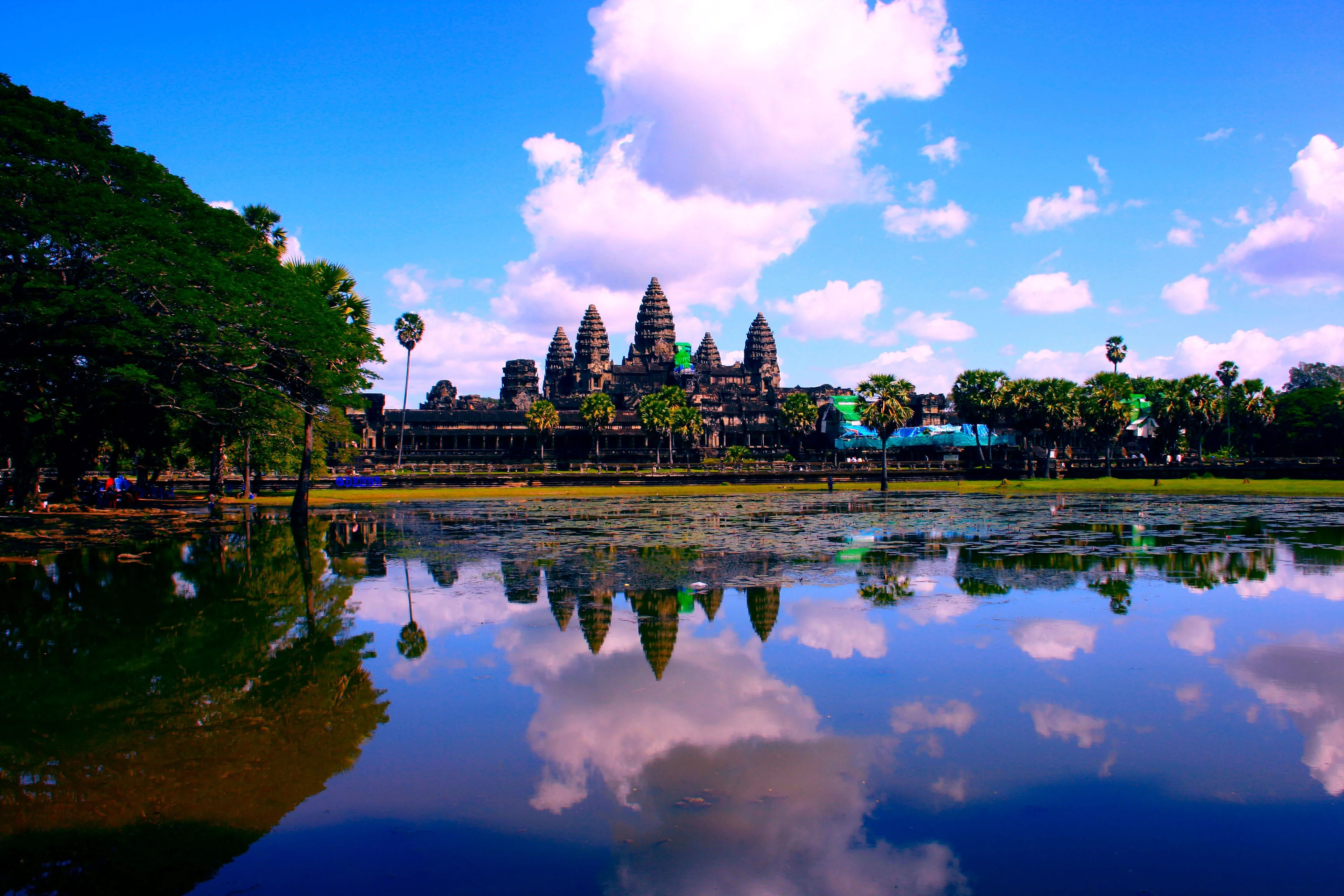
The first light of dawn cuts through the Cambodian jungle. In front of you, the five towers of Angkor Wat emerge in a symphony of pink and orange. All around, hundreds of travelers hold their breath. Welcome to Siem Reap, a small city in northwestern Cambodia that guards one of humanity's most extraordinary architectural treasures. But reducing this destination to just its temples misses the point. It is also about the colonial alleys filled with the scent of lemongrass, markets overflowing with perfectly ripe mangoes, and artisans who carve wood with the same patience as their Khmer ancestors.
Siem Reap, a paradise for long-term travelers
Let's be honest: if you hate running into other tourists, Siem Reap might disappoint you. The temples of Angkor draw crowds of visitors year-round, and for good reason. But if you accept sharing the experience with the rest of the world, you will find a destination tailored for history buffs, photographers chasing divine light, and backpackers looking to stretch their budget without sacrificing comfort.
The city is a great fit for travelers who like to mix cultural exploration with downtime. Three to five days are enough to grasp the essence of the place. That is plenty of time to explore the main temples by bike, treat yourself to a few low-cost massages, sample the booming local Khmer cuisine, and immerse yourself in the lighthearted nightlife of Pub Street. Families with children will appreciate the gentle Cambodian pace and the well-oiled tourist infrastructure. Only those seeking raw nature and total seclusion should head further out into the countryside.
A budget that will make you smile
Here is the clincher: Siem Reap remains one of the most affordable destinations in Southeast Asia. Expect to spend 15 to 25 USD per day as a backpacker (dorms for 3-6 USD, street food for 2-3 USD per meal, bike rentals), 40 to 60 USD for mid-range comfort (air-conditioned rooms, decent local restaurants, a few beers on Pub Street where happy hours offer drafts for 0.50 USD), and 100 USD or more if you are aiming for luxury with spas and gourmet dining. Passes for Angkor cost 37 USD for one day or 62 USD for three days. Bring crisp, clean US dollar bills, as it is the de facto local currency.
The temples of Angkor, of course
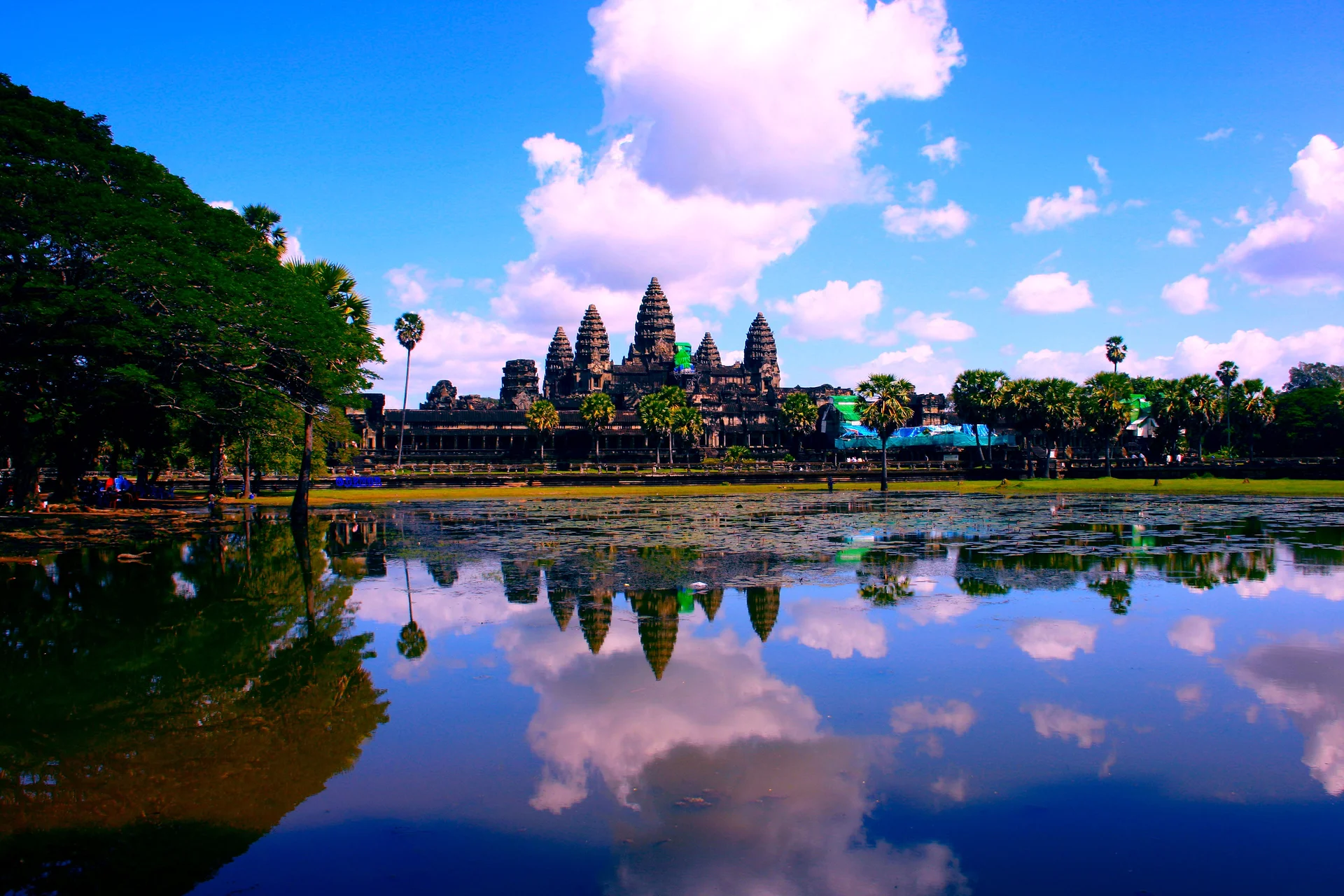
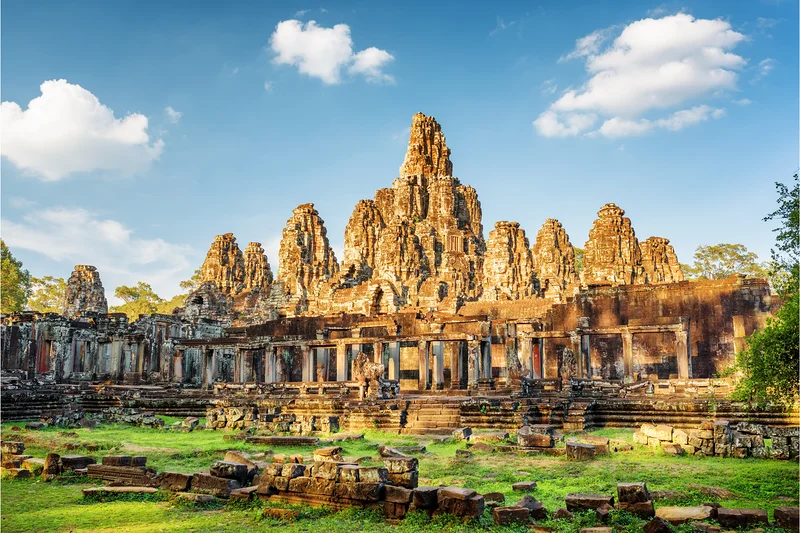
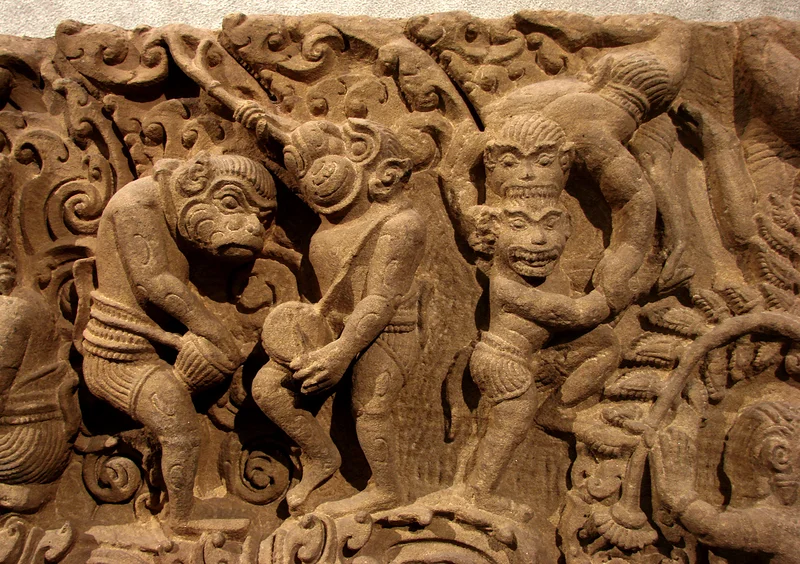
It is impossible to avoid the subject. The archaeological complex spreads across 400 square kilometers of jungle, dotted with some 50 temples erected between the 9th and 15th centuries by the Khmer Empire. Angkor Wat, the most famous, hypnotizes with its soaring towers and bas-reliefs depicting Hindu epics. But do not stop there.
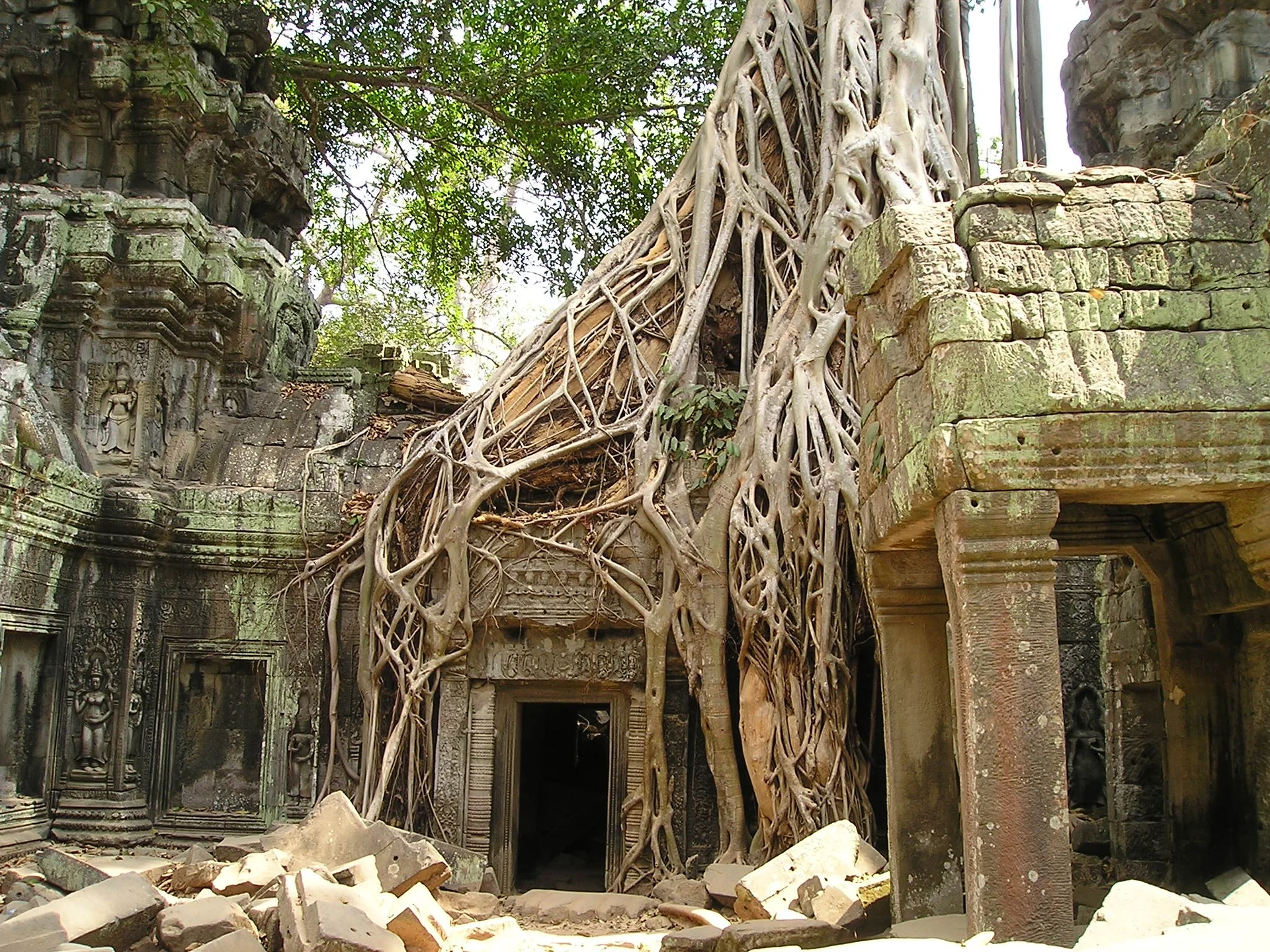
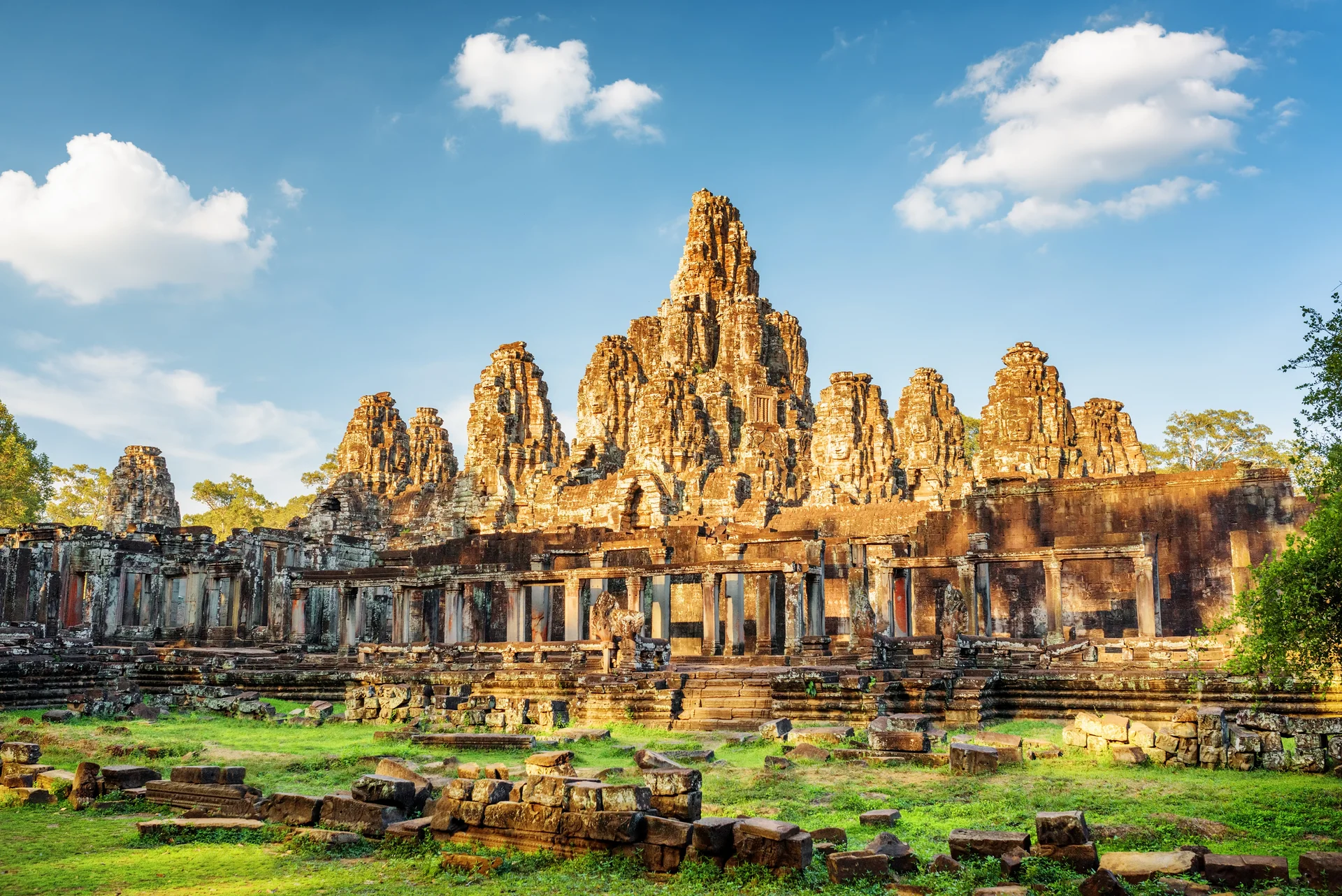
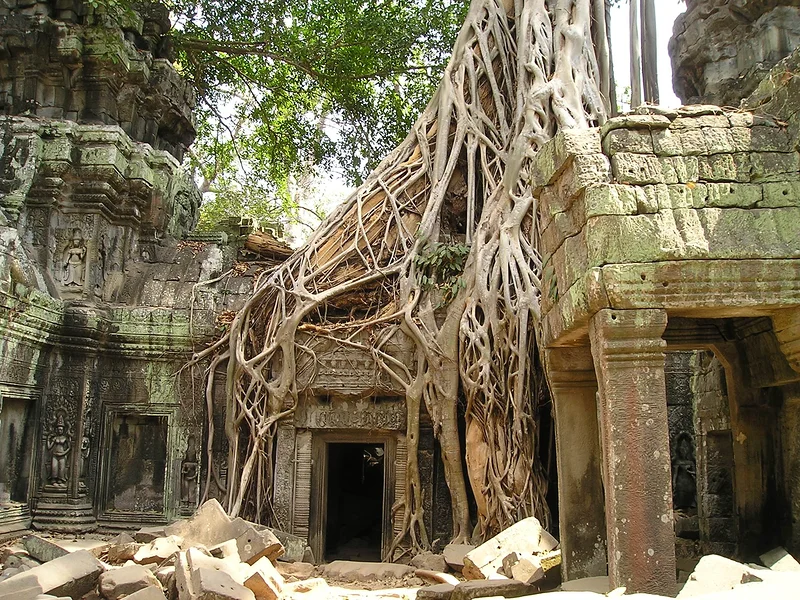
Ta Prohm plunges you into an adventure movie atmosphere, its stones strangled by the giant roots of centuries-old silk-cotton trees. Bayon, in the heart of Angkor Thom, fascinates with its 216 stone faces smiling in every direction. Less crowded temples like Preah Khan or Banteay Srei, an hour away by road, offer a welcome intimacy far from the sunrise hordes.
Friendly tip: skip the sunrise at Angkor Wat if you are dodging crowds. Instead, explore the temples by bike, taking the secondary paths winding through the forest. The route from the East Gate to the South Gate of Angkor Thom follows the moat and offers spectacular views in relative peace. Above all, equip yourself with loose, lightweight cotton pants, the famous elephant pants sold in every market for next to nothing, which are perfect for dealing with both the heat and the temple dress codes.
The colonial city and its lively markets
The downtown area of Siem Reap retains the soul of an Indochinese town. Around the Old Market (Psar Chas), faded colonial facades tell the story of the French protectorate. The market itself overflows with life from dawn, with stalls of fish freshly caught in the Tonle Sap, woven baskets, and textiles with traditional patterns.
To escape the tourist scene, head to Psar Leu, the large market where locals do their shopping. Here, you will not find Angkor Wat t-shirts, but mountains of tropical fruit, dried meats, and that daily energy that pulses to a Khmer rhythm. The Made in Cambodia Market is also worth the detour, where artisans sell their creations directly, from ceramics to hand-woven silk.
To understand the weight of recent history, visit the Landmine Museum. Its founder, a former child soldier of the Khmer Rouge, dedicates his life to demining the country. The sober, educational exhibit serves as a reminder that between 4 and 6 million mines remain buried in Cambodia. Wat Thmey, a local Killing Fields memorial, also provides necessary insight into the dark period of the genocide.
Living culture and Cambodian circus
When evening comes, attend a show by the Phare Cambodian Circus. This troupe of young Cambodian acrobats mixes impressive physical feats with contemporary stories about life in Cambodia. The performances combine traditional Apsara dance, acrobatics worthy of Cirque du Soleil, and shadow theater. The non-profit organization trains disadvantaged youth in the performing arts. Book in advance, as seats sell out quickly.
Nature escapes at the city gates
An hour to the south, the Tonle Sap lake stretches its waters over an area that varies by triple depending on the season. Between May and November, monsoon rains turn this shallow lake into a true inland sea, pushing floating villages toward the open water. Kampong Phluk offers a more authentic experience than the overly touristy Chong Kneas, with houses on 10-meter stilts, a freshwater flooded forest, and fishermen casting nets from narrow boats.
Head north this time, toward Phnom Kulen National Park. This sacred mountain houses Kbal Spean, known as the "River of a Thousand Lingas." 11th-century Hindu carvings line the rocky riverbed, including phalluses of Shiva and aquatic deities, an entire mineral pantheon polished by centuries of current. The hour-long hike through the jungle to reach it is part of the charm. On the way down, swim in the Phnom Kulen waterfalls, where Cambodian families picnic on weekends, setting up tablecloths and pots by the water.
Friendly tip: combine Kbal Spean with a visit to Banteay Srei on the same day. This small pink sandstone temple, far from the main circuits, dazzles with the finesse of its carvings. Negotiate a flat rate with your tuk-tuk driver for the full day (about 25-30 USD) to save on individual trip costs.
Getting a taste of Khmer cuisine
Cambodian gastronomy is finally stepping out from the shadow of its Thai and Vietnamese neighbors. At the heart of this cuisine is kroeung, a blend of spices and aromatic herbs that flavors curries and stews. Lemongrass, galangal, fresh turmeric, and kaffir lime leaves make up this fundamental paste. Prahok, a fermented fish with a powerful taste, plays the role of fish sauce but with more character.
As for iconic dishes, amok is a fish curry steamed in a banana leaf with coconut milk and kroeung, featuring a creamy texture and gently spiced flavors. Lok lak consists of stir-fried beef served on a bed of lettuce with a fried egg, rice, and Kampot pepper sauce. That pepper, world-renowned, is worth lingering on, as it is grown in the south of the country and delivers incomparable floral and fruity aromas.
To try all of this, you have three options. Street stalls concentrated near the markets offer stir-fried noodles, fried rice, or traditional soup for 2 to 3 USD. Khmer Grill embodies the category of adorable family restaurants where the welcome compensates for the modest decor. In the mid-range, Sugar Palm serves elevated family cooking inside a traditional teak Khmer house, and their prahok ktis (minced pork with prahok) is a must that is more accessible than the raw version.
For a gastronomic experience, Cuisine Wat Damnak is the place to go (book weeks in advance). French chef Joannes Riviere revisits Khmer classics in an 8-course tasting menu for 45 USD (38 USD for the vegetarian version), using exclusively local, seasonal products. His Mekong langoustine soup with coconut-peanut broth is worth the trip alone. Mahob and Jomno offer a similar approach, creative yet rooted, in elegant contemporary settings.
Where to eat and drink in Siem Reap?
Beyond the mentioned addresses, do not miss Little Red Fox in the charming Kandal Village for excellent Cambodian coffee in the morning (yes, the country also produces coffee), accompanied by house-made pastries. Pub Street concentrates bars and restaurants in a festive, sometimes intense atmosphere. Happy hours start early, with beers for 0.50 USD and discounted cocktails. For a cool, sweet break, Blue Pumpkin serves artisanal ice cream in air-conditioned, designer spaces, which is perfect after a morning of biking in 95-degree heat.
Khmer cooking classes are popping up everywhere. Expect to pay about 25 USD for three hours, where you will prepare three full dishes that you then eat. Many include a trip to the market to choose ingredients with the chef. It is an excellent way to bring home edible souvenirs, complete with recipe cards.
How to get to and around Siem Reap?
The brand-new Siem Reap-Angkor International Airport, inaugurated at the end of 2023, has brought the city considerably closer to the runway. Direct flights connect Siem Reap to Bangkok (1 hour), Hanoi, Ho Chi Minh City, Kuala Lumpur, and Singapore. From the US, expect at least one layover. You can get a visa on arrival for 30 USD (bring crisp bills, as Cambodia refuses damaged currency). A taxi to the center costs 30 USD, the shuttle bus 8 USD, and tuk-tuks can be negotiated to 20 USD.
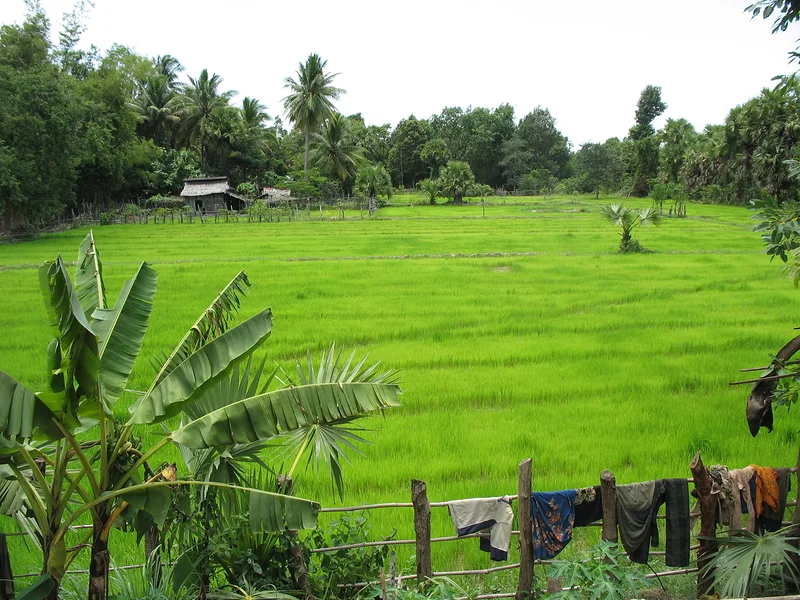
From Phnom Penh, direct buses make the trip in 6 to 7 hours through the Cambodian countryside for 10 to 15 USD. Those with time will appreciate the sight of rice paddies, stilted villages, and herds of water buffalo. Domestic flights are also available, taking 45 minutes for 50 to 80 USD.
Once you are there, forget about renting a car. The tuk-tuk reigns supreme. Expect to pay 15 to 25 USD per day for a driver who waits for you in front of every temple. Many travelers adopt the bike (5 USD per day) or the scooter (10 USD) to explore Angkor at their own pace. The city center remains pleasantly walkable. For Pub Street, your own two legs will be more than enough.
When to go?
The dry season from November to March offers ideal conditions: bearable temperatures (77-86°F), clear skies, and vegetation that is still green after the rains. It is also the high tourist season, with prices climbing and temples crowded at sunrise.
April and May turn the country into a furnace (up to 104°F), while June through October bring the monsoon rains. But do not underestimate the monsoon. Showers rarely last all day, the temples regain their magic under the mist, and prices drop by 30 to 50 percent. The Tonle Sap lake reaches its maximum level, which is a sight not to be missed.
Siem Reap is the ideal starting point for visiting the Angkor temples. But the city itself is also worth lingering in. It is lively, bustling, and very tourist friendly, with plenty of restaurants, markets, and places to go out. I had a really pleasant stay there, both practical and full of great discoveries.