Visiting Cabrales
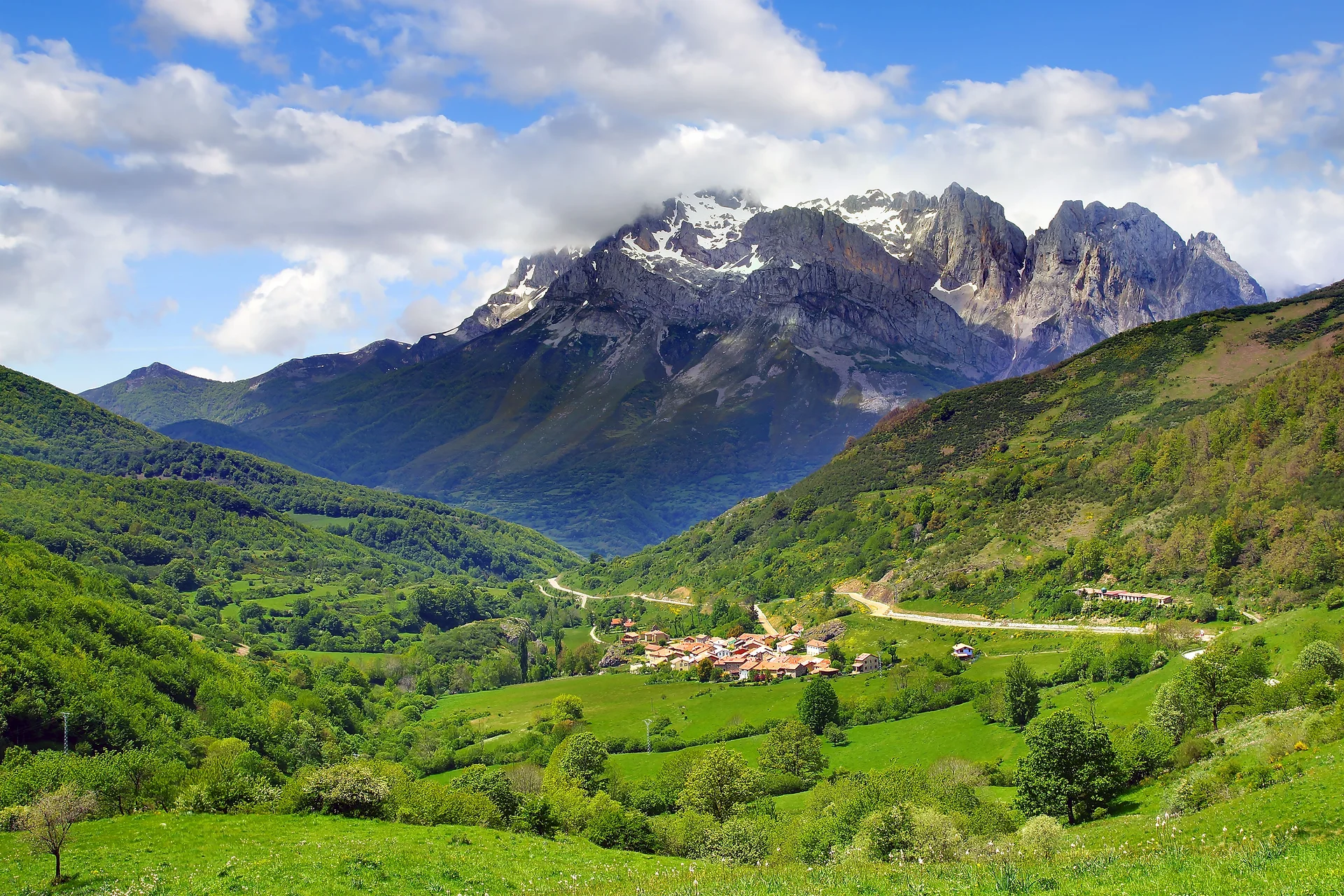
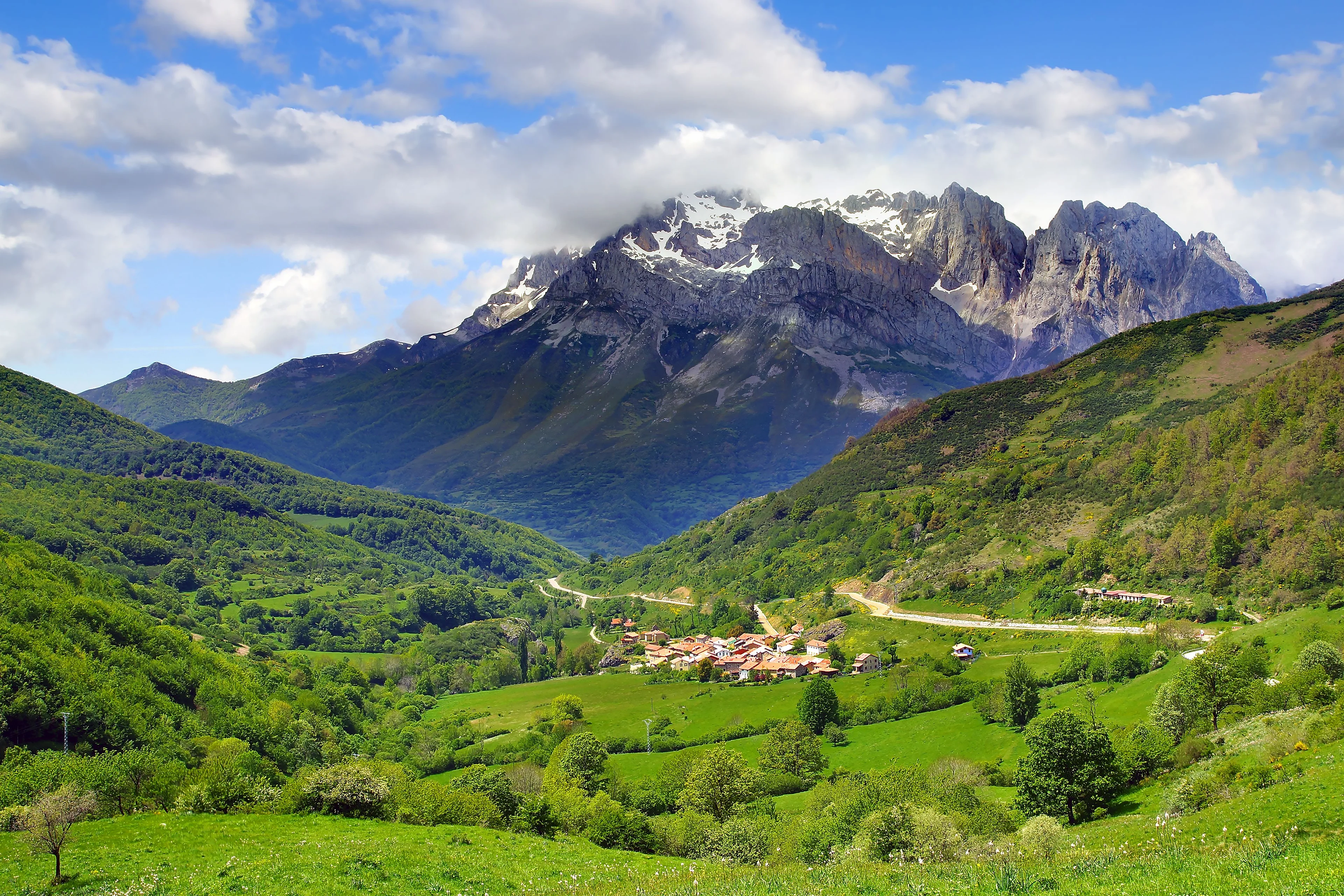
Cabrales is a Spanish municipality located in the autonomous community of Asturias in the north of the country, subdivided into nine parishes: Arenas, Berrodia, Bulnes, Carreña, Poo, Prado, Puertas, Sotres, and Tielve. The municipality serves as the gateway to the central massif of the Picos de Europa, a magnificent national park with a section designated as a UNESCO biosphere reserve since 2003. The contrast between jagged limestone peaks and verdant, flower-strewn pasturelands creates striking scenery, anchored by the Torre de Cerredo reaching an altitude of 2649 metres. Local wildlife includes wolves, bears, and chamois. It is also a haven for birds of prey, notably golden eagles and vultures.
Dramatic Landscapes
Cabrales sits within a deeply contrasting terrain. This begins with the deep chasms surrounding the municipality at the Sistema del Trave, where the earth opens up to depths reaching 1000 metres. The Covaciella Cave, named a UNESCO World Heritage site in 2008, features impressive cave paintings dating back more than 14,000 years. A full-scale reproduction of these prehistoric artworks is on display at the Prehistory Park in the town of Teverga.
Among the essential hikes in the Picos de Europa is the Cares Trail. Originally carved out to provide passage for workers maintaining the water canal for the Camarmeña-Poncebos hydroelectric plant, it is now open to the public and winds through deep gorges and sheer cliff faces. The Cares Trail spans 12 kilometres and makes for an incredible day hike.
Mountain enthusiasts and climbers will want to take the funicular up to Bulnes, a village long isolated from the outside world and connected to the valley only by a mule track. Bulnes is the departure point for the Naranjo de Bulnes, also known as Picu Urriellu, an iconic peak reserved for experienced alpine mountaineers.
Exploring Asturian Traditions
The signature product of Cabrales is its famous blue cheese of the same name, a pungent, sharp cheese comparable to Roquefort. To learn how it is made, visit the Cabrales Cheese Cave Museum in Arenas de Cabrales, set inside a natural cave where production conditions are ideal and traditional techniques are still used.
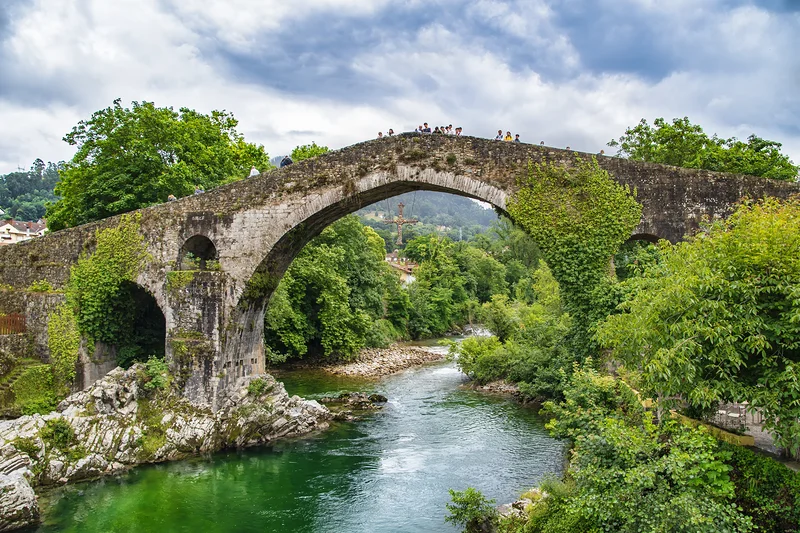
Wander through the small villages that make up Cabrales to take in the pastoral landscapes of traditional stone houses, bridges, streams, and meadows. In Arenas de Cabrales, the most populous village, look for the baroque-renaissance palace of los Mestas y Cossio, the Santa Maria de Llas church, and its two chapels.
When to go
To fully enjoy outdoor activities in Cabrales and the Picos de Europa, plan your trip for spring or summer.
How to get there
To reach Cabrales by car, take the AS-114 regional highway. A daily bus network, with increased service during the summer months, connects Cangas de Onís to Arenas de Cabrales.