
Bilbao, where titanium meets txakoli
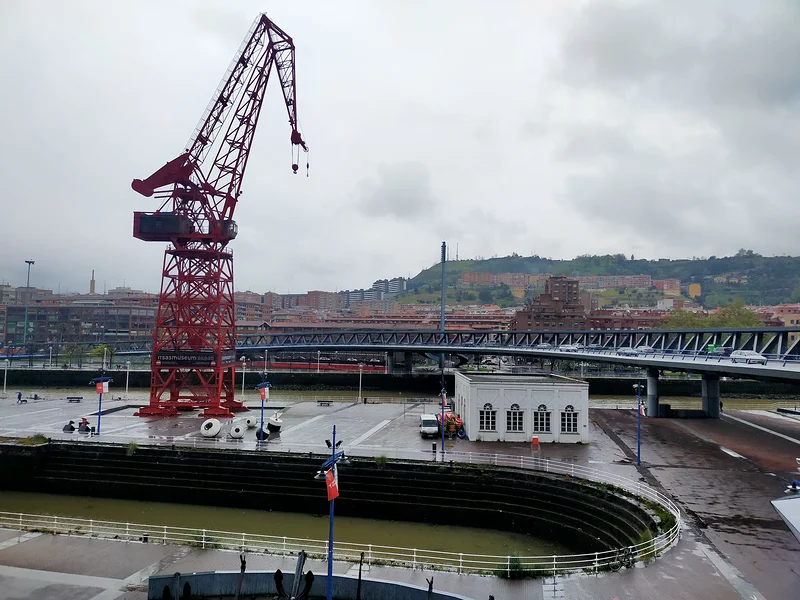
A metal fish curves along the edge of a repurposed industrial river. A giant spider stands guard outside a museum that defies gravity. And a few streets away, locals leaning against zinc bars count their toothpicks to settle the tab for their pintxos.
This unlikely pairing is everyday life in the capital of the Spanish Basque Country, a city that pulled off one of Europe's most dramatic urban comebacks.
The Basque renaissance
This destination is built for travelers who appreciate walkable cities, where you can pair a world-class museum with an authentic bar crawl in the same afternoon. Fans of contemporary architecture, food lovers, and travelers chasing a strong cultural identity will find their groove here.
On the flip side, if you want a beach right outside your hotel or high-octane nightlife similar to Barcelona, look elsewhere. The oceanic climate also means you need to make peace with some dampness, as rain is part of the scenery, especially between October and April. Plan on two to three days to thoroughly explore the city and its immediate surroundings.
A reasonable budget for northern Spain
The Basque Country remains one of the pricier regions in Spain, but prices stay well below French rates. Budget between $90 and $169* per day for a couple, covering 3-star lodging (roughly $79-$113* a night), meals on a pintxos crawl ($17-$29* per person), and a couple of museum entries.
Casco Viejo: The soul of the Seven Streets
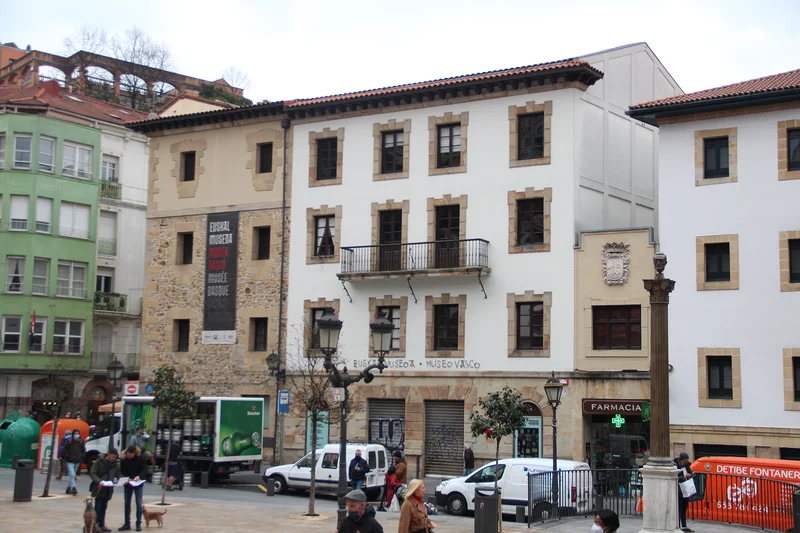
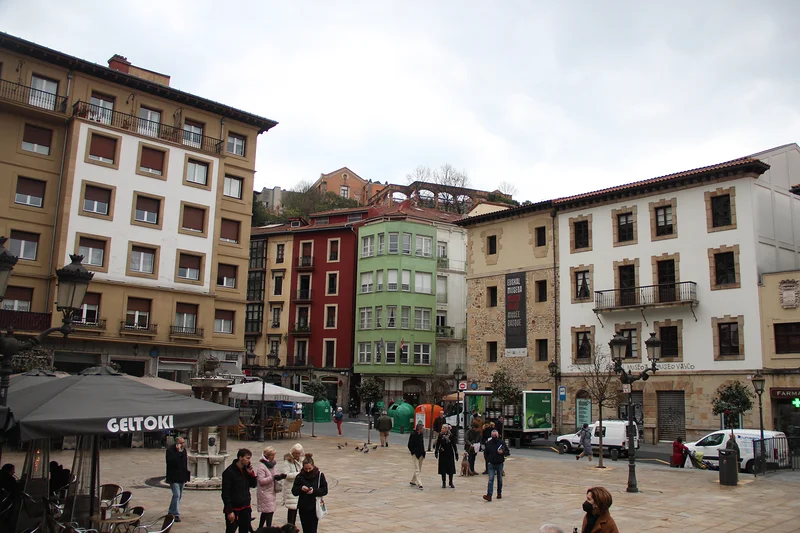
The beating heart of the city hides within the maze of the Siete Calles, the seven parallel streets that have formed the historic core since the Middle Ages. The colorful facades of traditional houses rub shoulders with lively restaurant patios, and the mood shifts completely between the morning quiet and the buzz of aperitivo hour.
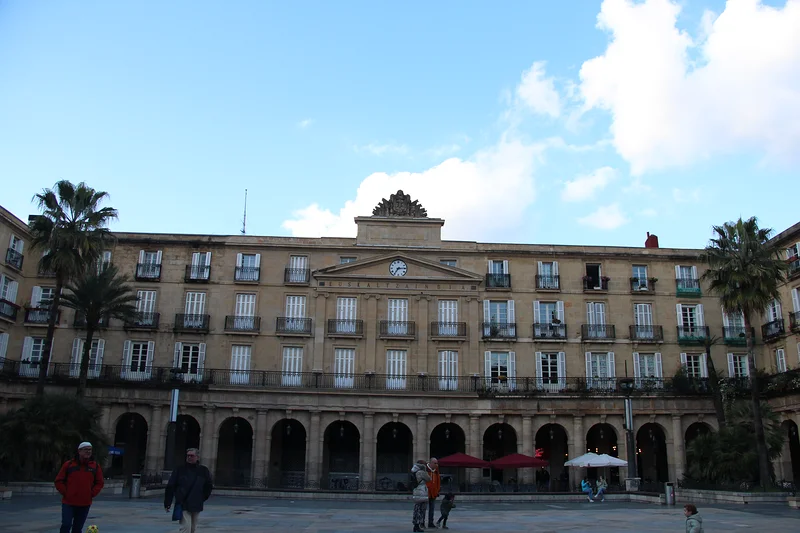
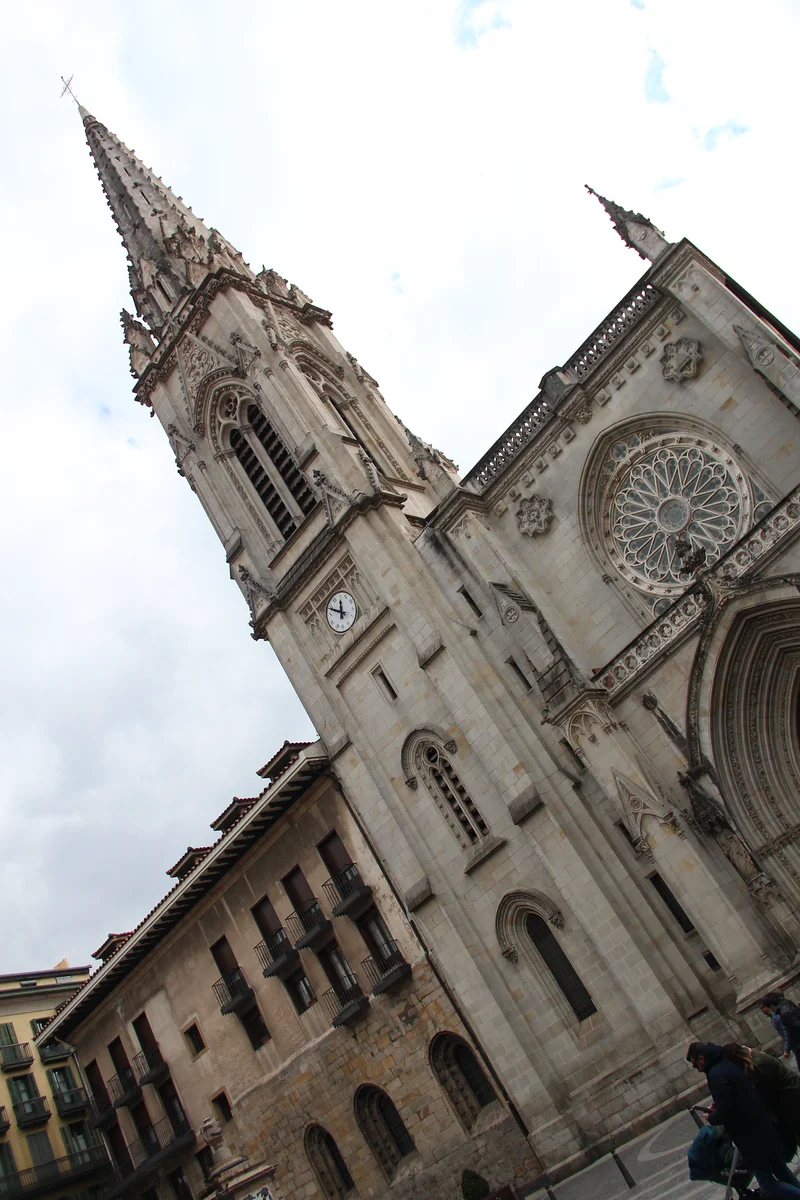
Plaza Nueva forms the epicenter of this joyful hubbub. Its neoclassical arcades house some of the top pintxos bars in the region. On Sunday mornings, a flea market sets up here, mixing antiques and curiosities. Just steps away, Santiago Cathedral reveals a gorgeous Renaissance portal tucked into the narrowness of the alleys.
Friendly tip: Skip Plaza Nueva on Saturday nights if you want to dodge the crowds, and aim for a Thursday night to catch the local scene without the tourist crush.
Mercado de la Ribera
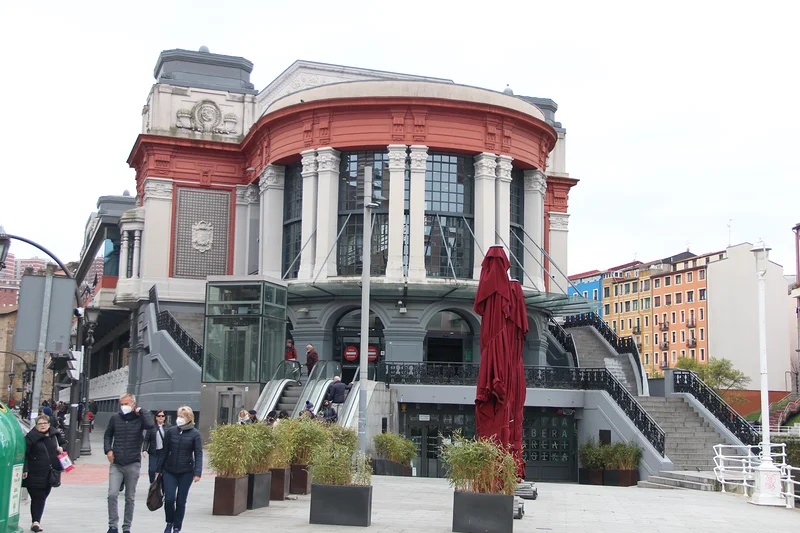
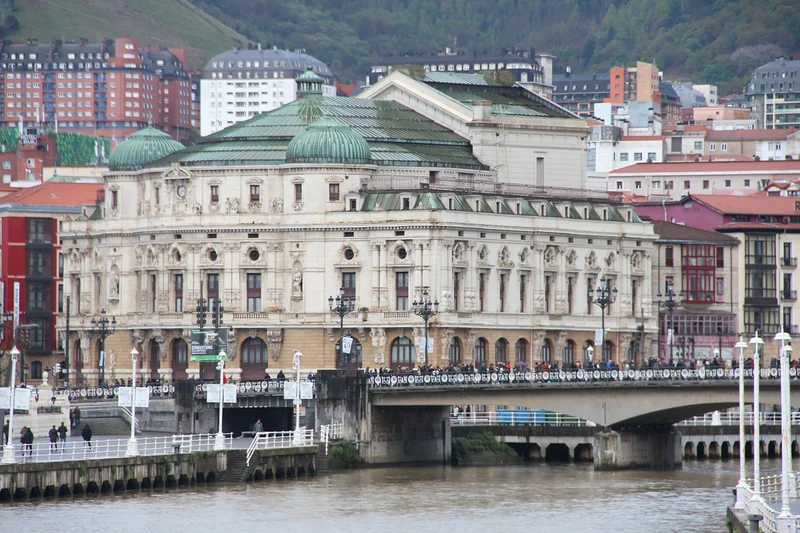
Ranked among the largest covered markets in Europe, Mercado de la Ribera runs alongside the Nerviión river inside an Art Deco building. You will find the products that make the Basque region proud: fresh fish from the Cantabrian coast, smoked Idiazábal cheese, and Ibarra guindilla peppers. The upper level features food stalls where you can eat on site.
The Guggenheim district: The icon and its neighbors
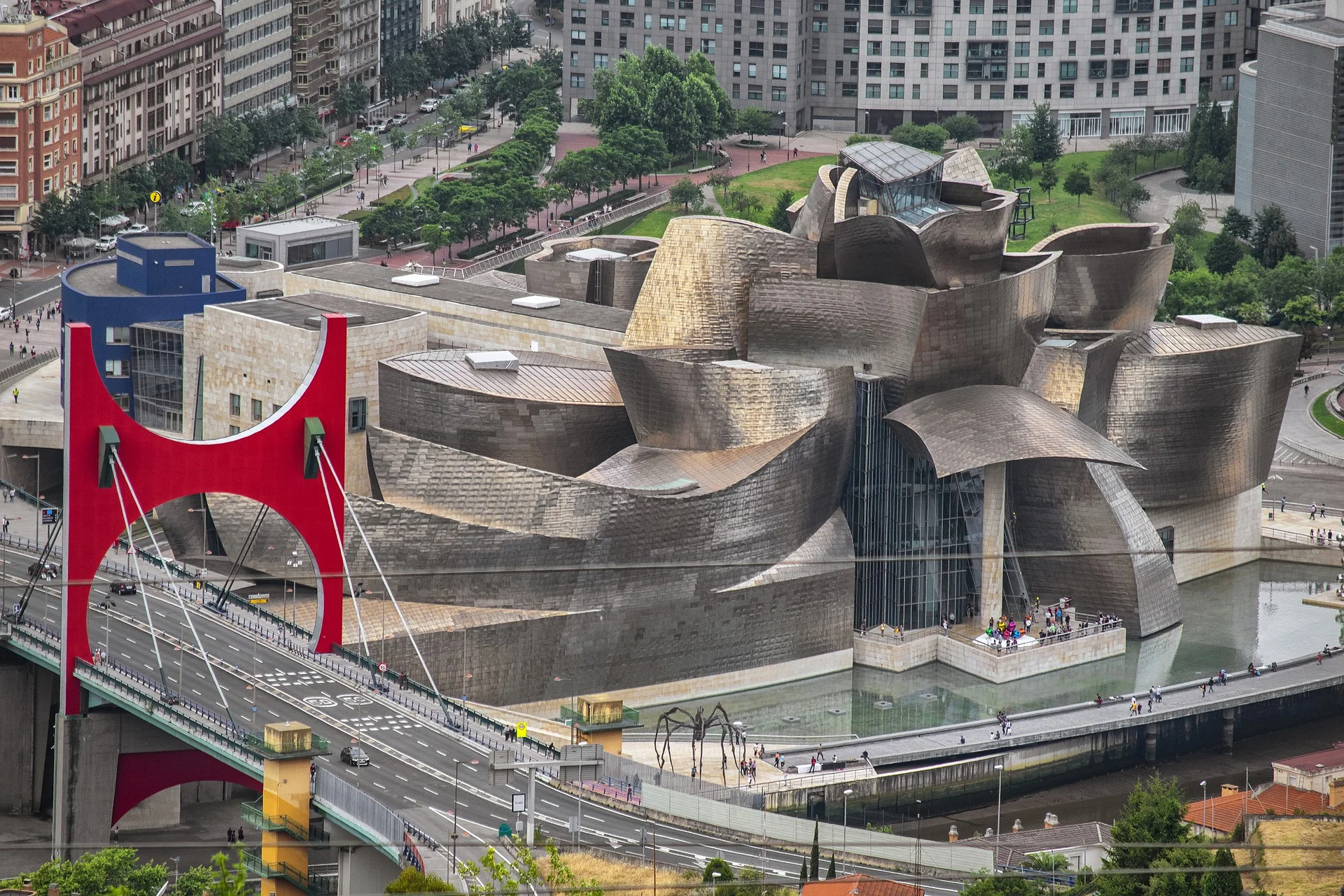
There is no getting around it: the Guggenheim Museum practically resurrected this former industrial city in 1997. Frank Gehry's building, with titanium curves that look liquid under shifting light, deserves a full perimeter walk before you even step inside.
Outside, Puppy, the giant floral dog by Jeff Koons, watches the entrance while Maman, the spider by Louise Bourgeois, stretches its unsettling legs out back. The permanent collections showcase monumental works by Richard Serra and other contemporary art heavyweights.
Friendly tip: Book your tickets online to skip the line, and visit in the late afternoon. The low light hitting the metal scales of the building creates an unforgettable show.
Beyond the museum
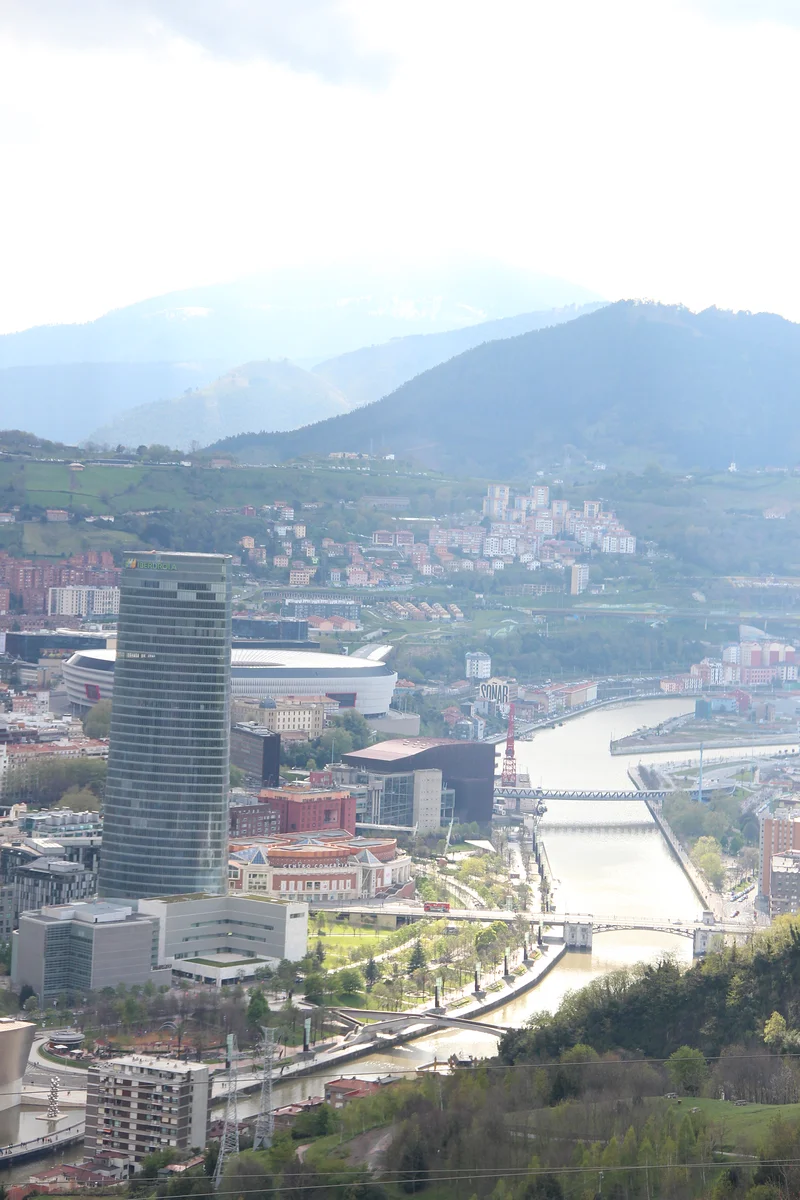
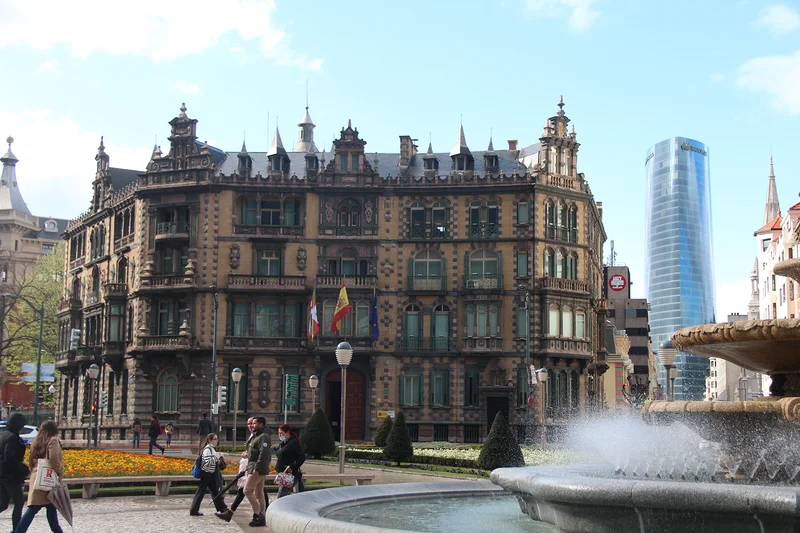
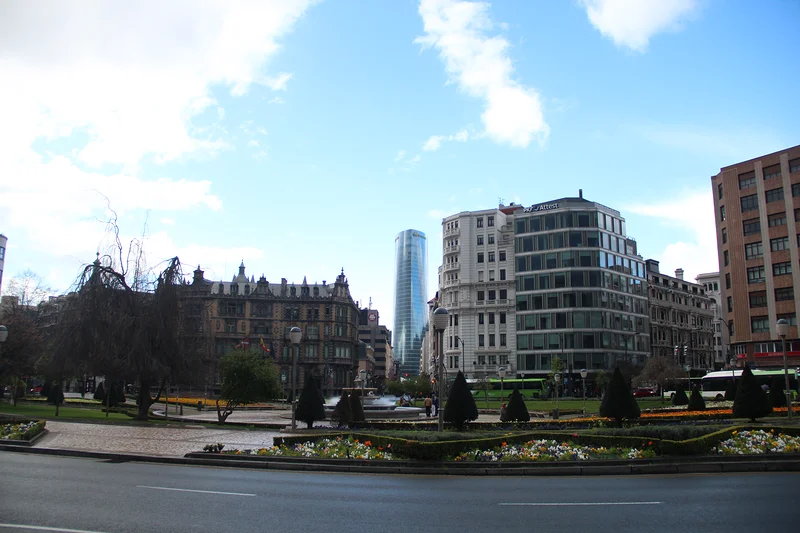
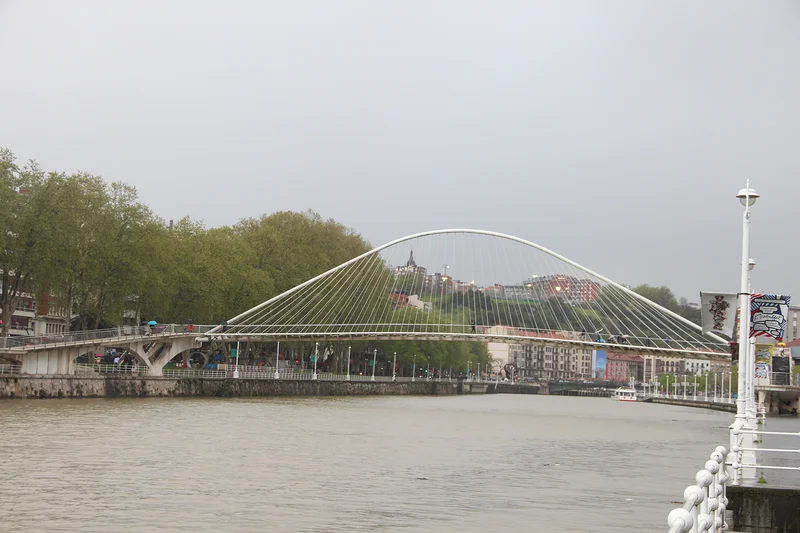
The neighborhood surrounding the Guggenheim hides other architectural treasures. The Zubizuri pedestrian bridge, designed by Santiago Calatrava, spans the Nerviión with its tilted white arch. The Iberdrola Tower, a 165-metre skyscraper, overlooks República de Abando park, a former industrial yard transformed into a green lung.
Ensanche and the heights of Artxanda
The Ensanche neighborhood rolls out stately boulevards lined with grand 19th-century buildings. This is where you will find upscale boutiques and gourmet pintxos bars, particularly around Ledesma street and Plaza Moyua.
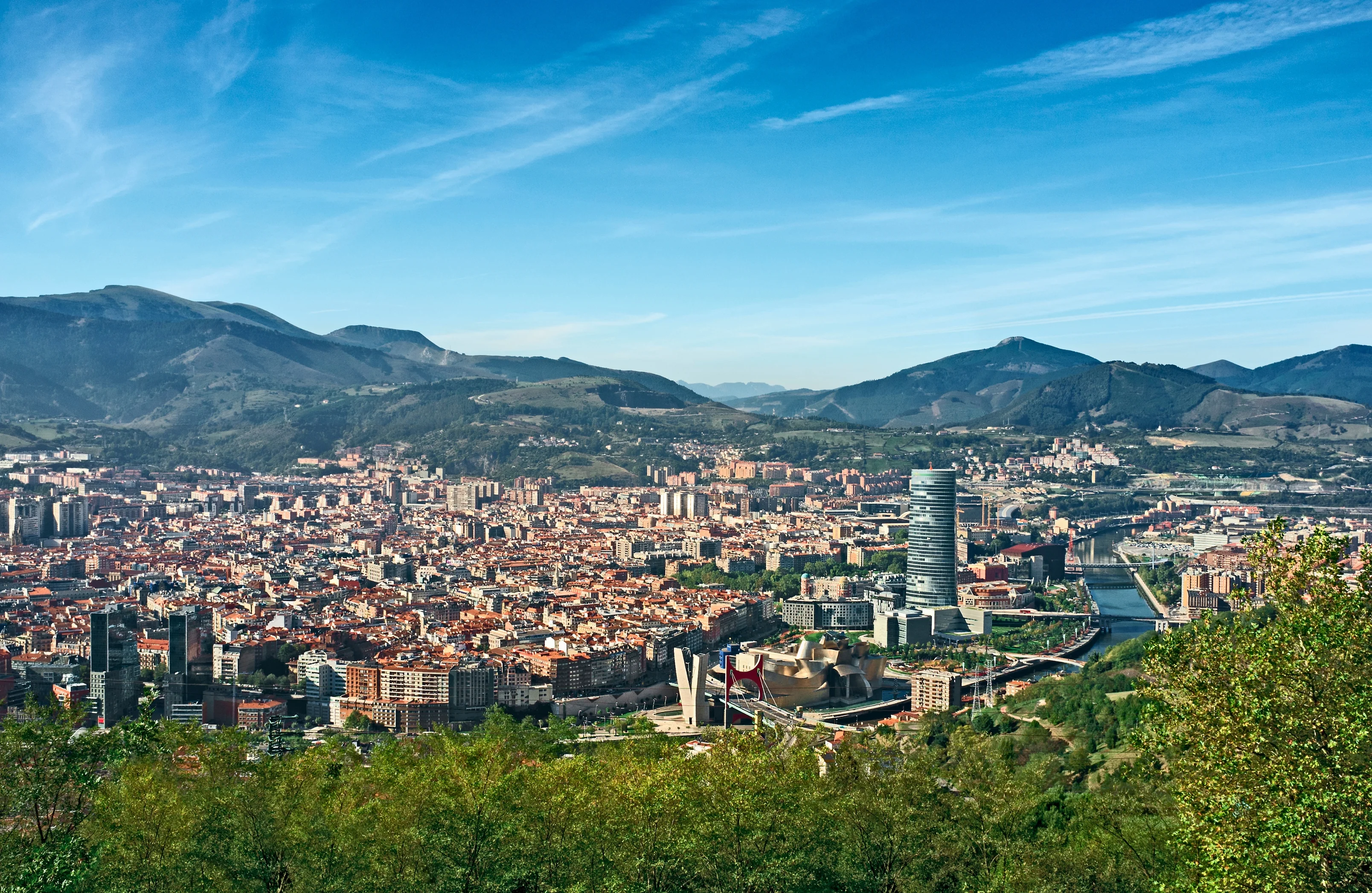
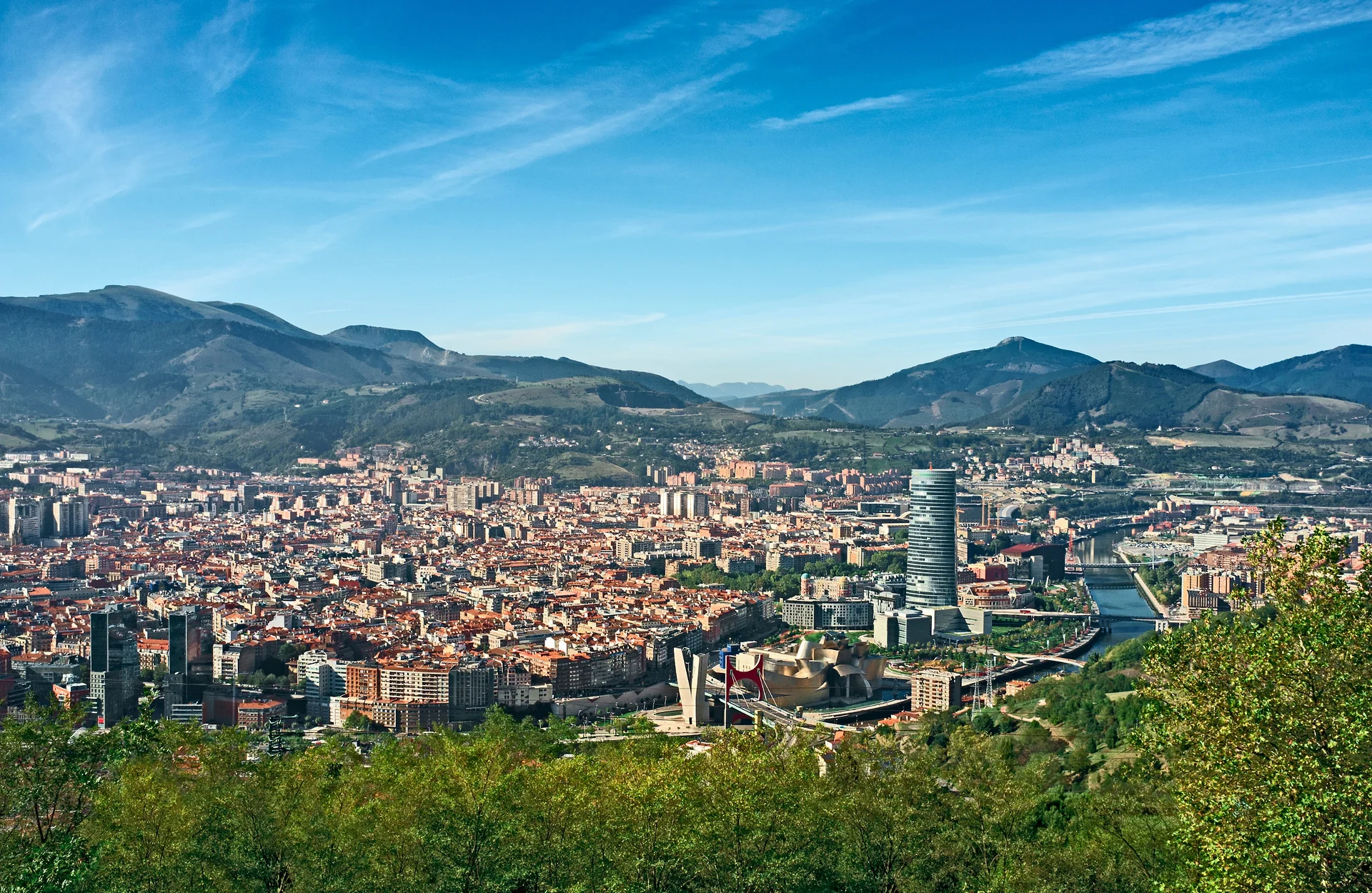
For a view from above, the Artxanda funicular climbs in three minutes to a viewpoint framing the entire city. The vista helps you understand how the metropolis grew along the Ría, the river that fueled its industrial wealth before becoming the axis of its renewal.
Friendly tip: Head up to Monte Artxanda late in the day for the sunset, then hike back down via the forest trails if weather permits.
Day trips around the city
Twenty minutes away by subway, Getxo unveils beaches, Belle Époque villas, and the Vizcaya Bridge, the world's first transporter bridge and a UNESCO World Heritage site. You can cross the Ría suspended in a gondola or walk the upper walkway if you are chasing thrills.
Further north, the fortified rock of San Juan de Gaztelugatxe, made famous by the series Game of Thrones, demands 241 steps to reach its hermitage. Guernica, the martyred city immortalized by Picasso, offers its Peace Museum and the symbolic oak tree where Basque assemblies once gathered.
Where to eat and drink in Bilbao
The culinary scene rests on two pillars: pintxos and haute cuisine. The bar-hopping tradition known as poteo involves bouncing from spot to spot while grabbing just one or two bites at each place, washed down with txakoli (a slightly sparkling local white wine) or a zurito (a small glass of beer).
Must-try specialties include the gilda (olive, anchovy, and pepper on a toothpick), cod a la bilbaína or pil-pil style, kokotxas (hake cheeks in green sauce), and txipirones (squid in their own ink). On Plaza Nueva, Gure Toki serves innovative creations while Victor Montes keeps a century-old tradition alive.
How to get to and around Bilbao
Loiu Airport sits 12 km from downtown, connected by a bus shuttle (roughly $3.40*, 25 minutes). From North America, you will connect through Madrid, Barcelona or another European hub; there is no direct service. By car, plan on about an hour and three quarters from Bayonne and three hours from Bordeaux via the highway.
Once you are there, walking is enough to explore the center, with thirty minutes separating the two ends of the tourist zone. The subway, with a design by Norman Foster, efficiently serves outer neighborhoods and Getxo. A single ticket costs between $1.60 and $1.90* depending on zones.
When to go
Spring (April-May) and early fall (September-October) strike the best balance between fair weather and manageable crowds. Summer draws heavy tourist traffic, peaking during Semana Grande (late August), a nine-day festival that energizes the entire city. Winter stays mild but damp, offering the perk of lower hotel rates and empty museums.
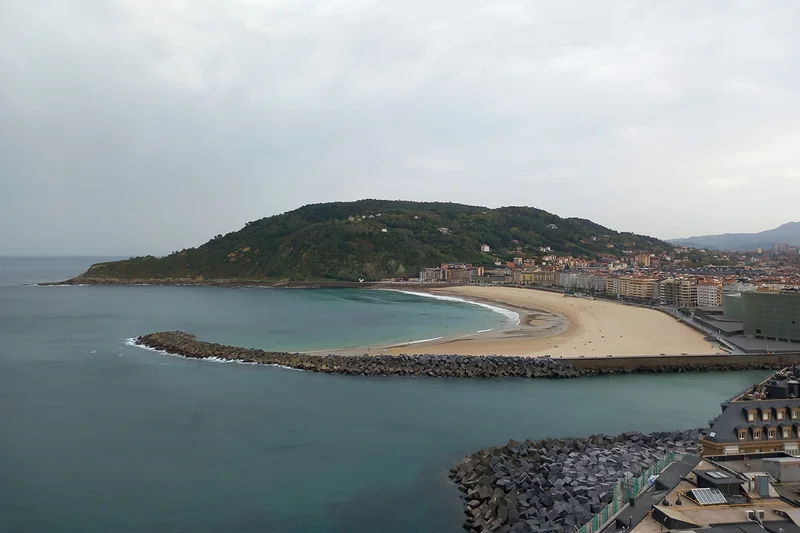
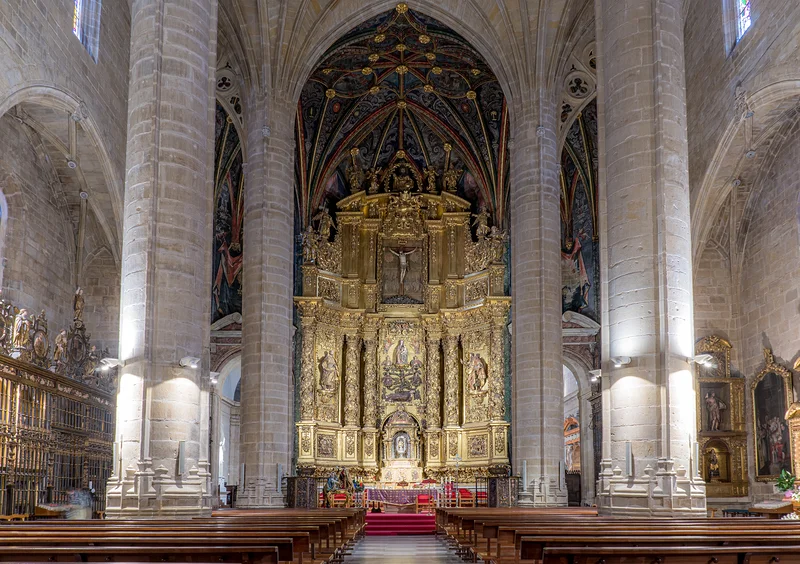
I knew Bilbao had become a popular and sought after destination.
It is true that the city offers a ton of activities and an ideal location right by the water.
But to fully appreciate the setting, I recommend you take a trip to the Mirador de Artxanda by taking the funicular.
You will get a superb view of the city's treasures, including the Guggenheim museum, the old town, and the many bridges!