Visiting Logroño
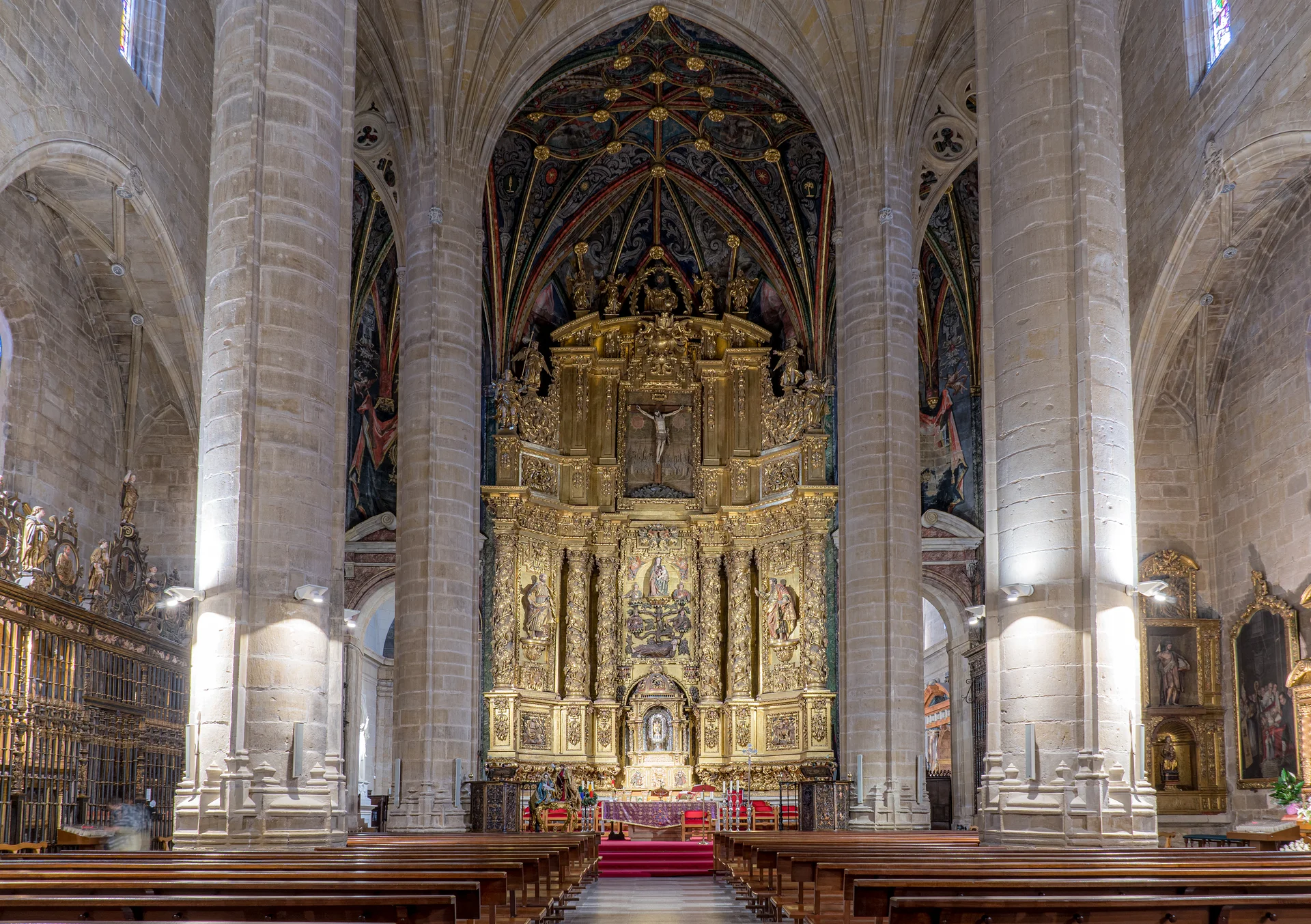
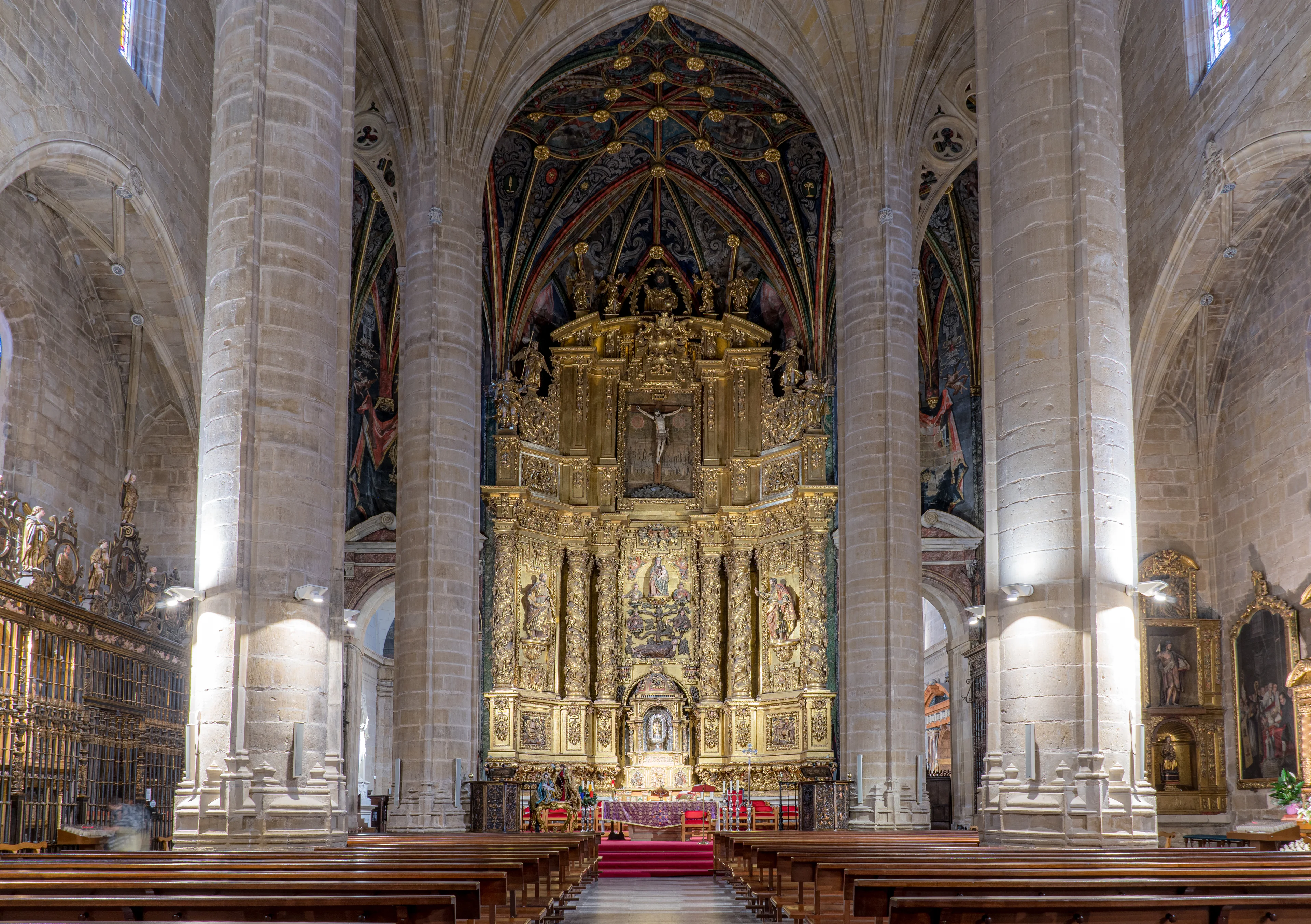
As the capital of the autonomous community of la Rioja, Logroño makes for a rewarding cultural and culinary stop in Spain. Mentioned as far back as Roman times under the name Vareia, Logroño has centuries of history behind it. During the Middle Ages, it was fiercely contested by rival Iberian kingdoms, particularly Navarre and Castile. Today, you can still see fragments of its ancient fortifications, including the Cubo del Revellín, a round 16th-century artillery tower. The city also features four historic churches, among them the baroque co-cathedral of Santa María de la Redonda, built on the foundations of a circular Romanesque temple that inspired its name. Inside, you will find a Calvary scene attributed to Michelangelo.
A major stop on the Way of Saint James
Logroño grew significantly around the pilgrimage route of the Camino de Santiago, which runs along the city's oldest street, the rúa Vieja. This street is home to the Pilgrims' Hostel, a key resting place for travelers. Historically, pilgrims crossed the Ebro on an 11th-century bridge attributed to Saint John of Ortega. After that structure was destroyed, a stone replacement was built in the 19th century under the same name: the modern Puente de Piedra remains the crossing point where pilgrims traverse the Ebro river to enter the city.
Anchored by the church of Santiago el Real, plaza Santiago serves as another major gathering spot along the pilgrimage route. It features the Pilgrims' Fountain alongside a life-sized game of the goose laid out in the public square, complete with Camino-themed motifs.
Exploring La Rioja, northern Spain
Logroño is an ideal base for exploring La Rioja, a region famous for its countless bodegas where you can taste world-renowned wines. The local culinary scene is equally robust because the fertile plains of la Rioja produce an abundance of vegetables, including asparagus, beans, bell peppers, and artichokes.
To dive deeper into the region's history, head to the Museum of La Rioja, housed in the Espartero Palace, a magnificent 18th-century mansion. Its extensive collection covers local art and history from prehistoric times to the present day.
Just about twenty minutes outside Logroño sits one of the most striking landscapes in the valley, the Peña Bajenza, a collection of sheer rock pillars carved by erosion where colonies of vultures soar overhead.
When to go
La Rioja is at its best between May and September. Around September 21, Logroño comes alive with parades and festivities for the Grape Harvest Festival, known locally as the Fiestas San Mateo. It is an event worth planning your trip around if you happen to be in the area.
How to get there
Direct flights operate from Madrid to the Logroño-Agoncillo airport. If you are driving, the city connects easily via the A-68, N-120, and N-232 highways. For rail travelers, direct trains run from Madrid, Bilbao, and Zaragoza.