
Visiting Pamplona, Capital of Navarre
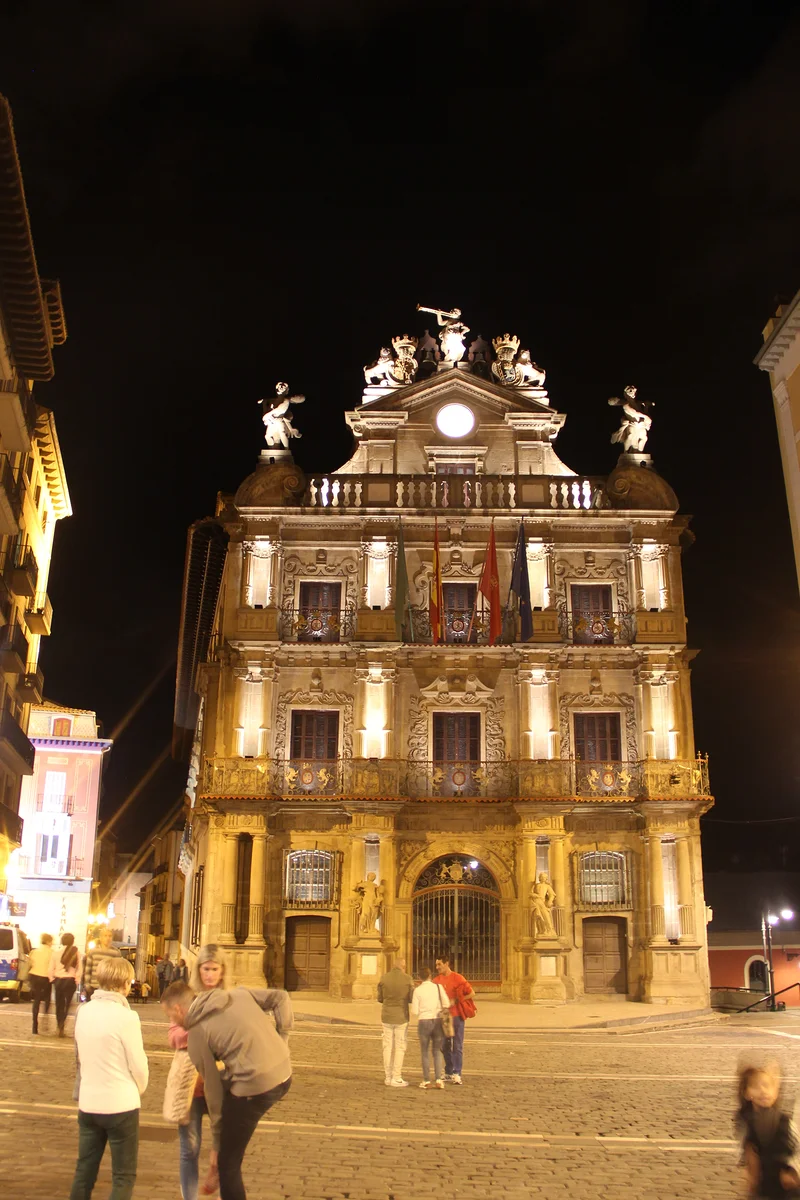
Certain cities live rent-free in the global imagination, and hearing Pamplona immediately conjures images of chaotic summer revelry. Picture a packed square awash in red scarves beneath an ornate facade: you might not know yet that you are looking at the Ayuntamiento de Pamplona, but its baroque elegance instantly commands attention. The baroque city hall was in fact born of the union of the three independent boroughs, decided in 1423, and built where they met, setting a tone of civic harmony that endures. Pamplona balances its deep history with a forward-looking energy, all right at the foot of the Pyrenees. The Navarrese capital has been a presence here since 74 BC.
A City Built by History
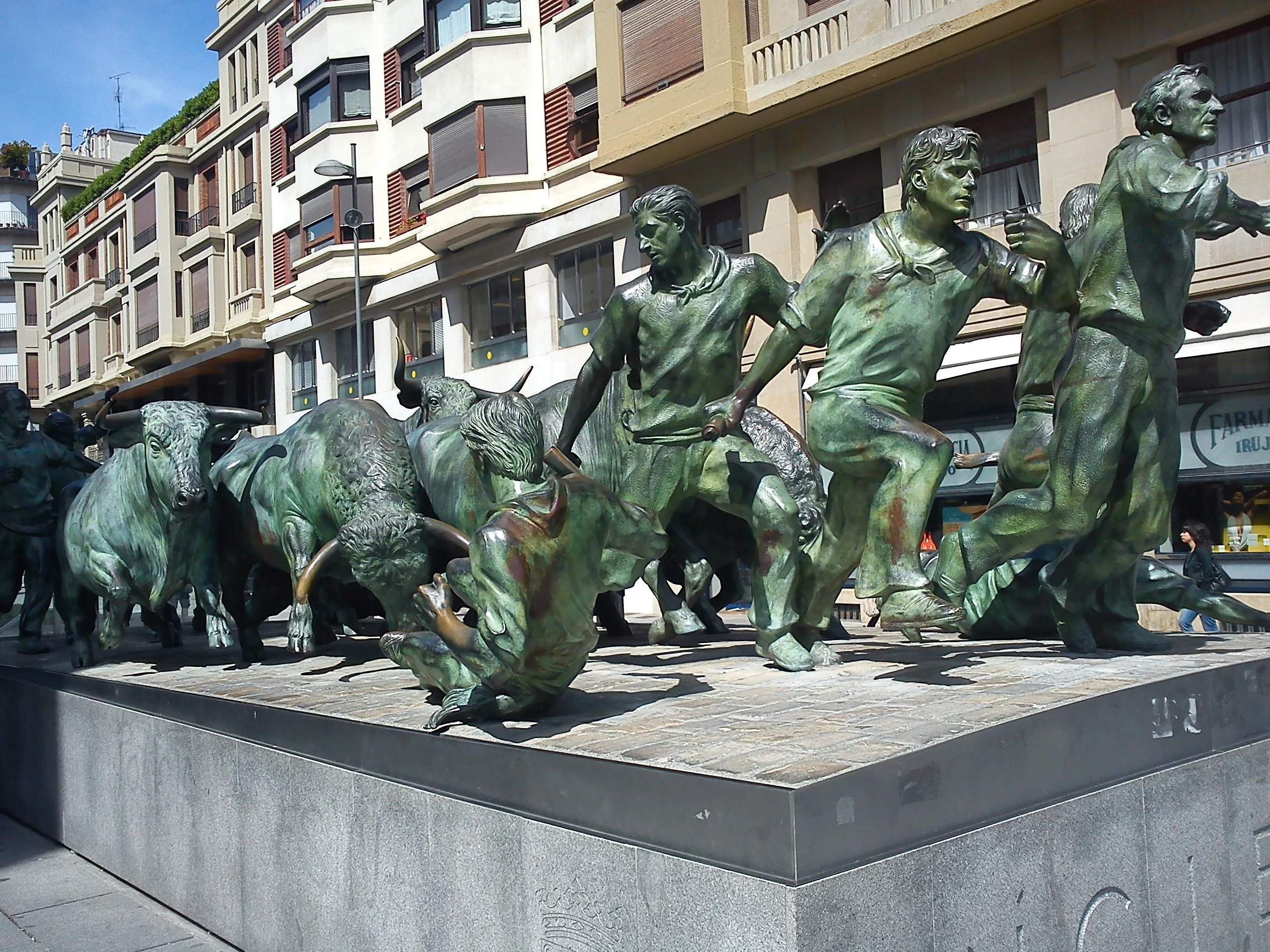
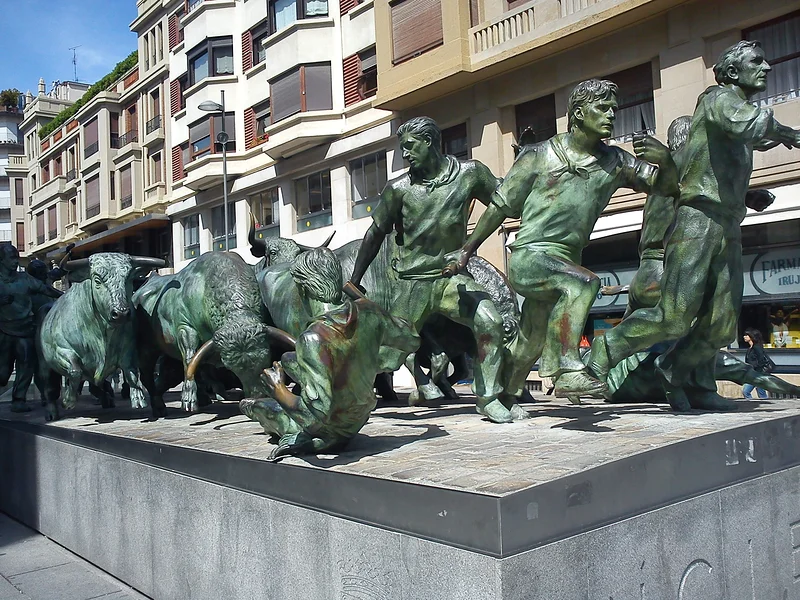
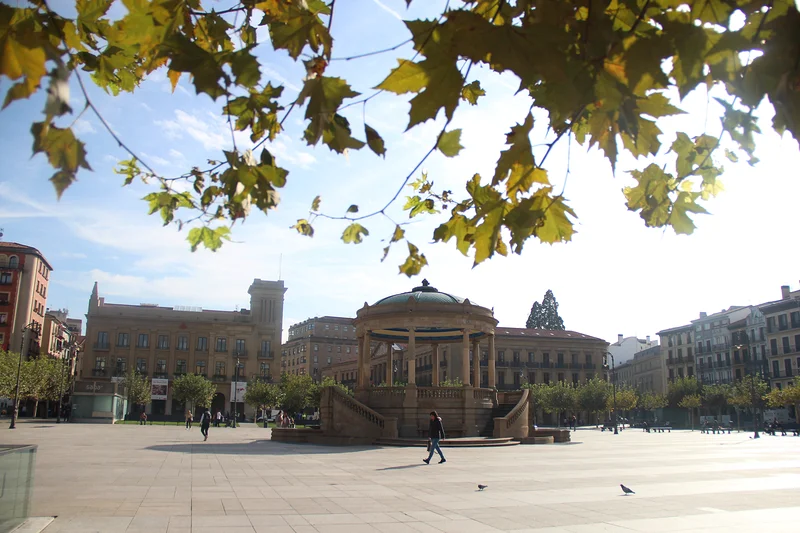
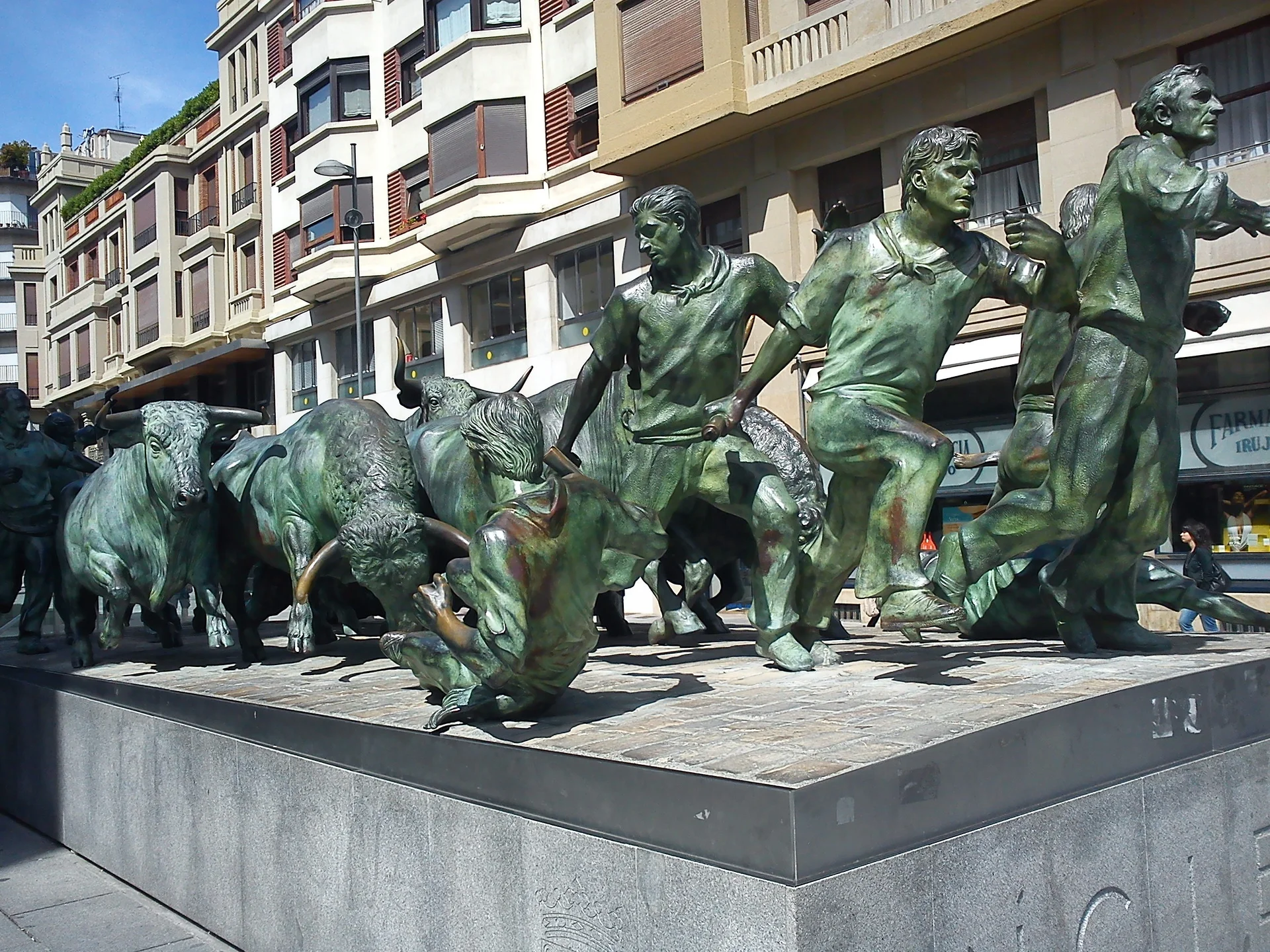
Right in the center, even without a castle, the Plaza del Castillo remains the premier gathering spot. Spanning 14,000 m² (150,000 sq ft) framed by colorful buildings and shaded arcades, it holds a distinct atmosphere anchored by a bandstand that once captivated Ernest Hemingway. Head into the historic quarters and the medieval layout takes over: Plaza Consistorial features the grand city hall facade, from where the chupinazo rocket kicks off the San Fermín festival. The festival even has its own larger-than-life sculpture crafted by Huerta, capturing realistic runners dodging bulls along Avenida Roncesvalles.
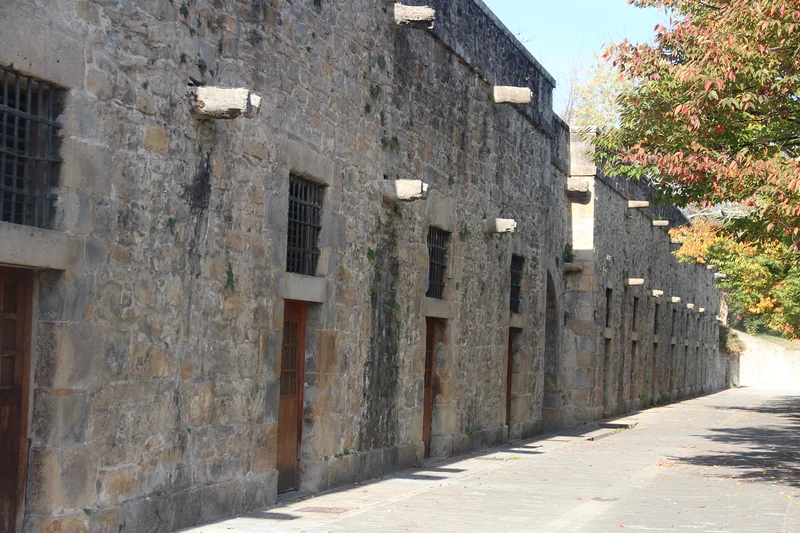
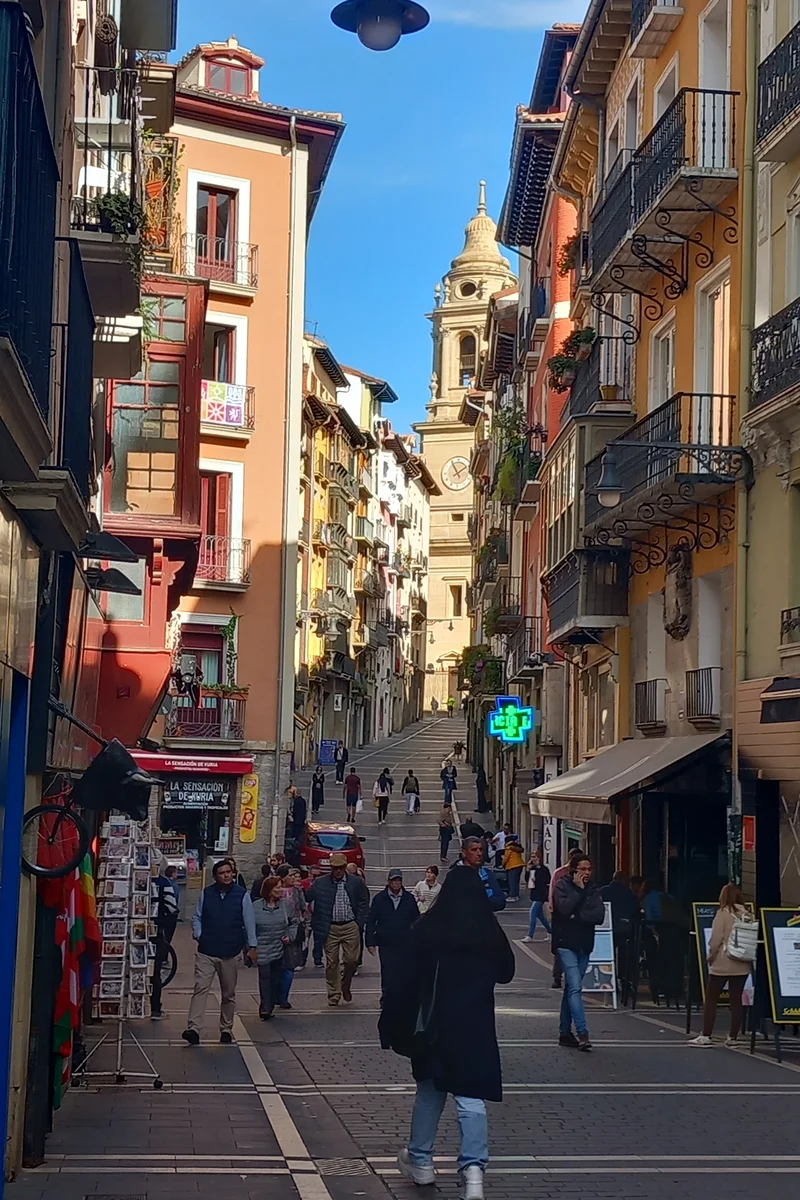
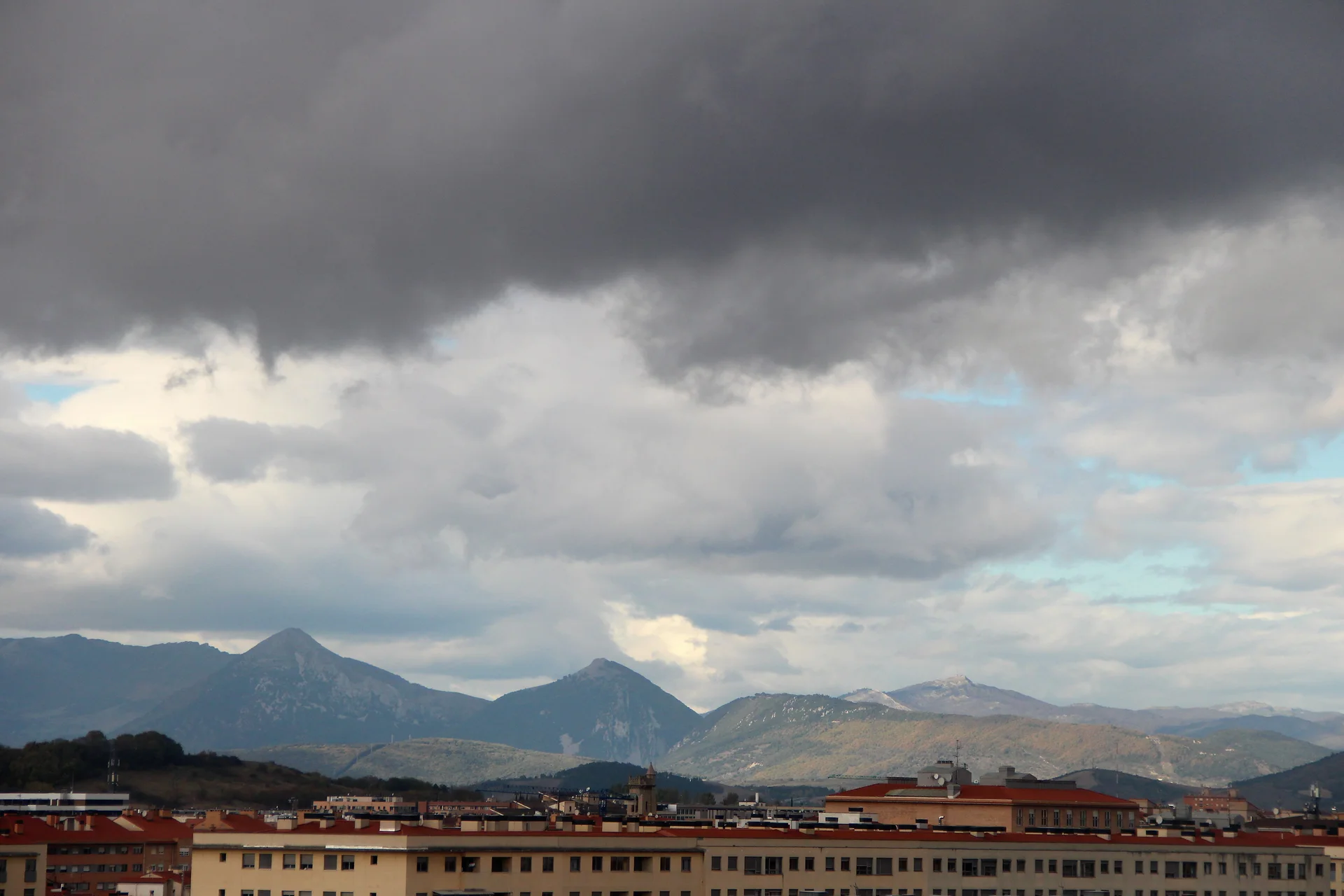
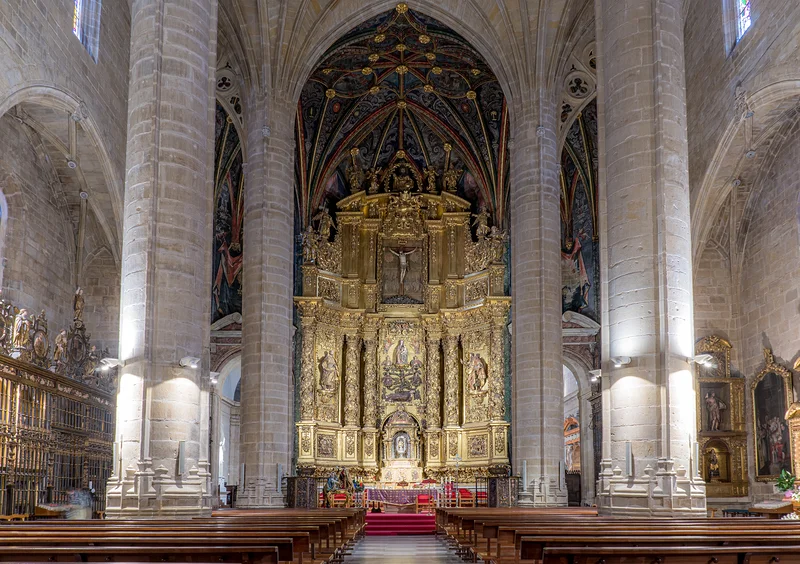
Monumental architecture defines Pamplona, starting with Santa María la Real Cathedral, a Gothic masterpiece featuring three naves and an intricate cloister. Completed in 1501, it sits right next to the Diocesan Museum. Do not skip the fortress-like former church of San Nicolas or San Lorenzo Church, a true architectural gem. Encircling the old quarters, the ramparts attest to the city's fortified past and stretch for five kilometres (three miles) of elevated walking paths with sweeping views toward the Pyrenees. The Portal de France, crenellated bastions, and watchtowers remain remarkably well-preserved as a designated National Monument. These military fortifications merge into the Ciudadela, which now serves as a popular 280,000 m² green space for locals and visitors alike.
Colorful Gastronomy and Vast Parks
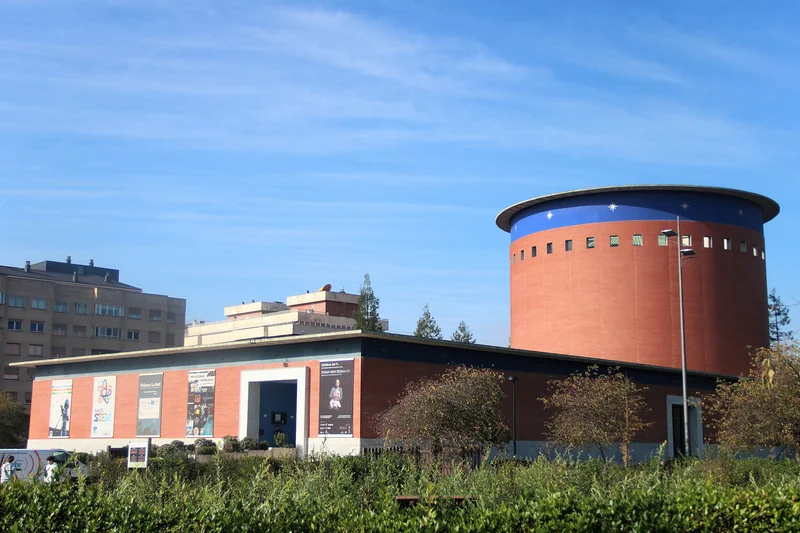
To dive deep into the city's past, the Museum of Navarre takes you from prehistoric artifacts right up to the modern era. Today, Pamplona pulses with modern innovation, particularly in healthcare, alongside a lively nightlife scene. When it comes to food, the market gardens of the Ribera supply exceptional local produce like white asparagus and artichokes. Tapas bars overflow with pintxos alongside hearty regional specialties such as pochas with chistorra, fish-stuffed peppers, and chilindrón, a pepper and tomato stew with lamb or chicken. For dessert, look out for la pantxineta, a pastry filled with cream and topped with almonds.
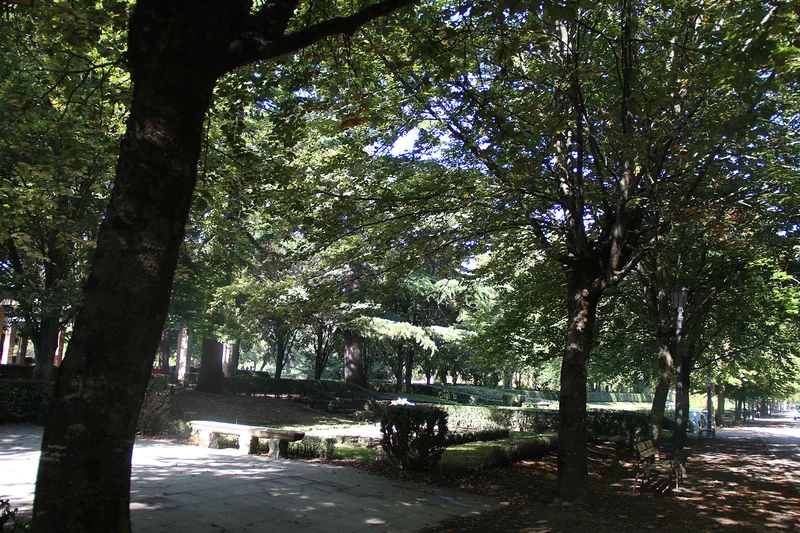
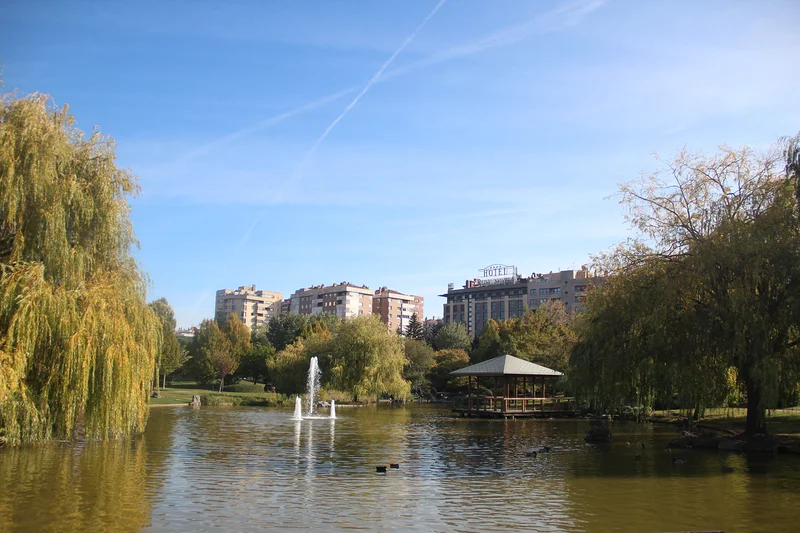
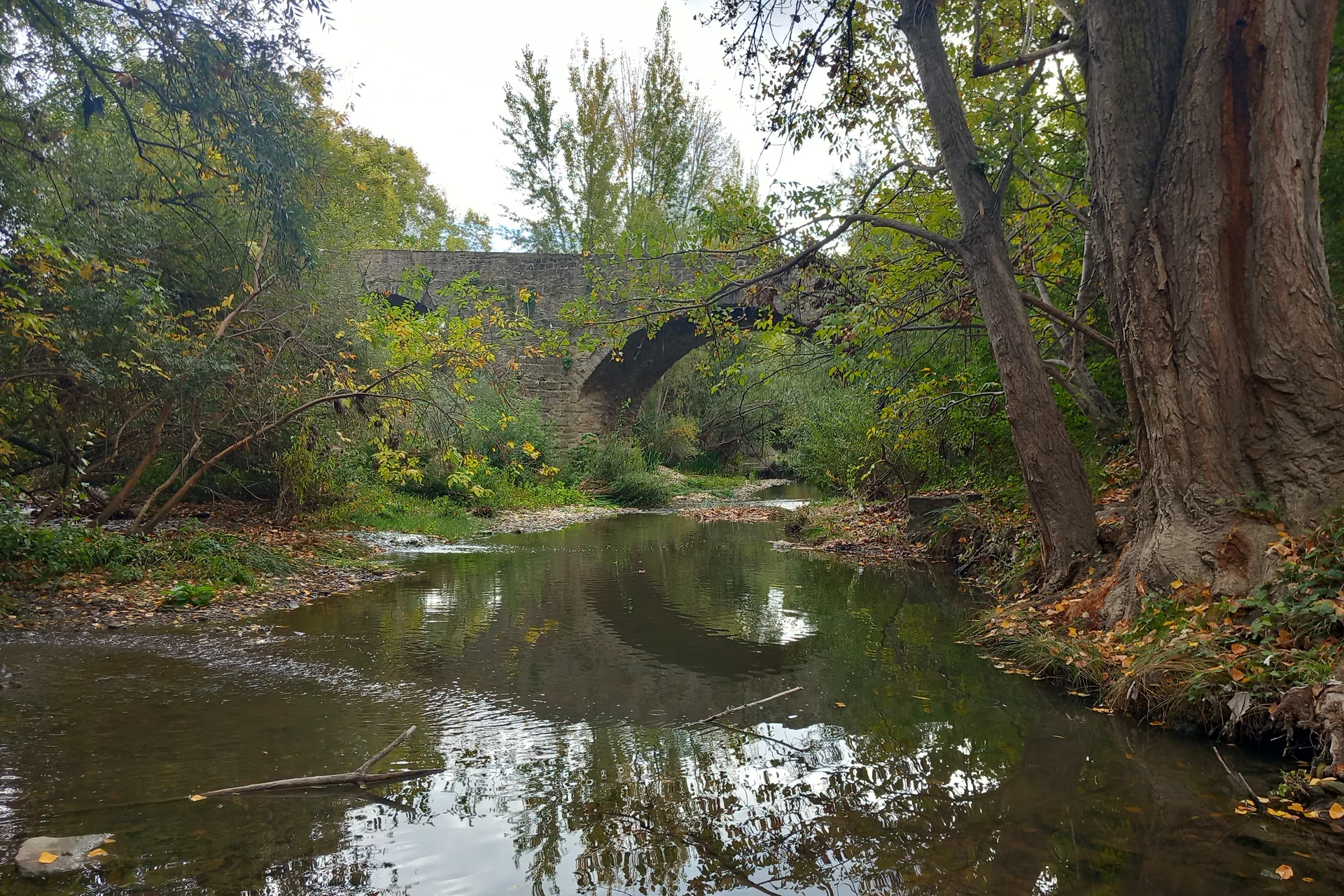
Green spaces are woven directly into the urban fabric. One of the most unexpected spots is the Yamaguchi Japanese garden, while the Taconera park stands out as the most classic, complete with roaming deer and peacocks amid manicured French-style gardens. You are deep in Basque pelota and soccer country here, but if you want to stretch your legs, the banks of the Arga offer scenic river walks and waterside activities.
How to Get There
Pamplona is easy to reach, sitting just 78 km (48 miles) from Hendaye. If you are driving from Irun, the N-121-A is the most direct route, though the city connects well via major highways from all directions. The airport sits 6 km from the center but only handles domestic routes, to Madrid and Barcelona, with extra seasonal service during the summer festivals; coming from North America you fly into Madrid or Barcelona and connect from there, while other international arrivals come through Bilbao or Biarritz. Rail connections are solid, and the most budget-friendly option is the bus, running around $12* from the French Basque Country.
When to Go
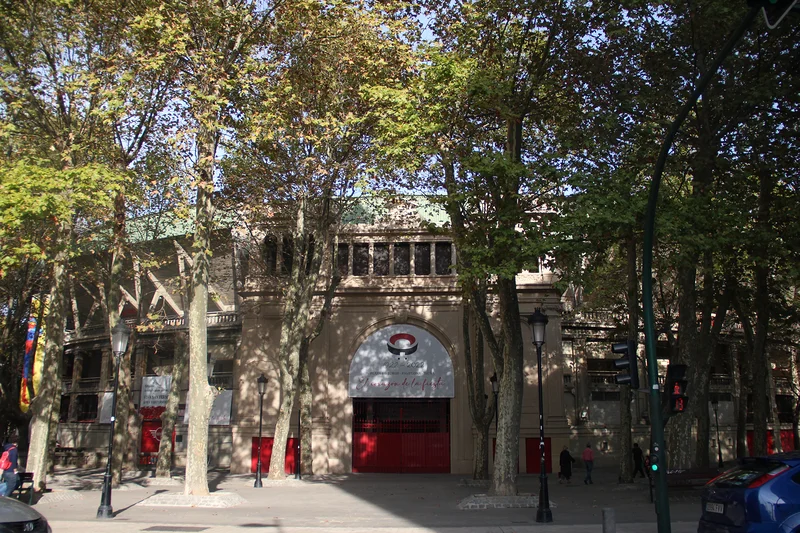
The climate here leans continental, meaning less rain than the coast, but winters can get chilly and windy. Summers bring warm, sunny days, making late spring through October the ideal window for a visit. From July 6 to 14, the city transforms as more than a million visitors arrive for the San Fermín festival. Brass bands, religious processions, and the famous morning bull runs take over the streets, so if you prefer a quieter trip, steer clear of those dates.
The second week of July, during the San Fermín festival, Pamplona takes on a completely different vibe. Daily life stops to make way for the ferias. People come from all over the Basque Country and beyond to meet up for joyful celebrations, including giant parades, concerts, bull runs, races, drinks, pastries, and traditional songs. It is at once folkloric, good-natured, lively, and open to everyone.
A must-experience at least once, preferably with friends!