
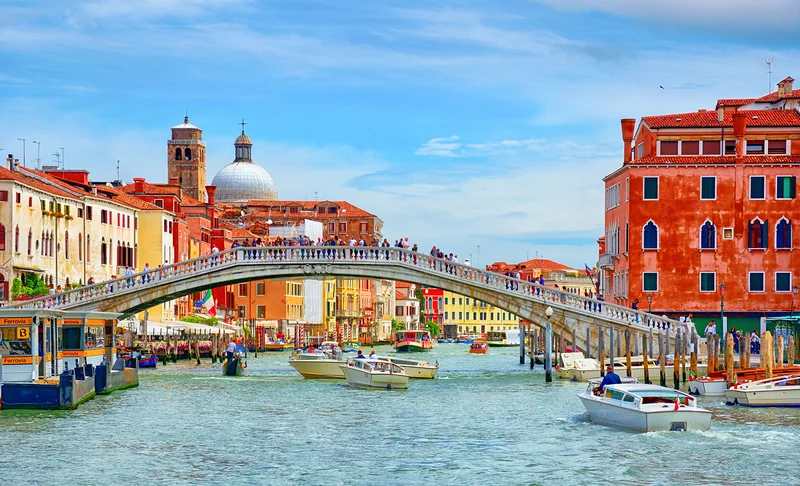
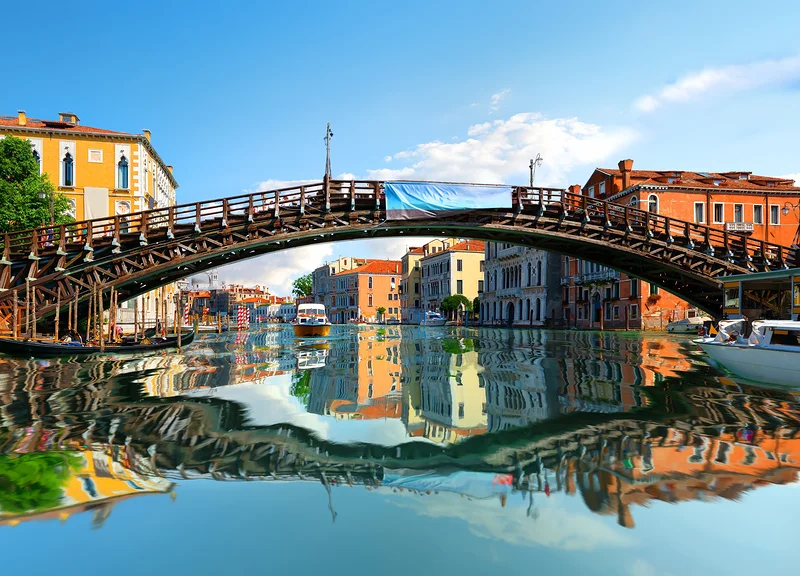
Venice, the city that shouldn't exist
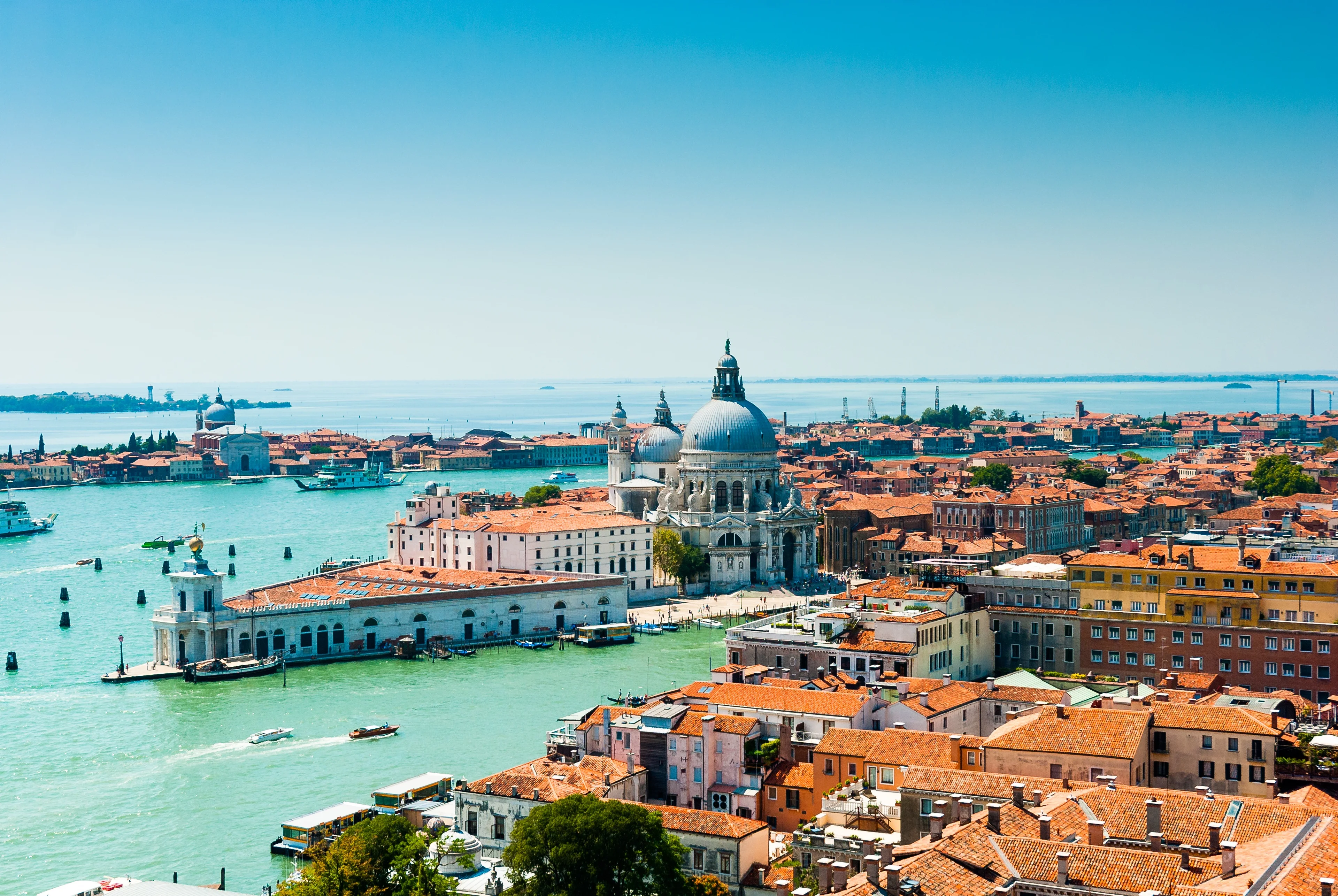
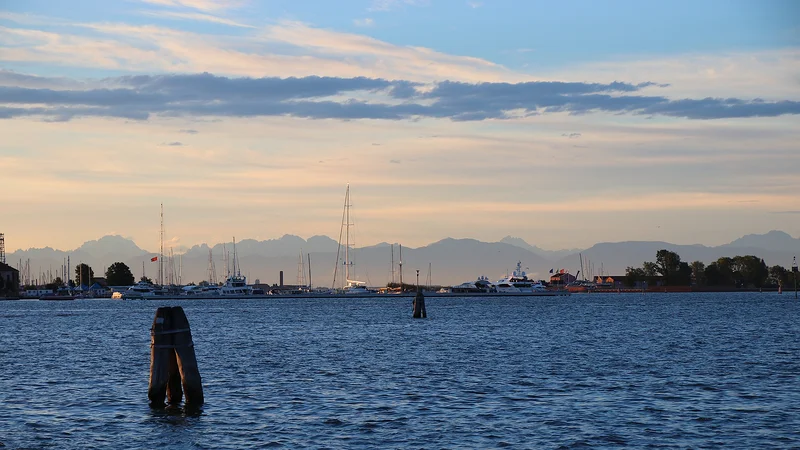
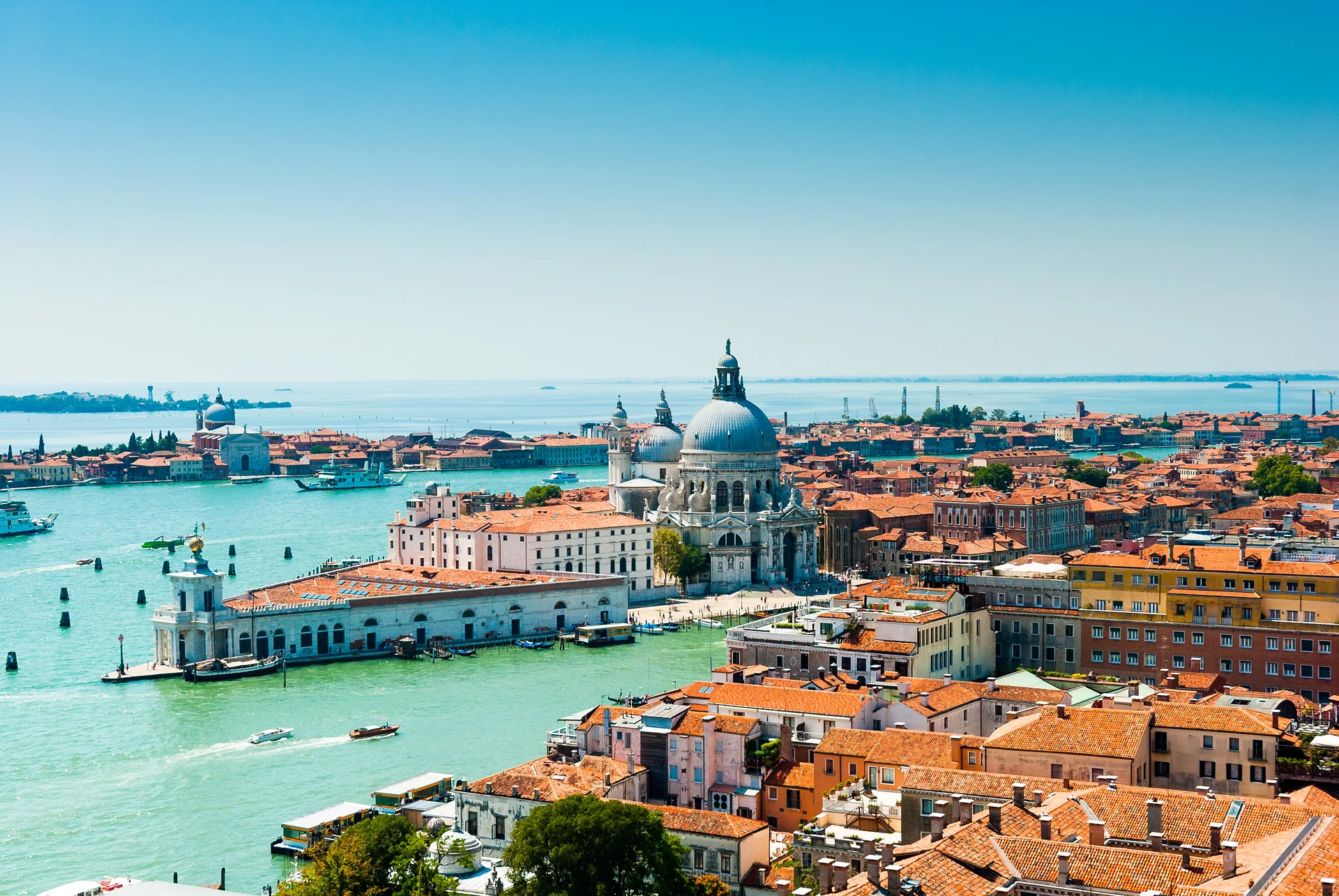
120 islands connected by more than 400 bridges, built on a lagoon, without a single car. It is the audacity of a civilization that defied the laws of nature. Today, the City of Doges fights against the acqua alta that regularly floods its squares and against the hordes of tourists who visit in a single day without ever really seeing it. But Venice remains Venice: unique, fragile, splendid.
Is Venice really for you?
If you dream of strolling quietly through deserted alleyways, you might be in for a rude awakening, especially in high season. Venice receives 30 million visitors per year for a local population of 50,000. The areas around San Marco and the Rialto sometimes feel more like an amusement park.
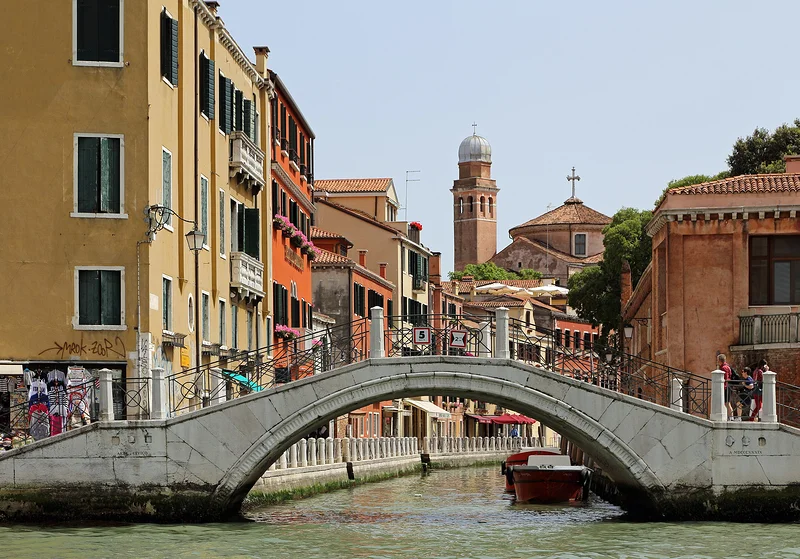
But here is the paradox: you only need to turn into a side street, walk 10 minutes toward Cannaregio or Dorsoduro, and you stumble upon a different city. This is where locals buy their bread, children play in small squares, and cats nap on window ledges. That version of Venice still exists, and it is worth every euro spent.
The city is navigated exclusively on foot or by boat. Pack comfortable shoes because you will be walking, climbing bridges, and getting lost in dead ends. It is exhausting and magnificent at the same time. If you have mobility issues, be aware that the vaporetti (water buses) are accessible, but bridges without ramps are the norm.
Daily budget: plan for more
Venice is expensive, no point in sugarcoating it. Expect 100-150 EUR (about $105-160) per day for a budget approach (hostels, cicchetti in the bacari, no paid museums), 200-300 EUR (about $215-325) for a comfortable trip (3-star hotel, decent restaurants, a few tours), and 400 EUR ($430) and up if you want to splurge. Accommodation is your biggest expense: 60-100 EUR (about $65-110) for a dorm bed or a hotel in Mestre, 150-250 EUR (about $160-270) for a solid hotel in the city center, and 300 EUR ($325) or more to sleep with a view of the Grand Canal.
San Marco and its gems: visit, but be smart
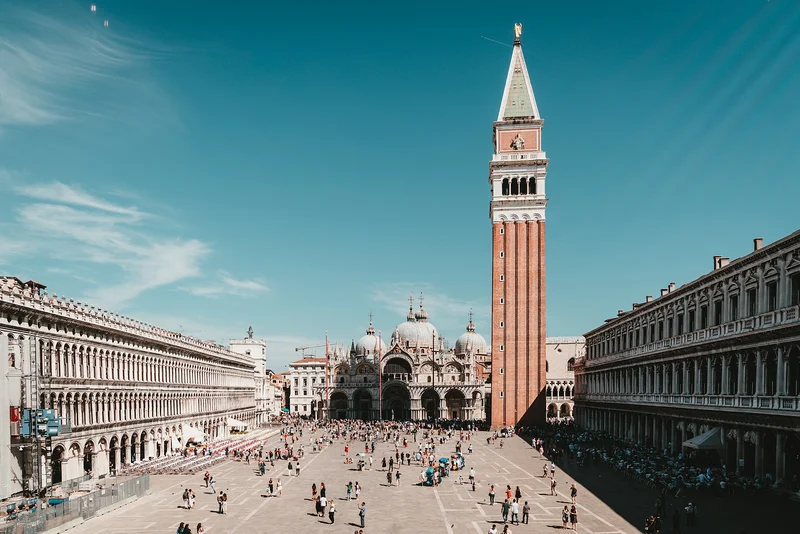
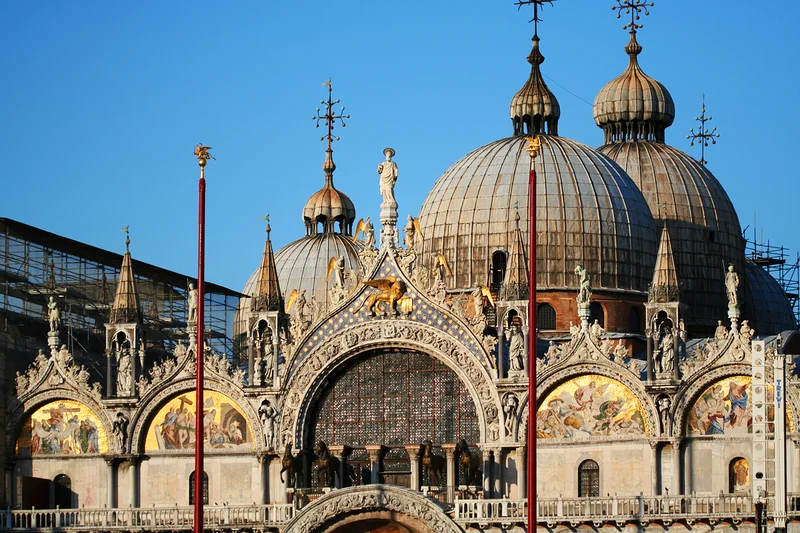
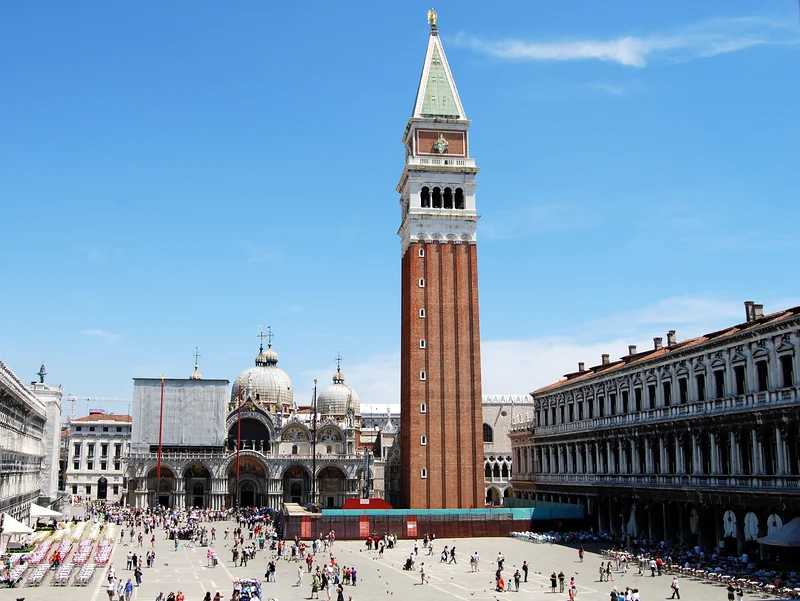
Saint Mark’s Square is an obligatory stop. Go at sunrise, around 6:30 or 7:00 AM in the summer. You will be almost alone in front of the Saint Mark’s Basilica and its golden mosaics that capture the morning light. The pigeons are already there, but the selfie sticks are not.
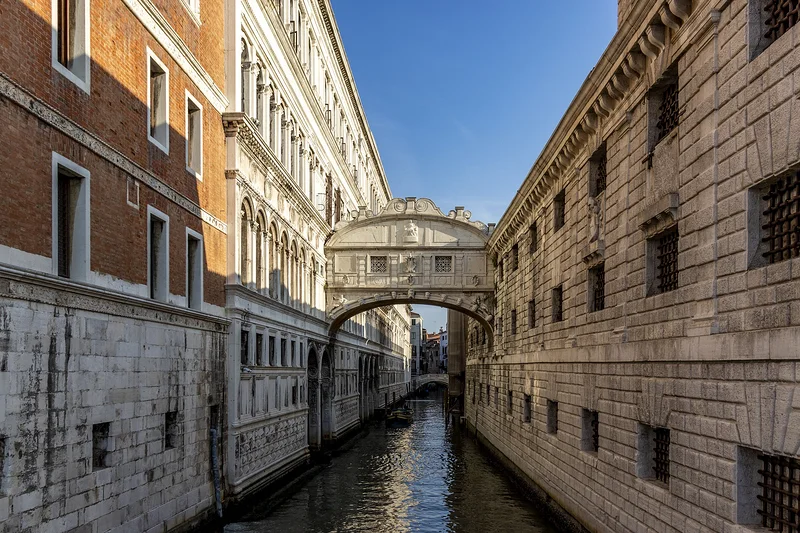
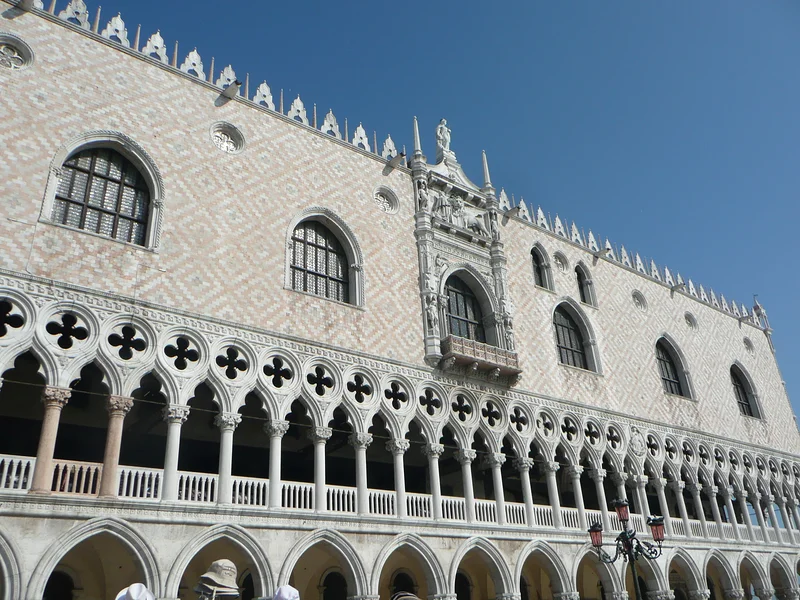
The Doge’s Palace earns its reputation. Forget the standard general-admission tour: book the secret itinerary that takes you into the torture chambers, the cells of the Piombi Prison where Casanova escaped, and the secret corridors of the magistrates. It is twice the price of a standard visit but a hundred times more fascinating.
Pro tip: high tides (acqua alta) regularly submerge the square between October and January. Download the Hi!Tide Venice app, which alerts you 48 hours in advance. Bring rubber boots, not sneakers that will end up soaked.
Cannaregio, where Venetians still live
The Jewish Ghetto, founded in 1516, was the first in the world. There is a different atmosphere here, quieter and almost melancholic. The buildings reach up to seven stories, unheard of elsewhere in Venice, as the Jewish population was not permitted to expand beyond the authorized perimeter. Visit the Jewish Museum and one of the five synagogues. The history shared here is poignant.
On the Fondamenta della Misericordia, wine bars line up their tables along the canal. This is where locals come to drink a spritz at 5:00 PM, not near the Rialto for 12 EUR ($13) a glass. You will pay half the price and immerse yourself in real local life.
Do not miss the Libreria Acqua Alta, a wild bookstore where books are stacked in gondolas and bathtubs to protect them from flooding. In the back, a staircase built entirely of books leads to a small terrace overlooking the canal. It is kitschy, it is brilliant, it is completely Instagrammable, and that is just fine.
Dorsoduro and its quieter museums
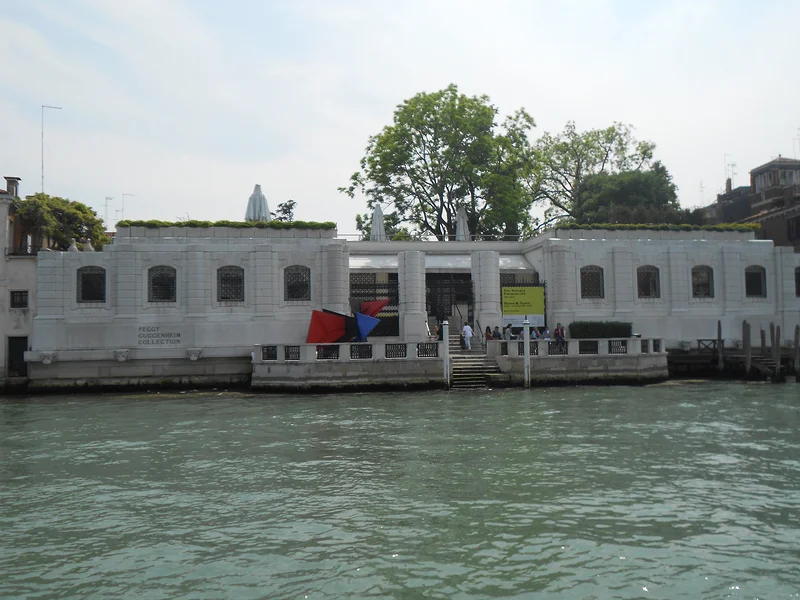
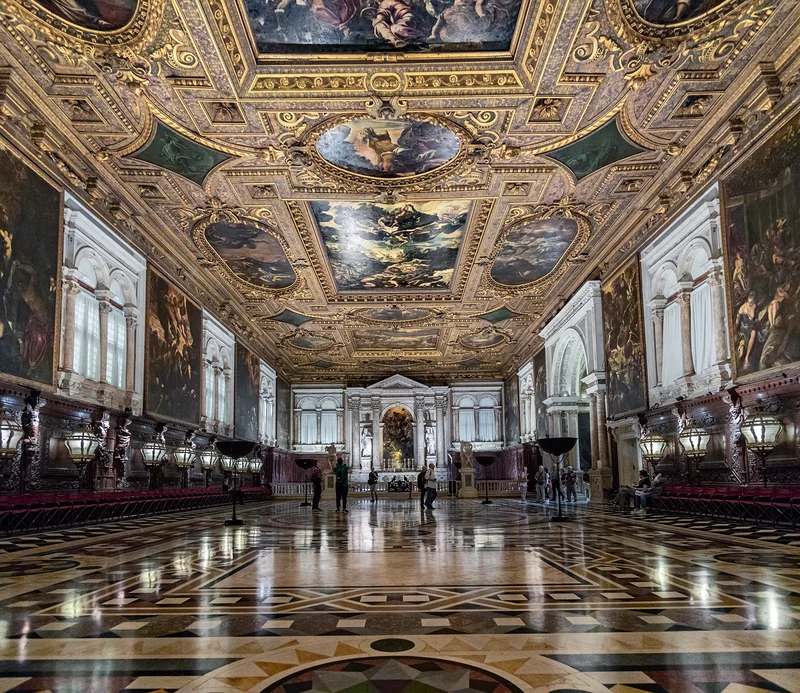
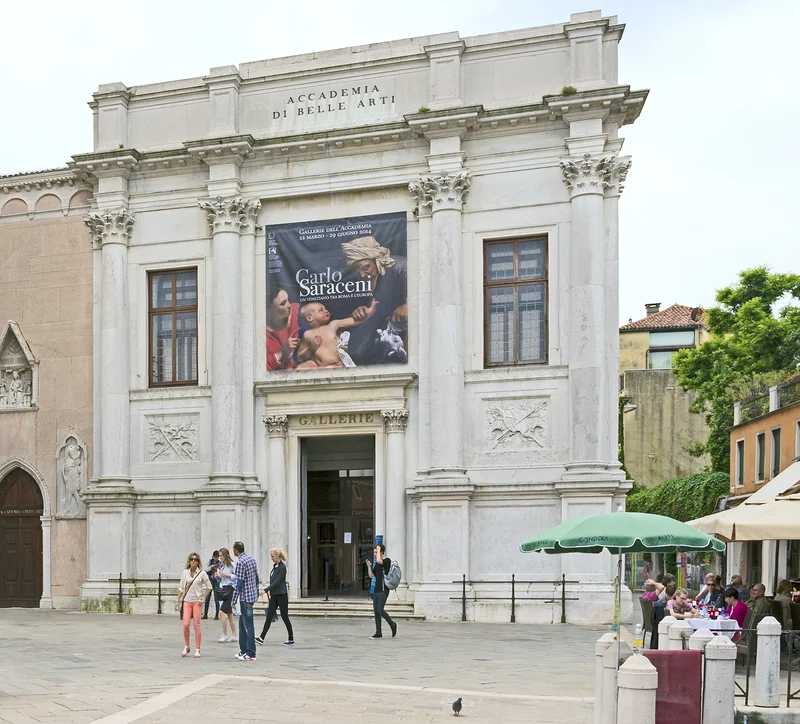
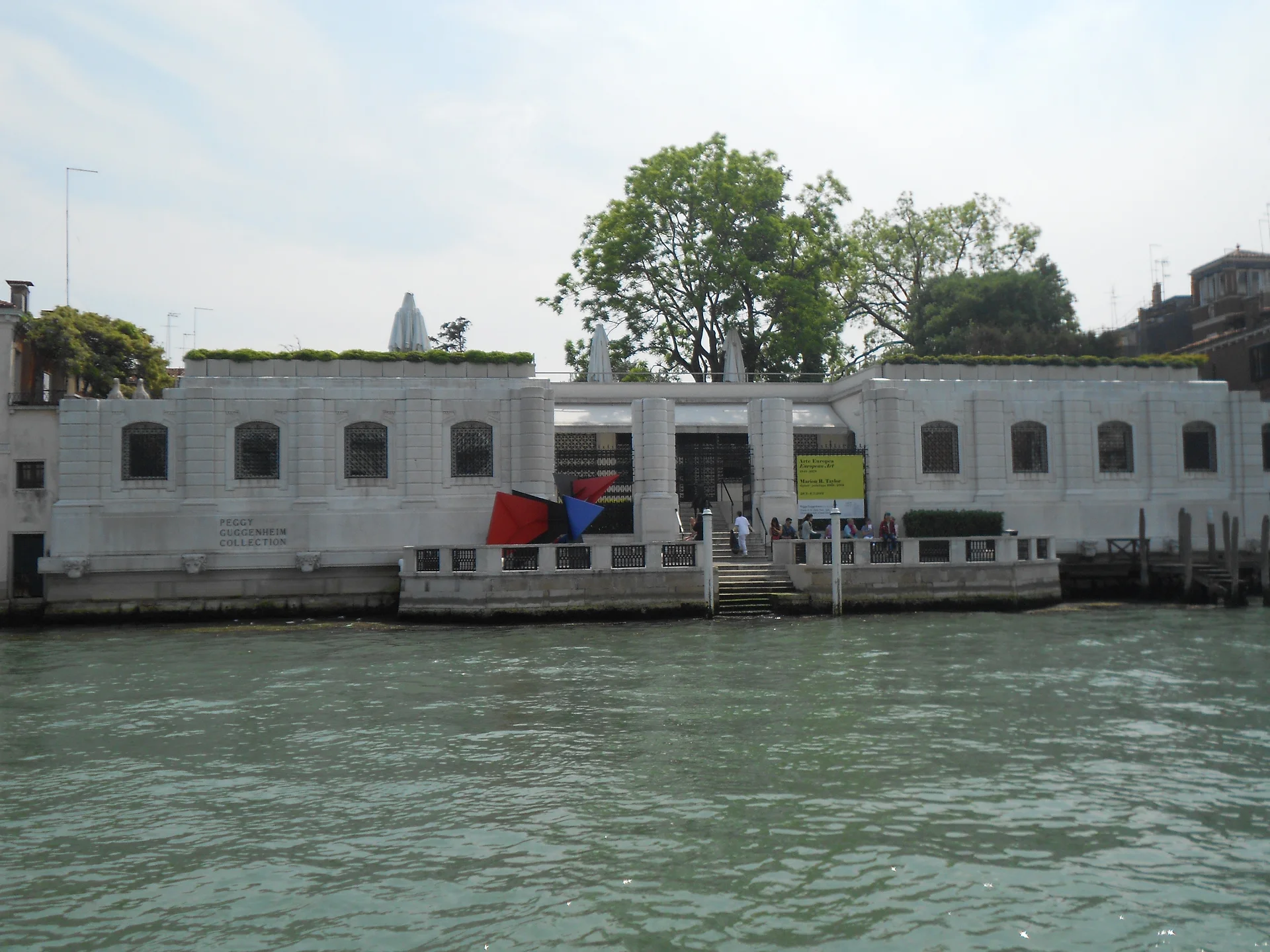
The Gallerie dell'Accademia remains a mandatory stop to see Venetian masters like Veronese, Tintoretto, Titian, and Bellini. But just next door, the Peggy Guggenheim Collection attracts smaller crowds and offers a beautiful overview of 20th-century modern art. Its garden overlooking the Grand Canal is a sanctuary of peace.
Head to the Squero di San Trovaso, one of the last workshops where gondolas are still built and repaired by hand. You cannot enter, but from the quay across the water at Fondamente Nani, you have a perfect view of the artisans at work. In the late afternoon, grab a seat at the Osteria Al Squero right across the way with a spritz and some crostini.
Pro tip: Campo Santa Margherita is the playground for local students. Cheap bars, casual vibes, zero cruise ship tourists. Perfect for an evening that won't break the bank.
Lagoon islands: go beyond the classic trio
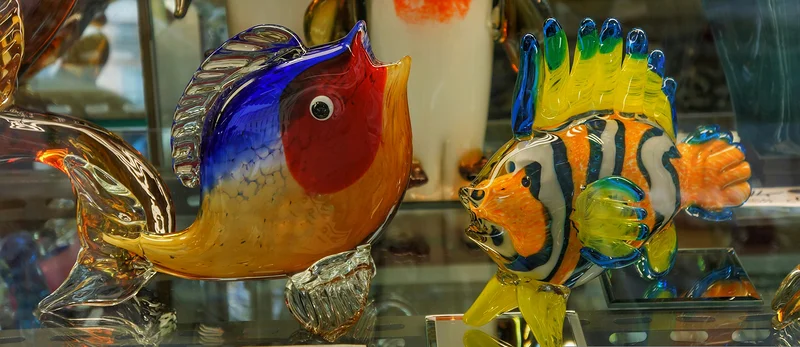
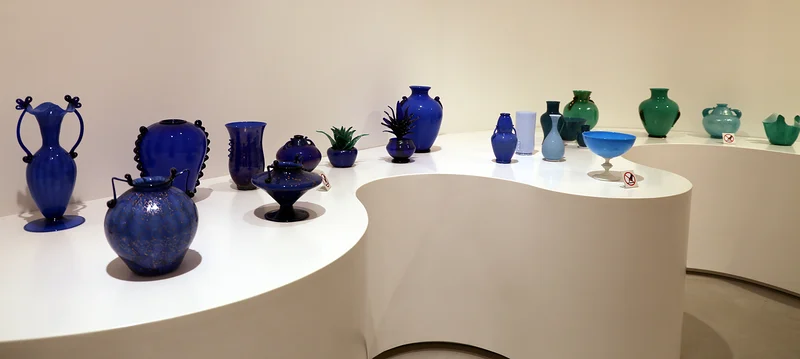
Everyone goes to Murano for blown glass and Burano for its multicolored houses and lace. It is beautiful, but it is also packed. If you have time, take the vaporetto to Torcello, an almost deserted island that was actually the first to be inhabited in the lagoon.
The Basilica di Santa Maria Assunta, dating back to the 7th century, houses stunning Byzantine mosaics. The rest of the island is green, quiet, and sparsely populated. Hemingway and Salvador Dalí stayed here. You will understand why immediately: it feels outside of time.
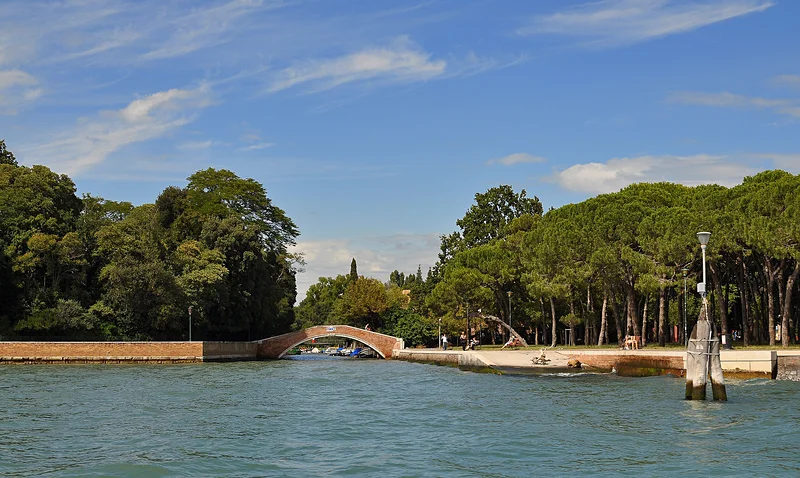
The island of Giudecca, facing Dorsoduro, offers spectacular views of Venice without the tourist bustle. It is a working-class neighborhood with social housing and a few factories rehabilitated into artist lofts. On Sundays, take a stroll along the promenade facing the "Serenissima." It is free and gorgeous.
Where to eat and drink in Venice?
Forget the restaurants with laminated, six-language menus around San Marco. You will pay 80 EUR (about $85) for two people and leave disappointed. In Venice, real food is found in the bacari, traditional bars where locals snack on cicchetti (the equivalent of tapas) standing at the counter with a glass of local white wine, known as an ombra.
You absolutely must try the risotto al nero di seppia, tinted with cuttlefish ink, sarde in saor (sweet and sour marinated sardines), or moeche (small fried green crabs, only available in April and May). For dessert, grab a frittella during Carnival or a baicoli, a Venetian biscuit perfect with coffee.
Our recommended spots
- Osteria Alla Staffa (Castello): small, authentic, fair pricing. Their spaghetti alle vongole is incredible.
- Cantina Do Spade (San Polo): a historic bar frequented by locals. Excellent cicchetti, loud and lively atmosphere.
- Vino Vero (Cannaregio): a modern wine bar with a canal-side terrace. Refined cicchetti and an impeccable selection of natural wines.
- Il Ridotto (San Marco): if your budget allows, this Michelin-starred spot offers contemporary Venetian cuisine that is well worth the detour.
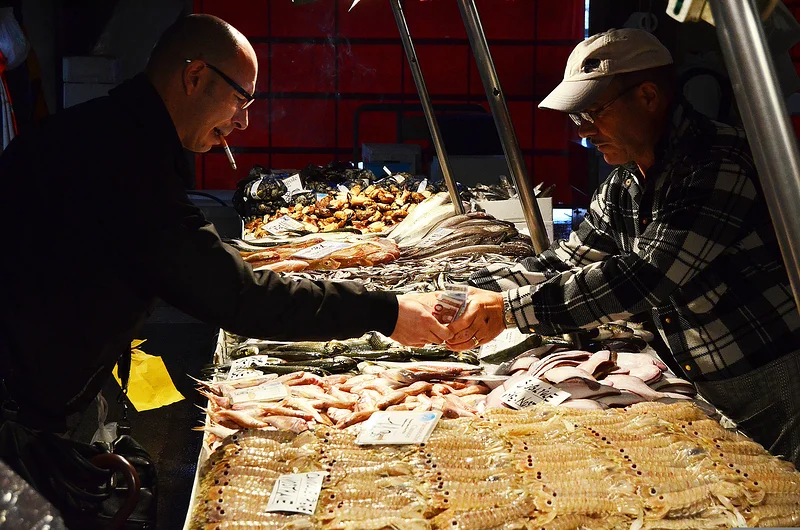
Pro tip: the Rialto market opens early in the morning. Buy fresh fruit, local cheese, and crusty bread, then picnic in a quiet square. You will save 30 EUR ($32) and eat better than in many restaurants.
Where to sleep in Venice and the surrounding area?
Sleeping in Venice itself is expensive but offers a unique experience: the silence that falls at nightfall, the deserted alleys at dawn, the magical atmosphere once the day-trippers have left. If your budget is tight, Cannaregio and Castello (near the Arsenale) offer lower prices than the areas around San Marco.
In Mestre, on the mainland, hotels are 40-50% cheaper. The train or bus takes you to Venice in 15 minutes for less than 2 EUR ($2.15). It is practical but less romantic, and you miss the magic of Venice at dawn.
A few pointers
- Hotel Ai Do Mori (San Marco): a small, affordable hotel just steps from Saint Mark’s Square, perfect if you want to be at the center of the action.
- Hotel Adua (Cannaregio): near Santa Lucia station, ideal for a controlled budget without sacrificing comfort.
- Hotel Cà Formenta (Castello): views of the lagoon and easy access to the less touristy eastern part of the city.
- Baglioni Hotel Luna (San Marco): authentic Venetian luxury if budget is not an issue.
How to get to and around Venice?
Marco Polo Airport is 13 km from the center. The Alilaguna boat (blue or orange line) drops you directly in Venice for 15 EUR ($16) in an hour. It is the most romantic option. The ACTV bus No. 5 costs 8 EUR ($8.60) and reaches Piazzale Roma in 30 minutes, but you will then have to walk or take a vaporetto.
From France, expect a 1 hour and 40 minute flight from Paris (70-250 EUR or $75-270 round trip depending on the season). By train, Venice is 3 hours from Milan, 2 hours from Bologna, and 4 hours from Florence. Santa Lucia station is beautifully situated right on the edge of the Grand Canal.
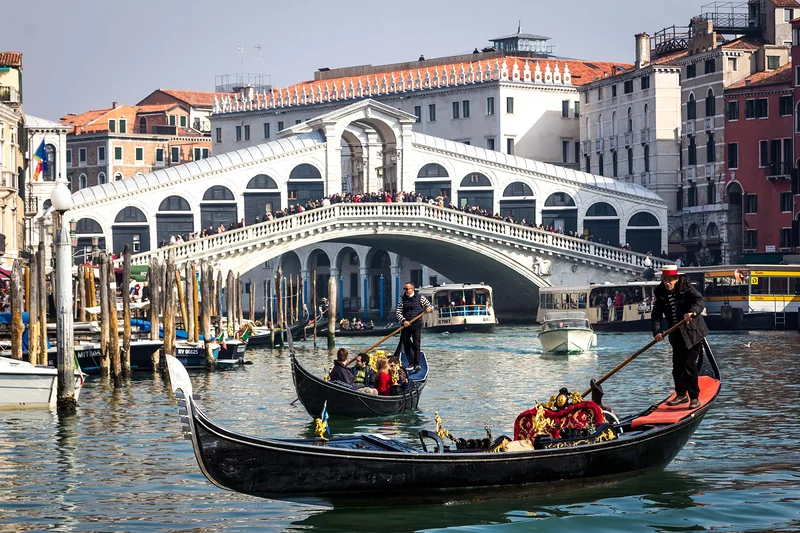
In Venice, you will walk a lot. A single vaporetto ticket costs 9.50 EUR ($10), which is steep, but a 24-hour pass for 25 EUR ($27) or a 72-hour pass for 65 EUR ($70) becomes cost-effective after 3 or 4 trips per day. Traghetti, small gondolas that cross the Grand Canal at specific points, cost 2 EUR ($2.15) and offer the gondola experience without breaking the bank. A classic gondola ride costs 90 EUR ($97) for 30 minutes during the day, 100 EUR ($108) in the evening, for a maximum of 6 people.
When to go?
Avoid July and August if you can: stifling heat, unbearable crowds, and sky-high prices. Spring (April-June) and autumn (September-October) offer the best balance between pleasant weather and manageable crowds. From November to March, you will have the city almost to yourself, but it is cold and damp, and acqua alta is a regular threat.
The Carnival in February turns Venice into an open-air theater, but prices soar and you must book months in advance. The Mostra (Film Festival) in late August and the Biennale (art in odd years, architecture in even years) from June to November attract aficionados. Christmas and New Year's are magical but freezing.
Merci pour l'astuce sur l'hébergement. Effectivement, je trouvais chères toutes les offres d'hôtels sur Venise, mais 15€ / nuit c'est inespéré !