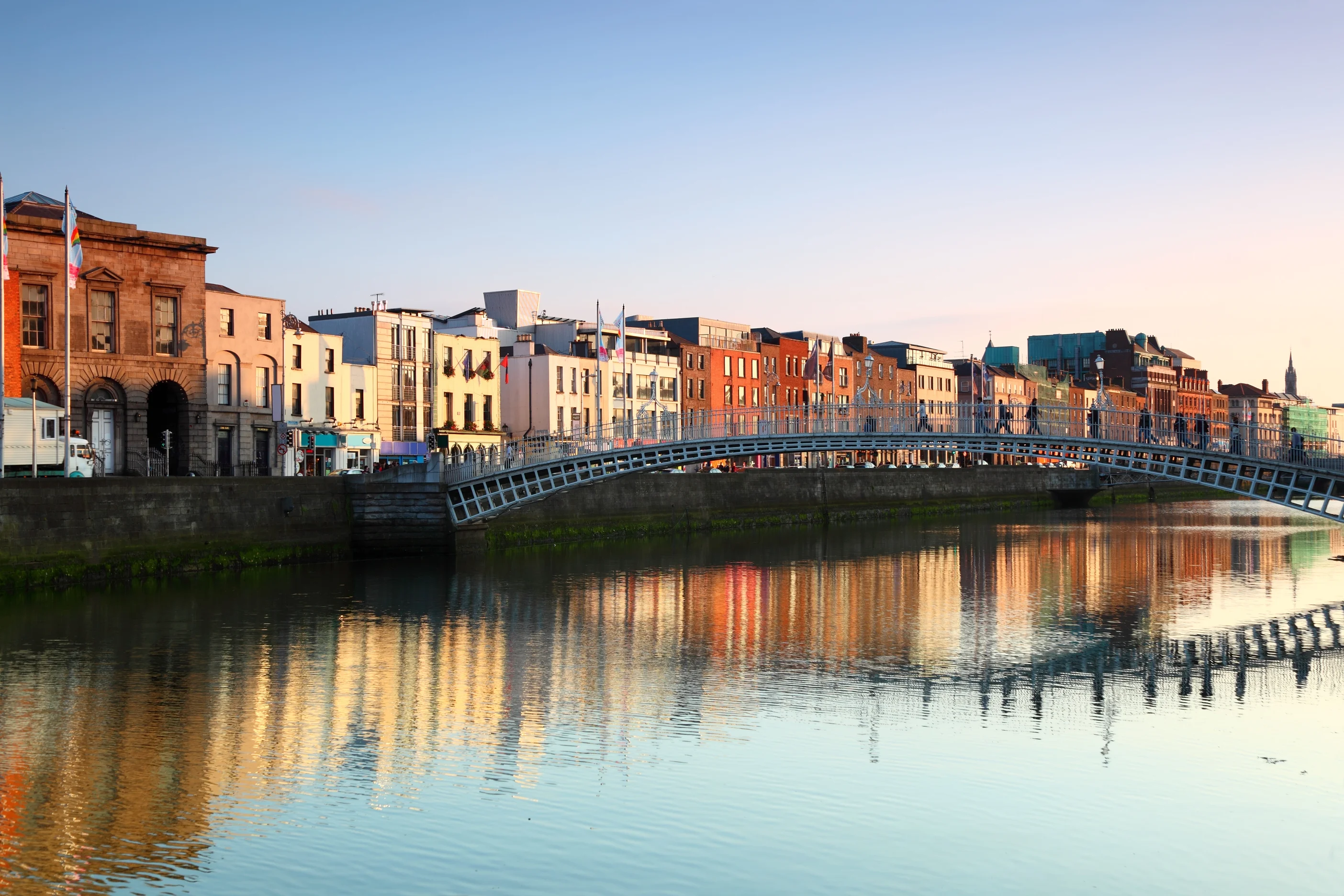

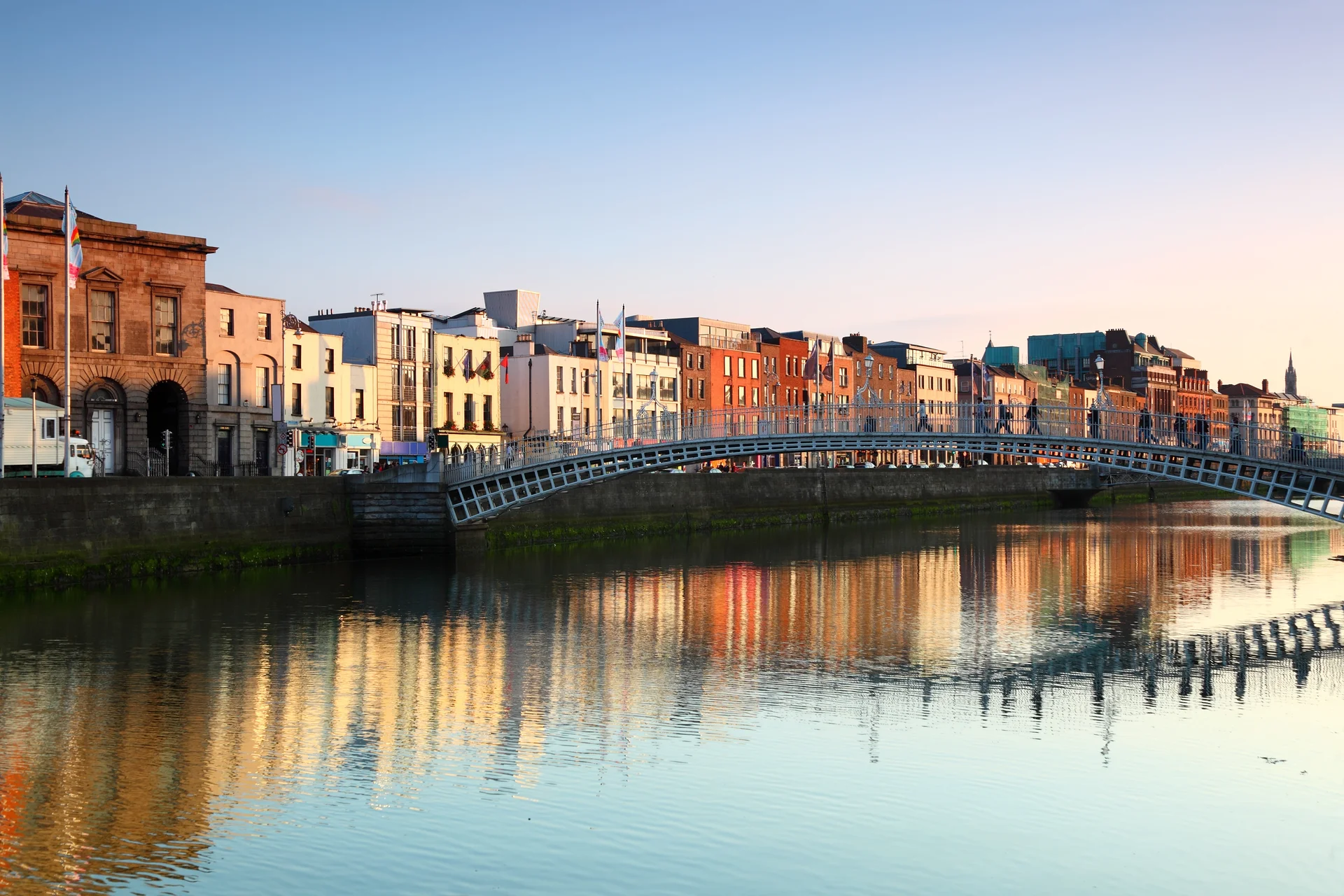
Ha'penny Bridge de Dublin

Things to do in Dublin: top 8 must-see attractions

Looking for inspiration to visit Dublin? Browse the attractions our traveler community loves most — historic sites, cultural visits, scenic walks and laid-back spots...

Top 8 attractions our members recommend

Trinity College Library

#1 Trinity College Library +8 4.2

La bibliothèque du Trinity College à Dublin est un lieu culturel incontournable pour les amateurs d'histoire. Son célèbre Long Room, une majestueuse salle voûtée en bois abritant 200 000 ouvrages anciens, impressionne par son architecture. Le Livre de Kells, manuscrit enluminé du IXe siècle, constitue une pièce maîtresse de la visite. Dans une atmosphère calme et propice à la contemplation, ce lieu allie découverte culturelle et sérénité, idéalement complété par une promenade dans les jardins du campus.

Voir le guide View offers-7%AVYGEO7
Book of Kells

#2 Book of Kells +6 2

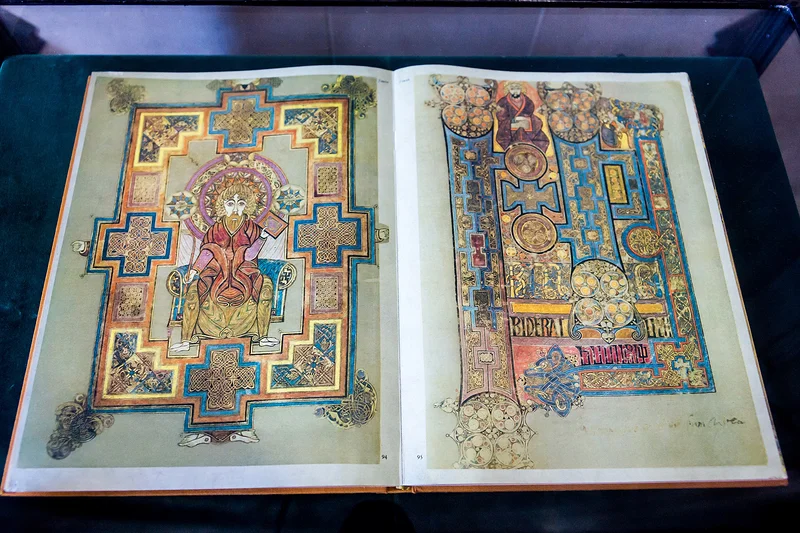
Conservé au Trinity College Dublin depuis 1661, le Livre de Kells est un manuscrit enluminé du IXe siècle considéré comme le chef-d'œuvre de l'art chrétien celtique. Le billet donne accès au manuscrit lui-même, à la spectaculaire Long Room et à une nouvelle expérience numérique immersive en 360° ouverte en 2024. La Long Room est accessible jusqu'à fin 2027 avant fermeture pour restauration.

Voir le guide View offers-7%AVYGEO7
Kilmainham Gaol

#3 Kilmainham Gaol +3 5

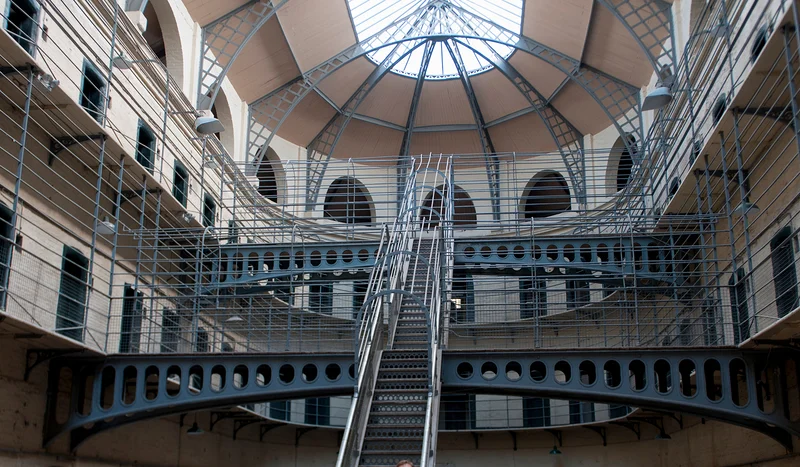
La prison de Kilmainham, édifiée en 1796 et fermée en 1924, constitue le monument le plus emblématique de la lutte pour l'indépendance irlandaise. Transformée en musée national, elle dévoile l'histoire poignante des patriotes qui y furent emprisonnés et souvent exécutés, de la rébellion de 1798 à la guerre civile irlandaise. Une visite guidée obligatoire révèle les conditions carcérales terrifiantes et les destins héroïques qui forgèrent l'Irlande moderne.

Voir le guide View offers-7%AVYGEO7
Dublin Zoo

#4 Dublin Zoo +3 3.5

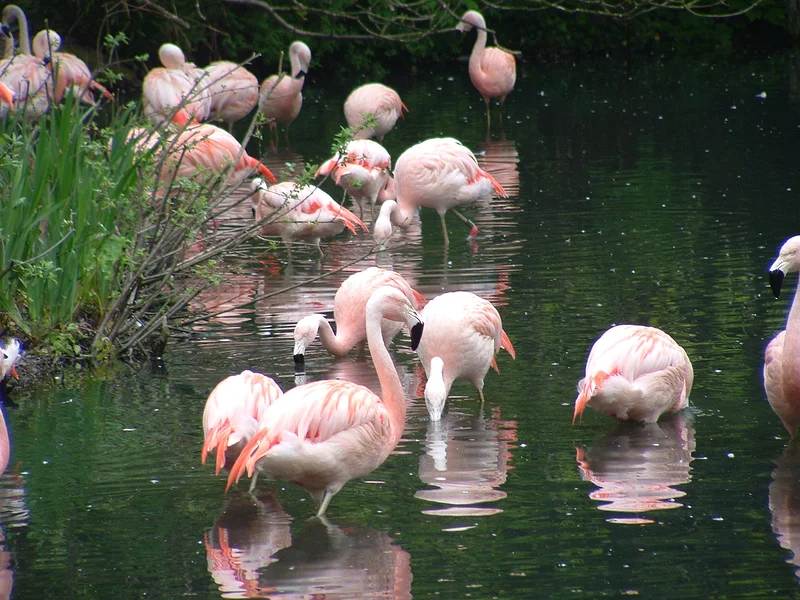
Avec un solide programme de conservation et le bien-être animal en fil rouge, le Zoo de Dublin est un peu plus qu'un simple zoo. Mythique, il a ouvert ses portes en 1831 et c'est un véritable pionner. Au cœur du magnifique Phoenix Park, ses 28 hectares sont découpés en habitats parfaitement adaptés aux besoins des 400 animaux qui y vivent et y naissent. Un cadre splendide où découvrir des espèces du monde entier et les admirer dans leur quotidien. Ggorilles, éléphants, pandas roux, loups, pingouins, reptiles et oiseaux forment un spectacle fabuleux qui, chaque année, attire un million de visiteurs.

The Spire

#5 The Spire +2 5

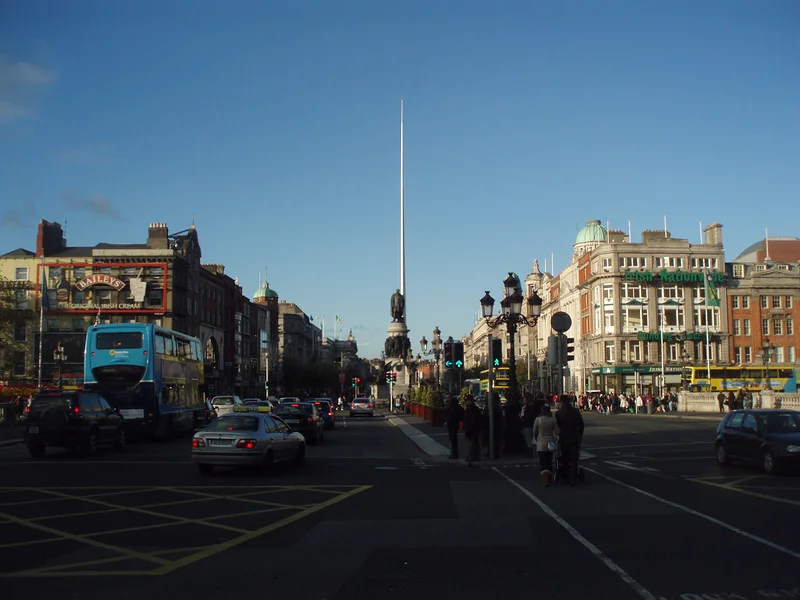
The Spire est une sculpture métallique située en plein centre ville de Dublin. D'une hauteur de 120 mètres elle est incontournable et visible de loin, même de nuit puisque son sommet est illuminé. Elle est composée de tubes emboités les uns dans les autres à la manière d'un téléscope. Elle symbolise la dynamique et le renouveau du centre ville de Dublin. Elle remplace la statut de Nelson qui fut partiellement détruite lors des attentats de l'IRA.

Chester Beatty Library

#6 Chester Beatty Library +2 5

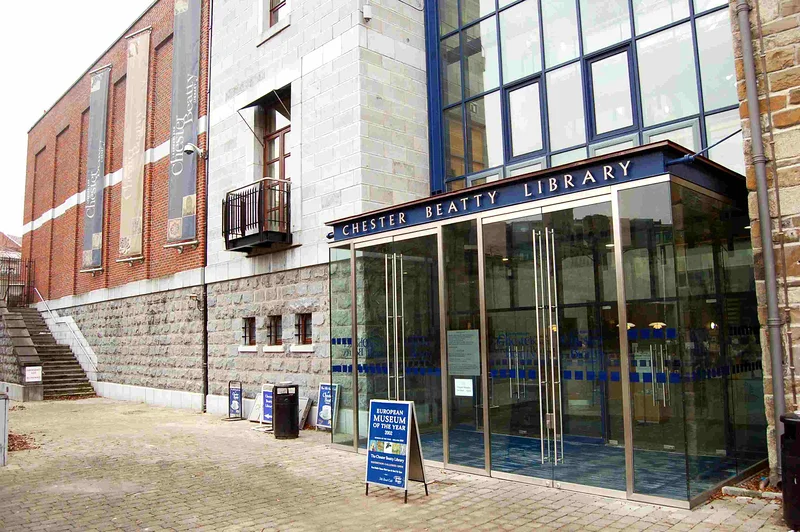
Une bibliothèque et un musée réunis en un même lieu, dans le parc du Château de Dublin. Une collection d'oeuvres artistiques léguée par Sir Alfred Chester Beatty, riche industriel irlandais, provenant des cultures et religions du monde entier. Plus de 20 000 pièces collectées sur 30 ans, exposées sur 2 niveaux, des "Traditions sacrées" et des "Traditions artistiques". Tout ce que vous avez toujours voulu savoir sur les religions et les rites d'Asie et d'Extrême Orient, à travers des ouvrages et des objets uniques et précieux.

Trinity College

#7 Trinity College pas encore de reco

Trinity College à Dublin est la plus ancienne université du pays et la seule à pouvoir être visitée. Elle occupe la 1ère place irlandaise des classements internationaux et se situe dans les 100 premières universités dans les nanosciences et les sciences politiques. C’est un lieu chargé d’histoire où se confondent l’architecture moderne et l’art victorien. Sa bibliothèque possède une renommée mondiale grâce, notamment, à sa collection de manuscrits et de livres reliés, la plus grande d’Irlande. Ce sont près de trois millions de livres stockés au sein de huit édifices distincts, dont le célèbre Book of Kells.

Voir le guide View offers-7%AVYGEO7
Phoenix Park

#8 Phoenix Park -6 4

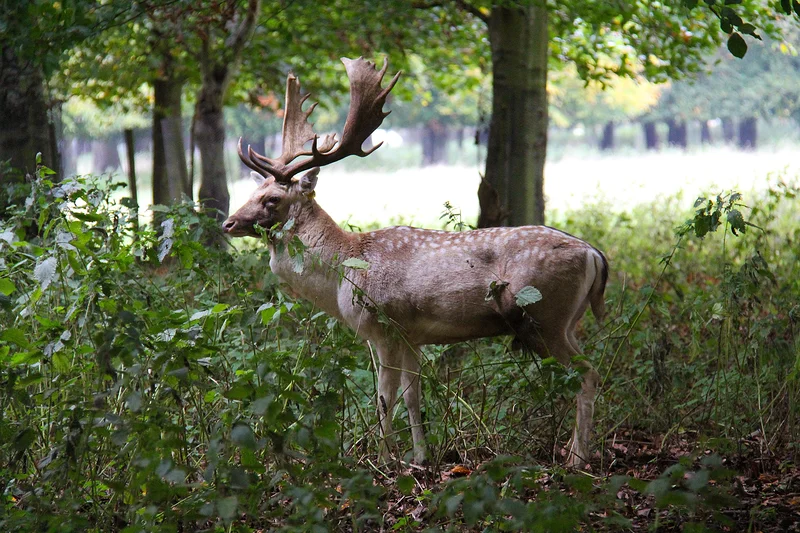
Phoenix park est le plus grand espace vert de Dublin, le plus grand parc européen, deux fois plus grand que Central Park à New York. Il se compose de pelouses, de lacs et de zones boisées, de terrains de sport divers, d'aires de piques-niques et de ballades à pieds ou à vélos. S'y trouvent également les résidence du président de la république irlandaise et de l'ambassadeur des Etats-Unis. Il héberge également le zoo de Dublin avec de nombreuses espèces animales et exotiques. Des monuments incontournables tels que le Wellington Monument, le château médiéval Ashtown, la Phoenix Column complètent le décor.

Map of must-see attractions in Dublin

Visiting Dublin, where the Irish soul beats to the rhythm of the pubs

Step onto the cobblestones of this human-scale capital and you are immediately met with the scent of malted beer mingled with peat smoke. Colorful Georgian facades pass by while a fiddler starts a traditional tune on a street corner.

Welcome to a city where people toast as often as they philosophize, where James Joyce and Oscar Wilde left their mark, and where every pub hides a centuries-old story. But be warned: under its cozy, museum-like veneer, the Irish capital has its share of less romantic realities, from high prices to tourist crowds that can turn some neighborhoods into amusement parks.

A destination for fans of festive atmosphere and history

This city is primarily for lovers of authentic Celtic culture, those who dream of walking the same pavement as legendary writers and immersing themselves in the unique atmosphere of Irish pubs. History buffs will find their fill between medieval castles, ancient cathedrals, and free museums.

However, if you are looking for guaranteed sunshine, paradise beaches, or absolute silence, you are in the wrong place. The fickle climate and the crowds in tourist zones like Temple Bar can discourage travelers seeking peace and quiet.

The city is perfect for short stays, ideally a long weekend or four days. The compact center is easy to navigate on foot, which saves on transportation costs. Families will enjoy the numerous parks and accessible museums, while groups of friends will find their happiness in the wild nightlife. Practically speaking, a car is absolutely unnecessary and even cumbersome. Public transit is more than enough.

A budget that bites a little

The Irish capital is among the most expensive European cities. Expect to spend between €60 and €75 per day as a backpacker (youth hostel, pub meals) and closer to €100 to €130 for decent comfort with a two-star hotel and respectable restaurants. Accommodations double in price on Fridays and Saturdays. Good news, however: most national museums are free.

Temple Bar and the historic heart: between authenticity and tourist traps

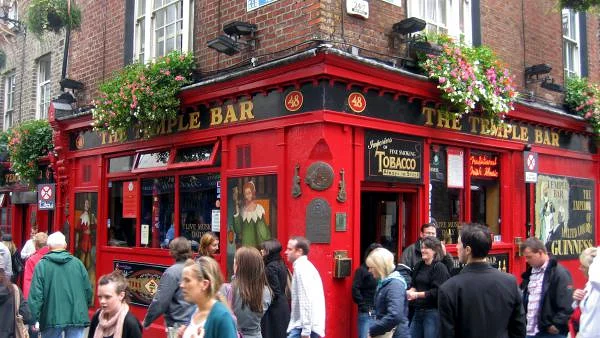
The Temple Bar neighborhood embodies all of Dublin's ambiguity. Its cobblestone alleys lined with colorful pubs offer the perfect postcard image, but the reality can be disappointing. Prices are astronomical (expect €8 for a pint instead of €5 elsewhere), and the atmosphere feels more like an international student party than an authentic Irish experience. Yet, it is impossible to skip: the live music sessions are worth it, especially in the late afternoon before the hordes of revelers arrive.

Just next door, the historic center holds the city's true treasures. Saint Patrick's Cathedral, the largest in Ireland, impresses with its Gothic proportions and houses the tomb of Jonathan Swift. A few steps away, Christ Church offers a fascinating medieval crypt. Dublin Castle, a former Norman fortress that became the seat of British power for eight centuries, reveals its sumptuous State Apartments and Viking foundations in the basement.

A local tip: visit Temple Bar during the day for the art galleries and the Saturday market, then head to more authentic pubs in the Liberties neighborhood in the evening, like the Gravediggers, where locals actually hang out.

Between Grafton Street and the Georgian quarters: elegant Dublin

The pedestrian thoroughfare of Grafton Street vibrates with the sound of buskers, those street musicians who sometimes become international stars. You can stroll between chic boutiques and historic cafes, notably the legendary Bewley's, a Dublin institution since 1927. At the end of the street, St Stephen's Green park offers a welcome green break, perfect for an impromptu picnic.

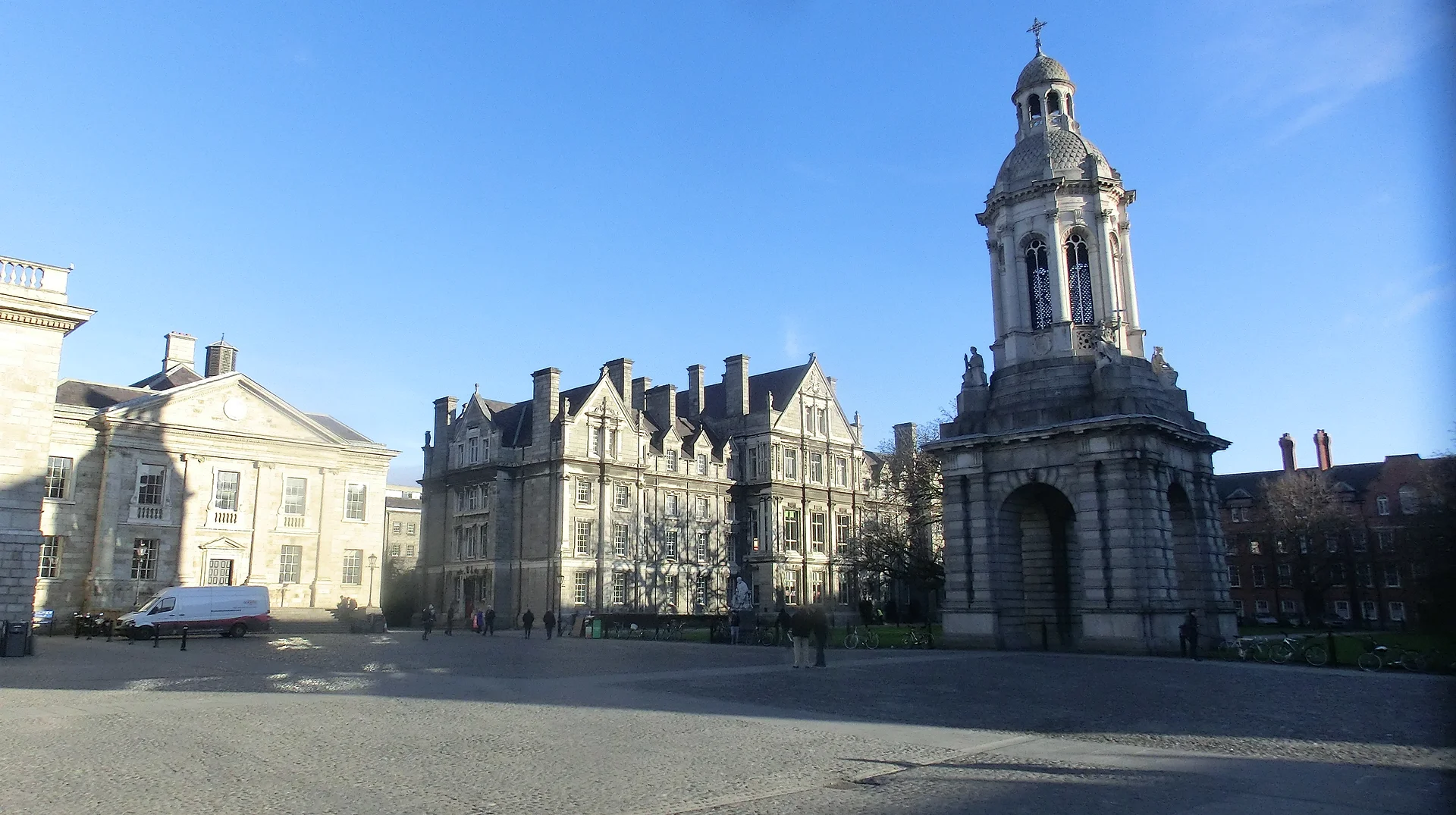
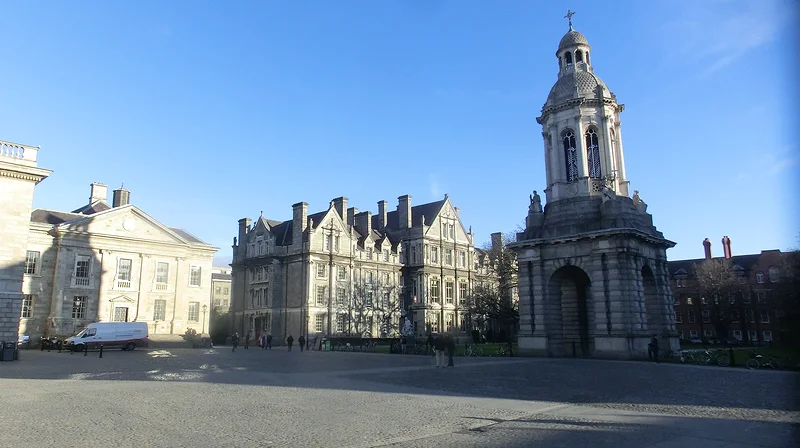
The Trinity College, founded in 1592, is an essential stop. Its Old Library, with its massive room featuring two-story oak shelves, is among the most beautiful libraries in the world. This is where the Book of Kells rests, a 9th-century illuminated manuscript of breathtaking finesse. Only one page is displayed each day, which makes every visit unique.

Continuing east, the Georgian quarter of Merrion Square reveals its pastel facades with colorful doors framed by columns. This is where the national museums are concentrated, all free: archaeology, decorative arts, natural history. The square itself, with its statue of Oscar Wilde nonchalantly reclining, invites you to linger.

A local tip: book your ticket for Trinity College first thing in the morning (8:00 AM) to admire the Book of Kells before the rush. The contemplative atmosphere of the library is well worth the early wake-up call.

The Liberties and the Guinness Storehouse: Dublin's working-class soul

The working-class neighborhood of the Liberties southwest of the center offers a rawer, more authentic face. This is home to the Guinness Storehouse, Ireland's number one tourist attraction. This former malthouse converted into a museum traces the history of the famous dark beer across seven floors. The highlight? The Gravity Bar at the top, which offers a 360-degree view of the city while enjoying a perfectly poured pint, included in the €26 entrance fee.

But the Liberties are not just about Guinness. Craft distilleries like Teeling offer more intimate tours with Irish whiskey tastings. The neighborhood's atmosphere remains blue-collar, with street markets and local pubs where you meet more Dubliners than tourists. The Roe & Co Distillery, recently rehabilitated, combines tradition and modernity with its whiskey cocktail workshops.

A local tip: if the Guinness Storehouse seems too touristy and expensive, opt for a tour at the Teeling distillery (€25), which is smaller, more authentic, and where you will leave with three whiskeys to taste rather than just one pint.

The North Side and getaways nearby: off the beaten path

On the other side of the Liffey, the North Side has long suffered from a less sparkling reputation. However, O'Connell Street, the main artery, contains monuments steeped in history like the General Post Office, the theater of the 1916 Easter Rising. The Spire, a 120-meter steel needle, shoots toward the sky like a modern exclamation point. The Smithfield neighborhood is moving upmarket with its new galleries and organic market.

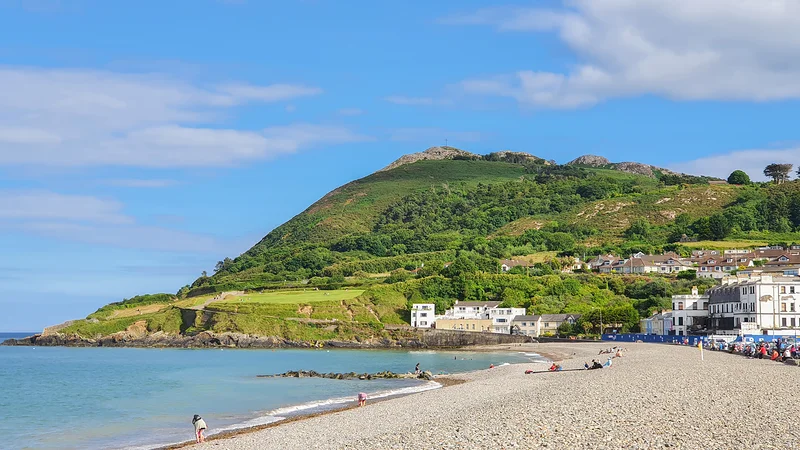
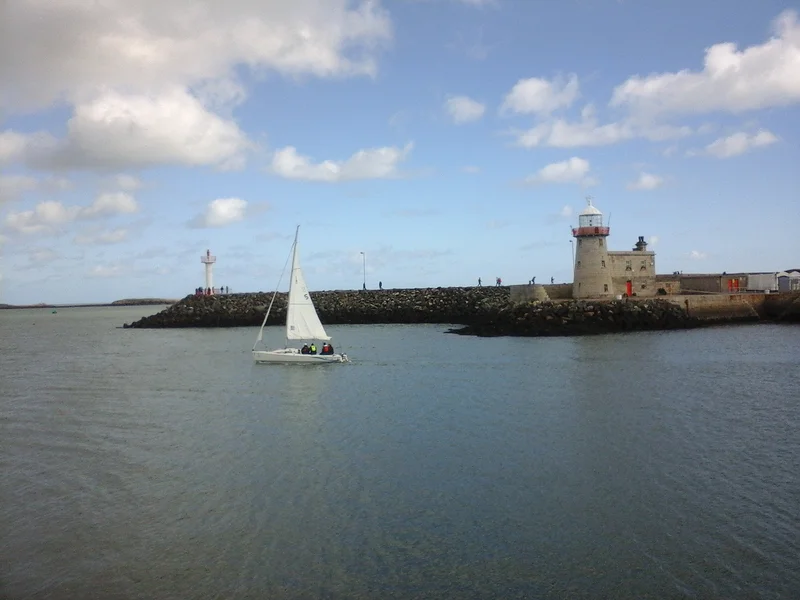
A thirty-minute DART train ride away, the fishing village of Howth is well worth the excursion. The walk along the cliffs offers spectacular panoramas of the bay, and the harbor hosts excellent seafood restaurants where you can enjoy freshly caught fish at reasonable prices. Another option: Dún Laoghaire and its seaside promenade, less wild but just as charming.

The Phoenix Park, one of Europe's largest urban parks with its 700 hectares, is home to wild deer, the Dublin Zoo, and the residence of the Irish President. A breath of fresh air ten minutes from the center, perfect for a morning jog or a picnic away from the hustle and bustle.

A local tip: take the DART to Howth in the late morning, do the cliff hike (2 hours), eat fish and chips at the harbor, and return in the mid-afternoon. Avoid weekends when Dubliners also flock there.

Where to eat and drink in Dublin?

The Dublin culinary scene has exploded in recent years, oscillating between comforting tradition and gastronomic creativity. In pubs, you will find Irish stew, the lamb stew simmered with potatoes and vegetables, or coddle, a typically Dublin dish made with sausages, bacon, and potatoes cooked slowly in a broth. Boxty, a potato pancake that is crispy on the outside and soft on the inside, is a delicious accompaniment to meat dishes.

For an authentic experience without breaking the bank, head to pubs like the Gravediggers near the botanical gardens, Sheehan's in Portobello, or O'Shea's Merchant near Christ Church. At lunch, expect to pay €12 to €15 for a hearty dish. More gastronomic addresses like Delahunt in Portobello revisit Irish classics with finesse: try their pork cheeks braised in cider or their locally caught fish.

As for drinks, it is impossible to escape Guinness, but also try the Irish craft beers that are flourishing in the trendy bars of Camden Street. The Irish coffee, that mixture of coffee, sugar, whiskey, and whipped cream, was invented to warm up frozen passengers from a delayed flight. The fish and chips from Leo Burdock's, an institution since 1913, remains an unbeatable classic to eat on the go for less than €10.

Where to sleep in Dublin and its surroundings?

Your choice of neighborhood strongly influences the experience. To be in the heart of the action, Temple Bar and its surroundings put you within walking distance of everything, but the nightly noise and high prices can be a deterrent. Prefer quieter adjacent streets like Dame Street or the area around Trinity College for a better quality-price ratio.

The residential neighborhoods of Ranelagh or Rathmines, fifteen minutes by bus from the center, offer less expensive accommodations in an authentic local atmosphere. Dublin's youth hostels are of very good quality, with dorm beds from €20-25 per night. Expect to pay €50-70 per person for a Bed & Breakfast in a local home. Mid-range hotels run around €100-120 for a double room on weekdays, double that on weekends.

Pro tip: prices skyrocket during Saint Patrick's Day in mid-March and on weekends with concerts at the Aviva Stadium. Book several months in advance during these periods. The Ballsbridge neighborhood, safe and well-connected, is an interesting alternative for families looking for quiet.

How to get to and around Dublin?

Dublin Airport is located 13 km north of the center. Airlink shuttles (lines 747 and 757) connect to the center in 30-40 minutes for €7. The public bus 16 costs only €2.60 but stops at every stop. By taxi, expect to pay €25-30 depending on traffic. No train or tramway serves the airport yet.

In the city, the network consists of Dublin Bus, the Luas tram (two lines, red and green), and the DART commuter train along the coast. The Leap Visitor Card (prices from €19.50 for three days to €40 for seven days) allows unlimited travel on the entire network and can be purchased at the airport. Alternative: the rechargeable Leap Card for €5 offers a 20% discount on each trip.

The compact center is best explored on foot. From O'Connell Bridge in the north to St Stephen's Green in the south, fifteen minutes is enough. The Dublinbikes bike-share (3-day ticket for €5) is suitable for those used to urban cycling, but watch out for left-hand traffic and slippery cobblestones when it rains.

When to go?

The ideal period stretches from May to September, with a particular advantage for June and early September: pleasant temperatures around 18-20°C, long bright days, and tourist crowds that are less oppressive than in mid-summer. July-August attract the most people, with prices soaring and attractions packed.

Autumn, notably September and early October, offers an excellent compromise: fewer crowds, softer rates, and cultural festivals like the Dublin Theatre Festival. The climate remains mild despite more frequent showers. The Saint Patrick's Day festival, on March 17, turns the city into a giant party for four days, but requires booking months in advance.

On the other hand, avoid December and January, the darkest and rainiest months when some attractions close or reduce their hours. The weather changes rapidly: always bring an impermeable windbreaker and an umbrella, regardless of the season.

Find the best deals to travel to Dublin

Activities and guided tours Hotels and stays Flights Custom trips

When to visit Dublin?

The most favorable period to discover Dublin covers:

February April May June July August

Favorable months also include:

March September November

Check the details below to fine-tune your choice based on your preferences!

Climate and atmosphere in Dublin month by month

January Less Favorable

Temperatures
3°C to 8°C
Sea water
9°C
Sunshine
1.8h / day
Rainy days
12 days
Rainfall
69 mm

The atmosphere is intimate and musical as TradFest brings energy to the Temple Bar neighborhood. Take advantage of the post-holiday lull in tourism to visit the Guinness Storehouse. For a local experience, book your concert tickets in advance and then warm up in a historic pub with a bowl of Irish stew.

February Less Favorable

Temperatures
2°C to 8°C
Sea water
8°C
Sunshine
2.6h / day
Rainy days
10 days
Rainfall
51 mm

The city leans into cinema this month with the Dublin International Film Festival. It is the perfect time to explore the national museum collections, which are often free and offer a great escape from the chilly weather. For a perfect evening, catch a screening and then head to a nearby pub to talk it over, just steps from the Light House Cinema.

March Very Favorable

Temperatures
3°C to 10°C
Sea water
8°C
Sunshine
3.8h / day
Rainy days
11 days
Rainfall
66 mm

The city turns green and erupts in celebration for the <strong>Saint Patrick's Day</strong> festival, a memorable experience. Join the main parade to get right into the action. Our tip: check out the festival's cultural events as well, which are often less crowded and just as interesting.

April Favorable

Temperatures
4°C to 12°C
Sea water
9°C
Sunshine
4.9h / day
Rainy days
10 days
Rainfall
57 mm

Spring is officially here. Parks like <strong>St Stephen's Green</strong> are blooming, and the days are getting noticeably longer. The air stays crisp, which is perfect for a walk along the <strong>Liffey</strong>. It is also a great time to hop on the <strong>DART</strong> train for a trip to the coastal village of <strong>Howth</strong> to get some hiking in.

May Very Favorable

Temperatures
7°C to 15°C
Sea water
10°C
Sunshine
6.1h / day
Rainy days
11 days
Rainfall
60 mm

Expect mild, sunny weather that makes walking the city streets a pleasure. This is the start of greyhound racing season, a quintessential Dublin evening activity. Take advantage of the long daylight hours to grab a drink on the patios that come to life throughout the city center.

June Very Favorable

Temperatures
10°C to 18°C
Sea water
12°C
Sunshine
6.4h / day
Rainy days
10 days
Rainfall
60 mm

Step into the world of James Joyce during the Bloomsday Festival on the 16th, a one-of-a-kind event. You will experience the longest days of the year, giving you plenty of daylight for sightseeing. For a quiet escape, rent a bike and explore Phoenix Park, one of the largest enclosed urban parks in Europe.

July Very Favorable

Temperatures
12°C to 20°C
Sea water
14°C
Sunshine
6.1h / day
Rainy days
11 days
Rainfall
56 mm

Summer is in full swing, bringing a lively atmosphere and plenty of outdoor festivals to the city. It is the perfect time of year for a day trip to <strong>Glendalough</strong>, located in the <strong>Wicklow Mountains</strong>. For a true local experience, catch a Gaelic sports match at <strong>Croke Park</strong>.

August Very Favorable

Temperatures
11°C to 19°C
Sea water
15°C
Sunshine
5.5h / day
Rainy days
12 days
Rainfall
71 mm

The city is buzzing with events like the <strong>Dublin Horse Show</strong>, which draws a sophisticated crowd. The atmosphere is casual and distinctly summery. To escape the crowds, head to the <strong>National Botanic Gardens</strong> in Glasnevin, a quiet, green oasis that feels a world away from the city center.

September Very Favorable

Temperatures
10°C to 17°C
Sea water
14°C
Sunshine
4.5h / day
Rainy days
10 days
Rainfall
63 mm

The summer rush dies down, giving way to a more relaxed pace and the soft light of early fall. The <strong>Dublin Fringe Festival</strong> brings bold performances to venues across the city. It is the perfect time to catch a traditional music session in a pub around the <strong>Smithfield</strong> neighborhood.

October Favorable

Temperatures
7°C to 14°C
Sea water
13°C
Sunshine
3.2h / day
Rainy days
11 days
Rainfall
70 mm

Dublin turns shades of orange in October, fully embracing the season with the <strong>Bram Stoker Festival</strong>, which highlights the city's gothic roots. Crisp, cool air makes it the perfect time to duck into local museums. If you want a scare, sign up for one of the city's guided ghost tours.

November Less Favorable

Temperatures
4°C to 10°C
Sea water
12°C
Sunshine
2.1h / day
Rainy days
11 days
Rainfall
68 mm

The atmosphere turns quieter and more intimate as winter approaches. It is the perfect time to explore Trinity College and its magnificent library while staying out of the elements. Take advantage of the season to check out new art gallery exhibits without the summer crowds.

December Favorable

Temperatures
3°C to 8°C
Sea water
10°C
Sunshine
1.6h / day
Rainy days
12 days
Rainfall
72 mm

The city lights up for the holidays, creating a warm and festive atmosphere, especially on <strong>Grafton Street</strong> with its street performers. Check out the Christmas markets for handmade gifts. For a unique experience, catch a carol concert at <strong>Saint Patrick's Cathedral</strong>.

Weather charts for Dublin

Flight prices to Dublin, month by month

Tip: click the filter icon below to choose your departure city and trip duration.

Top photos posted by members

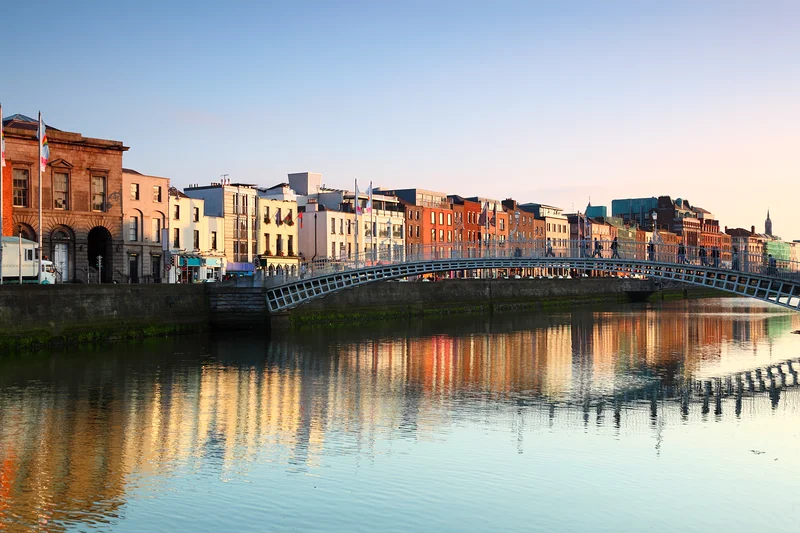
Ha'penny Bridge de Dublin
La Old Library du Trinity College
Trinity College

Traveler reviews on Dublin

Write a review

Reviews summary

On the city

10 reviews
+25
recos
  • Overall 4.5/5
  • Family 3.7/5
  • Couple 4.6/5
  • Friends 4.8/5

On the attractions

30 reviews
+18
recos
  • Libraries +10
  • Museums +9
  • Zoos +3
  • Monuments +2

The perfect city trip!

A dream destination for a weekend with friends, between the lively streets, the exceptional little shops, the architecture of the Irish pubs, and without forgetting the incredible hospitality of the Irish people themselves! I recommend the guided tour by the students at Trinity College, and you can also find workshops to create a ring, it is a really cool experience. A little piece of advice, avoid doing what I did and LOSING it at the pub literally 2 hours after making it, that would be better :)

77
18/05/2026

C'était un anneau qui permet de disparaitre en le portant ? Y a plein de monde qui le recherche :)

19/05/2026

En fait c'est sûrement ça ! On me l'a piqué pour son pouvoir ! Au moins je peux dire que j'ai été en sa possession pendant 1h...

Recommends :
Overall rating :
With family :
As a couple :
With friends :

Cosmopolitan and complete

Dublin is the cosmopolitan city par excellence. Here, all cultures blend harmoniously, creating a unique richness in conversations and in the variety of dining and services. The streets are lively every day of the week, with live music from Monday to Sunday in the famous pubs of this city that never sleeps. Wander around Temple Bar, the most vibrant neighborhood in the capital, and you will most certainly find yourself dancing with Irish locals to the country's signature songs! Dublin is also very accessible by public transport (bus, bike, tram) and the main attractions are diverse: from the Irish Whiskey Museum to the Trinity College Library, not to mention Saint Patrick's Cathedral and the Guinness Storehouse. Dublin is also the ideal starting point to explore the most beautiful gems of Southern Ireland: the Cliffs of Moher, Galway, Glendalough, or even Kilkenny. A top choice destination for a weekend with friends, a fun getaway as a couple, or a family reunion!

13
Recommends :
Overall rating :
With family :
As a couple :
With friends :

Super lively

Dublin is a lively and very busy city. If you like going out and partying, then this city is perfect for you. On the other hand, I found that the cultural side of things was not really there. I recommend staying for two to three days before heading off to discover the rest of the country.

6
Recommends :
Overall rating :
With family :
As a couple :
With friends :

With friends or family.. good times ahead

Dublin is a super welcoming city! Whether you are strolling along the river or in the historic Temple Bar neighborhood (with its colorful streets and lively pubs), or visiting Christ Church Cathedral or Trinity College, you will not be disappointed. I really loved spending a few days there (4 days is enough in my opinion). Only small disappointment: the Book of Kells.

7
Recommends :
Overall rating :
With family :
As a couple :
With friends :

Trendy city, but nothing special

A lot of people are moving (or were moving?) to Dublin for work. After visiting the city for a few days, I gather it is to grab professional opportunities? Because the city itself seemed nice to me for partying or doing a pub crawl, but I would not call it a top city.

4
Does not recommend :
Overall rating :
With family :
As a couple :
With friends :

The clover of the party

Dublin is the party capital. Even though it is obviously very cosmopolitan and touristy, you still find the traditional sensations and the Celtic spirit of this legendary land.
The people are authentic and free. The charm works at all hours in this lively and intoxicating city.
During the day, the classic sightseeing revolves around the university, St. Patrick's Cathedral, Kilmainham Gaol, or even the inevitable Guinness Storehouse.
At night, you will have a choice between a multitude of restaurants and obviously pubs, especially in Temple Bar, a historic and symbolic neighborhood where music, cultural exchange, and a great atmosphere reign supreme.
A city to discover without fail, even just for a weekend.

5
Recommends :
Overall rating :
With family :
As a couple :
With friends :

Good memories

I spent a weekend in Dublin several years ago and I have fond memories of it. The city has its own architectural style, and above all, a warm and friendly atmosphere.

5
Recommends :
Overall rating :
With family :
As a couple :
With friends :

A lively capital

I have been living in Dublin for a year, and I can only recommend spending a week here if you are planning to visit Ireland! The streets are always lively, day and night, with plenty of musicians, magicians, and comedians in the city center. Temple Bar is the peak of that "Irish" vibe in Dublin, with live music 7 days a week and pubs that are all more charming than the last, but you should also take a walk on the other side of the Liffey to find other original bars, like the Wigwam and its ping pong table, or the Church, a pub inside a church, or even the Grand Social and its many concerts. Don't hesitate to visit Phoenix Park by bike on a nice day, Trinity College, or the Chester Beatty Library.

6
Recommends :
Overall rating :
With family :
As a couple :
With friends :

A fabulous city!!

Dublin is a city that stands apart in Ireland, not really representative of the rest of the country because it has its own vibe and is very cosmopolitan. In any case, from my point of view, it is impossible not to love it! Obviously, to start off, there is Temple Bar, the pub district, with its amazing atmosphere at nightfall. The pubs come alive with lots of concerts and the beer flows freely. But Dublin is also about its parks, which are real green lungs in the city, its restaurants, notably The Church, a restaurant in an old church where you eat really well, and above all, the people who are so open and warm.

5
Recommends :
Overall rating :
With family : N/A
As a couple :
With friends :

Very welcoming city

Very pleasant city with a truly happy and festive atmosphere.
I highly recommend it!

6
Recommends :
Overall rating :
With family :
As a couple :
With friends :

You've seen every review.

More cities to visit from Dublin