Southern Ireland: Celtic Legends, Wild Coasts, and Pubs That Actually Deliver
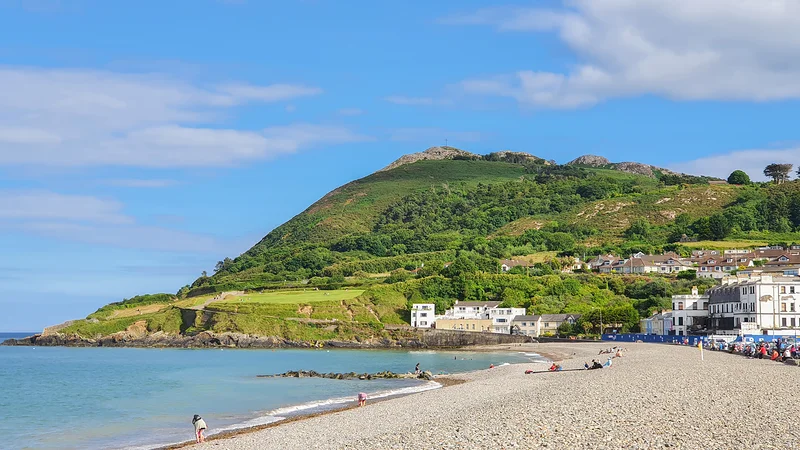
Every hill seems to be hiding a story here. The pubs hum with live music, the coastline takes a beating from the Atlantic, and the whole place feels like it's sitting at the edge of the world. People come for the landscapes, but what keeps them talking about it long after they're home is the warmth of the locals and an atmosphere you genuinely can't manufacture.
Is Southern Ireland the right trip for you?
If you're into wild landscapes, hiking, and living Celtic traditions, this trip will deliver. Pub culture here is the real thing, not a theme park version of it. But let's be straight: the weather is unpredictable, rain is frequent, and prices, especially in summer, can be steep.
If you need guaranteed sunshine and a beach-chair vacation, look elsewhere. But if the idea of hiking through drizzle and ending the evening by a fire with a pint in hand sounds like a good time, you're going to love it here.
Dublin: a capital city with real energy
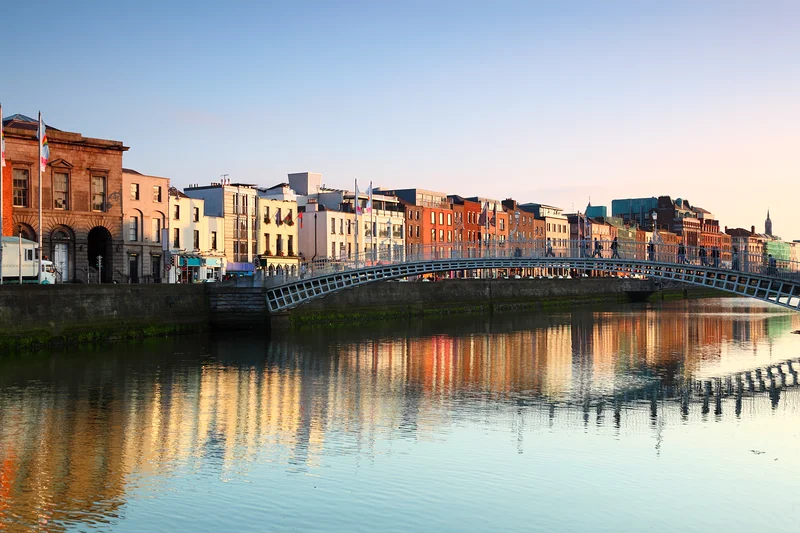
Dublin is worth more than a layover. The Georgian quarter is immediately recognizable, colorful facades and those famous brightly painted doors that show up on every postcard. St. Stephen's Green, right in the center, is a proper city park where locals actually spend time.
Trinity College is worth the entrance fee just for the Old Library, a long barrel-vaulted hall lined floor to ceiling with ancient books that looks like something out of a fantasy novel. Nearby, St. Patrick's Cathedral has been standing since the 12th century and reflects centuries of Irish religious and political history. Come evening, Temple Bar pulls in a mix of travelers and locals with its murals, pubs, and live music on every corner.
Insider tip: Temple Bar on a weekend night is loud and packed. If you want a more traditional pub experience, head to Smithfield or Stoneybatter instead. Same music, half the crowd.
Connemara: the wild soul of Ireland
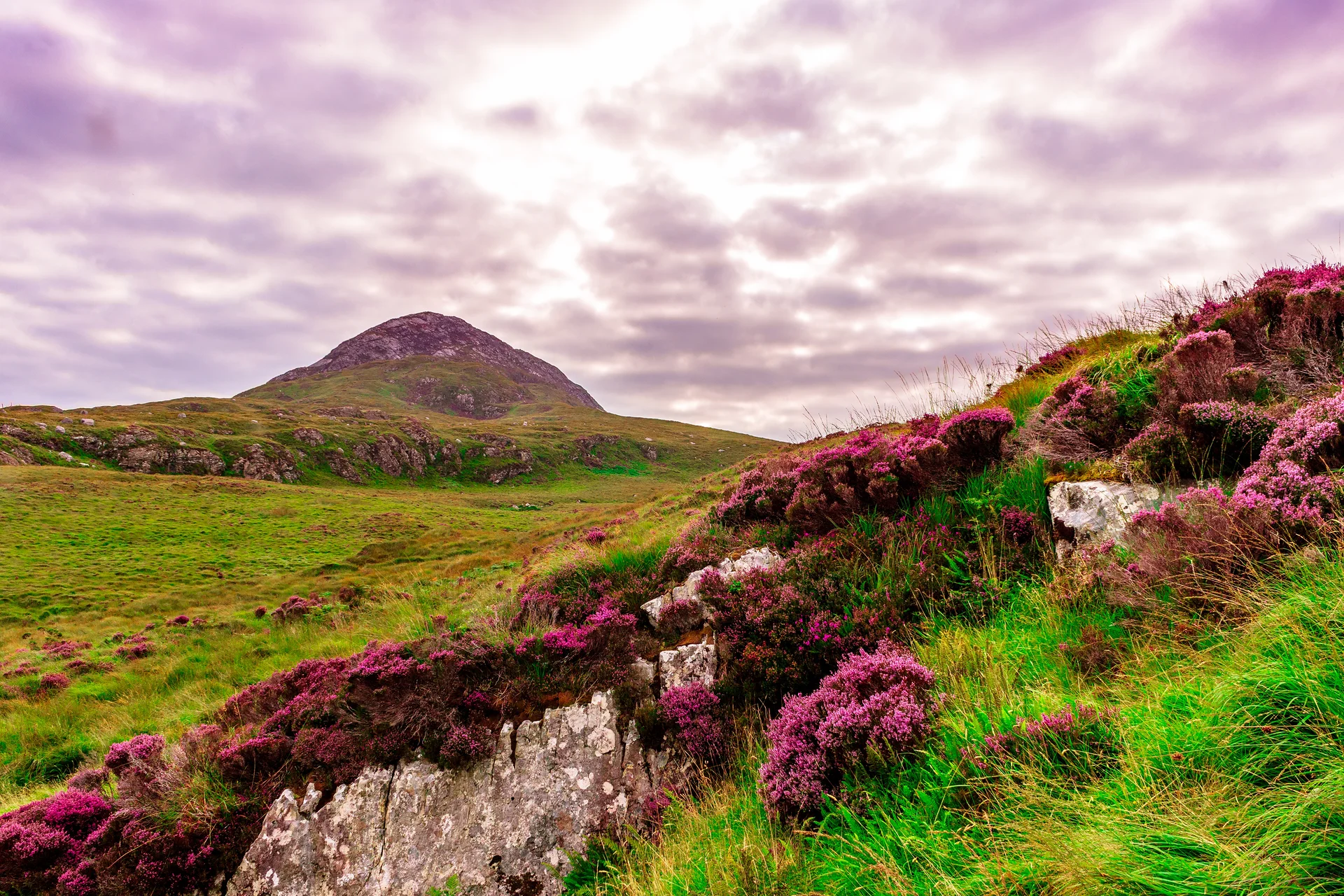
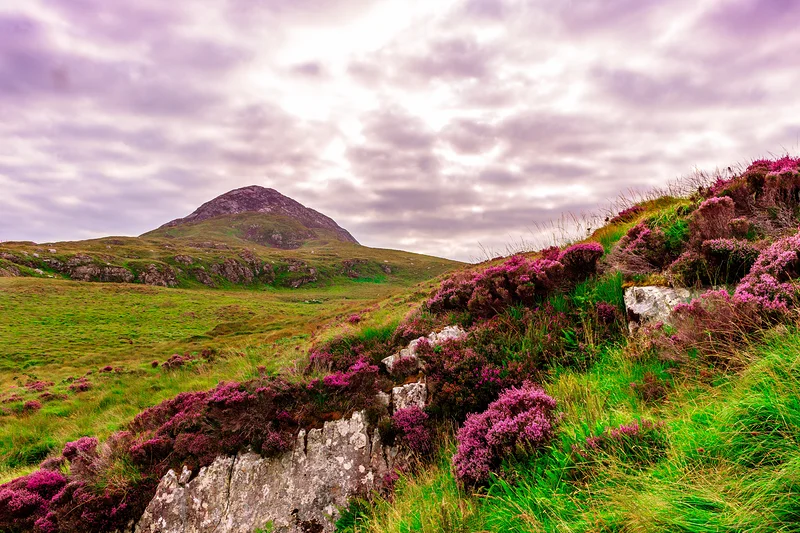
If there's one region that defines the Irish landscape in the American imagination, it's Connemara. Shimmering lakes, heather-covered hills, sheep wandering wherever they feel like it. The place feels genuinely timeless. Near Letterfrack, the Connemara National Park has hiking trails that take you straight into that raw, constantly shifting terrain.
Drive the back roads and you'll notice Irish (Gaelic) on the road signs, and you'll hear it spoken in some of the villages. Kylemore Abbey, a Victorian castle set against a lake with a restored walled garden, adds an unexpected romantic note to an otherwise rugged landscape.
Insider tip: Layer up for any hike in Connemara. Four seasons in a single day is not an exaggeration here. Pack a rain shell no matter what the morning forecast says.
The Cliffs of Moher and the Atlantic coast
The Cliffs of Moher rise more than 650 feet straight out of the Atlantic. The views are genuinely dramatic, but the main trail gets crowded fast. Get there early in the morning if you want the place to yourself.
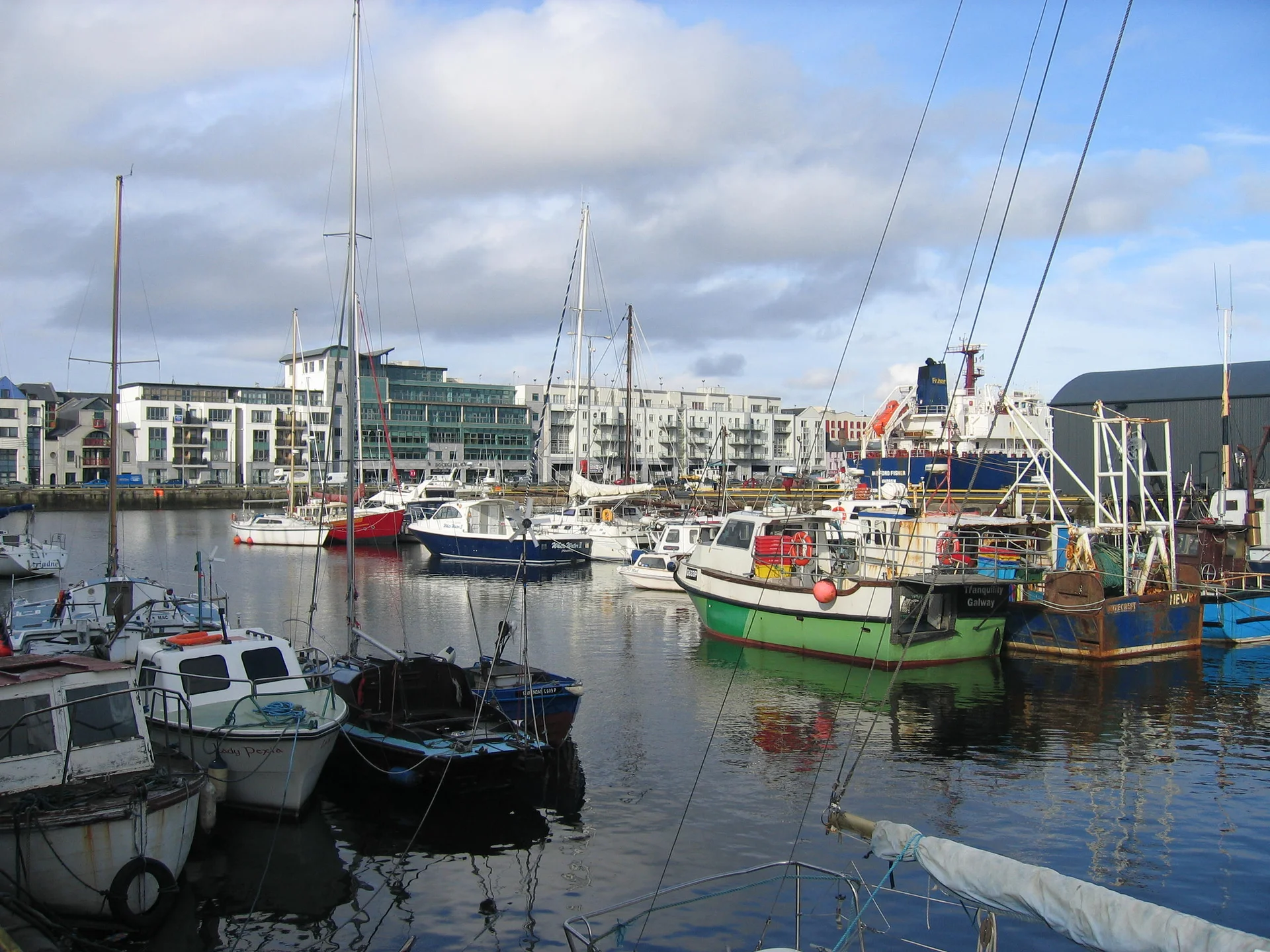
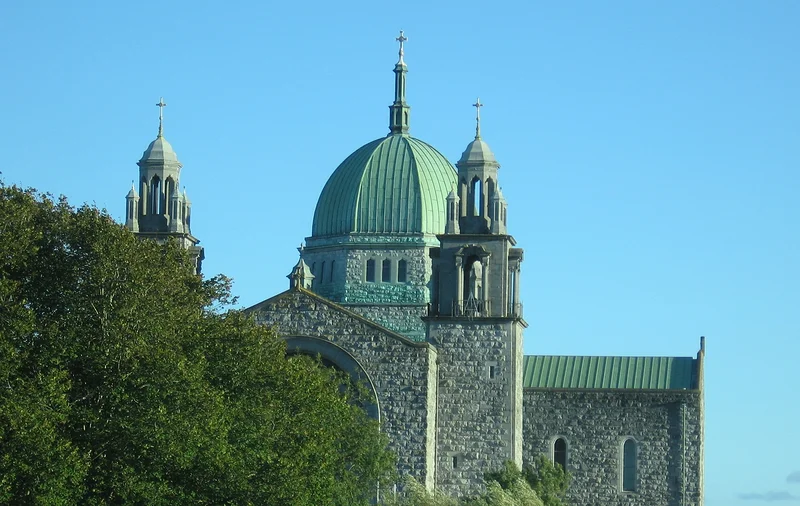
A short drive away, Galway has the kind of low-key creative energy you'd find in a mid-size college town, colorful storefronts, street musicians, and pubs running traditional sessions most nights. The Spanish Arch, a remnant of the old city walls, is a reminder that Galway was once a serious trading port. Think of it as the Austin of Ireland, compact, musical, and a little unpredictable.
Further south, the Dingle Peninsula is another level entirely. Wild beaches, dramatic cliffs, and small fishing villages that look like they haven't changed much in decades. The light here shifts constantly, which is why filmmakers keep coming back to shoot here.
Traditions and local culture
Southern Ireland runs on festivals: traditional music sessions, Celtic dance, and religious celebrations mark the calendar throughout the year. Irish (Gaelic) is still spoken as a first language in certain areas, a living reminder of how deep the cultural roots run here.
The people are famously talkative and genuinely welcoming. Strike up a conversation in a pub or a small shop and you'll walk away with a story you'll be repeating for years. That's not a tourism-board line, it's just how it works.
Insider tip: Don't wait to be introduced. Irish pub culture rewards the person who pulls up a stool and asks a question. The conversations you have with locals will likely be the highlight of the trip.
What to eat in Southern Ireland
The food tradition here is built around simple, hearty ingredients. Irish stew (lamb and root vegetables slow-cooked together), colcannon (mashed potatoes with cabbage or kale), and fresh seafood are the classics. In coastal towns, oysters, smoked salmon, and mussels are pulled straight from nearby waters and served the same day.
Draft beer is the default in every pub, and the pours are taken seriously. For something on the side, soda bread, dense, slightly sweet, and nothing like American sandwich bread, goes with just about everything.
When to go to Southern Ireland
June through August is the most active stretch, with the longest days and the best chance of sunshine. It's also peak season, so expect crowds at major sites and higher prices across the board. September is the sweet spot: the weather stays mild, the tourists thin out, and the landscape is still green.
Spring brings wildflowers across the meadows, and fall turns the forests into warm shades of amber and red. Winter is wet and windy, but if you're after cozy pub evenings and a more intimate side of the country, it has its own appeal.
Getting to Southern Ireland
From the US, you're looking at direct transatlantic flights into Dublin, with connections available to Cork and Shannon if you're heading straight for the west. Flying into Shannon can save you hours of driving if the Cliffs of Moher or Galway are your first stop. Fares drop noticeably outside of summer, so shoulder season travel pays off here.
If you're already in the UK or Europe, there are ferry routes into Cork that let you bring your own car over, a slower crossing but a practical option if you're planning a road trip from the start.
Getting around Southern Ireland
Buses connect the main cities and towns, but rural schedules can be sparse. Trains run between Dublin, Galway, and Cork and are comfortable, though the network is limited compared to other parts of Europe.
For the wild landscapes, renting a car is the only real option if you want flexibility. The roads are narrow and winding, and you'll be driving on the left, which takes a day or so to get comfortable with. Stick with it, because those back roads lead to the best scenery. In cities, walking and cycling are the easiest ways to get around.