
Visiting Omalos
Far from the crowds, Omalos is a quiet mountain village located just 39 km from Chania, the capital of western Crete. Life here moves to its own rhythm dictated by the seasons, herds, and crops rather than a rush. Nestled in the heart of the Lefka Ori, or White Mountains, the village sits at an altitude of 1080m, and its plateau is a favorite among trekkers. Sitting at the foot of the imposing Volakias peak at 2116m, the mountain was once said to be the throne of Zeus, though it served more practically as a stronghold for Cretan resistance fighters during the Ottoman occupation. If you want to experience a different side of Crete away from the beaches, this is the ideal nature destination.
A true mountain village
Reaching Omalos takes some effort due to the winding mountain roads. The village functions primarily as a staging ground for supplies and rest stops. You will not find grand architecture or mass tourism infrastructure here, as the dramatic natural surroundings are the main draw. The White Mountains range is the largest on Crete, and Omalos is the only village in its northern section. Sparingly populated, it is the domain of goat herders and farmers. Potatoes and grains thrive in the crisp air of Omalos, but they are far from the only things growing. The local flora is exceptionally rich, with 1828 species recorded on the island, including several endemics. Aromatic herbs flourish in this pristine environment, and local farms process them directly. In the small round stone huts known as mitata, makers craft traditional graviera cheese, offering a glimpse into authentic Cretan pastoral life.
16 km gorges
Rugged and naturally fortified, the terrain aided Cretan revolutionaries during their uprisings against the Ottoman Empire. The tomb of one of its most prominent figures is one of the few historical landmarks in Omalos, where Hatzimichalis Giannaris chose to be buried. A church dedicated to him sits nearby alongside the Tzani Cave, which served as a hideout for the rebels.
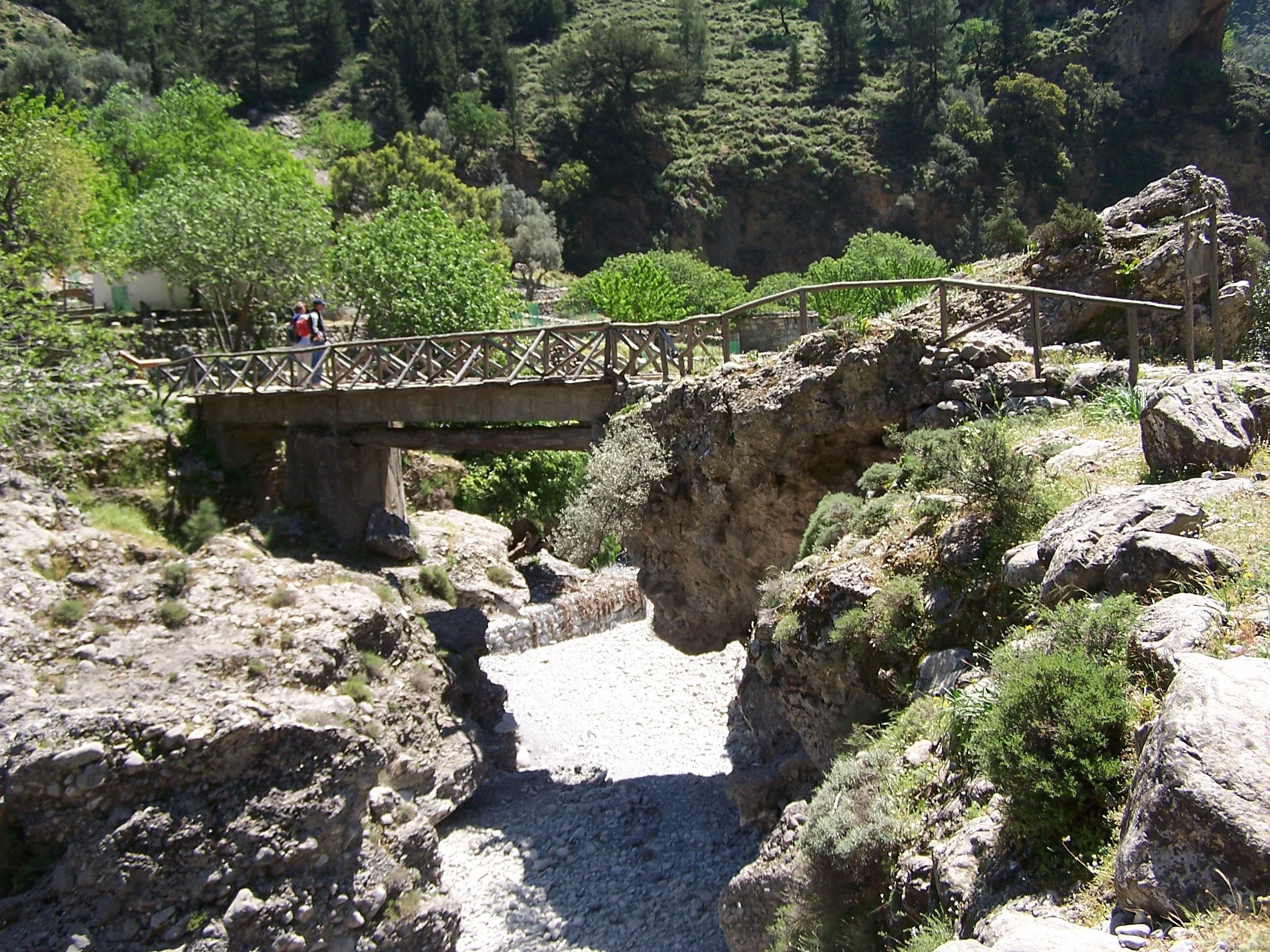
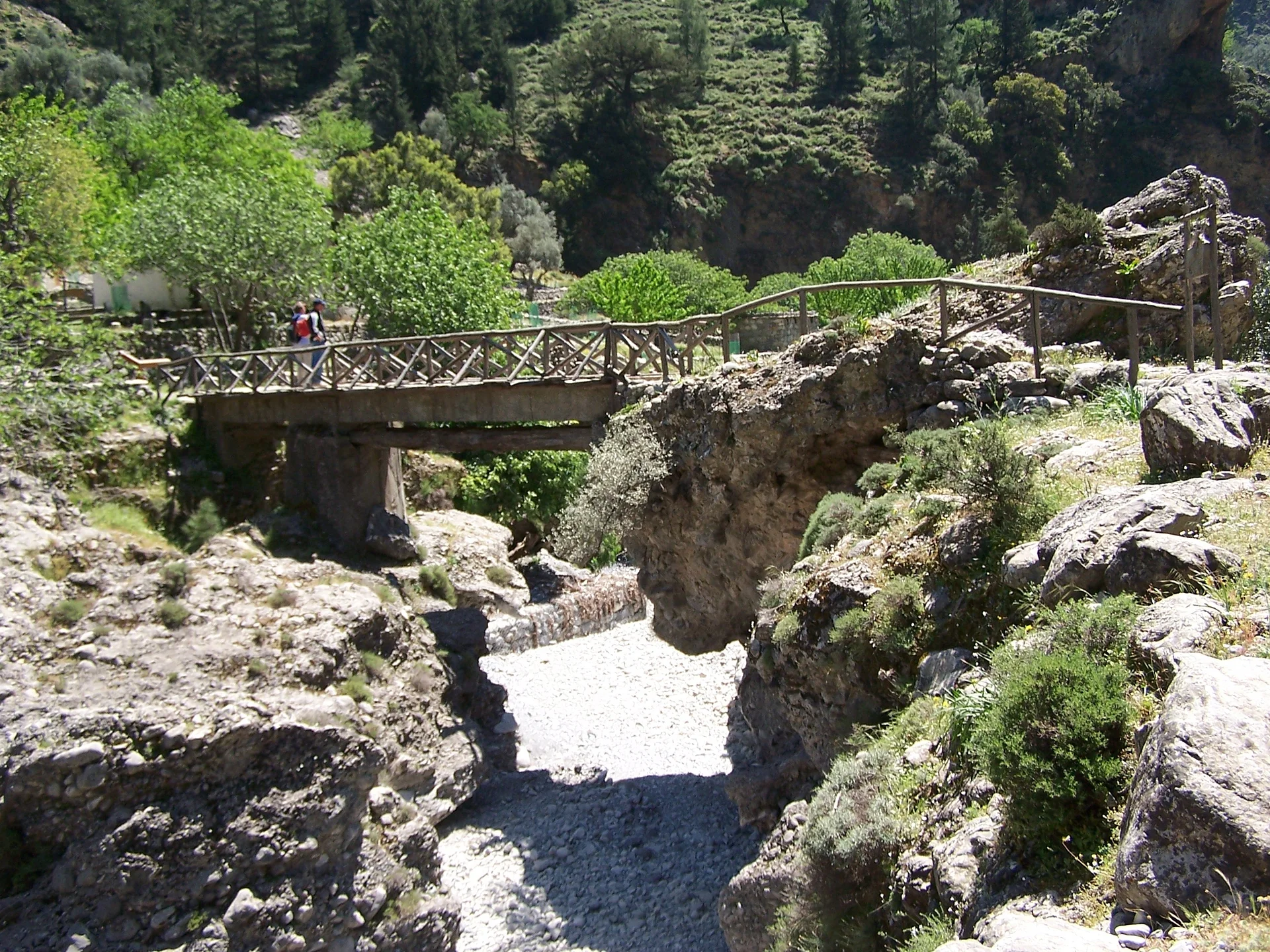
The famous Omalos plateau offers some of the most striking scenery on the island. Dense vegetation interspersed with jagged peaks makes it a haven for hikers. An old mule track connects the village to the small community of Agia Eirini, 5 kilometres away. Just outside the village, Xyloskalos, a stone staircase carved into the cliffside, marks the start of the descent into the Samaria Gorge, which put this region on the map. Located within the national park of the same name, its 16 km span offers an incredible hike through towering rock walls. Closed to visitors in the winter, the gorge draws heavy foot traffic during the warmer months and is best suited for experienced hikers.
When to go
To experience the area fully, the best time to visit is from May to October, as the Samaria Gorge is closed during the winter. The local climate is alpine, and heavy winter snowfall requires proper gear if you plan on exploring the trails.
How to get there
Omalos is 39km from Chania, and the easiest way to make the drive is by renting a car or taking a taxi.
In the village itself, there is not much to do. It still has the merit of existing and being a place to get some rest during your hike through the stunning Omalos gorge. A good spot to stock up on snacks, drinks, a bathroom break, etc :)