La Malène, gateway to the Tarn gorges
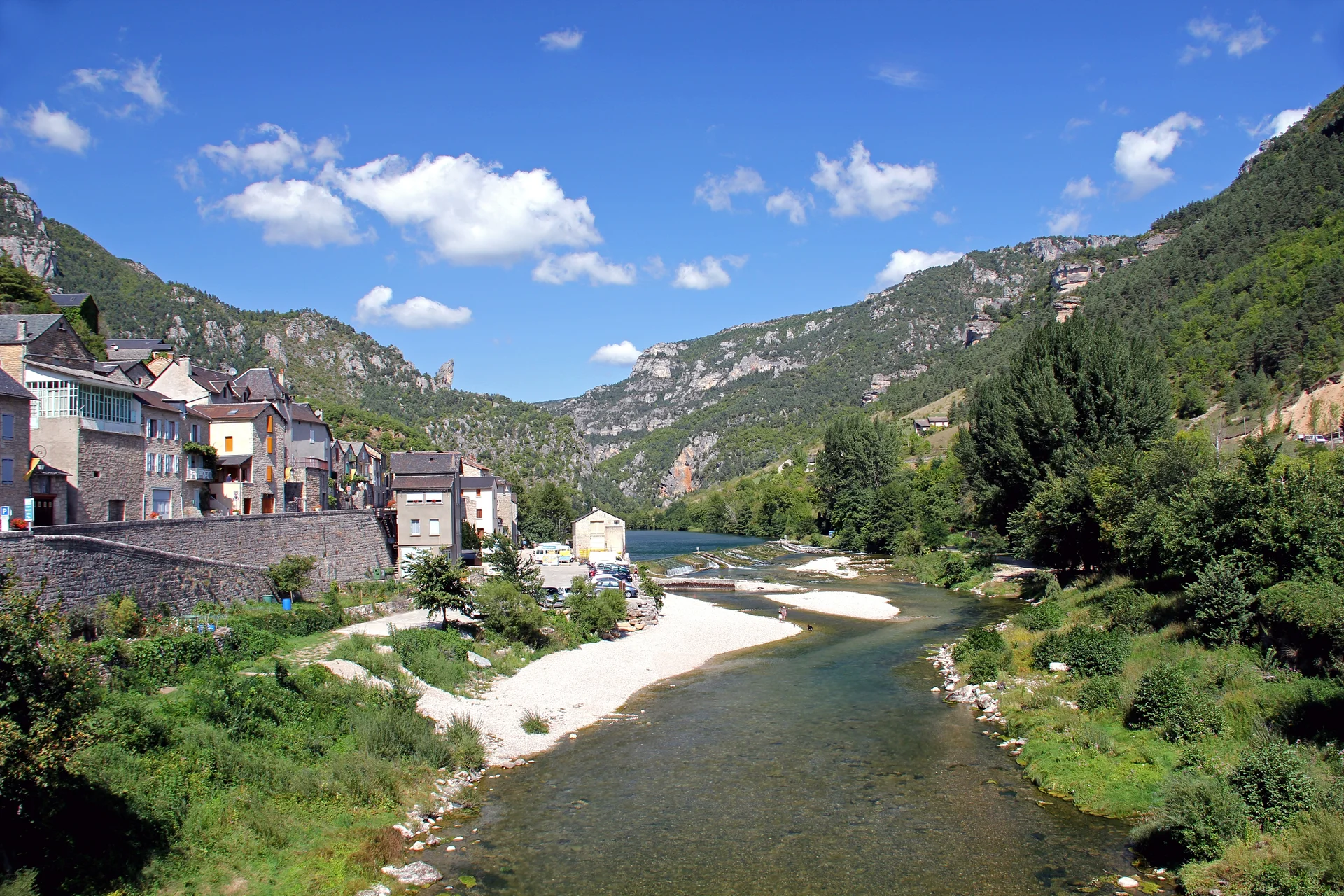
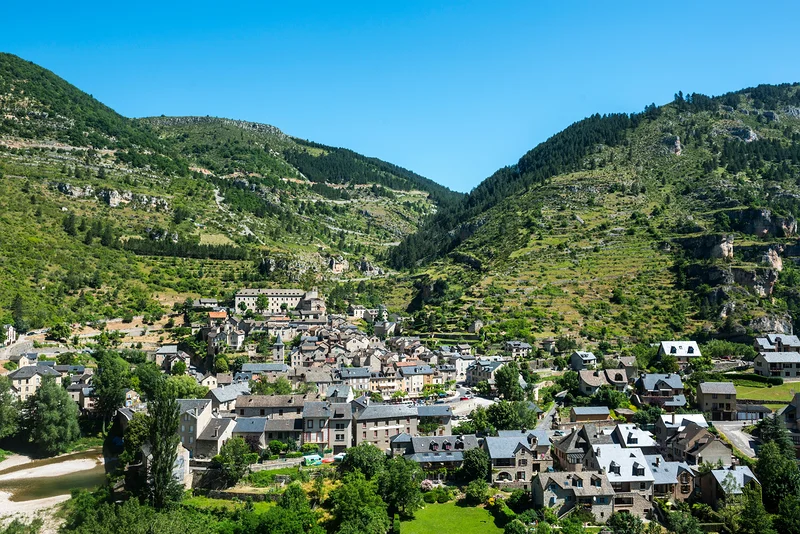
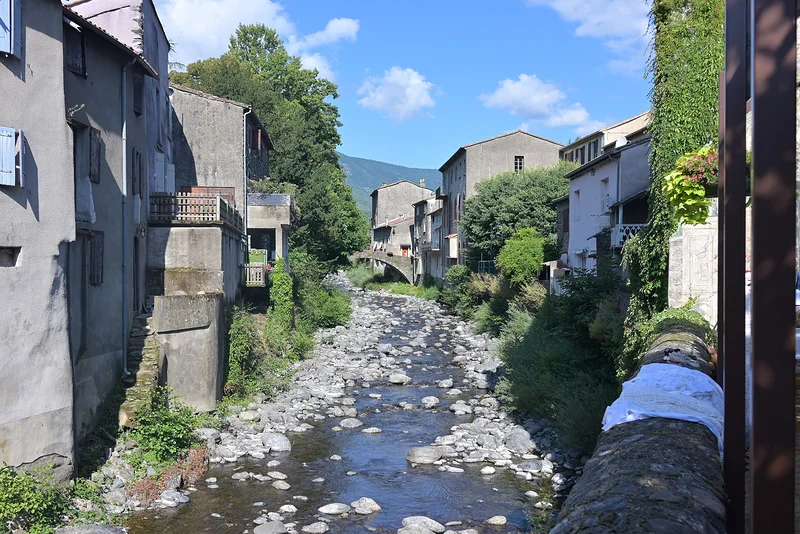
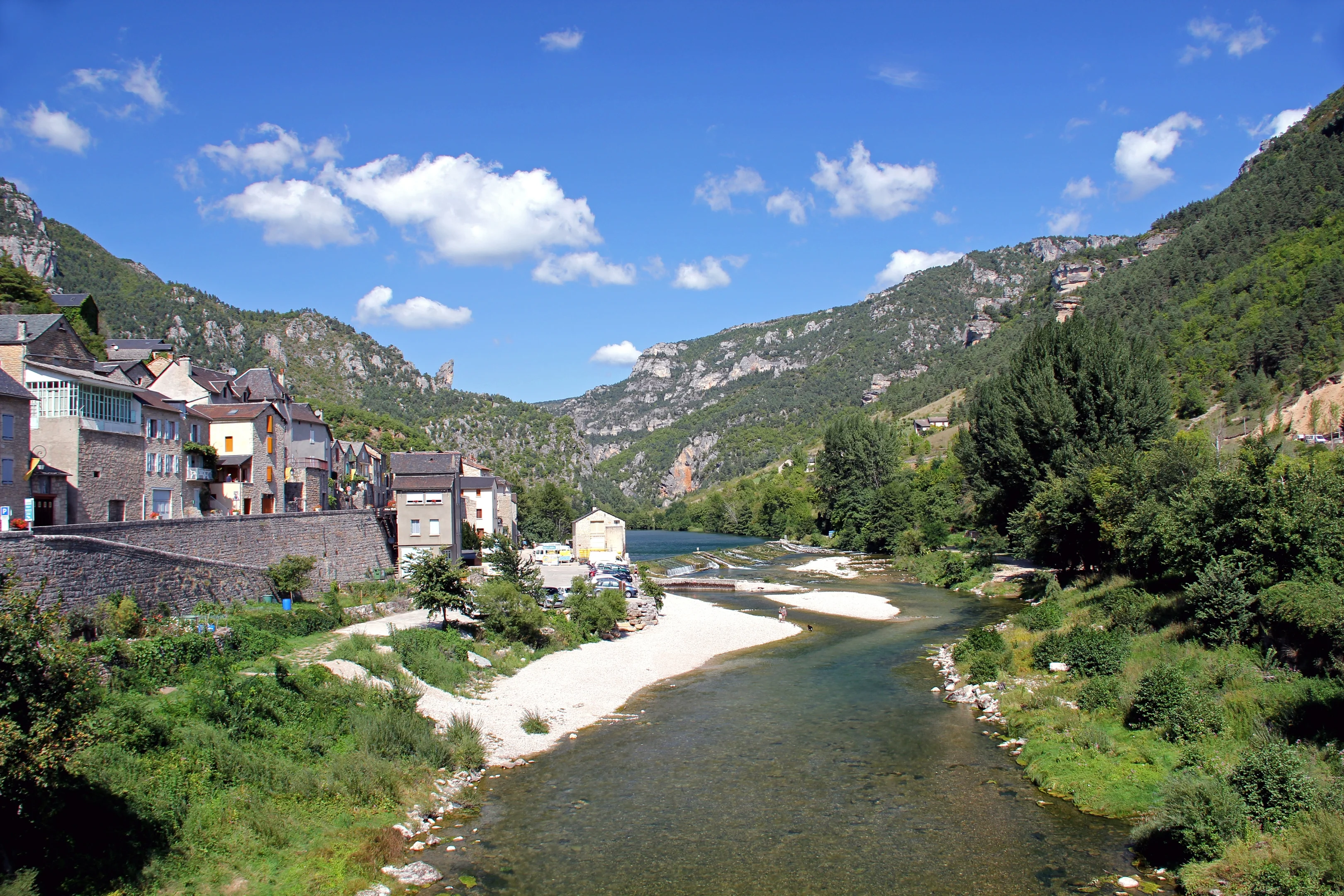
One hundred and eighty-four residents, a handful of gray stone houses huddled against the cliff, and the Tarn river flowing below with millennia of indifference.
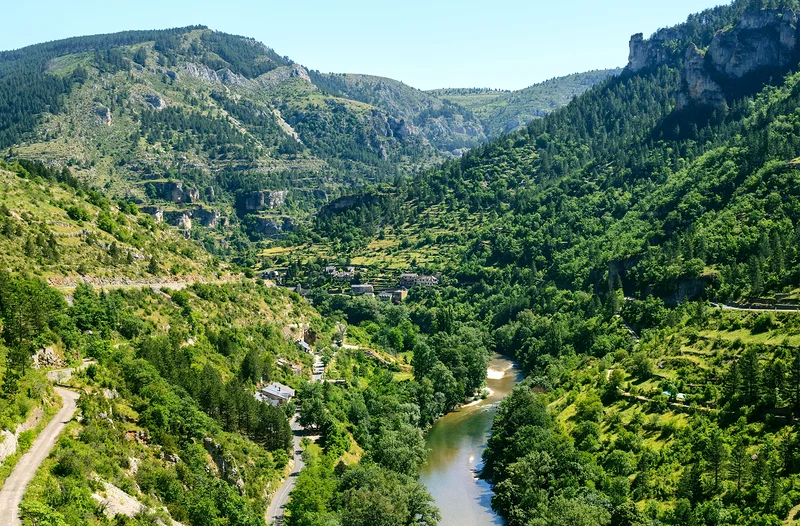
La Malène is not a destination in the typical tourist sense, but rather a waypoint that, once you actually stop, reveals something quite rare. First comes the thick, almost physical silence, followed by the sheer verticality of the Tarn Gorges that gently humbles your ego.
Is this place right for you?
La Malène appeals to those seeking a dramatic natural setting without the usual accompanying tourist machinery. Hikers, canoe enthusiasts, and families looking to truly unplug will feel right at home here.
On the other hand, if you need nightlife, varied dining options, or a stable internet connection, keep driving. The village shuts down early, choices are limited, and that is precisely what makes it charming to some and restrictive to others.
Good fit for:
- Hikers wanting to explore the Tarn gorges on foot or by canoe
- Families looking for a nature getaway far from the crowds
- Travelers who appreciate limestone plateaus and cliff landscapes
- Those seeking a quiet base to explore the Cévennes National Park
Bad fit for:
- Travelers without a car, as public transit is virtually nonexistent
- Those looking for nightlife or urban cultural events
- Travelers who need a wide selection of restaurants and shops
- Off-season trips, since many lodgings and outfitters close from October to April
Budget: reasonable, but watch out for seasonality
La Malène remains affordable compared to major French tourist spots. Lodging options are limited, which can drive up prices during peak summer. Plan to book several weeks in advance for July and August.
| Expense | Indicative range |
|---|---|
| Night in a campsite or simple gîte | $17 to $40* |
| Night in a hotel or comfortable bed and breakfast | $79 to $135* |
| Quick bite (sandwich, grocery store) | $9 to $14* |
| Restaurant meal | $23 to $40* |
| Canoe rental (half-day) | $17 to $29* |
| Total daily budget for backpackers | $51 to $79* |
| Total daily budget for comfort | $146 to $220* |
Indicative rates subject to change
Practical realities
La Malène sits at the bottom of the gorges on the D907bis, a winding road hugging the Tarn. Expect about 1 hour and 30 minutes from Millau and a bit longer from Mende. The road is scenic but demanding, so avoid it during winter ice storms. There is no train station and no regular bus service, making a car essential.
The village has limited access to services: a convenience grocery store in season, a few accommodations, and one or two restaurants. For serious shopping, Florac or Millau are the closest towns with full amenities. Stock up on provisions if you arrive on a Sunday.
The Tarn gorges from La Malène
This is the main reason the village exists. The gorges reach their most dramatic section here, with cliffs peaking in places over 500 metres above the river. The light shifts every hour depending on the sun's position between the canyon walls: in the morning, it grazes the white limestone of the Causse de Sauveterre to the north, while in the afternoon it warms the reddish rocks of the Causse Méjean to the south.
Taking a traditional flat-bottomed wooden boat from La Malène down to the Détroits and Baumes-Chaudes is the quintessential experience. Local boatmen have run these descents for generations, covering about 6 kilometres on the water in a silence broken only by the lap of the current. It is one of the few activities here that truly earns the label unique.
Friendly tip: reserve your boat trip as soon as you arrive, or even before you leave. In July and August, morning slots sell out within hours. The boatmen operate from the dock in the center of the village.
Hiking and outdoor life
The GR 6 trail runs through the area, offering sweeping aerial views of the gorges from the heights of the plateaus. The climb toward the Roc des Hourtous is one of the most rewarding, taking about 2 hours round-trip from the village for a breathtaking panorama over the bends of the Tarn.
Canoeing and kayaking are the other main attractions. Several outfitters offer routes on the Tarn, ranging from family-friendly short paddles to full-day excursions. River levels vary by season, running calmer and shallower in the summer, which suits beginners.
Friendly tip: if you are hiking the plateaus in the dead of summer, start early. The tablelands are exposed with no shade, and temperatures climb quickly. Pack more water than you think you need.
Where to eat and drink in La Malène?
Options are limited, to be honest. A handful of restaurants and inns serve traditional regional dishes from the Lozère department: aligot (mashed potatoes blended with melted cheese and garlic), tripoux (stuffed tripe), Aubrac lamb, and local plateau cheeses. It is simple, hearty, and usually very good. Do not look for high-end gastronomy, as that is not the spirit of the place.
Outside of peak season, most spots close. Check schedules before heading out on day trips so you do not return to locked doors in the evening.
Where to stay in La Malène and surroundings?
The village has a few hotels and gîtes right on the banks of the Tarn. Sleeping here means hearing the river all night, a detail that makes a difference. Nearby campgrounds offer an affordable alternative, often with direct water access.
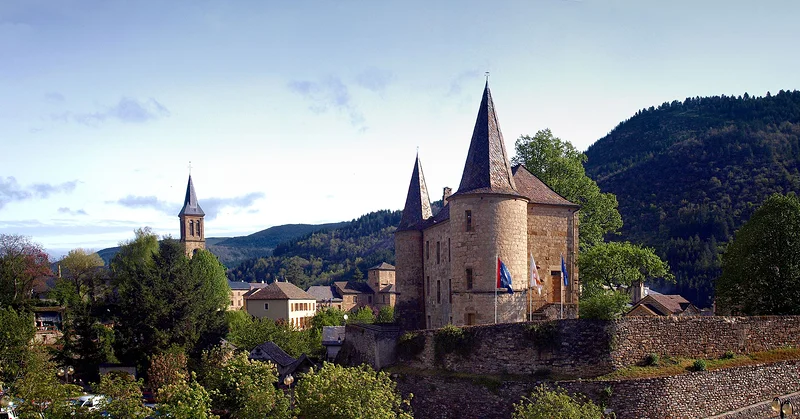
For more choices, Sainte-Énimie (about 20 kilometres away) offers more lodging and remains a great base for exploring the gorges. The village itself is ranked among the most beautiful villages in France.
How to get to La Malène?
No nearby airport serves the area directly. The most practical airport is in Montpellier, about a 2-hour drive away. Rodez and Nimes are alternatives depending on your starting point. From Paris, taking the train to Millau and renting a car is the most logical combination.
A car is truly the only viable mode of transport once you arrive. The D907bis road winding up the gorges from Ispagnac to Le Rozier is the main artery: gorgeous to drive, but worth avoiding on summer weekends if you are in a rush.
When to go?
The ideal season runs from May to September. Spring brings a full river and fresh greenery, while summer is warm and lively with all activities open. July and August are the busiest months, and the gorge road can turn into a traffic jam on weekends.
September is often the best compromise: the crowds thin out, temperatures stay pleasant, and the colors start changing on the plateaus. Skip winter if you are coming for outdoor activities, as most operators close between October and April.