
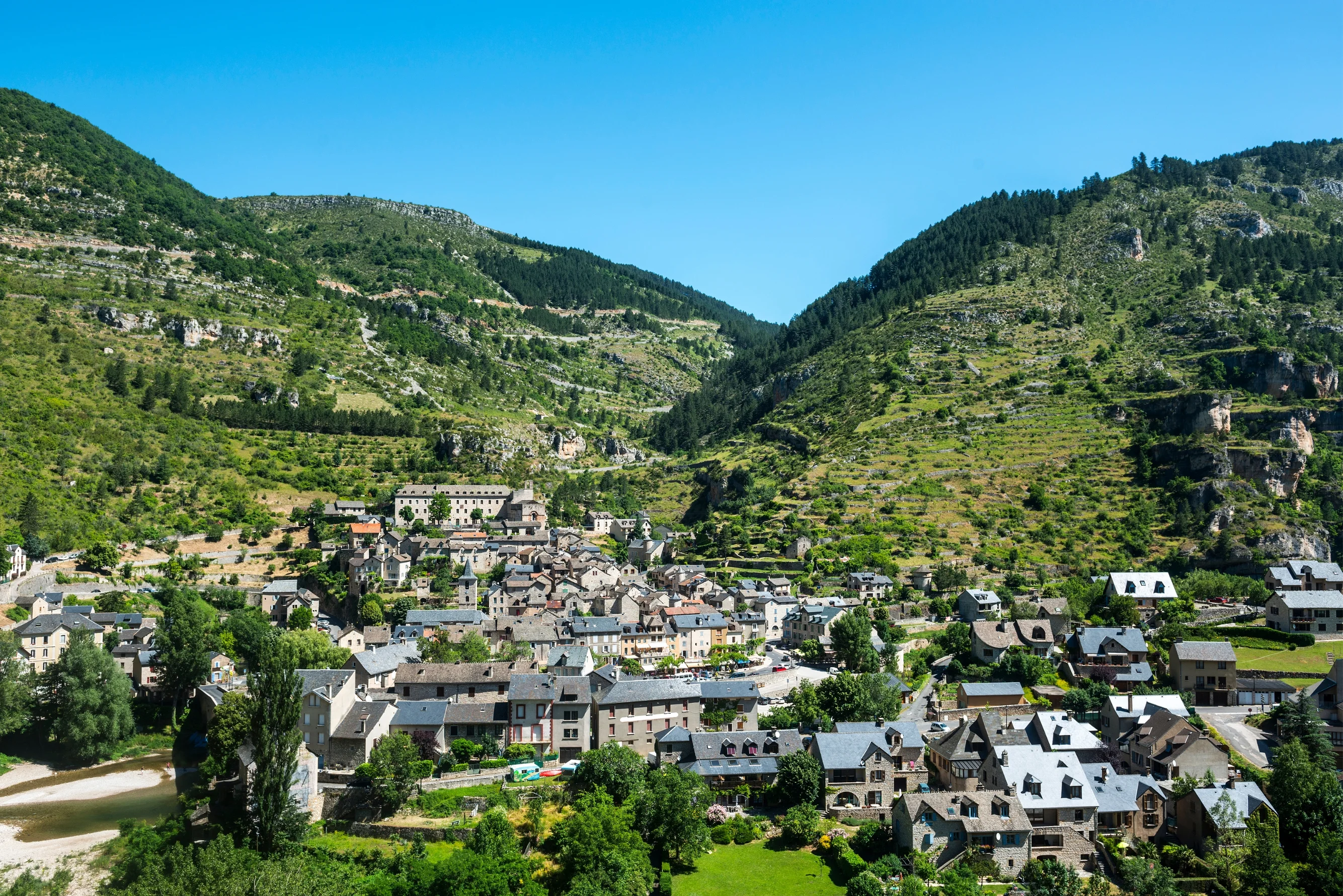
Visiting Sainte-Enimie, a Medieval Village in the Gorges du Tarn
Set against a dramatic backdrop, Sainte-Enimie is a medieval village that draws you in with its authentic character and natural setting. Tucked into the Gorges du Tarn, it serves as an ideal base for exploring this protected region, whether you enjoy historic architecture, hiking trails, or striking canyon scenery.
A Village with a Fascinating Past
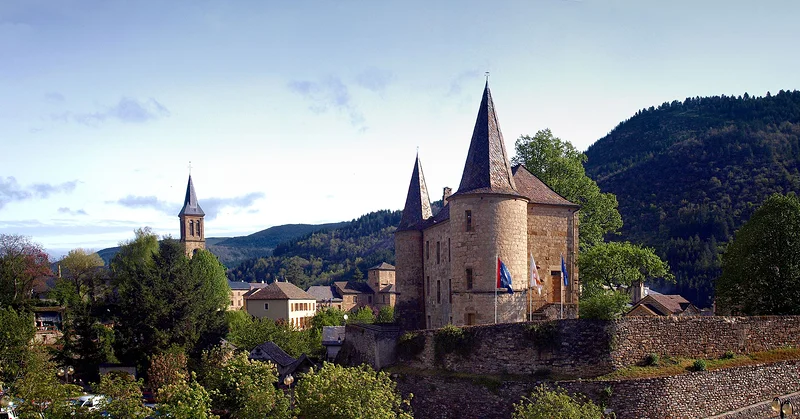
Sainte-Enimie owes its name to a Merovingian princess who, according to legend, was cured of leprosy by the waters of the Burle spring. Listed among the "Plus Beaux Villages de France" (Most Beautiful Villages of France), the village preserves its rich medieval heritage through cobblestone alleyways, stone houses, and the remnants of its Benedictine monastery.
What to See in Sainte-Enimie
The village is packed with points of interest:
- La source de Burle (Burle spring): a small fountain tied to the legend of Princess Enimie.
- Le monastère bénédictin (Benedictine monastery): although partially in ruins, it remains a testament to the village's religious history.
- Le panorama du roc des Hourtous (Roc des Hourtous viewpoint): located 18 km away by road, it offers an unobstructed view over the Gorges du Tarn.
- Les ruelles médiévales (medieval alleyways): perfect for wandering, revealing handsome stone buildings typical of the region.
Outdoor and Sports Activities
Thanks to its prime location, Sainte-Enimie is an excellent launching pad for various outdoor pursuits:
- Kayaking on the Tarn, with several rental operations right in the village.
- Hiking along the trails of the Causses, offering dramatic overlooks.
- Rock climbing and via ferrata for thrill-seekers.
Exploring the Surroundings
Beyond Sainte-Enimie, the surrounding area is well worth the detour:
- Castelbouc: a fascinating cliffside village.
- Saint-Chély-du-Tarn: known for its waterfall and medieval bridge.
- La Malène: the ideal starting point for a traditional boat trip with the boatmen of the Tarn.
Authentic and Hearty Cuisine
Local specialties reflect the terroir of Lozère: truffade (potatoes and melted cheese), manouls (braised tripe), and coupétade, a dessert similar to French toast.
Where to Eat?
- Auberge du Moulin (historic center): local cooking in a rustic setting.
- Le Belvédère (Tarn riverbank): regional specialties with river views.
- La Table de Loulou (route des Causses): farmhouse dishes and a welcoming atmosphere.
When to Go?
The best time to visit runs from April to October, featuring pleasant temperatures and scenic landscapes. Summer is prime time for water sports. To dodge the crowds, aim for spring or early autumn.
How to Get There?
The village is accessible by car via the A75 highway followed by winding roads that deliver great views. The nearest train station is in Mende (27 km away), with bus or taxi connections. Plan for about 2 hours and 30 minutes of driving from Montpellier.
How to Get Around?
The village itself is strictly pedestrian, as its narrow alleys are unsuited for cars. A car is essential for exploring the surrounding area.
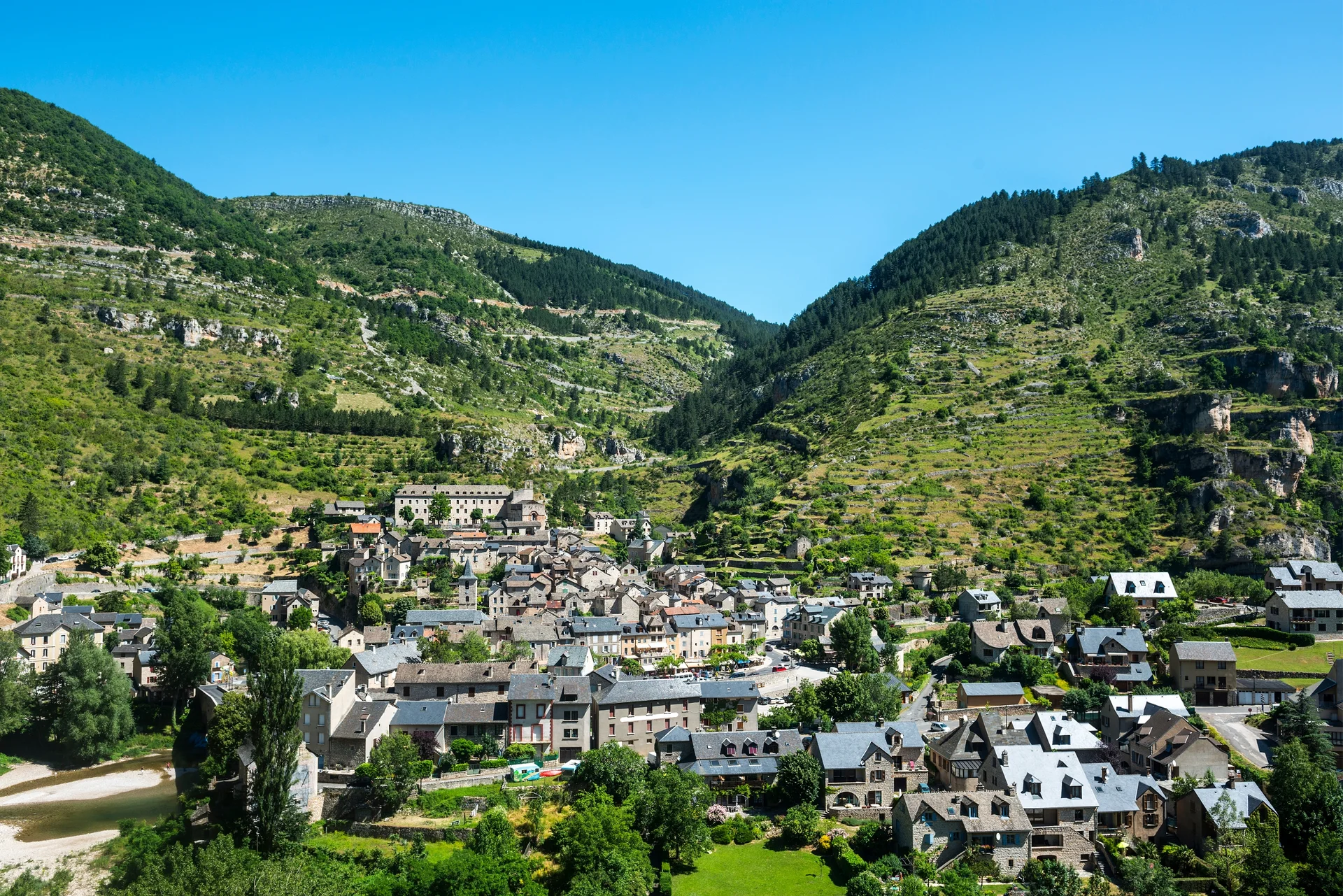
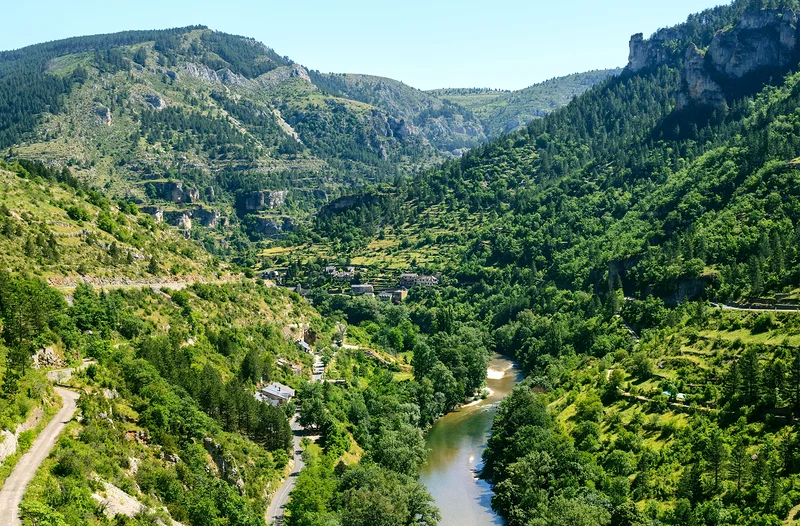
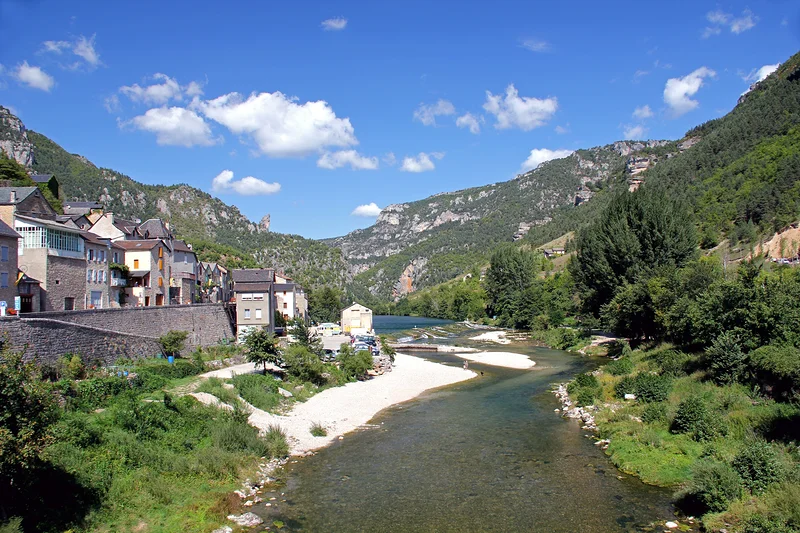
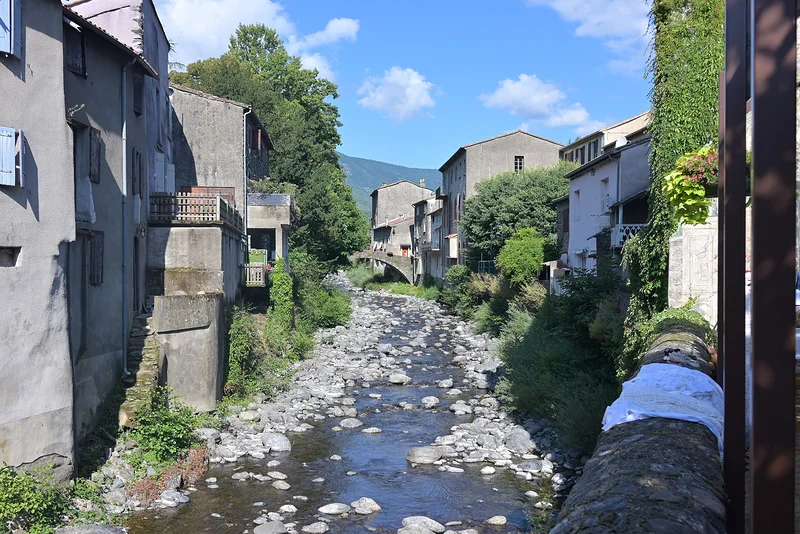
I visited the Gorges du Tarn right after I got my driver's license. Let's just say I was white-knuckling it through the curves because the roads are very narrow. But what a reward when you discover the delightful village of Sainte-Enimie with its direct access to the river, its canoe rentals, and its little restaurants. I have such fond memories of it, and the village didn't feel ruined by mass tourism to me.