
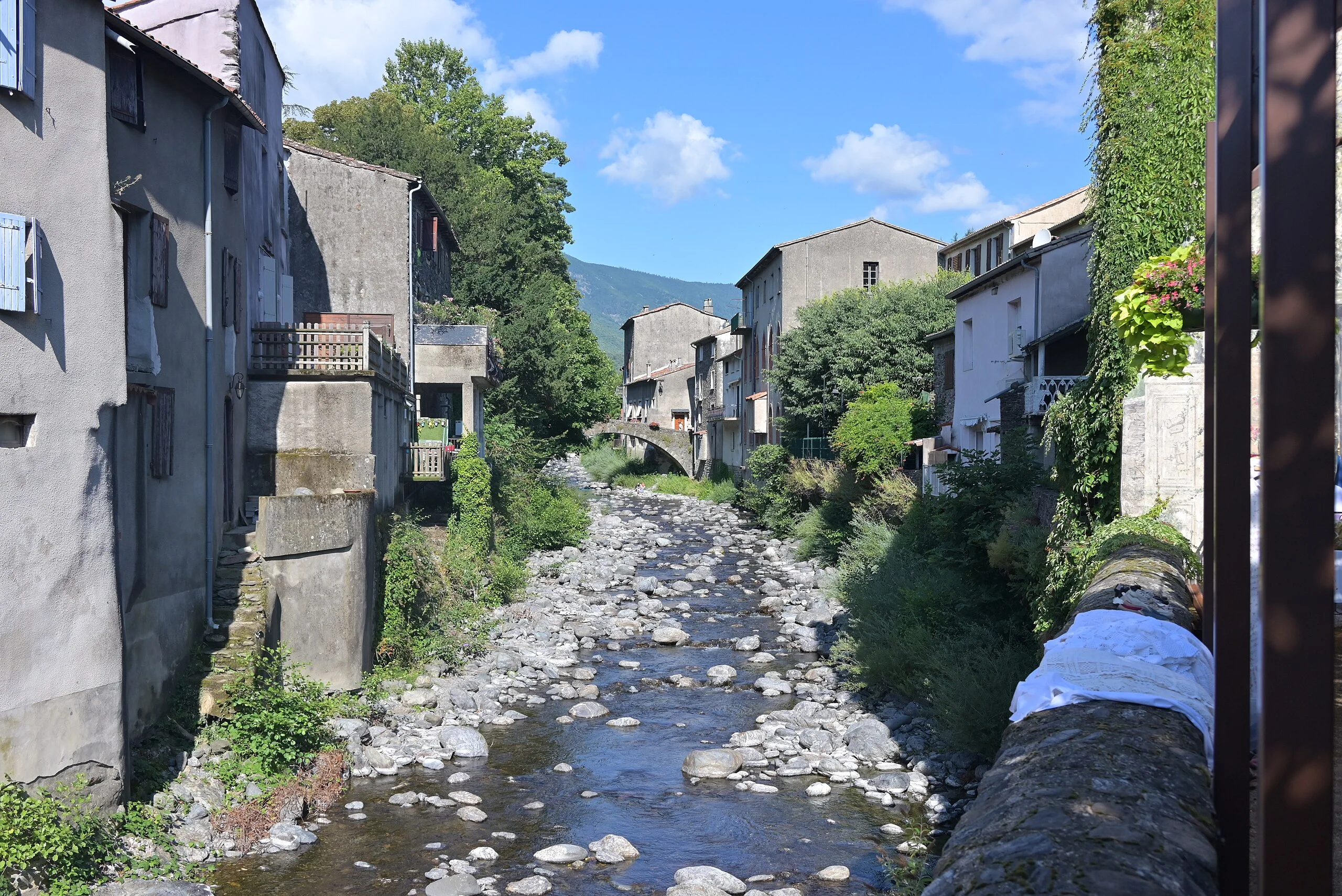
Val-d'Aigoual, where meteorologists live in the clouds
Back in November 1982, the observatory anemometers logged gusts topping 300 km/h right before giving up the ghost entirely. The official record remains an estimate. This mountain in the southern Massif Central has been fighting weather instruments since 1894, when researchers decided to set up shop at 1567 metres of elevation to keep an eye on the sky.
Even today, meteorologists live at the peak of Mont Aigoual, making it the last staffed mountain weather station left in France.
Val-d'Aigoual: a haven for hikers and sky watchers
This merged municipality brings together Valleraugue, Notre-Dame-de-la-Rouvière, and the mountain village of L'Espérou. It draws hikers, lovers of protected nature, and anyone looking to escape the summer heat. The Cévennes National Park surrounds the region, giving it a deep quiet that the coastal resort towns along the Mediterranean never match.
Do not expect vibrant nightlife or boutique shopping here. After dark, entertainment consists of stargazing in one of the largest dark-sky reserves in Europe. Having a car is mandatory because public transit is practically nonexistent and the winding roads take time to navigate. Travelers looking for the convenience of an all-inclusive resort will find the rural, spread-out nature of the commune a bit disorienting.
A budget-friendly slice of the French mountains
Expect to spend $57 to $90* a night for a gîte or a bed and breakfast, and $17 to $29* for a full meal. Admission to the Climatographe costs $11* for adults and is free for kids under 11. Hiking trails and most natural sites are completely free to access.
Climbing Mont Aigoual via the 4,000 steps
The sentier des 4000 marches starts in Valleraugue and climbs 1222 metres of vertical gain over 11 kilometres. The stone steps range from 20 to 70 centimetres high. Every first Sunday in June, a race brings out hundreds of runners for this brutal climb. The rest of the year, figure on 5 to 7 hours to reach the summit at your own pace.
At the peak, the Climatographe took over the old weather museum in 2023. This climate change interpretation center features 700 square metres of hands-on exhibits. Météo-France meteorologists lead tours and answer questions from visitors. On a clear day, the orientation table reveals a quarter of France, stretching from the Alps and the Pyrenees out to the Puy de Sancy and the Mediterranean.
Friendly tip: pack a fleece and a windbreaker even in the dead of summer. The summit registers 270 days of winds over 60 km/h each year, and temperatures can drop 15 degrees compared to the valley below.
The forests of Aigoual: an ecological rebirth
At the end of the 19th century, the mountain was completely bare, stripped by centuries of overgrazing and heavy logging. Devastating floods in 1844 and 1868 pushed engineer Georges Fabre to launch a massive reforestation campaign. The arboretum de l'Hort de Dieu preserves the remnants of those early experiments with tree species brought in from Europe and beyond.
The state forest holds an official Forêt d'Exception label. Self-guided interpretive trails help visitors understand this unique environmental history. The sentier des Botanistes makes a short loop around the summit that works well for families. Birdwatchers can spot Tengmalm's owls and black woodpeckers through the woods.
L'Espérou and the valley villages
L'Espérou sits at an elevation of 1265 metres as the last village before the summit. This quiet hamlet hosts the fête de la Transhumance every June, when sheep decorated with colorful pom-poms parade through the streets before heading up to the high pastures. The Hôtel du Parc has been welcoming travelers here since 1910.
Camprieu occupies a sunny plateau at an elevation of 1300 metres. The Lac du Bonheur, located a kilometre outside the village, offers a swimming spot fed by the springs of Aigoual. The water stays brisk even in the middle of summer. The Saturday morning market in front of the church is the place to pick up pélardon, the local goat cheese protected by an AOP designation.
Seasonal activities
During winter, the Alti Aigoual ski resort at Prat Peyrot runs 14 downhill runs, 60 km of cross-country skiing, and snowshoeing paths. Summer shifts the focus to mountain biking, with the Grande Traversée du Massif Central trail crossing the area. Spotting mouflons, introduced here in 1950, works best from a designated viewpoint along the D986 between 6:00 PM and 9:00 PM with a national park ranger present.
Where to eat and drink in Val-d'Aigoual
The Auberge Cévenole in La Pénarié occupies an old silk-worm farm right by the river. The menu highlights regional Cévenol ingredients. Back in L'Espérou, the Brasserie du Carrefour inside the Hôtel du Parc serves simple, hearty plates to passing hikers.
Local specialties center around aged pélardon, chestnuts in every imaginable form, and wild mushrooms foraged from the forest floor. Wild blueberries and raspberries flavor desserts when they are in season. For groceries, the small market in L'Espérou or the Camprieu market cover the essentials.
Where to stay in and around Val-d'Aigoual
The gîte d'étape de l'Aigoual, right at the summit, puts you in the front row for sunrise. The Grande Draille in L'Espérou combines an equestrian gîte with hearty home-cooked meals featuring local produce. Rates run around $23* a night or $51* with half-board included.
Down in Valleraugue, Le Clarou offers gîtes and B&B rooms with a pool tucked into a green setting. Vacation rental sites list restored Cévenol stone cottages, often featuring terraces looking out over the valleys. For groups, the Pont du Moulin in Camprieu sleeps up to 144 people and handles on-site catering.
How to get to and around Val-d'Aigoual
From Montpellier or Nimes, plan for about an hour and a half of driving along winding secondary roads. The D986 coming up from Le Vigan serves as the main approach. From Millau, the drive crosses the high limestone plateau before dropping down toward the southern slope. GPS devices occasionally struggle with the smaller backcountry lanes, so stick to routes via Le Vigan or Meyrueis.
No train lines run directly into the mountains. The station at Le Vigan, 16 km from Valleraugue, is closed to passengers; the nearest usable stations are Nimes and Ales. Having a car is the only realistic way to get around the region. The narrow, winding mountain roads demand focused driving, especially in winter when black ice appears.
When to go
May, June, and September offer the best conditions with pleasant temperatures, clear trails, and manageable crowds. Summer brings a welcome cool-down when the lowlands around Nimes and Montpellier bake in the heat. Watch out for intense autumn storms known as épisodes cévenols that can drop 600 mm of rain in 24 hours, similar to October 1963. Winter suits snow lovers and cross-country skiers, though bad weather can cut off access to the summit.
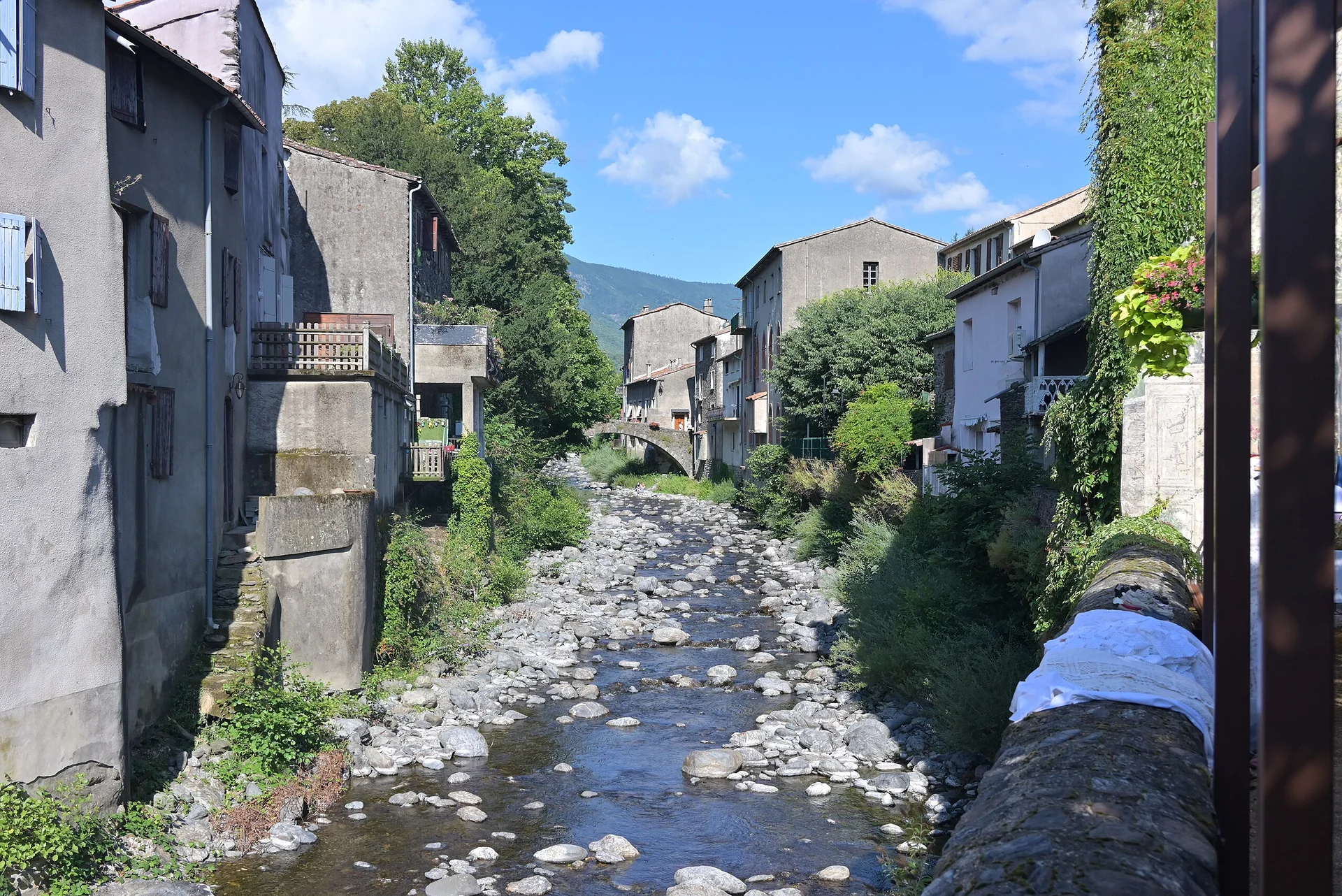
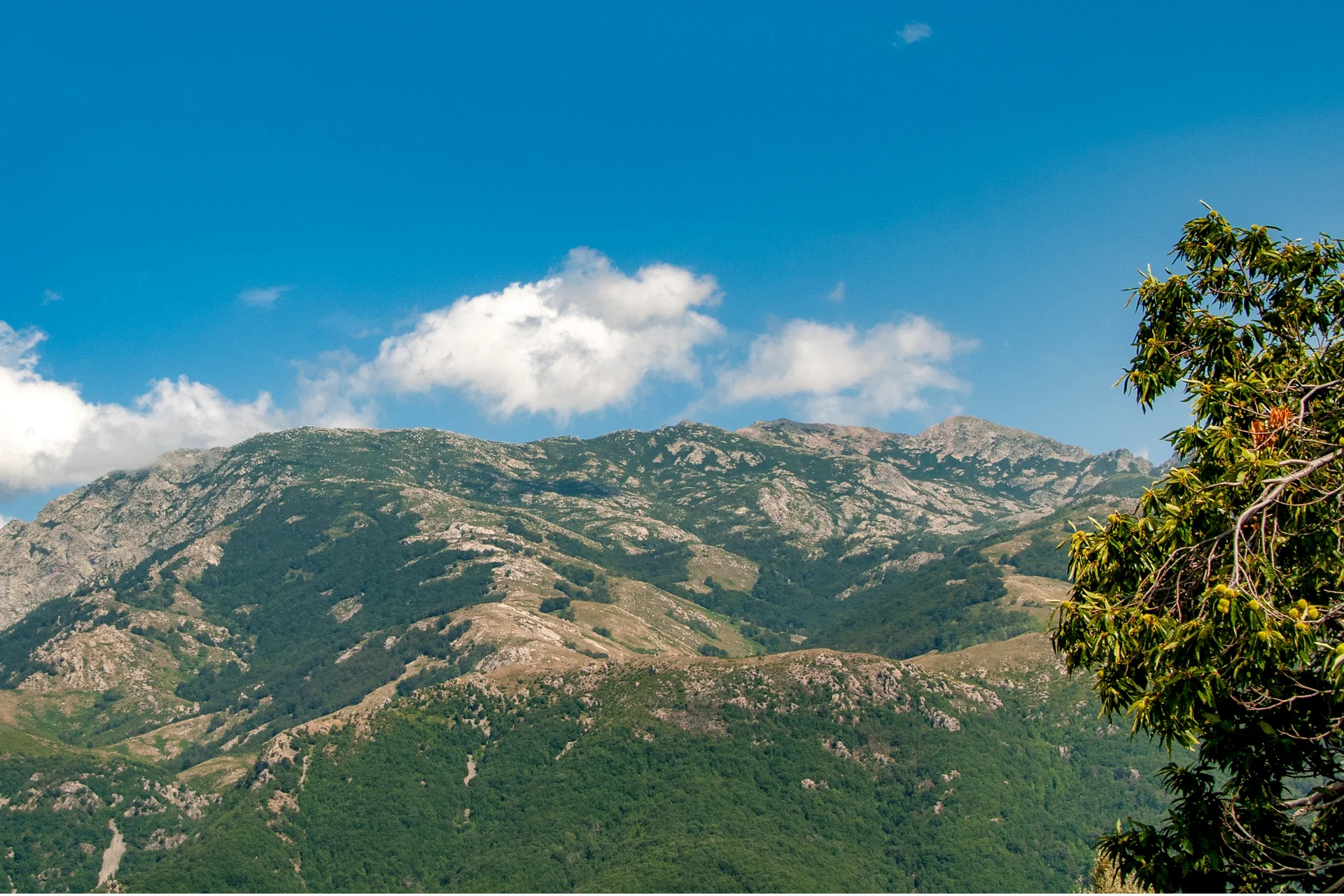
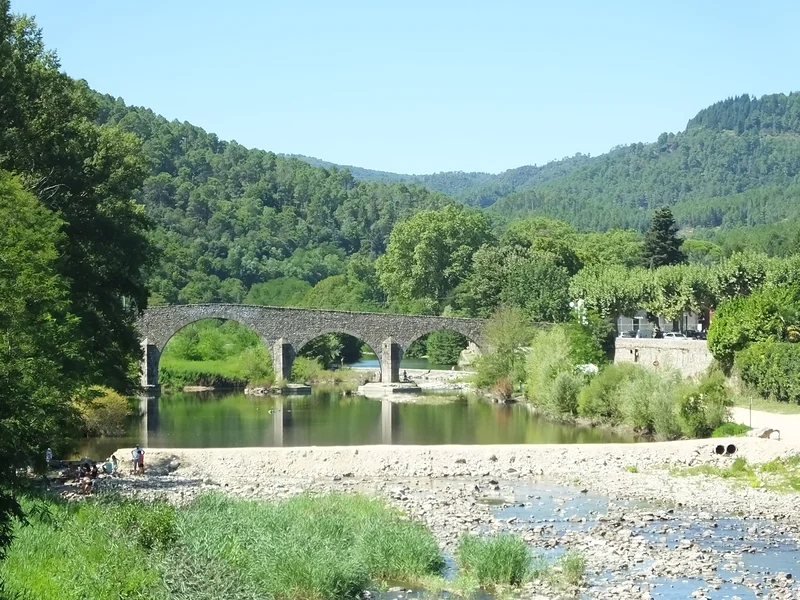
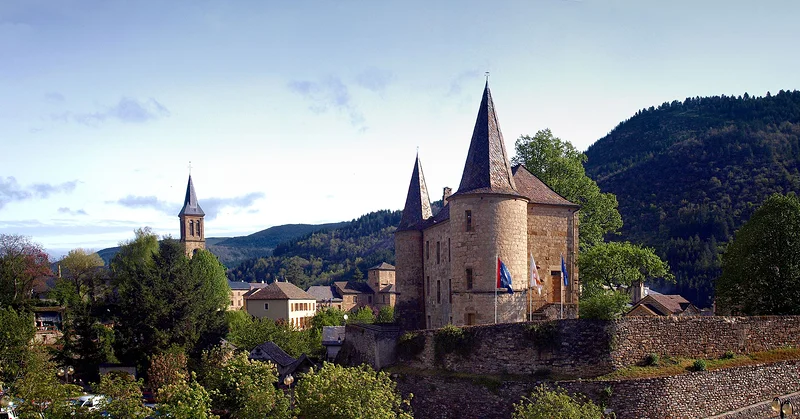
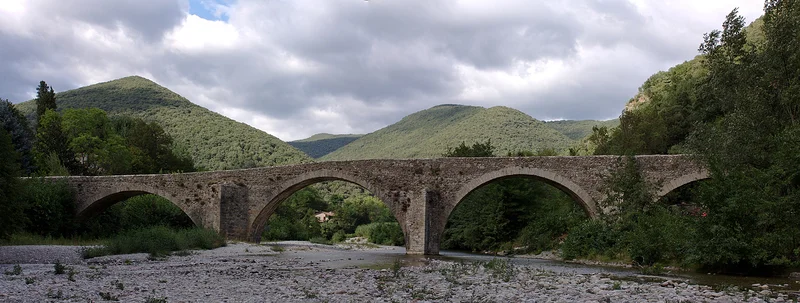
The main attractions are still the Mont Aigoual and the Cévennes National Park, but this gateway town is still pleasant (if only because you are looking for shops). I liked the presence of a stream and the picturesque look of the houses. A peaceful and very green place, perfect for strolling around a bit and recharging your batteries.