
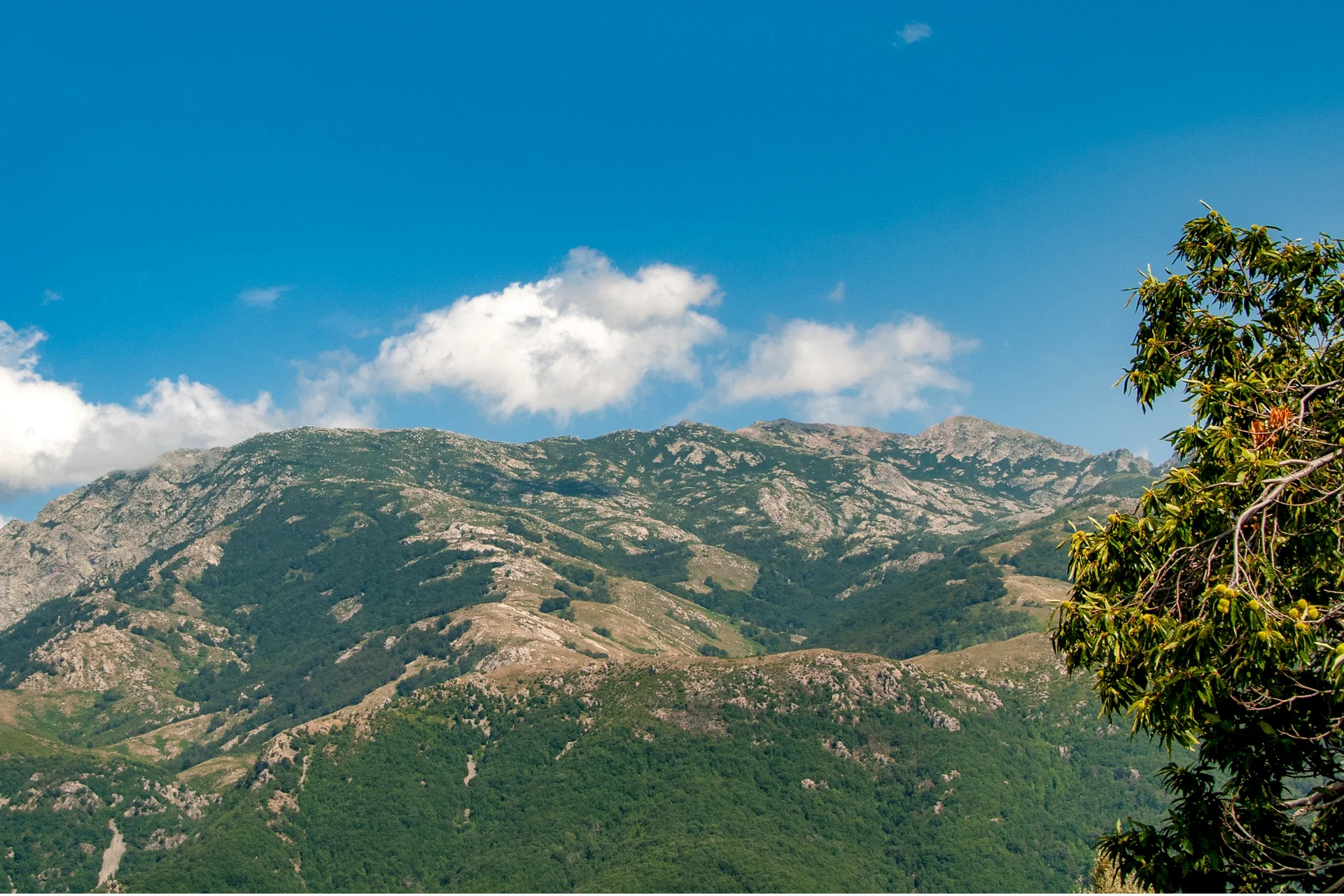
Mont Aigoual, climate sentinel of the Cévennes
At an elevation of 1,565 metres, Mont Aigoual cuts a striking figure on the border between the Gard and Lozère departments. On a clear day, its summit delivers sweeping views over a quarter of France, stretching from the Alps to the Pyrenees, and from the Puy de Sancy to the Mediterranean Sea. This Cévenol giant is much more than a scenic overlook, functioning as a living laboratory where scientists have tracked and measured climate patterns for over 125 years.
Why does Mont Aigoual hold such fascination?
Back in the 19th century, overgrazing and heavy logging left the mountain severely degraded, triggering destructive floods. Georges Fabre, a visionary forestry engineer, stepped in with an ambitious reforestation initiative centered on European tree species. This massive undertaking completely reshaped the landscape. Today, the Aigoual state forest enjoys global renown and holds the prestigious Forêt d'Exception label.
The weather observatory, built between 1887 and 1894 amid brutal conditions that made construction remarkably difficult, takes the form of a medieval fortress complete with a crenellated tower. Meteorological records have been logged here without interruption since December 1, 1894, earning the site official recognition from the Organisation météorologique mondiale (World Meteorological Organization) as a reference station for climate research.
The Climatographe, France's premier climate change center
Completely redesigned, the observatory reopened in 2023 as the Climatographe. This interactive scientific tour spans 10 spaces focused on climate systems, shifting weather patterns, and human impact. Visitors do not just observe from a distance, as staff meteorologists and scientists are on hand to guide you through the realities of weather and climate observation.
The permanent exhibition lays out the scientific data and environmental shifts while offering concrete ways to address global warming. The facility also houses a centre d'essais climatiques (climate testing center) where major companies put materials through extreme stress tests.
Friendly tip: head up for sunrise or sunset for a truly memorable view, but pack warm layers even in summer because nights get chilly and winds whip across the peak.
Hikes and four-season adventures
The legendary 4,000-step climb
This classic trail begins in Valleraugue and climbs more than 1,200 metres to the observatory. Over 11 kilometres, you navigate stone steps ranging from 20 to 70 centimetres high. Keep in mind that this grueling route is strictly for experienced hikers, and beginners should steer clear.
A playground for every skill level
The massif features more than 28 trails tailored to all types of outdoor enthusiasts. Available activities include:
- Family hikes accompanied by a pack donkey
- Mountain biking routes managed by the Espace VTT network certified by the French Cycling Federation
- A signature 20-kilometre downhill bike ride starting from the summit and running all the way to Meyrueis
- Guided nature walks focused on listening to the red deer rut, organized by the Cévennes National Park
- All-terrain scootering and trail running
Winter thrills
The Alti Aigoual ski resort sits at an altitude of 1,350 metres at the col de Prat-Peyrot, offering 14 alpine ski runs, 60 kilometres of cross-country trails, 30 kilometres of snowshoe tracks, and a dedicated sledding zone. With two ski schools and equipment rentals on site, it makes an ideal weekend getaway for families.
Stargazing beneath an exceptional sky
Since August 2018, the skies above Aigoual have formed the largest dark sky reserve in Europe, a global distinction held by the Parc national des Cévennes. Roughly 80 percent of the site lies within the Parc national des Cévennes, a designated UNESCO World Heritage site. High altitude and total isolation from light pollution make it one of the premier spots in France for amateur astronomy.
During the first weekend of August each year, the Estival de l'Aigoual celebrates science, culture, and local heritage with talks, storytelling, interactive workshops, live music, and night sky viewing parties in an extraordinary setting.
Transhumance, a living tradition
Every June, the fête de la Transhumance marks the annual journey of shepherds and their flocks up to the high pastures of Mont Aigoual. Throughout the summer months, these grazing animals inhabit the massif after trekking up from the Cévenol lowlands. This celebration keeps an ancient pastoral heritage alive, offering an authentic slice of local culture built around community spirit and time-honored practices.

This Cevennes summit is a must in the region! Come hiking, biking, or by car, but take the time to stop there, especially in good weather. Then you will benefit (as I was lucky enough to do) from an immense view over the south of the country. They say you can see the sea, but I didn't have that luck... But what a grandiose setting: a perfect destination for athletes, nature lovers, or families out for a walk.