
Mialet, land of resistance and rushing waters
Pierre Laporte was born here on January 3, 1680. The son of a wool carder, he would later become known as Rolland, one of the most feared leaders of the Camisard rebellion. His birthplace in the hamlet of Mas Soubeyran now houses the largest museum of Protestant history in France.
This village of 638 residents spread across eight hamlets preserves the memory of a century of clandestine resistance in the Cévennes valleys. Caves served as hideouts, forests as places of worship, and dry-stone paths as escape routes.
For history buffs and wild river fans
This village caters to enthusiasts of religious history and hikers searching for unspoiled nature. Those looking for the energy of a beach resort or the conveniences of a major city will be disappointed. Here, you will find no downtown shops, no fine dining restaurants, and no nightlife. The Gardon de Mialet flows between rocks, chestnut trees cover the slopes, and the silence is broken only by the sound of cicadas in summer.
A car is essential for reaching nearby sites and villages. The pace of life calls for slowness: swimming in the morning before the heat sets in, visiting in the afternoon when the caves offer natural air conditioning, and walking in the evening along the paths that skirt the river. Plan for two to three days to explore the valley without rushing.
A reasonable budget for a nature destination
Camping or gîte accommodation costs between $45 and $113* per night depending on the level of comfort. Admission to the Musée du Désert and the Grotte de Trabuc runs about $29* per adult. Outdoor activities like hiking and river swimming are free.
The Musée du Désert: understanding a century of secrecy
The term "Desert" refers to the period from 1685 to 1789, spanning from the revocation of the Edict of Nantes to the French Revolution. For a century, Cévenol Protestants practiced their faith in secret within caves, forests, and remote valleys. The museum spans twenty rooms in the hamlet of Mas Soubeyran and preserves over 3,000 artifacts, including bibles hidden in walls, portable folding pulpits, combat weapons, and clandestine baptism and marriage registries.
Rolland's house showcases the hiding spots built into thick walls and beneath floorboards. Visitors discover a reconstruction of a Cévenol evening gathering, royal posters offering bounties for the capture of fanatics, and engravings depicting Protestant galley slaves. The museum received the Maison des Illustres designation in 2012 and serves as the starting point for the In the Footsteps of the Huguenots international trail, certified as a Cultural Route of the Council of Europe.
Friendly tip: On the first Sunday of September, the Assemblée du Désert brings together 15,000 to 20,000 people for an open-air worship service in the spirit of the old clandestine gatherings. Book your lodging months in advance.
The Grotte de Trabuc: 100,000 soldiers underground
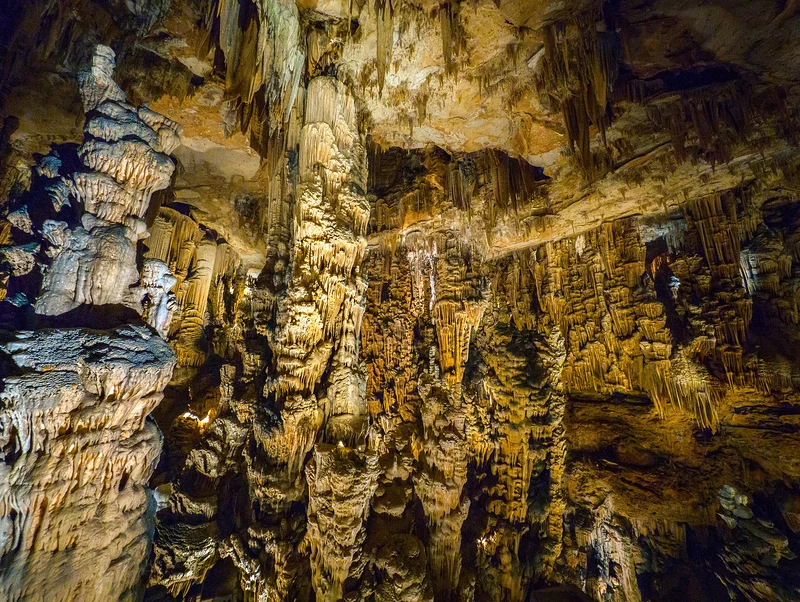
The Camisards hid here in the 18th century. Armed bandits found refuge here in the 19th century, which is where the name Trabuc comes from in the Occitan language. The subterranean network stretches for over 10 kilometers, but the tourist route takes about an hour to tour. The temperature stays constant at 14 degrees, so bring a jacket.
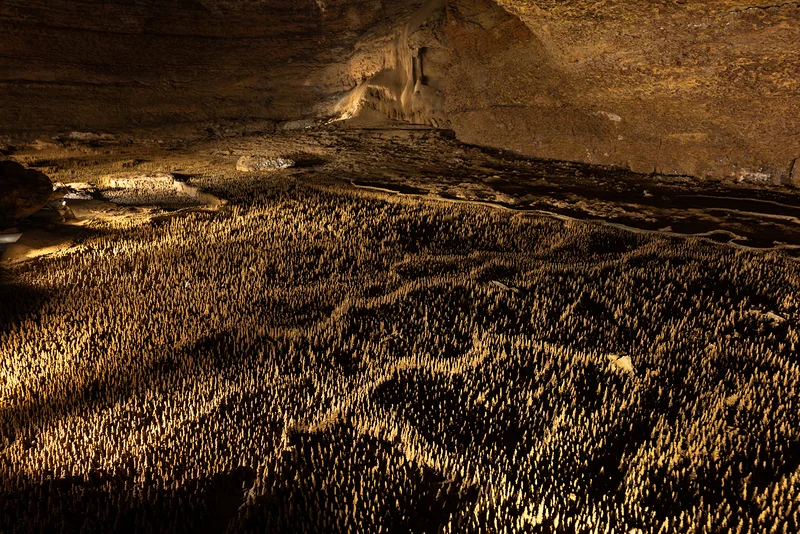
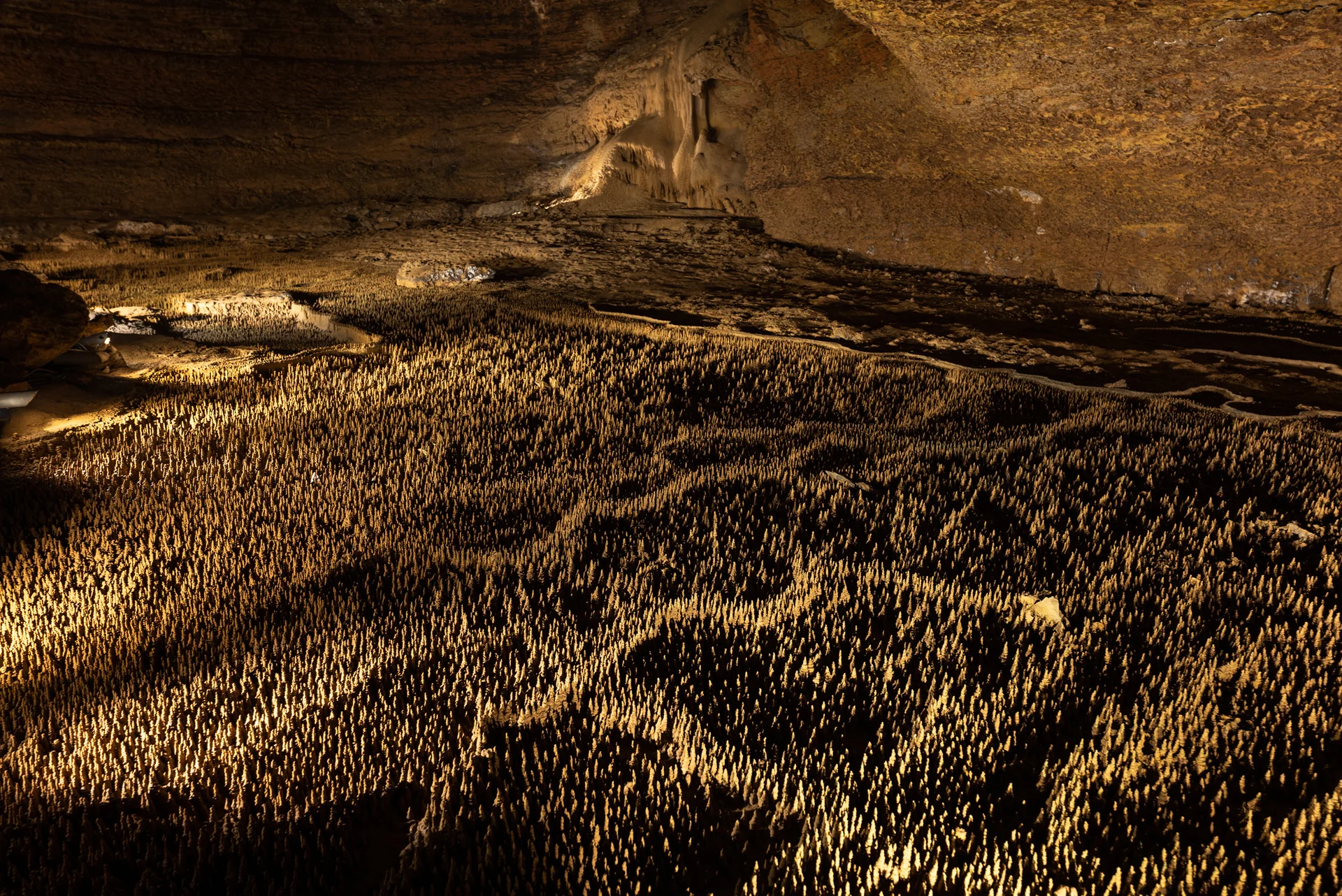
The unique feature of this cave is its Hall of 100,000 Soldiers. Thousands of miniature concretions, just a few centimeters high, cover the floor and walls. Their formation remains unexplained by geologists. Some compare them to the terracotta soldiers of Emperor Qin's mausoleum in China. The Lac de Minuit, with its turquoise reflections, provides one of the most striking sights along the route.
In summer, guided tours replace the audio guide. The La Grotte s'enflamme evening events illuminate the galleries with 1,600 candles. Carbide lamp tours, following in the footsteps of the early explorers, offer a more immersive experience for adults and teenagers.
The Gardon de Mialet: clear waters and warm rocks
This 21-kilometer river, designated a Natura 2000 site, offers some of the best swimming spots in the Cévennes. The water is exceptionally clear, turning blue-green in spring and warming up enough in summer to linger for hours. Beavers and otters live here, which is a testament to the health of the environment. Locals know the deep swimming holes, the pebble beaches for sunbathing, and the rocky ledges for jumping in.
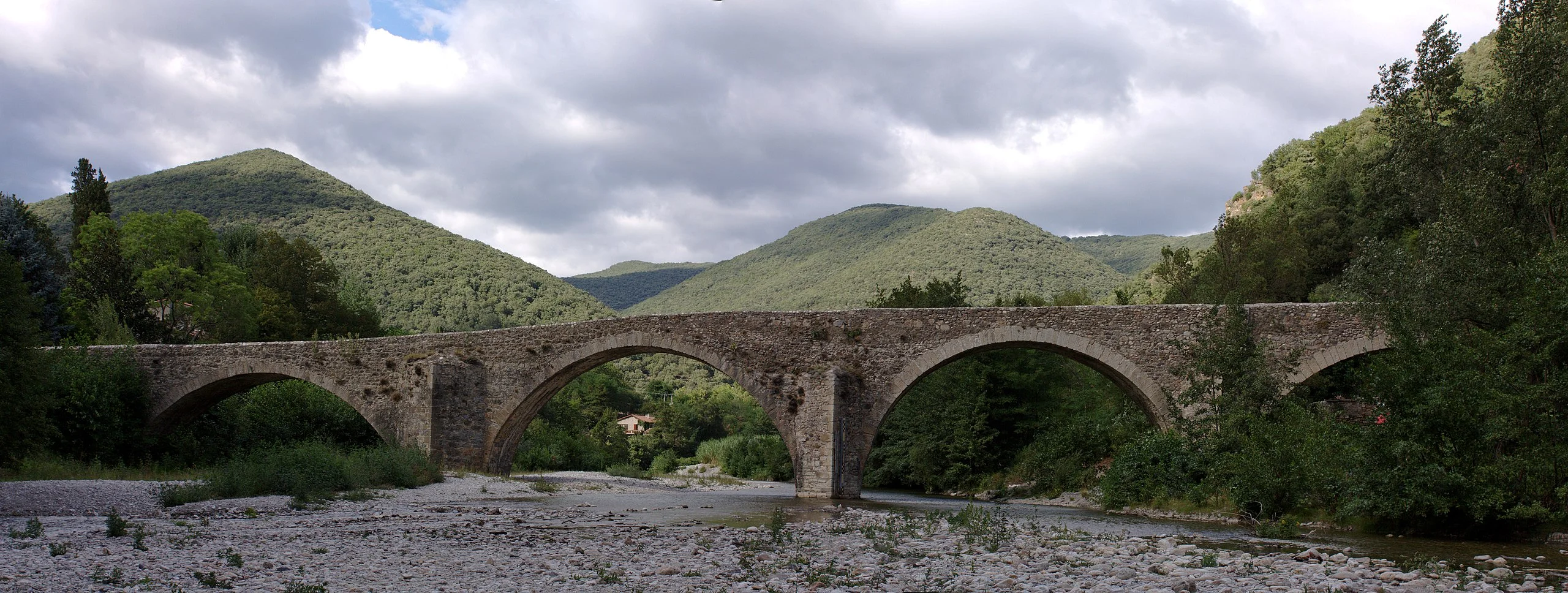
The Camisard Bridge, a registered Historic Monument, dates back to the 18th century. Built between 1714 and 1718, destroyed by a flood two years later, it was not repaired until 1782. Swimming is possible on both sides of the bridge. The newer pont des Abarines offers another access point to the river with a popular beach beneath its highest arch.
Friendly tip: Arrive early in the morning during summer to beat the high heat and enjoy the peace and quiet. The water level drops significantly in August, so prioritize June or September for the best swimming conditions.
Hikes and excursions from the valley
A two-hour loop connects Mas Soubeyran to the village of Mialet by following the banks of the Gardon. The trail crosses a bamboo forest before reaching the river. The return trip along the opposite bank offers different angles on the water.
The Stevenson Trail passes close by. Scottish writer Robert Louis Stevenson finished his 220-kilometer journey in 1878 in Saint-Jean-du-Gard, just a few kilometers from Mialet. Several local companies offer hikes accompanied by a donkey to recreate this adventure. The Cévennes Steam Train connects Anduze to Saint-Jean-du-Gard over 13 kilometers, with an optional stop at the Bambouseraie, a 34-hectare exotic garden ranked as a Remarkable Garden.
Where to eat and drink in Mialet?
Dining options remain limited within the village itself. The animal park near the pont des Abarines features a light snack area. In Saint-Jean-du-Gard, L'Arrêt Gourmand by the steam train station platform serves simple fare. Valley campgrounds often provide on-site dining.
To try local products, the Saint-Jean-du-Gard market on Tuesday mornings features pélardon goat cheese, chestnuts in all their forms, Cévennes honey, and vegetables from valley truck farmers. Guest houses frequently offer half-board options with meals prepared using regional ingredients.
Where to stay in Mialet and the surrounding area?
Campgrounds line the Gardon and provide direct access to swimming. The camping Les Plans offers campsites right on the riverbank. Mas de la Cam, a 4-star campground with a pool, also rents stone gîtes for those who prefer solid walls.
Gîtes and bed and breakfasts are scattered throughout the surrounding hamlets. Gîte Le Cambon, housed in a Cévenol farmhouse renovated with eco-friendly materials, accommodates up to 15 people on a half-board basis. Direct access to the Stevenson Trail makes it easy to head out on a hike without driving. For more choices, Anduze and Saint-Jean-du-Gard offer varied hotels and accommodations about ten minutes away by car.
How to get to and around Mialet?
By car from Nîmes, plan for 50 minutes heading toward Alès and then Anduze. From Montpellier, take the highway toward Lyon, exit at Lunel, and follow the signs for Sommières, Quissac, and Anduze. The drive takes about 1 hour and 15 minutes. Bus shuttles connect Alès to Saint-Jean-du-Gard and serve the valley, but having a car is the most practical way to explore the region.
The closest high-speed TGV train stations are in Nîmes and Montpellier. Alès station allows travelers to reach the valley by bus or taxi. The airports in Montpellier and Nîmes offer connections to major European cities. Once you arrive, traffic stays manageable even in peak season, and parking at tourist sites is free.
When to go?
The ideal window runs from May to September, with a preference for June and September, which offer moderate warmth and a full river. July and August draw crowds to the swimming spots, and temperatures regularly top 35 degrees. The Assemblée du Désert on the first Sunday of September turns the hamlet of Mas Soubeyran into a Protestant pilgrimage site.
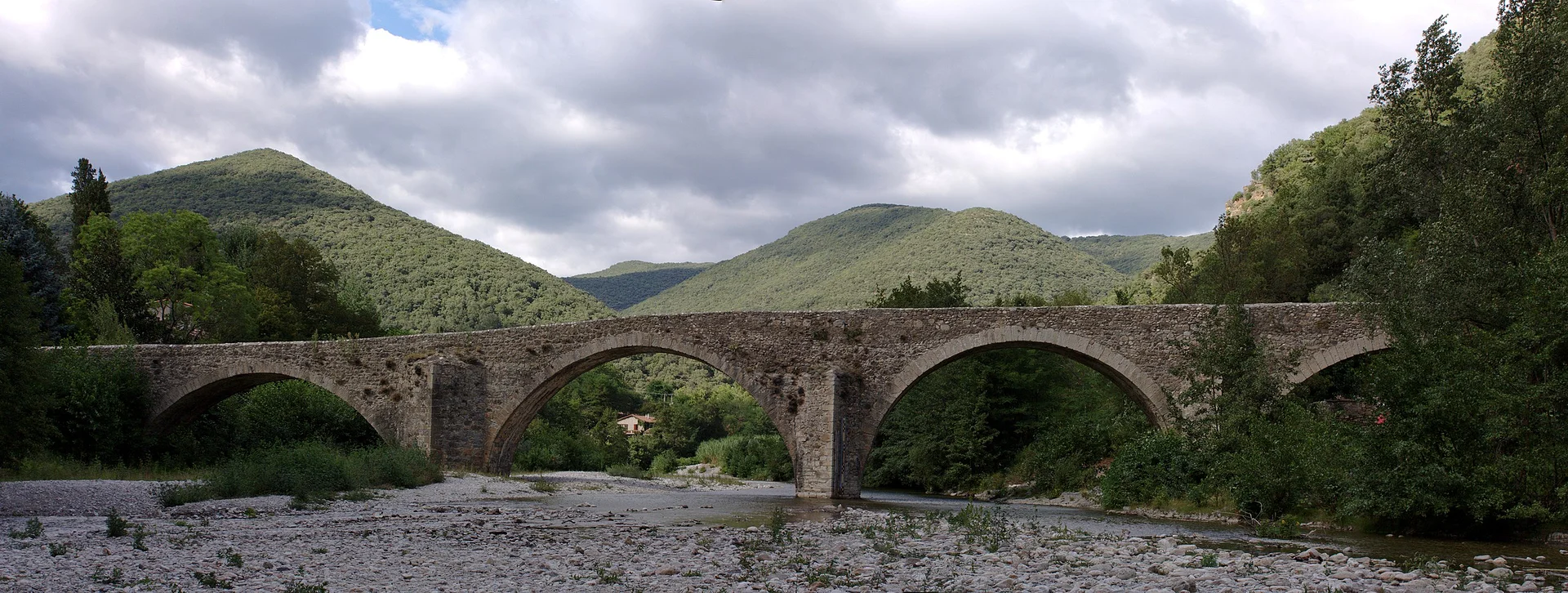
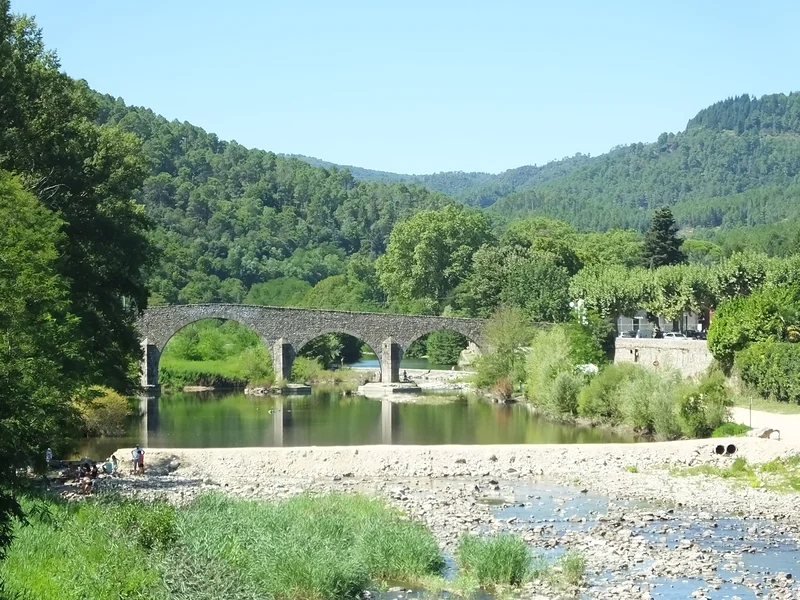
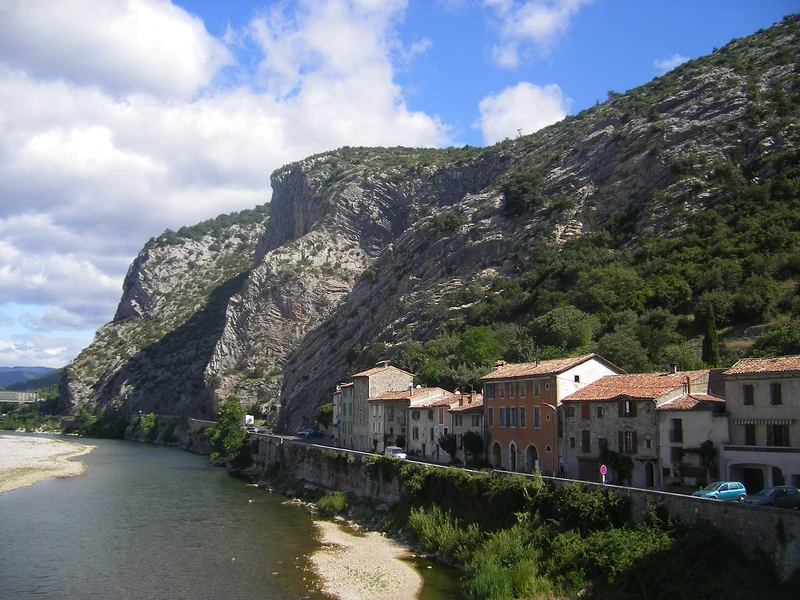
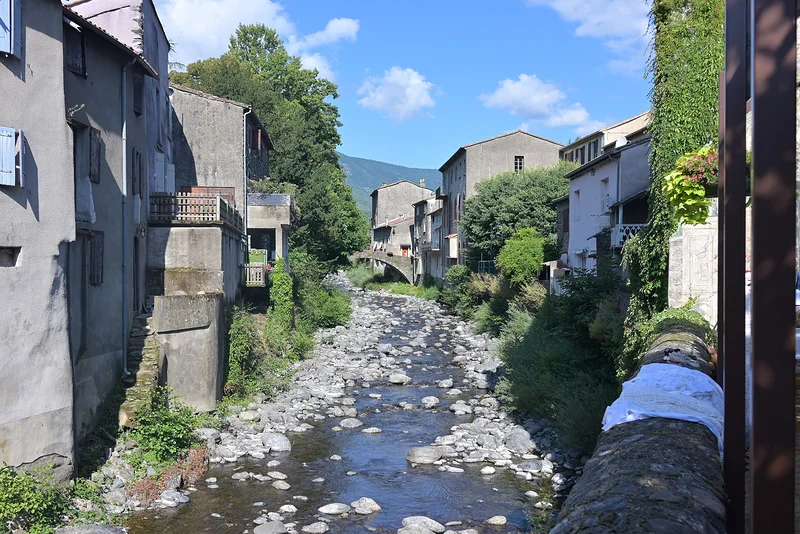
I really enjoyed visiting this little village with such a strong Cevennes character. It is surrounded by dense vegetation. But what I liked most was the bridge over the river. You can also head down nearby. The whole place has a lot of charm. Heads up: at the first sign of a storm, leave. The rains are intense in this region.