
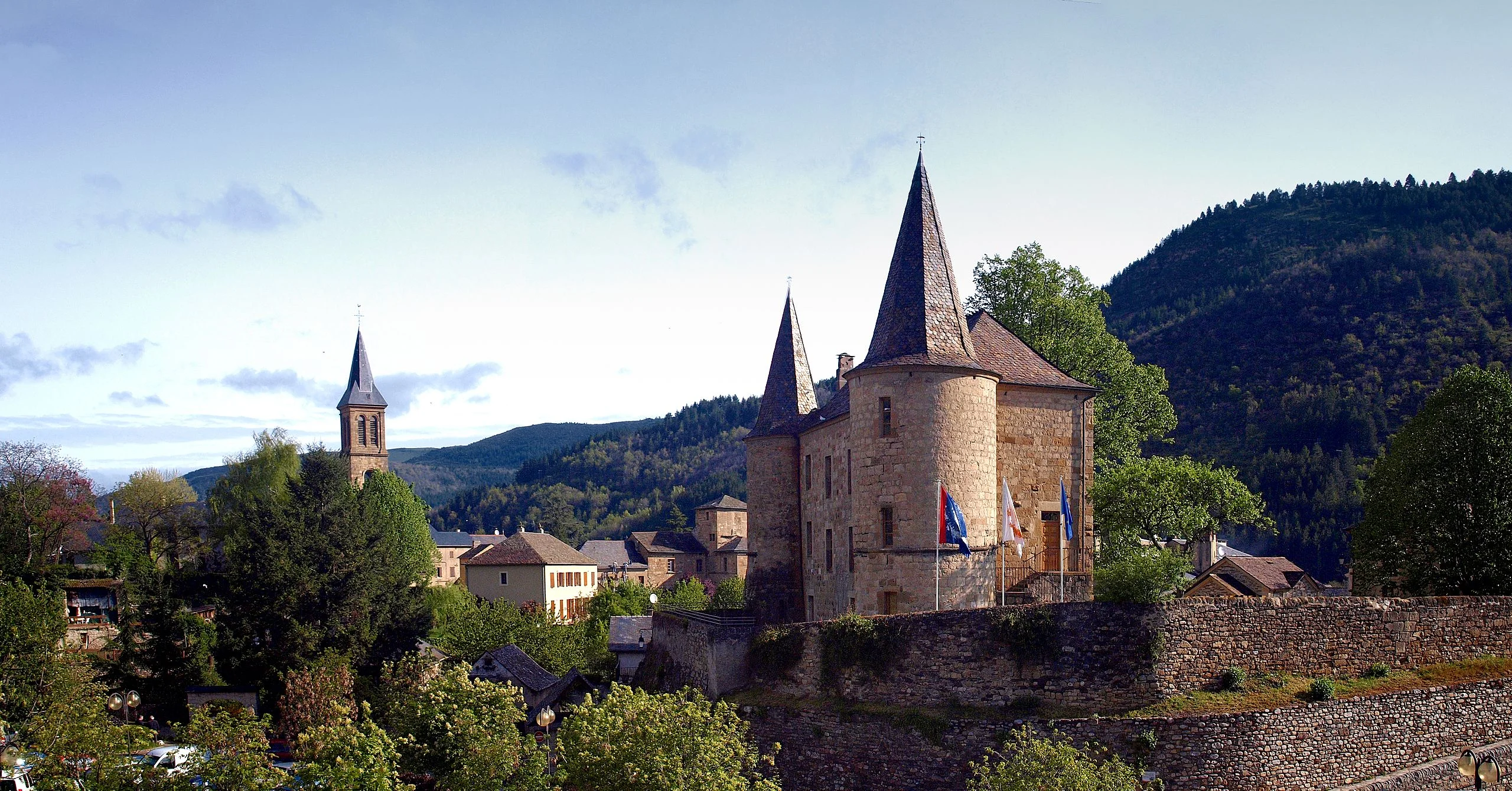
Visiting Florac, a Gateway to the Cévennes
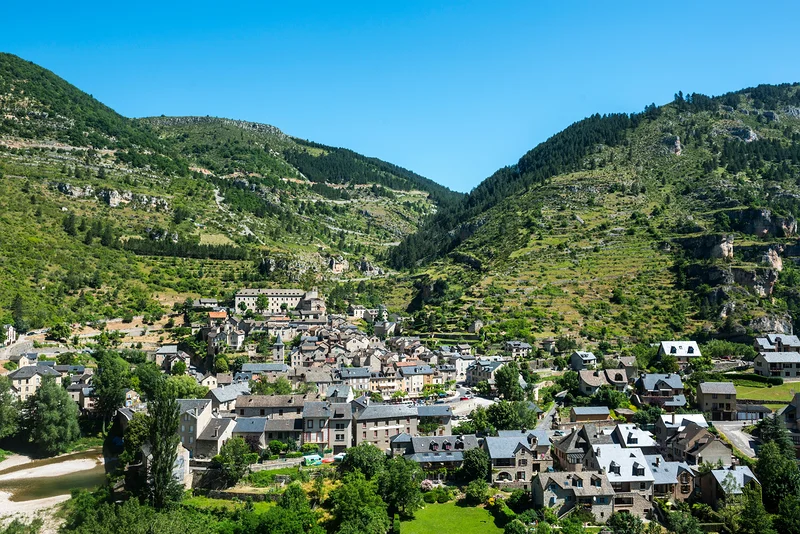
Tucked away in the reaches of Lozère, Florac sits between valley and mountain, right at the foot of the Cévennes National Park. It is a quiet, authentic town that serves as a base for travelers looking for rugged nature, low-key heritage, and genuine local character. Life here moves at the pace of a preserved territory, defined by its rural history and dramatic landscape.
A peaceful center steeped in history
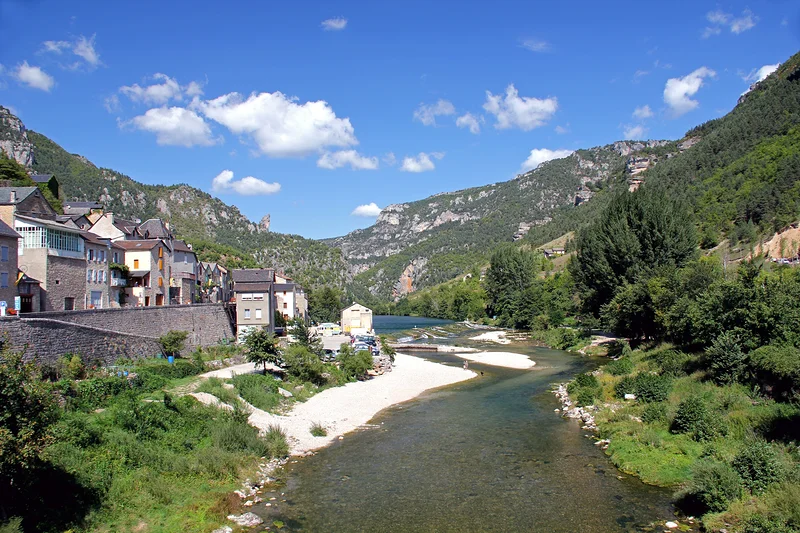
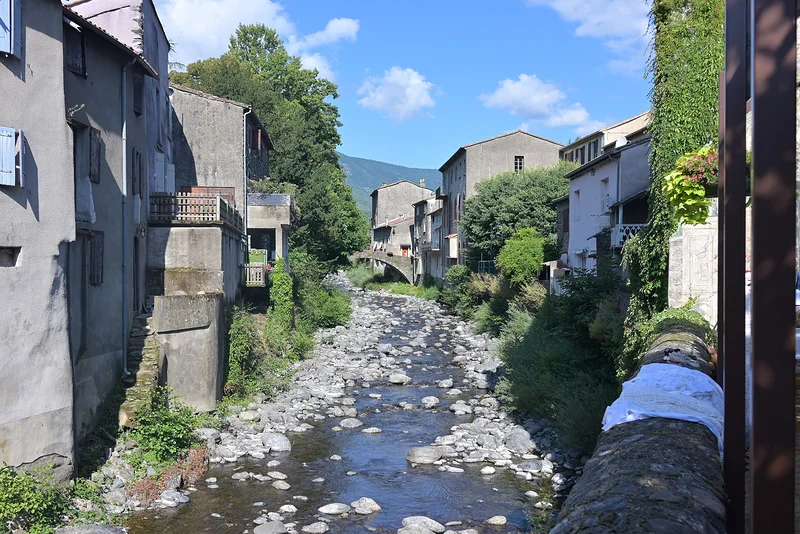
You can cover the heart of Florac easily on foot. Along the Tarnon, the river that cuts through town, you will find shaded public squares, classic stone houses, and several historic fountains.
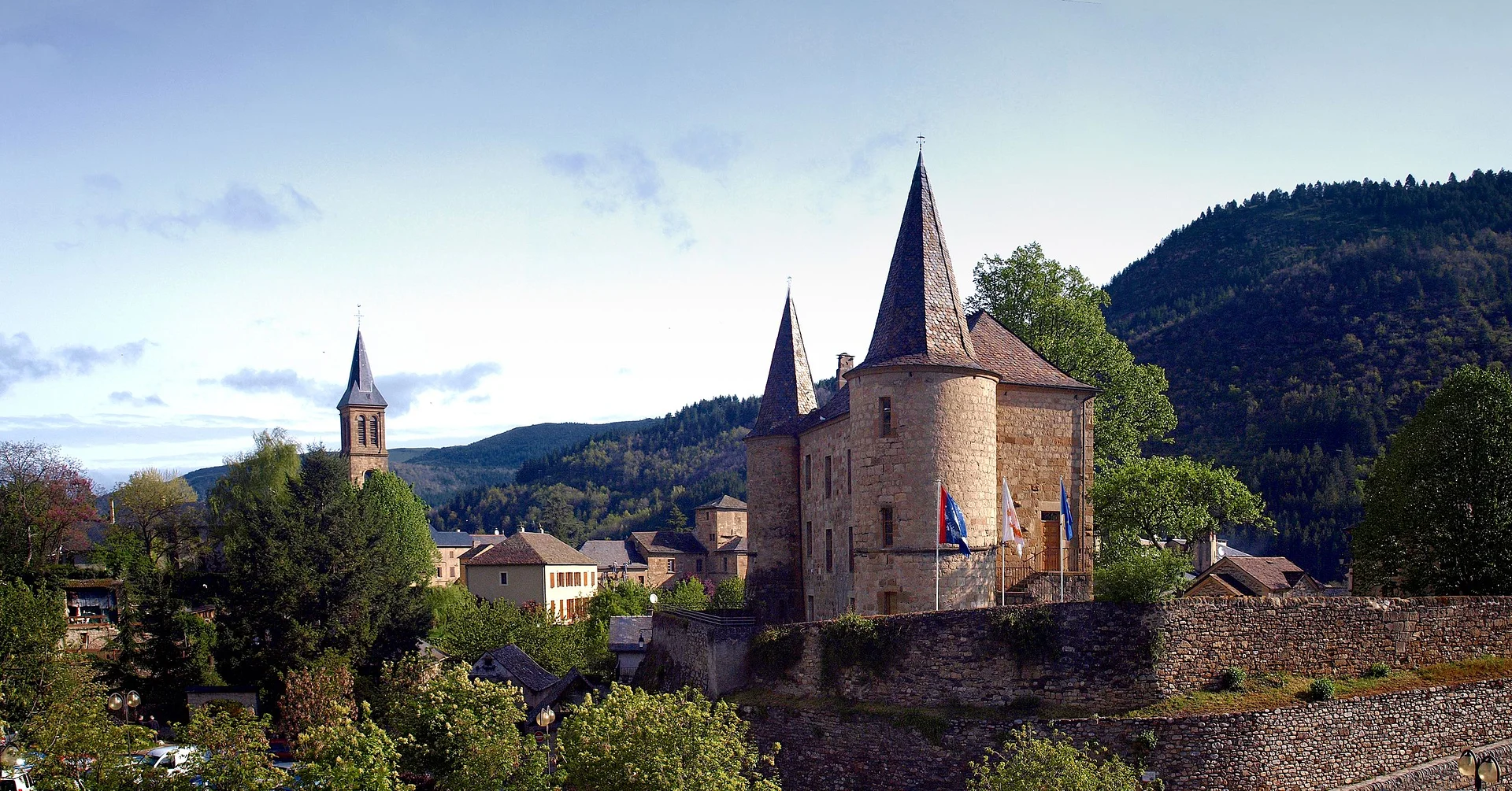
The château de Florac, recently restored, now houses the headquarters for the Cévennes National Park. It is a logical starting point to get a handle on the ecological and cultural stakes of this UNESCO Biosphere Reserve. Nearby, the église Saint-Martin and the old covered market halls serve as reminders of Florac's past importance as a trading town in the Gévaudan region.
On the edge of the great outdoors
Florac is a prime anchor for exploring the Cévennes. You are at the confluence of several distinct areas, including the causse Méjean to the north, the gorges du Tarn to the west, and the initial slopes of mont Lozère to the east.
Whether you are a serious hiker or just out for a stroll, you will find a trail that fits. The chemin de Stevenson, the famous route taken by the Scottish writer in 1878, passes right through town and offers excellent segments through varied landscapes and perched villages.
Florac: Nature and cool air
In the summer, Florac is a refuge because of its relative coolness. The surrounding rivers and waterfalls are favorite spots for a quick dip or a picnic in the shade. The source du Pêcher, just a few steps from the center, is popular with locals and visitors alike. Its natural basin, where water flows year-round, is surrounded by a pleasant small park.
A bit further out, the gorges du Tapoul offer guided canyoning for those looking for an adrenaline rush.
A grounded, warm atmosphere
Florac is not a city of major festivals, but it stays active. During the summer, marchés nocturnes (night markets) and small concerts on the main square bring a social vibe. The local community is active, with cultural programming often focused on the environment, traditional crafts, or farming heritage.
The charm of Florac lies in its simplicity. It is a human-scale town that is well integrated into its surroundings. It does not overplay its tourist appeal, yet it remains genuinely welcoming.
Cévenol terroir cuisine
When you sit down to eat, Florac reflects its rural surroundings. You will find simple, robust products like charcuterie artisanale (house-made cured meats), fromages de brebis ou de chèvre (sheep or goat cheeses), and the legumes typical of the Causses. Pélardons (small goat cheeses) often accompany salads and daily specials. For dessert, pommes Reinette du Vigan (local apples) or châtaignes (chestnuts) served as cream or jam highlight the local forest resources.
A glass of wine from the Côtes de Millau or a craft beer from Lozère pairs well with these specialties.
Where to eat?
- Le Nouveau Monde (city center): Inventive local cuisine in a clean, welcoming setting.
- Les Tables de la Fontaine (Pêcher district): Regional dishes served on a terrace, steps from the spring.
- La Lozerette (near the mont Lozère road): Refined regional cooking, known for its extensive wine list.
When to go?
Spring and early autumn are the most pleasant times to visit Florac. Temperatures are mild, trails are clear, and the landscape is lush. Summer is also popular for outdoor activities, though the town gets busier.
How to get there?
Florac is less than an hour by car from Mende, and about 90 minutes from Alès. The closest train stations are in Alès and Marvejols. From Paris, expect a travel time of about 6 hours combining train and car. If you are flying in, the nearest airports are Montpellier and Nîmes, roughly two hours away by car. A rental car is recommended for exploring the surrounding area.
How to get around?
The town center is compact and walkable. To reach the trailheads and natural sites, a personal or rental vehicle is nearly essential.
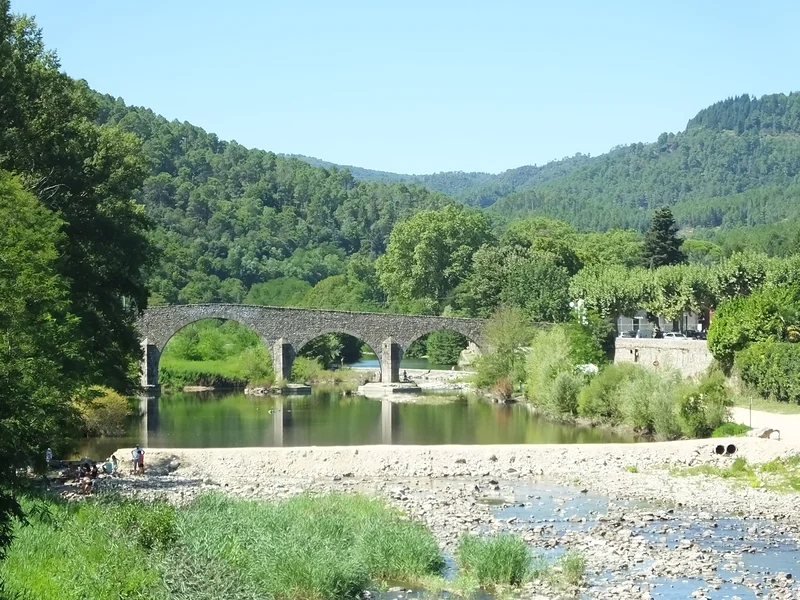
I really liked Florac. Objectively, it is a pretty deserted and dimly lit town located in the Cévennes. But there is a special atmosphere there, probably because of its bohemian population. I remember a well-deserved break in Florac where we ate a delicious trout on a terrace before going for a swim. It is a good base for camping with the family and discovering the region.