
Visiting Munich: Where Bavarian Tradition Meets Modern Energy
The scent of a warm pretzel drifts from a nearby tavern, church bells chime in the distance, and on the same block, students on bicycles weave past professionals in sharp suits. Welcome to a city where the most traditional side of Bavaria sits comfortably alongside a creative, contemporary pulse. Munich trades on these contrasts, blending deep historical roots with forward-thinking urban life.
Is Munich right for you?
This city is built for architecture buffs, art lovers, and those who value a social atmosphere. It is a playground for travelers who enjoy wandering through colorful markets, jumping between major museums and sprawling parks, and rounding out the day with a cold beer in a shaded garden. It is also a solid choice for families, thanks to its extensive green spaces and reliable public infrastructure.
On the flip side, if you are looking for rugged wilderness or a total departure from metropolitan life, you might find it underwhelming. Munich is a major European capital with the expected rush-hour crowds and a price tag to match. Expect to pay around €120-€200 per night ($130-$215) for a central mid-range hotel room.
The historic core: Marienplatz and beyond
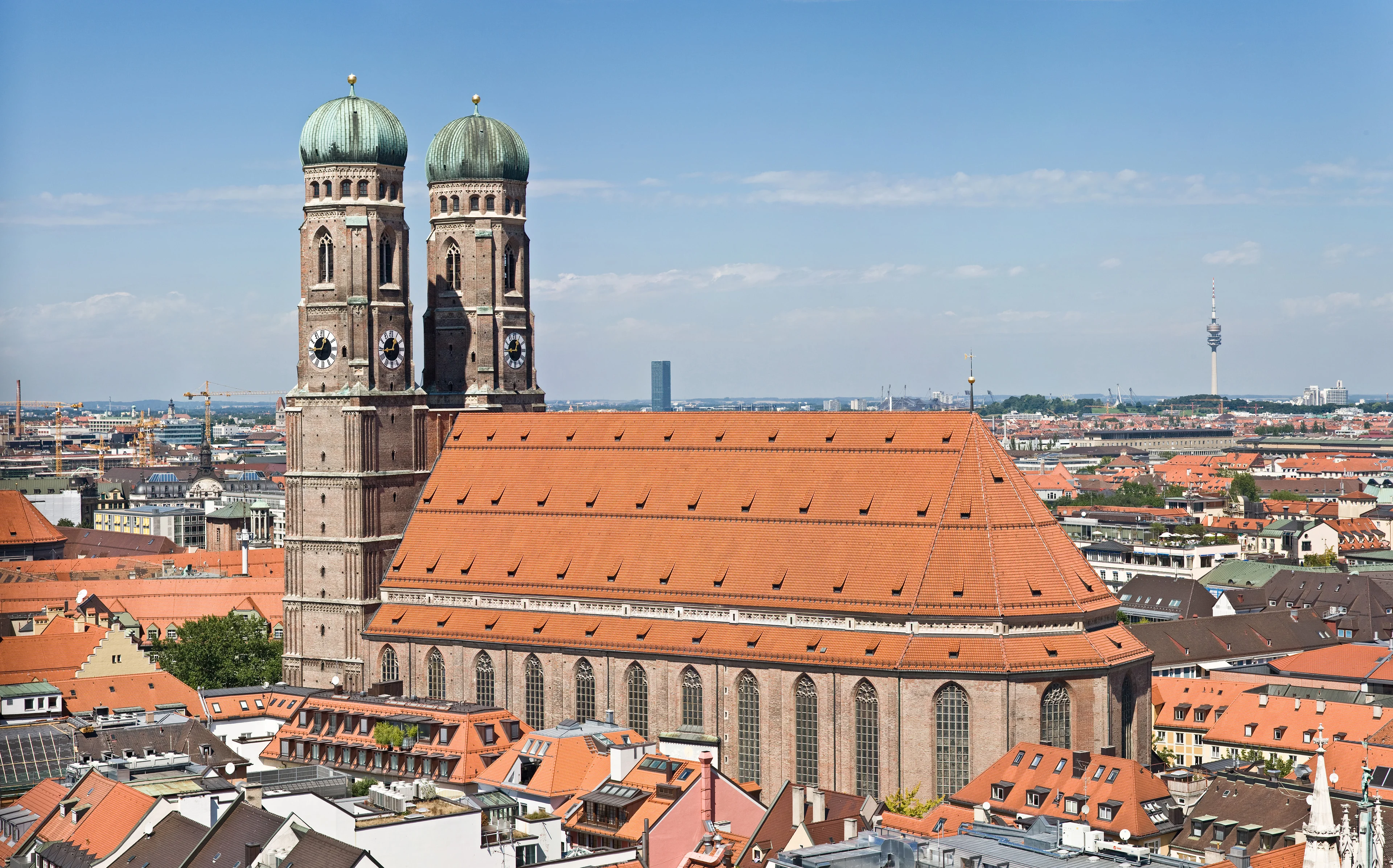
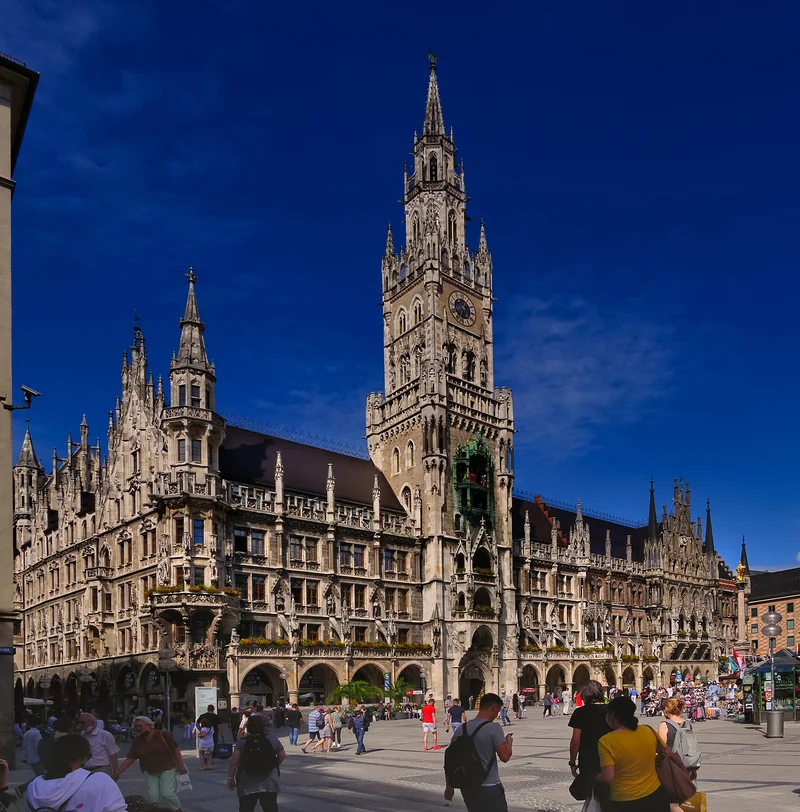
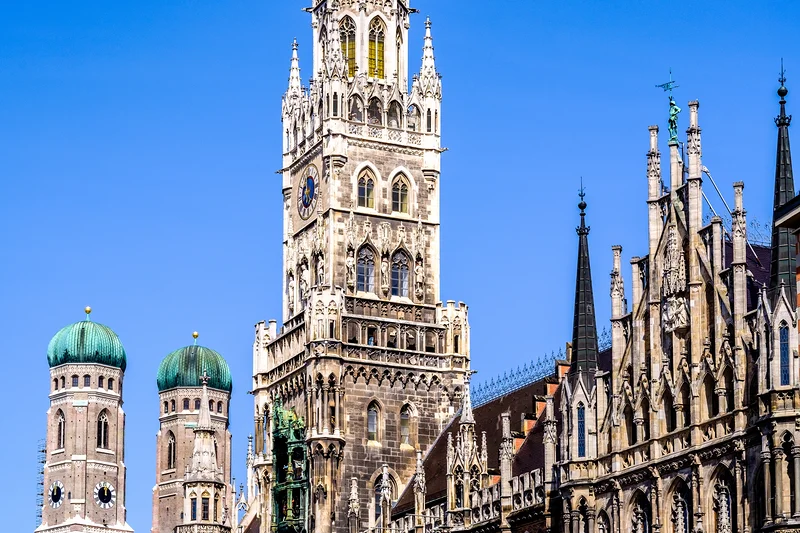
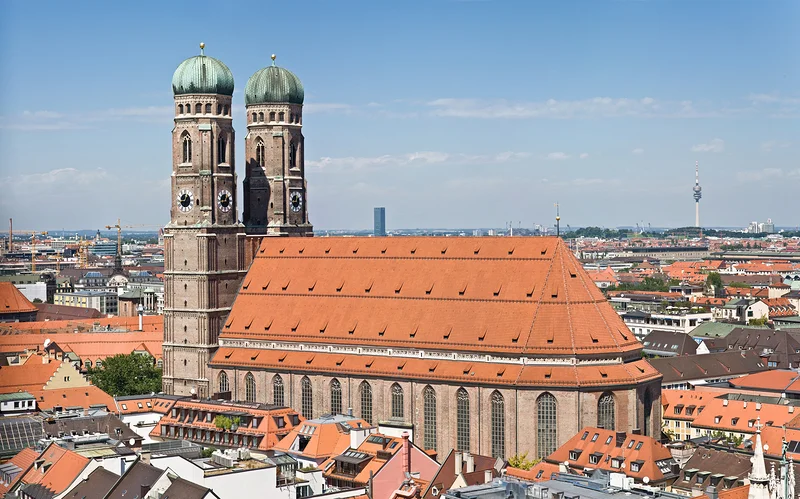
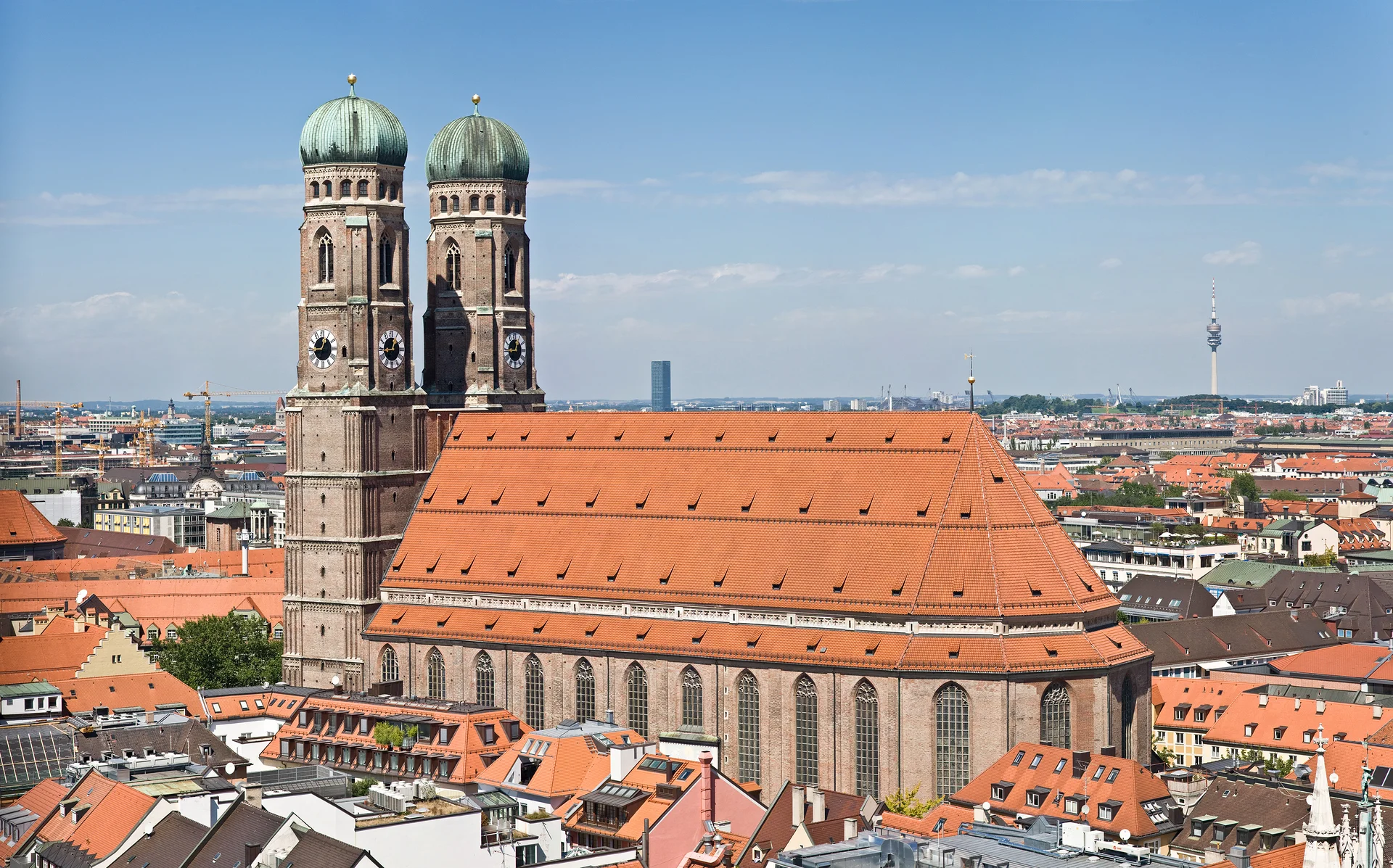
The Marienplatz is the natural starting point. This is where you will find the famous clock tower of the New Town Hall, bustling sidewalk cafes, and a diverse crowd that captures the city's personality. Just a short walk away, the massive Frauenkirche dominates the skyline with its two distinct copper-domed towers. Every street radiating from the center holds a find, whether it is a small independent bookstore, a classic coffee house, or a shop selling traditional Bavarian attire.
Pro tip: Arrive early in the morning to enjoy a bit of quiet on the Marienplatz before the tour groups descend and to catch the clock show with a bit more elbow room.
The Viktualienmarkt and local food culture
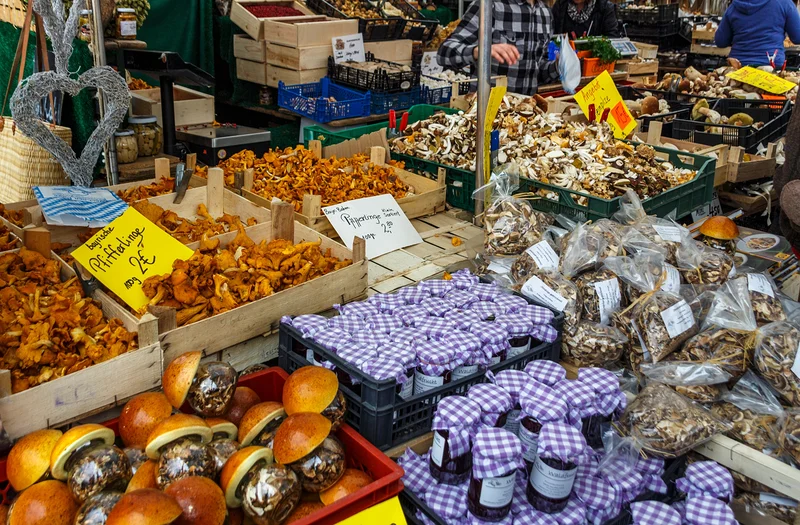
Just steps from the main square, the Viktualienmarkt is a sensory overload of colors and scents. Between stalls selling local cheeses, cured meats, and fresh-cut flowers, you get an authentic look at the local lifestyle. It is also the spot where a midday beer is standard practice, enjoyed on a wooden bench while sharing a plate of charcuterie.
Pro tip: Pick up a hunk of cheese and a pretzel at the market, then head to the self-service section of the beer garden to picnic like a local.
Museums and cultural elegance
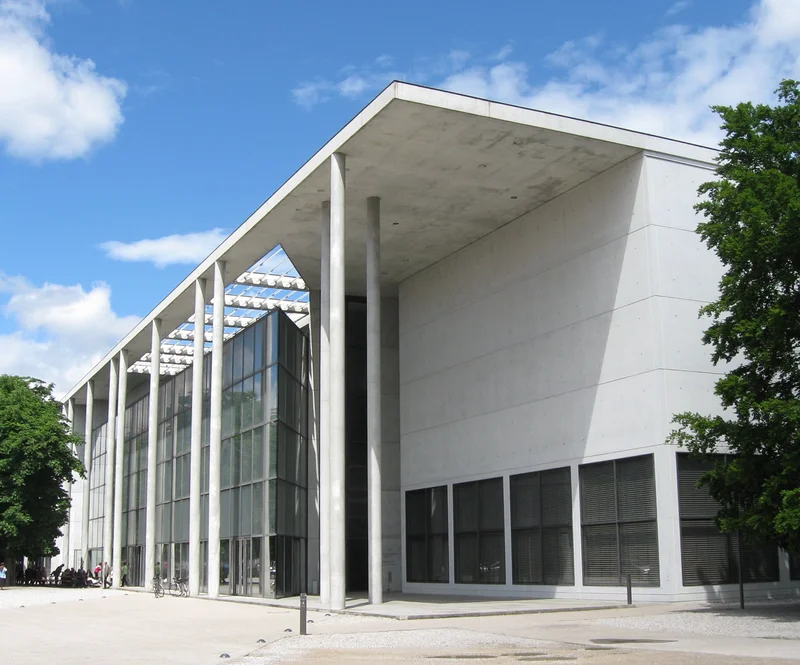
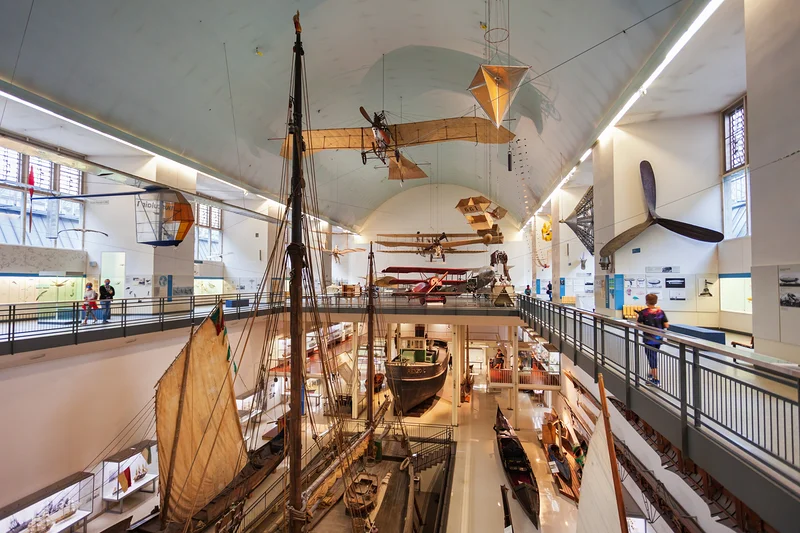
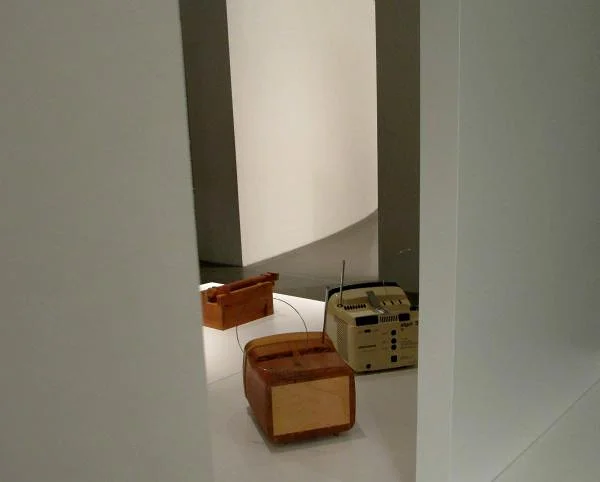
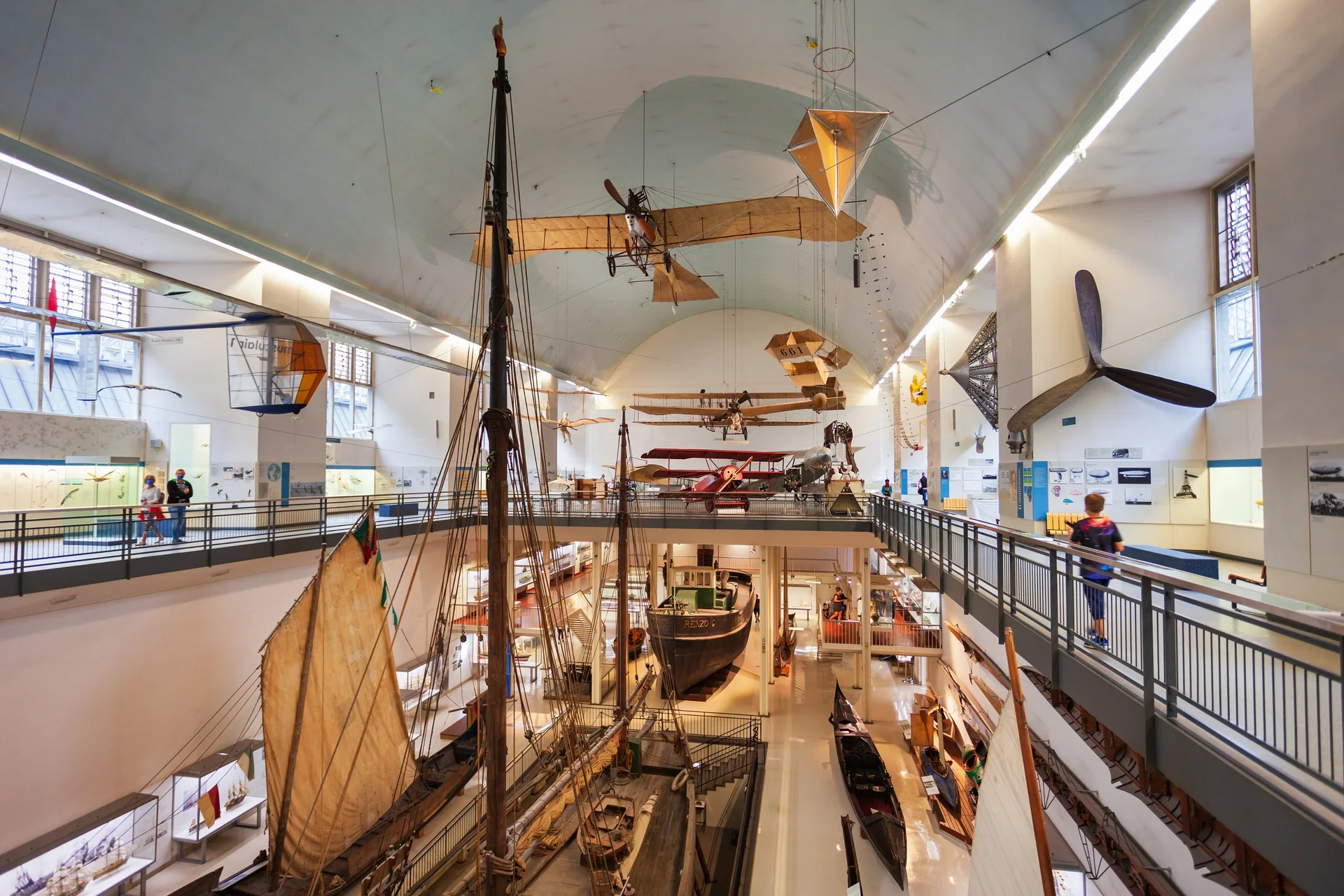
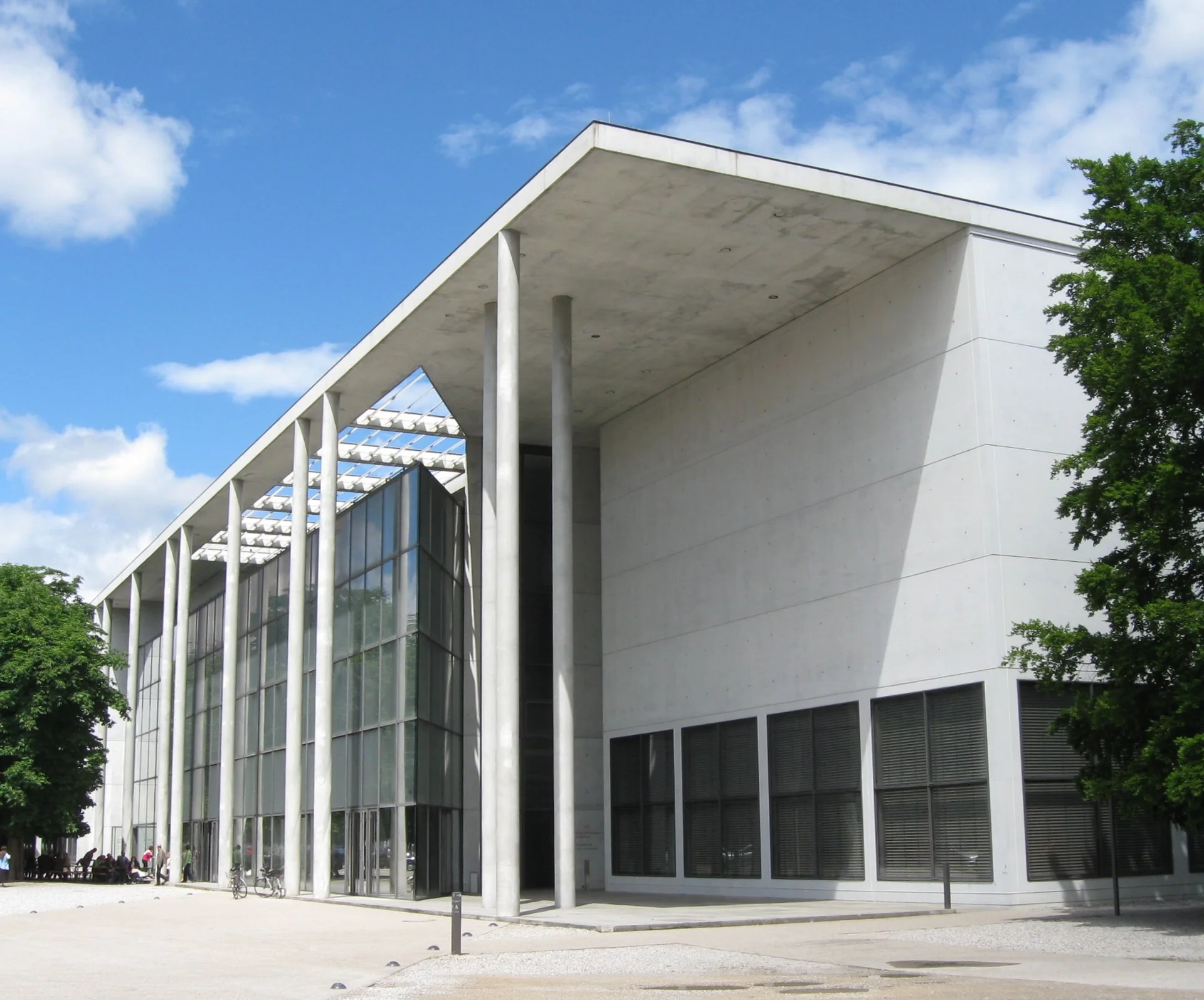
Munich is a museum city. The Maxvorstadt district houses the three Pinakotheken, where you can walk through centuries of art, ranging from classic works to modern design. The Residenz Museum, the former palace of the Bavarian dukes, is staggering in scale, especially its treasury filled with royal jewels. More unexpectedly, the Deutsches Museum is a hit with both curious adults and kids, thanks to its deep dives into science and engineering.
Pro tip: The Deutsches Museum is massive. Pick a few specific sections to focus on beforehand, or you will spend the entire day there without seeing half of it.
Green spaces and downtime
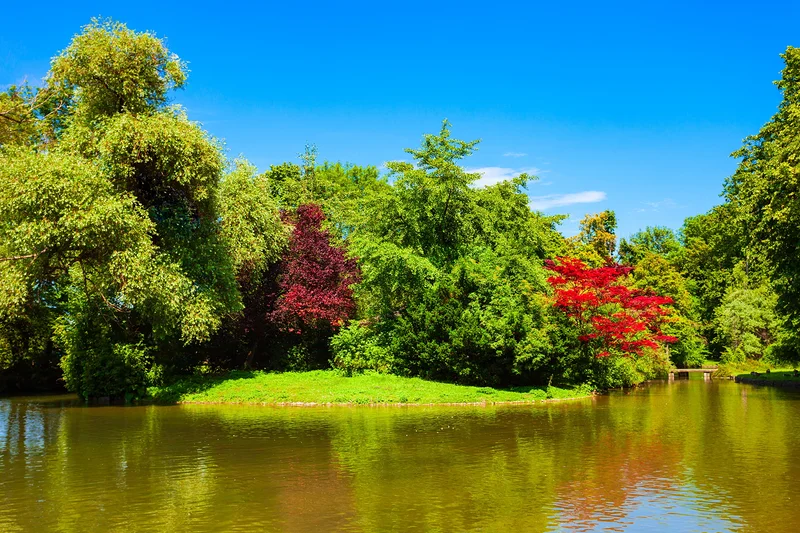
The Englischer Garten serves as the city's primary green lung. It is where you will find joggers, casual walkers, students having an impromptu picnic, and even surfers tackling a permanent standing wave on the Eisbach. Further north, the Olympic Park preserves the vibe of the 1972 Games with its futuristic architecture and large lake. It remains a major venue for concerts and events.
Pro tip: Hike up the hill in the Olympic Park at the end of the day. The view of the city with the Alps in the distance at sunset is hard to beat.
Where to eat and drink in Munich?
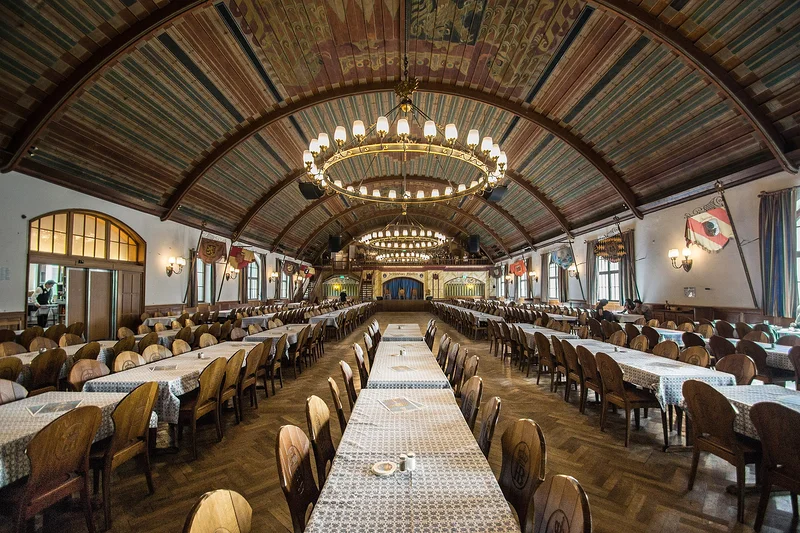
Local food is hearty and social. Try a Weisswurst (white sausage) served with sweet mustard and a fresh-from-the-oven pretzel. Sample a Schweinshaxe (roasted pork knuckle) at a traditional tavern. For dessert, treat yourself to a slice of Apfelstrudel, served warm with cream. The beer gardens are an essential experience, particularly in the summer under the shade of the chestnut trees. Expect to pay about €15-€25 ($16-$27) for a solid meal with a drink.
Where to stay in Munich?
The historic center is ideal if you want to stay in the middle of the action with easy access to the main sights. The Schwabing neighborhood has a more bohemian edge, drawing people in with its trendy cafes and artistic history. If you prefer a quieter pace, look for a hotel near the Englischer Garten or in one of the outlying residential areas that are well-connected by the subway system.
Getting there and getting around
The city has an international airport that is well-connected to the rest of the world. You can reach the city center in about 40 minutes via the S-Bahn train. Once you are in town, the subway and tram network is dense and reliable. For shorter trips, biking is the go-to method for most residents.
When to visit?
Spring and early fall offer mild temperatures and a comfortable pace for walking. Summer is lively with festivals and packed outdoor patios, while winter has a special appeal thanks to the Christmas markets. Just be aware that crowds swell and prices climb significantly during Oktoberfest.
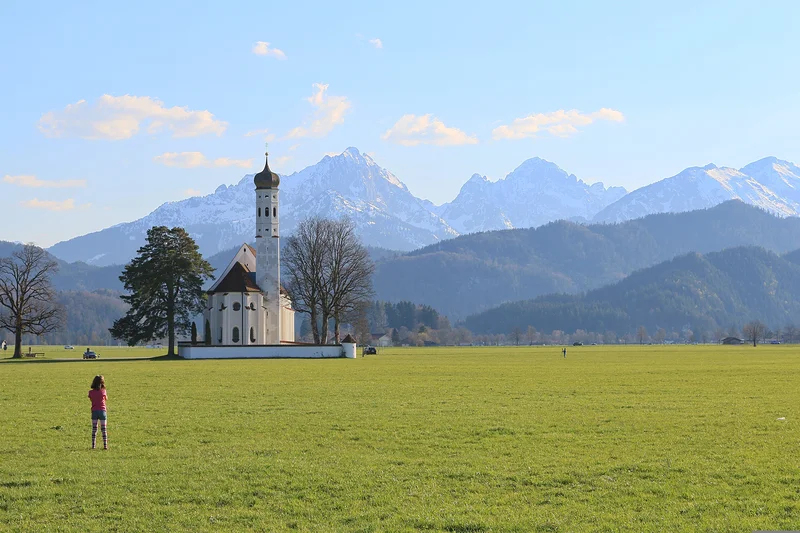

Munich combines historic charm and modernity. Famous for Oktoberfest, it also offers many activities and tourist sites to visit. Well-connected by public transport and with plenty of green spaces, the city is easy to explore on foot. I recommend trying out the beer gardens when the weather is nice.