
Visiting Schwangau: The Bavarian Alps fairy tale
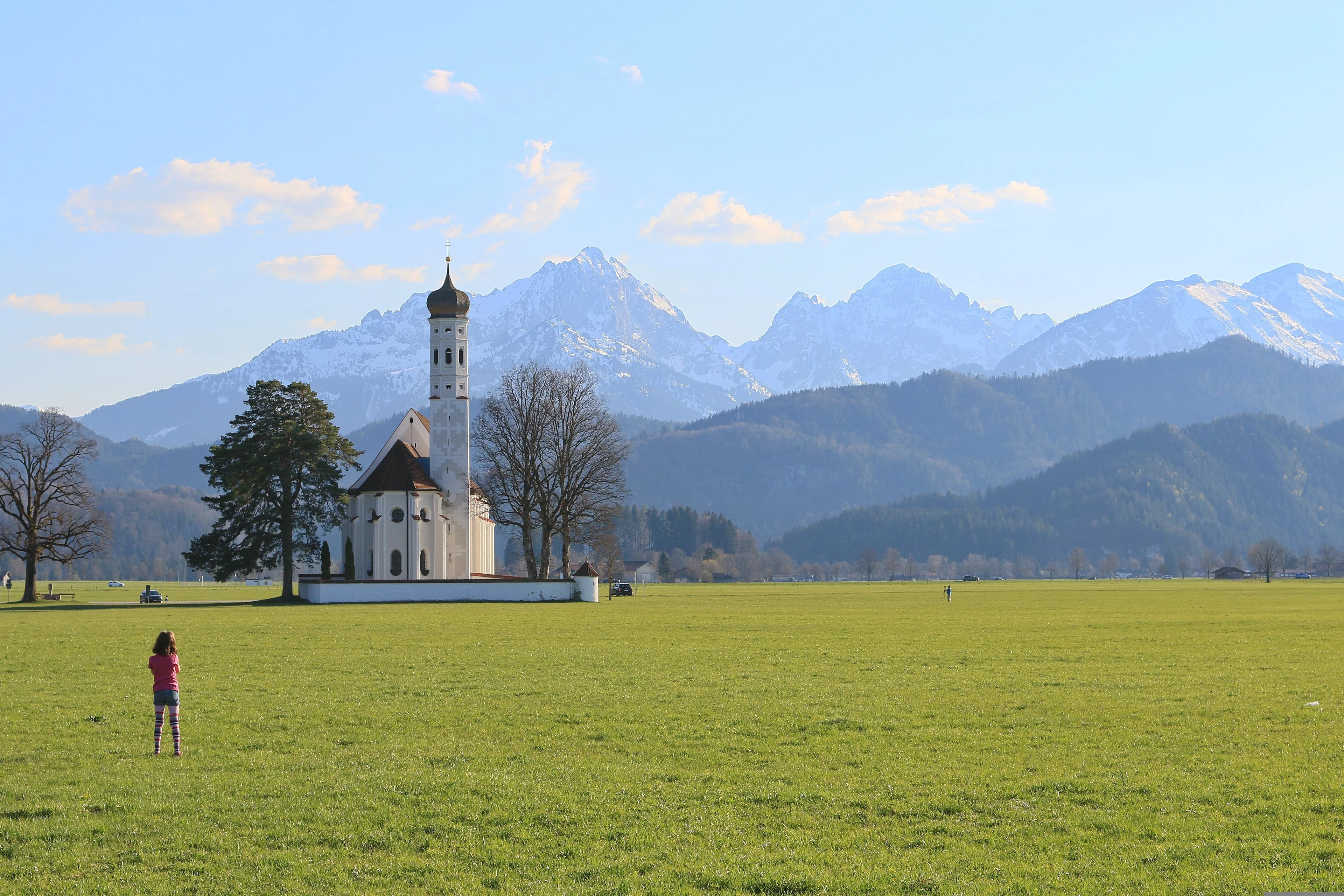
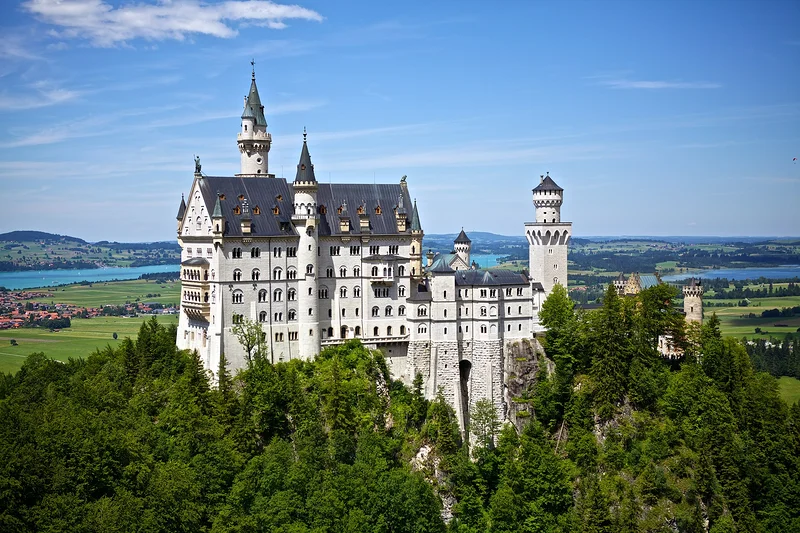
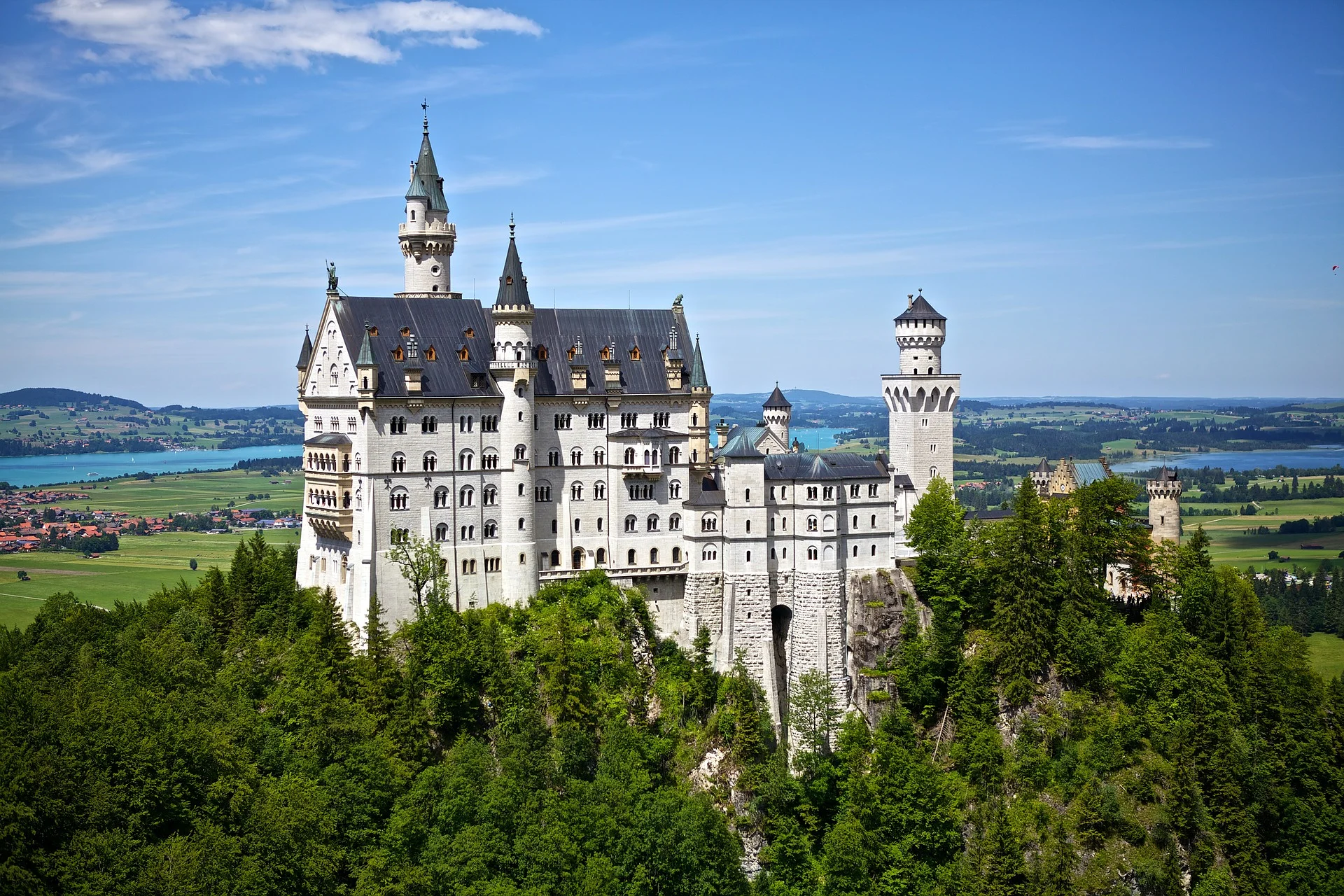
The name of this small town in Bavaria might not immediately ring a bell for most American travelers. However, images of Neuschwanstein Castle are instantly recognizable. Built as a tribute to Wagner, the so-called Sleeping Beauty castle was originally inspired by the opera Lohengrin, Knight of the Swan. Located on the Romantic Road in Southern Germany, just a stone's throw from the Austrian border, Schwangau draws travelers who come for the grandeur of the Bavarian royal residences and the dramatic natural landscape of the region.
A deep dive into Bavarian history
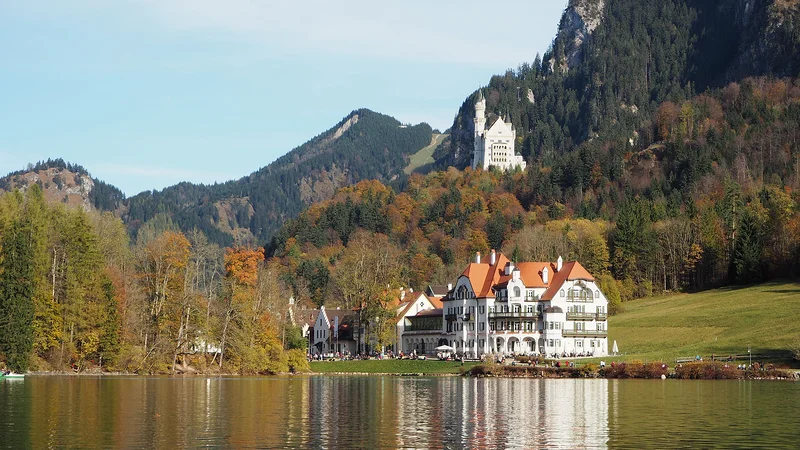
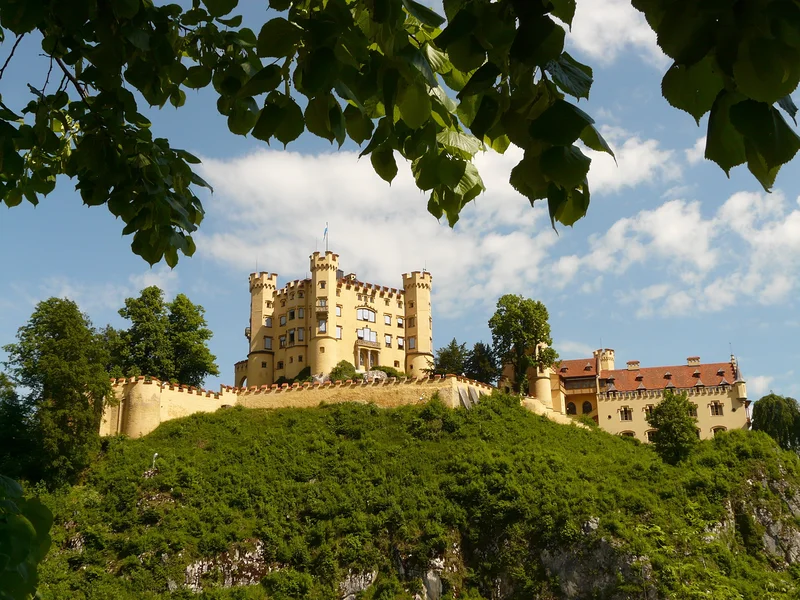
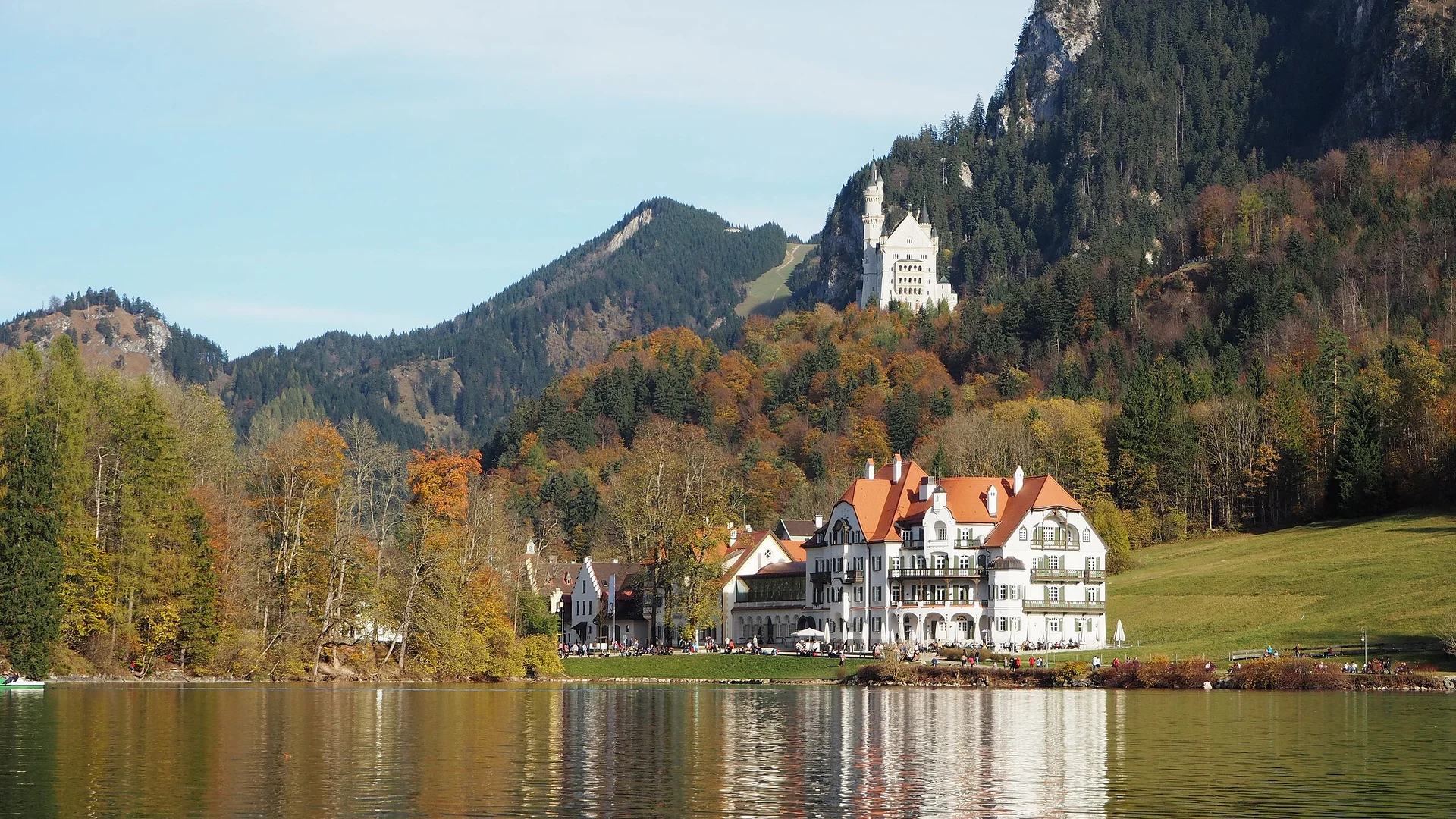
Schwangau sits near two historically significant sites: Hohenschwangau Castle and Neuschwanstein. The lords of Schwangau, who historically managed the territory, resided in Hohenschwangau Castle overlooking the Alpsee lake for centuries. The first written mention of the castle dates back to 1397. In the 19th century, it was purchased and restored by the future king of Bavaria, Maximilian II. His son, Ludwig II, spent his childhood summers in this royal residence and later decided to build Neuschwanstein starting in 1869, perched on the ruins of a former Schwangau dynasty castle atop a rocky crag.
Neuschwanstein Castle, or the New Swan Stone, was constructed under the orders of Ludwig II. Both the layout and the interior decor are inspired by Wagner's operas and depict the adventures of the knight Lohengrin. You will also spot golden lions throughout the structure, which are symbols of the Kingdom of Bavaria.
Exploring the Bavarian Alps
After your tour, make your way to the Marienbrücke bridge, which spans the Pöllat Gorge. From there, you get the best vantage point for photos of Neuschwanstein Castle. On the other side of the bridge, you can continue the trail toward the summit of Tegelberg Mountain. If you take the Schutzengel path, you will find information markers detailing the history of the region dating back to the Stone Age. You can also reach the mountain summit by cable car for 17 EUR (about $18) round trip.
Back in town, consider a relaxing stop at the Kristall Spa. Various traditional saltwater pools allow you to unwind in a setting that leans into a very kitschy aesthetic. It is a solid way to recover after a long day of hiking in the surrounding hills.
When to go
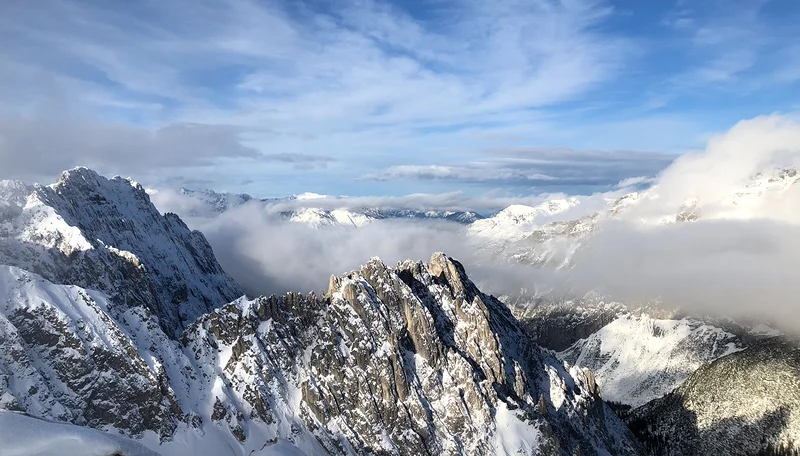
Exploring the castles and the surrounding terrain is best during the warmer months. However, visiting Schwangau in winter has its own appeal. The castle looks particularly striking, often appearing even more ethereal under a blanket of snow. You can also go snowshoeing, skiing, or snowboarding on the Tegelberg.
Getting there
Schwangau is accessible by car via the German A7 autobahn.
If you are flying or taking the train, you will likely arrive in Munich. From there, you will need to head to the neighboring town of Füssen and take bus line 73 or 78 toward Schwangau.

A quaint little village at the foot of the Alps, known for its 2 castles.
These 2 castles are of course a must-see, especially Neuschwanstein, which is one of the prettiest I have ever seen. But make sure to take some time to hike around the region too, the Bavarian Alps are gorgeous!