
Visiting Innsbruck
Innsbruck is the capital of Tyrol, a region tucked into the heart of the Austrian Alps. This former medieval town, split by the Inn river, served as a residence for the Habsburg dynasty between the 14th and 17th centuries before being officially integrated into Austria in 1815 following the Congress of Vienna. With a population of 121,000, Innsbruck maintains an active, athletic character, framed by mountain passes that climb to over 6,500 feet.
Discover the Habsburg Legacy
For centuries, the city acted as a magnet for the German-speaking intellectual and cultural elite. It was here that one of the oldest schools in the Western world, the Akademisches Gymnasium Innsbruck, was founded. The city preserves significant Gothic and Baroque architecture, most notably the Golden Roof. This ornate balcony was constructed under the orders of Emperor Maximilian I, who used it as a royal box to watch public events in the square below. The roof, covered in gilded copper shingles, now houses a museum dedicated to the city history and the imperial family.
In the center of the Old Town, you will find the impressive Hofburg imperial palace as well as the iconic St. James Cathedral. Originally built in a Gothic style, its facade was later remodeled into a Rococo ensemble to match the changing tastes of the era. To understand the influence of Maximilian I on the capital of Tyrol, visit the Hofkirche. This mausoleum was built while the emperor was still alive and is guarded by a series of tall bronze statues, known as the black men, representing members of the Habsburg dynasty. Adjoining the building, the Tyrolean Folk Art Museum is a primary resource for understanding the traditions of this part of Austria. For a view of the Old Town from above, climb the stairs of the former bell tower, which provides expansive sightlines of the surrounding Alps.
Escaping into the Tyrol Valley
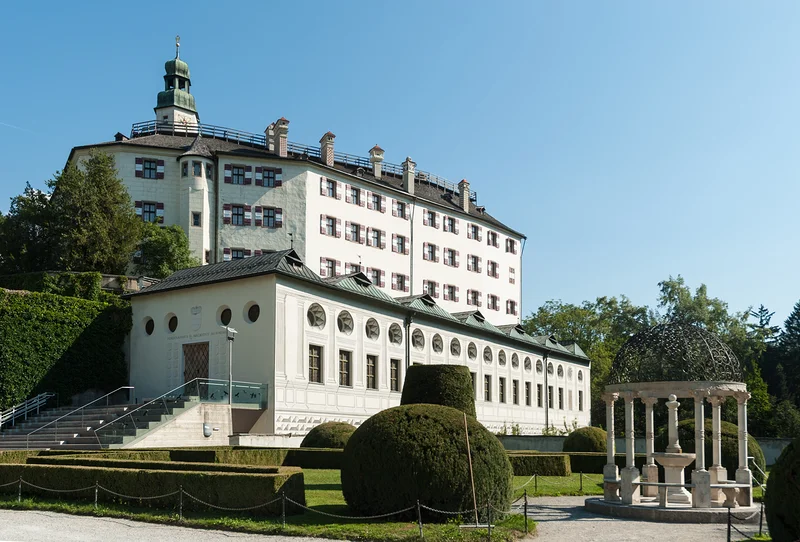
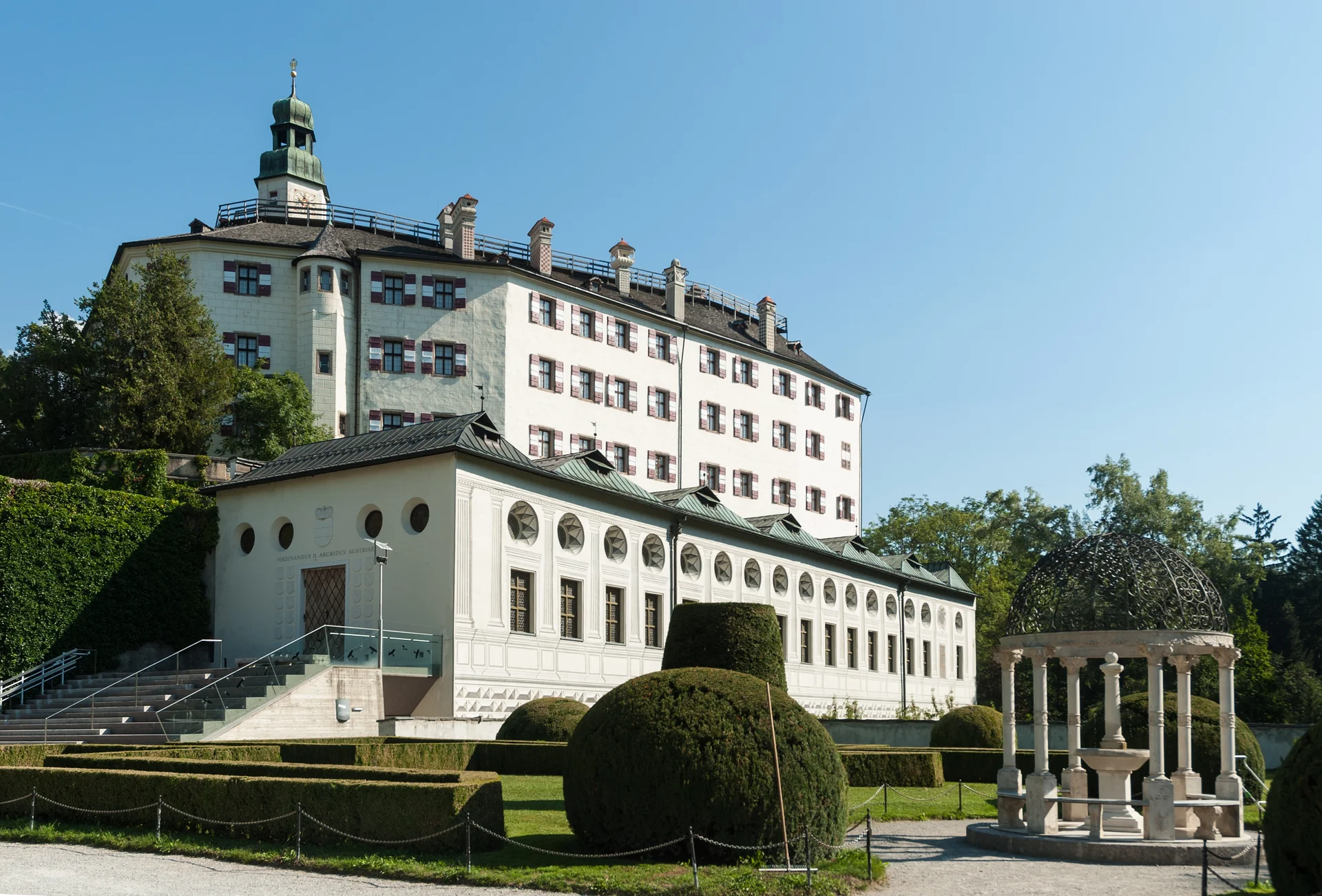
Art and history enthusiasts should prioritize the Tyrol Ferdinandeum state museum and Ambras Castle, located just a few miles outside of Innsbruck. The palace was the home of Archduke Ferdinand, a dedicated collector who amassed works by Rubens and Velázquez, along with an extensive collection of decorative arts.
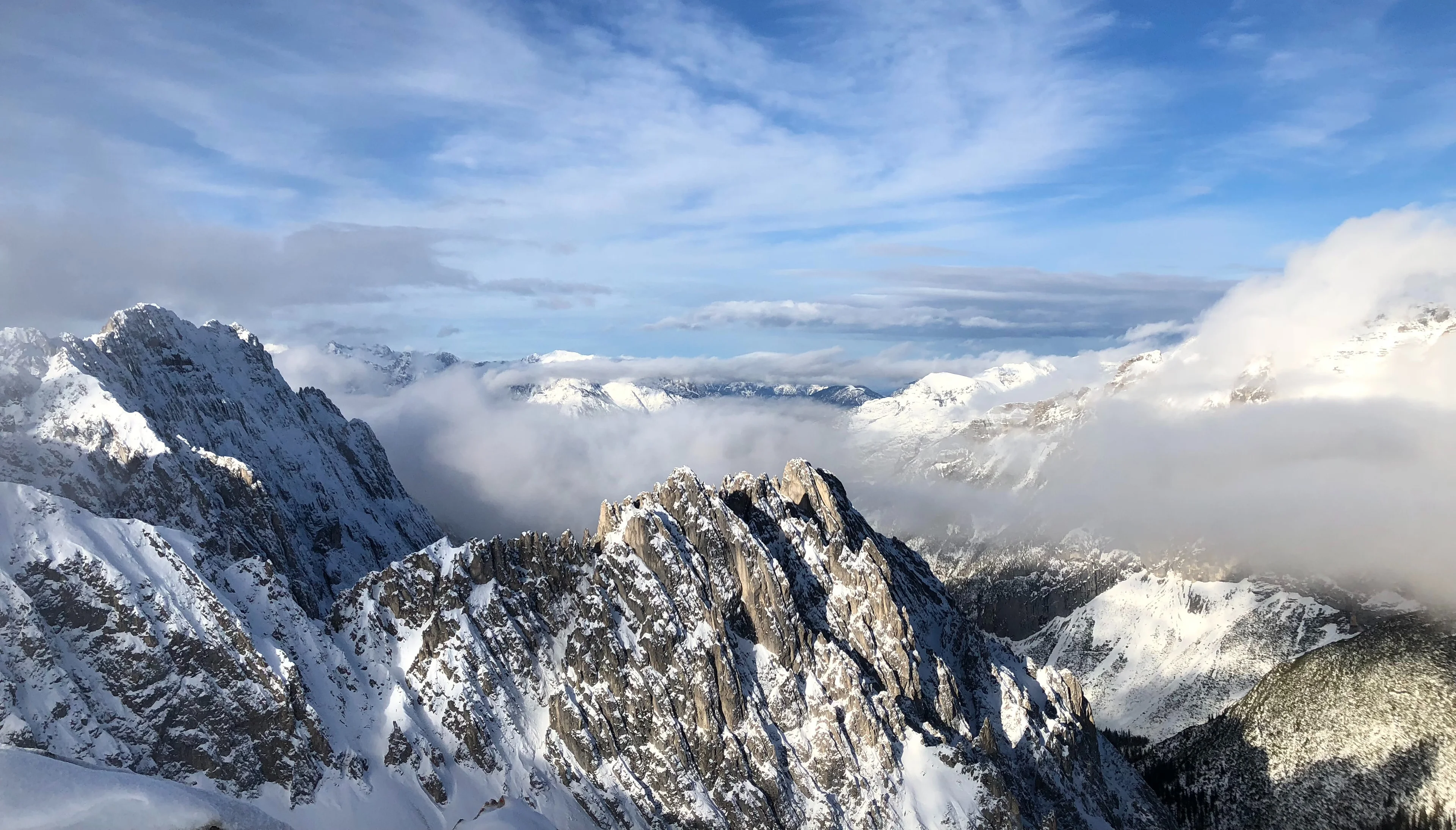
Innsbruck is also a major destination for Winter Olympics history. You can still see several venues from the games, including the Bergisel ski jump. Beyond the city streets, take the cable car up to the Nordkette mountain range, which offers direct access to high-altitude hiking trails.
When to go
Innsbruck remains active year-round. You can visit for the holiday markets in December or the summer festivals in July and August, the most prominent being the Early Music Festival, which hosts performances in the city most historic venues.
How to get there
You can fly directly into the city small airport, or arrive by train, which typically requires a connection in Zurich.
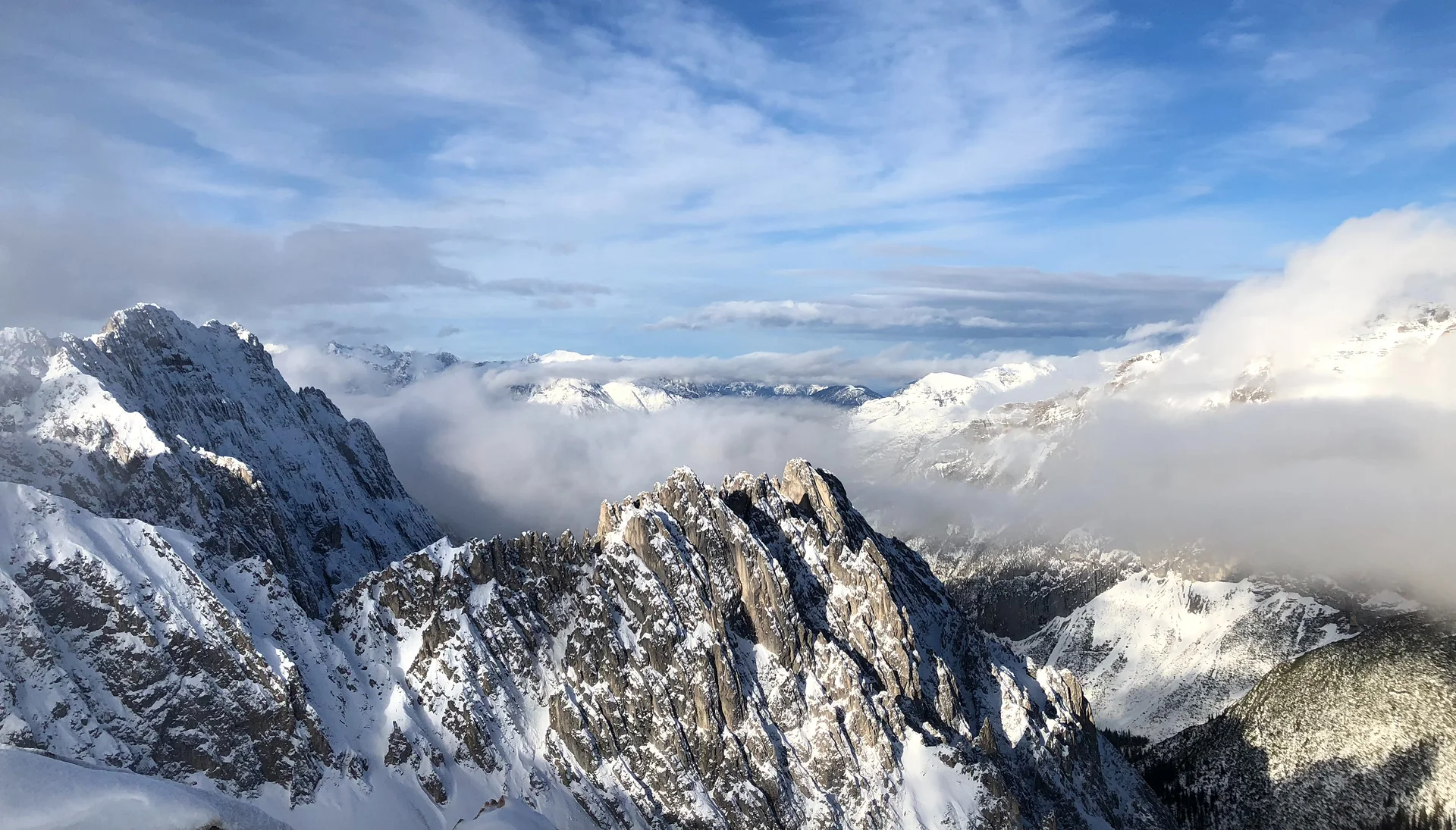
Great memories of my time in Innsbruck (despite a 4.9 earthquake -)). The city center is really nice, the food is good, and the natural setting is absolutely stunning, it is basically a city in the mountains. You should not miss the ride on the ultramodern funicular up the Nordkette mountain, or a visit to the Alpenzoo on the way up.