
Where to stay in Toronto: the 5 neighborhoods to know in 2026
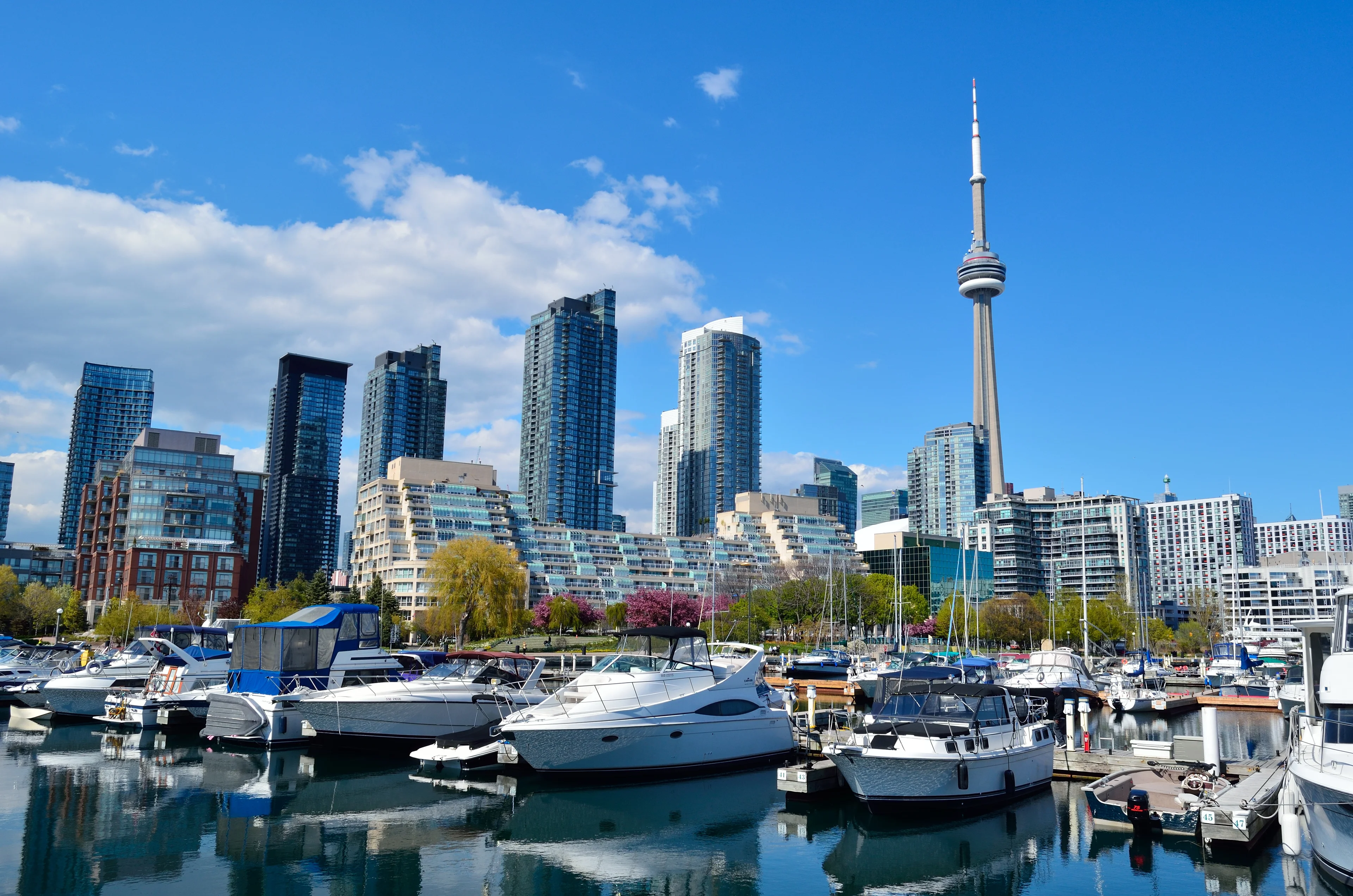
Downtown Toronto is a vertical business district filled with glass towers, offices, and streets that empty out after dark. Yet this is where most people book their first hotel room, just steps from the CN Tower.
The Toronto people actually come to see starts where the skyscrapers end: the brick facades of the Distillery District to the east, the market stalls of Kensington Market to the west, and the museums along Bloor Street to the north. The subway forms a U-shape around downtown and serves three of these five areas, while streetcars take you to the other two. Hostel beds stay under $45*, standard double rooms run between 130 and 220 EUR, and prices climb even higher in Yorkville and down by the waterfront.
I felt like I was discovering a concrete city with no green spaces
Compare hotel prices in Toronto
In a hurry? Find the best accommodation deals in 3 clicks.
Compare live deals from Booking, Expedia, Agoda and other partners.
At a glance: our picks by traveller type
Pick the profile that suits you to head straight to the recommended neighborhood.
The neighborhood map in Toronto
Get your bearings on the neighborhoods and must-see sights before choosing where to drop your bags. Click a name to jump to its description.
The tower cluster Financial District and Entertainment District
for a first visit, shows, and sports
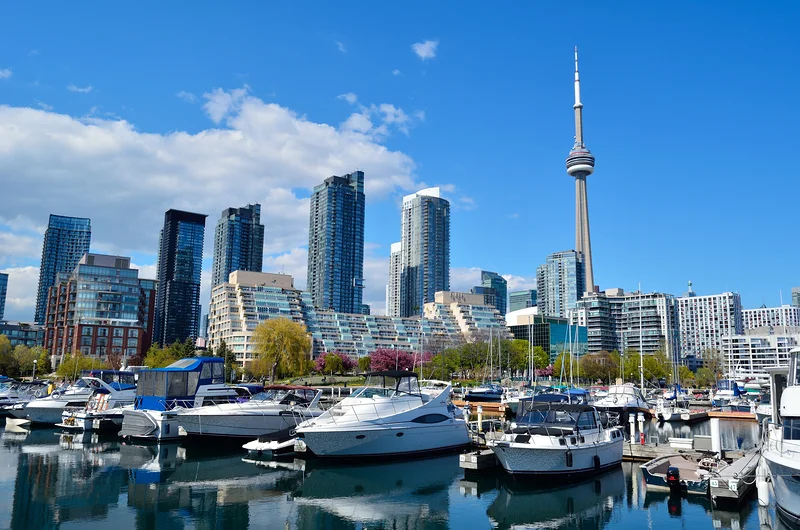
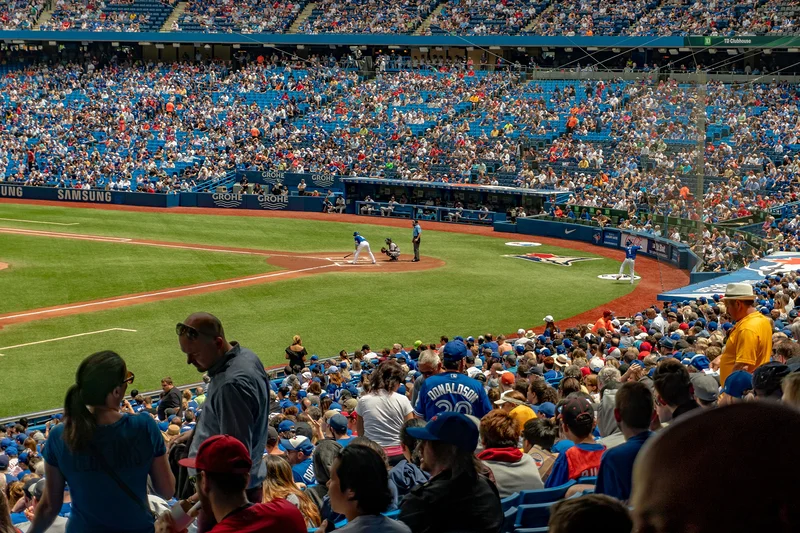
Everything you see on postcards fits into a fifteen-minute walk right here: the CN Tower, the Rogers Centre, the King Street theaters, and City Hall. It is primarily a corporate zone, and one reviewer summed it up simply: "People often call it "the little New York" because the city has a huge business district with tall glass skyscrapers, which gives it a bit of a NY vibe.". Once work lets out, the office crowds clear out and the streets go quiet, except on game nights. On the bright side, you can walk everywhere, the underground PATH network lets you cross downtown without stepping outside during winter, and Union Station gets you to the airport in twenty-five minutes.
What to see & do in the neighborhood
Where to stay in this neighborhood
Fairmont Royal York Luxury
The historic railway hotel, opened in 1929 right across from Union Station, featuring gilded details, endless hallways, and nearly a century of service. You step off the train, cross the street, and catch the subway right underneath.
Chelsea Hotel, Toronto Mid-range
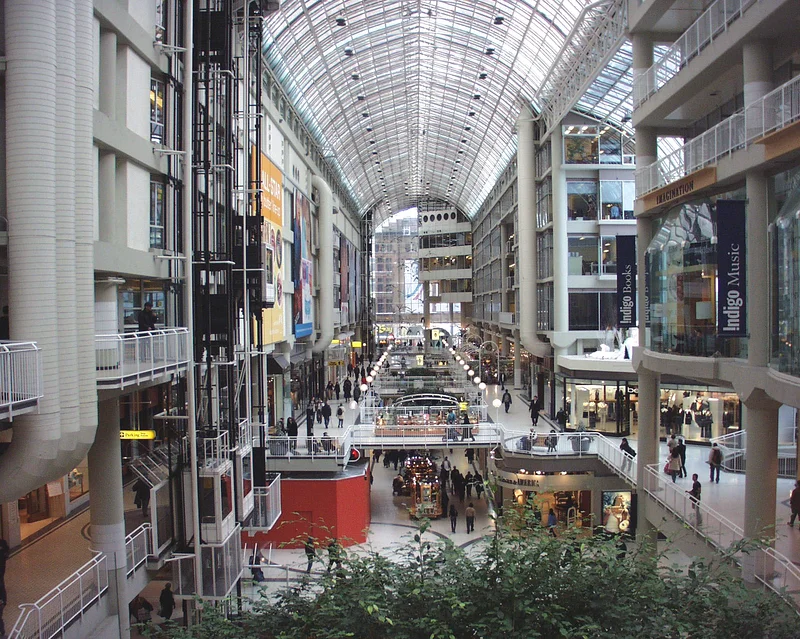
Canada's largest hotel, two blocks from the Eaton Centre, featuring an indoor water slide that solves rainy days when traveling with family. The College subway station is a five-minute walk away.
Neill-Wycik Budget
A student housing cooperative that rents out rooms as a hostel from May to August, complete with shared bathrooms and a communal kitchen on the floor. It is the cheapest bed in downtown, and it vanishes for the rest of the year.
Pros
- CN Tower, theaters, and arenas all within walking distance
- The PATH network for getting across downtown out of the winter weather
Cons
- Mostly office buildings, meaning quiet streets at night
- Practically zero budget options
Old Town, the market, and the Distillery East of the towers, old-school Toronto
for exposed brick, food halls, and a slower downtown pace
Walk fifteen minutes east, and the glass towers give way to red brick. The St. Lawrence Market runs Tuesday through Saturday, while the Distillery District turns a former whiskey factory into a pedestrian zone filled with galleries, studios, and craft breweries housed in Victorian buildings. You stay in a neighborhood that feels like an actual community instead of a financial district, and downtown remains walkable. The catch is that lodging is scarce, and finding anything under $146* is nearly impossible.
Where to stay in this neighborhood
The Omni King Edward Hotel Luxury
The grand dame of the city since 1903 featuring marble, high ceilings, and afternoon tea right on King Street. Five minutes on foot from the St. Lawrence Market and King station.
Holiday Inn Express Toronto Downtown Mid-range
A reliable chain option on Lombard Street with breakfast included, located three blocks from the St. Lawrence Market. It is the sensible pick for the area, mostly because there are no other contenders.
Pros
- The market and the Distillery on foot
- A real neighborhood that quiets down at night
Cons
- Very few hotels in this pocket
- Zero budget options
Yorkville, Bloor, and the Annex Up north, right on the subway line
for museums, quiet streets, and brick houses
North of downtown, the city scales down to three-story buildings. Yorkville lines up luxury storefronts, sidewalk patios, and galleries, while the Annex right next door is a neighborhood of Victorian houses where university faculty live. The Royal Ontario Museum, the Gardiner Museum, and the Bata Shoe Museum sit within a few hundred meters of each other, with Casa Loma waiting a bit further north. Two subway lines intersect here: downtown is ten minutes away, and the city noise does not reach this far.
Where to stay in this neighborhood
Park Hyatt Toronto Luxury
Reopened after several years of renovations, right across from the Royal Ontario Museum. Its top-floor bar has overlooked the city since the 1930s and welcomes visitors who are not staying at the hotel.
Kimpton Saint George Hotel Mid-range
On Bloor Street, between the university and the Annex, a contemporary spot offering an evening happy hour. St George station is just down the street.
Pros
- Museums and two subway lines
- Quiet streets and brick houses
Cons
- The most expensive area for dining and drinks
- No reliable budget options in the neighborhood
The West End: Queen West, Kensington, and Chinatown Along the 501 streetcar line
for neighborhood life, vintage shops, and global food
Kensington is a market of low-slung houses and painted storefronts, right next to Spadina's Chinatown. Queen Street West then runs west for miles with vintage shops, galleries, and bars, leading to the lawns of Trinity Bellwoods and further out to High Park. Toronto is an exceptionally green city, as one review neatly sums up, "The streets are very wide, green spaces are everywhere" and you can see that much better here than downtown. The downside: no subway lines in this sector, so the 501 streetcar handles all the transit.
What to see & do in the neighborhood

Where to stay in this neighborhood
The Drake Hotel Luxury
The spot that put West Queen West on the map, featuring compact custom rooms, a basement concert venue, and a rooftop patio. Twenty minutes by streetcar to downtown.
Hotel Ocho Mid-range
A 1902 textile mill at the corner of Spadina and Queen with exposed brick and massive windows, flanked by Kensington and Chinatown on either side.
The Planet Traveler Budget
A hostel set in a century-old building on College Street right at the edge of Kensington, featuring a rooftop deck overlooking the downtown skyscrapers.
Pros
- The market, vintage shops, and global food spots all on foot
- The 501 streetcar runs through the night too
Cons
- No subway station in this pocket
- Loud on Queen Street over the weekend
The lakefront: Harbourfront and Exhibition To the south, behind the Gardiner Expressway
for water views, ferries, and families
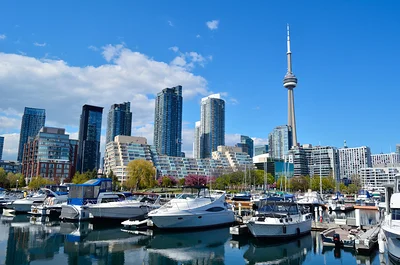
Lake Ontario frames the southern edge of the city, and it is from here that you get the best vantage point. Ferries to the Toronto Islands depart right from the foot of the hotels, making the crossing in fifteen minutes. Harbourfront Centre hosts concerts and exhibits year-round, while Exhibition Place and Fort York anchor the western waterfront. The downside is physical, as the Gardiner Expressway and railway lines cut the docks off from the rest of downtown, and the lake winds are brutal in the winter.
Established right on the shore of Lake Ontario, Toronto offers some really pretty views all along the waterfront. That is actually how I recommend you get your first look at the city, before you go off to explore the different neighborhoods.
Where to stay in this neighborhood
Hotel X Toronto Luxury
A standalone hotel sitting right inside Exhibition Place, featuring rooftop pools and direct views of both the lake and the skyline. Completely removed from anything walkable, though connected by the 509 streetcar.
The Westin Harbour Castle Mid-range
Twin towers right on the waterfront, next to the ferry docks and a ten-minute walk from Union Station. Ask for a lake-facing room since the others look straight at the Gardiner.
Pros
- Ferries to the islands right at your doorstep
- Plenty of room and water views
Cons
- The Gardiner Expressway cuts this pocket off from the rest of downtown
- No cheap addresses here
Our tips for booking the right place
- The subway forms a U, and streetcars handle the rest: Line 1 runs down University Avenue, loops around Union Station, and heads back up Yonge Street, making a clear U shape. Line 2 crosses it underneath Bloor Street. These two lines cover downtown, Yorkville, and the Annex, while Queen West, Kensington Market, and the waterfront rely on streetcars, including the 24-hour 501 route. From Pearson Airport, the UP Express gets you to Union Station in twenty-five minutes.
- The event calendar is what drives hotel rates way up: The September film festival packs downtown hotels, just like summer festivals and game nights at the Rogers Centre. Winter brings lower rates; it gets brutally cold, but you can navigate downtown underground through the PATH network. Keep in mind that the city adds an accommodation tax on top of the listed room rate at every hotel.
- The two most popular day trips require a car: The top-rated spot in the city according to our members, the Toronto Zoo, sits about thirty kilometers outside downtown, and Canada's Wonderland amusement park is even farther out. « It is recommended to go by car to get there. » notes a reviewer about the zoo. That is no reason to book a suburban motel; just rent a car for the day and keep your hotel downtown. Niagara Falls works the same way as an easy day trip there and back.
- Booking near Pearson Airport or in Mississauga hotels to save money. You will be about thirty kilometers out, and the UP Express connecting the airport to Union Station does not stop at those hotels, meaning you need a shuttle first. Just two rides a day will wipe out any savings.
- The Yonge-Dundas intersection and the streets around Moss Park, where a few hotels show lower rates. The area is noisy and can feel a bit rough at night. Nothing to panic about during the day, but check the exact city block before booking rather than just trusting the neighborhood name.
- The waterfront if you were planning on walking back after dinner. The Gardiner Expressway and the rail lines wedge right between the docks and downtown, meaning you have to duck under concrete underpasses every time. It is a scenic spot for views and the ferry docks, but not for a walking-centric stay.
FAQ: where to stay in Toronto
Which neighborhood should you pick for a first trip to Toronto?
Where can you find budget-friendly places to stay in Toronto?
Is Toronto a good spot for families?
Where is the best nightlife in Toronto?
Do you need a car in Toronto?
How much does a hotel night cost in Toronto?
 Keep exploring
Things to do in Toronto
Keep exploring
Things to do in Toronto
Comments (0)
No comments yet. Be the first!