
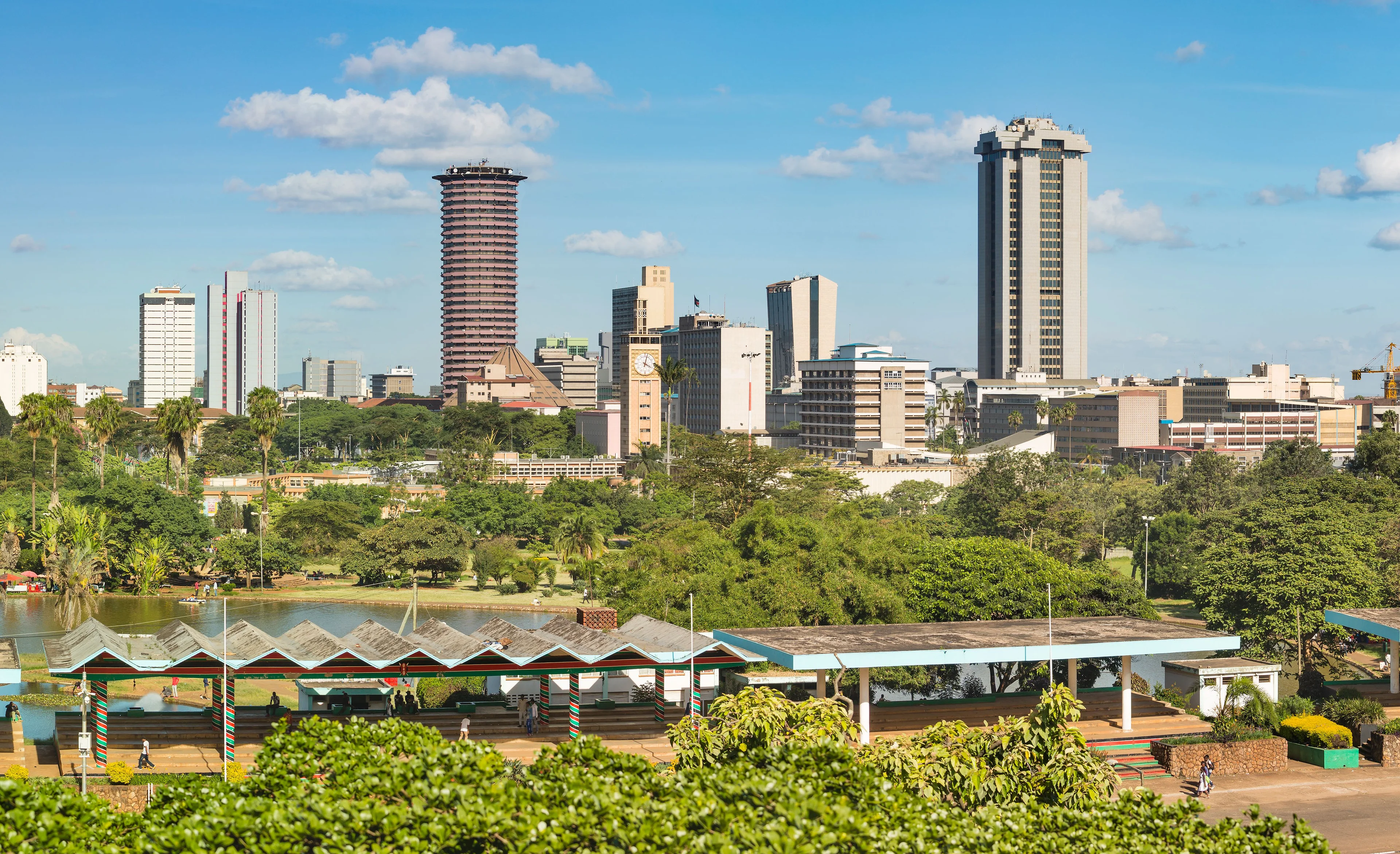
Nairobi at a Glance
The capital of Kenya is mostly known as the jumping-off point for safari trips. Many travelers head out from Nairobi to spot lions, buffaloes, rhinos, and leopards on guided game drives. Yet skipping the city itself means missing out on a dynamic urban destination.
Up Close with Wildlife
You do not need to book a major expedition to experience nature in Nairobi. Nairobi National Park sits less than 10 kilometers from downtown, spreading across 120 square kilometers of protected savanna where you can spot zebras, wildebeest, and even hippos. The David Sheldrick Wildlife Trust is another essential stop. Founded in 1977 by Daphne Sheldrick in memory of her husband, the game warden David Sheldrick, this sanctuary rescues and rehabilitates orphaned baby elephants fed from giant bottles. Do not miss the Giraffe Center, which runs conservation programs for the endangered Rothschild's giraffe. You can hand-feed these long-necked creatures from a raised wooden platform. Beyond wildlife sanctuaries, Uhuru Park offers green space downtown, while Hell's Gate National Park, 90 km northwest near Naivasha, offers rugged terrain for walking and hiking.
Between Traditions...
Downtown Nairobi holds enough culture and daily energy to keep you busy for days. To experience local crafts and trading culture firsthand, track down the rotating Maasai Market. You will need to check its current location since the market moves to a different neighborhood every day, making it the ideal spot to practice your bargaining skills on wood carvings, beaded jewelry, and textiles. If you want to dive deeper into indigenous customs, head to the Bomas of Kenya. This cultural center features scale replicas of traditional homesteads representing more than a dozen local tribes, accompanied by daily musical performances and traditional dancing from a large troupe of artists.
...and Modern Life
Nairobi is a thoroughly modern metropolis serving as a major political, financial, and academic hub across Africa. To see this side of the city, visit the Kenyatta International Convention Centre. This towering structure of glass and steel houses the national senate offices, exhibition galleries, and an amphitheater, topped by a revolving rooftop restaurant sitting 105 meters in the air. You get sweeping city views while you eat.
When it comes to local food, try the nyama choma (roasted meat), ugali (a thick cornmeal porridge), or karanga (a spiced goat or mutton stew).
When to go
Nairobi is accessible year-round thanks to a consistently mild highland climate. Daytime temperatures rarely climb past 27 to 28 degrees Celsius, keeping conditions comfortable in any season. If possible, try to avoid the rain-heavy months of April, May, and November.
How to get there
Flights from major US hubs typically involve at least one or two connections, with total travel time starting around 14 hours depending on your departure city. Airfares fluctuate, with economy tickets ranging from $400* up to $790-$900*. Jomo Kenyatta International Airport, one of the busiest aviation hubs on the continent, handles frequent international flights daily.
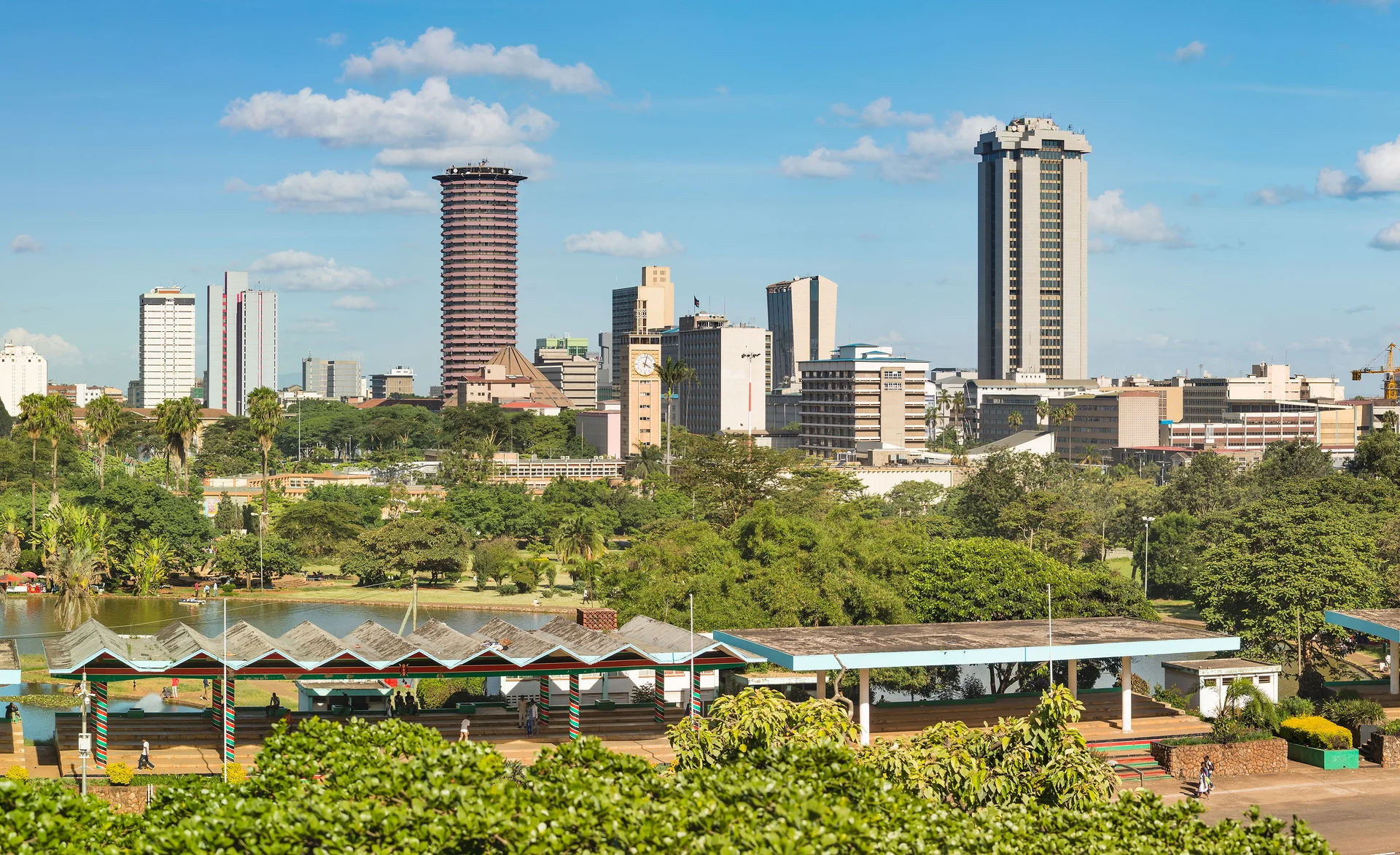
I had a layover in Nairobi, the Kenyan capital, before heading out on safari. I have to admit I was not expecting such a modern city. Skyscrapers, shops, bars, restaurants, and a national museum with some beautiful collections showcasing the country's heritage. Just a few minutes from the capital, you can already spot wild animals in a reserve.