
Hello everyone.
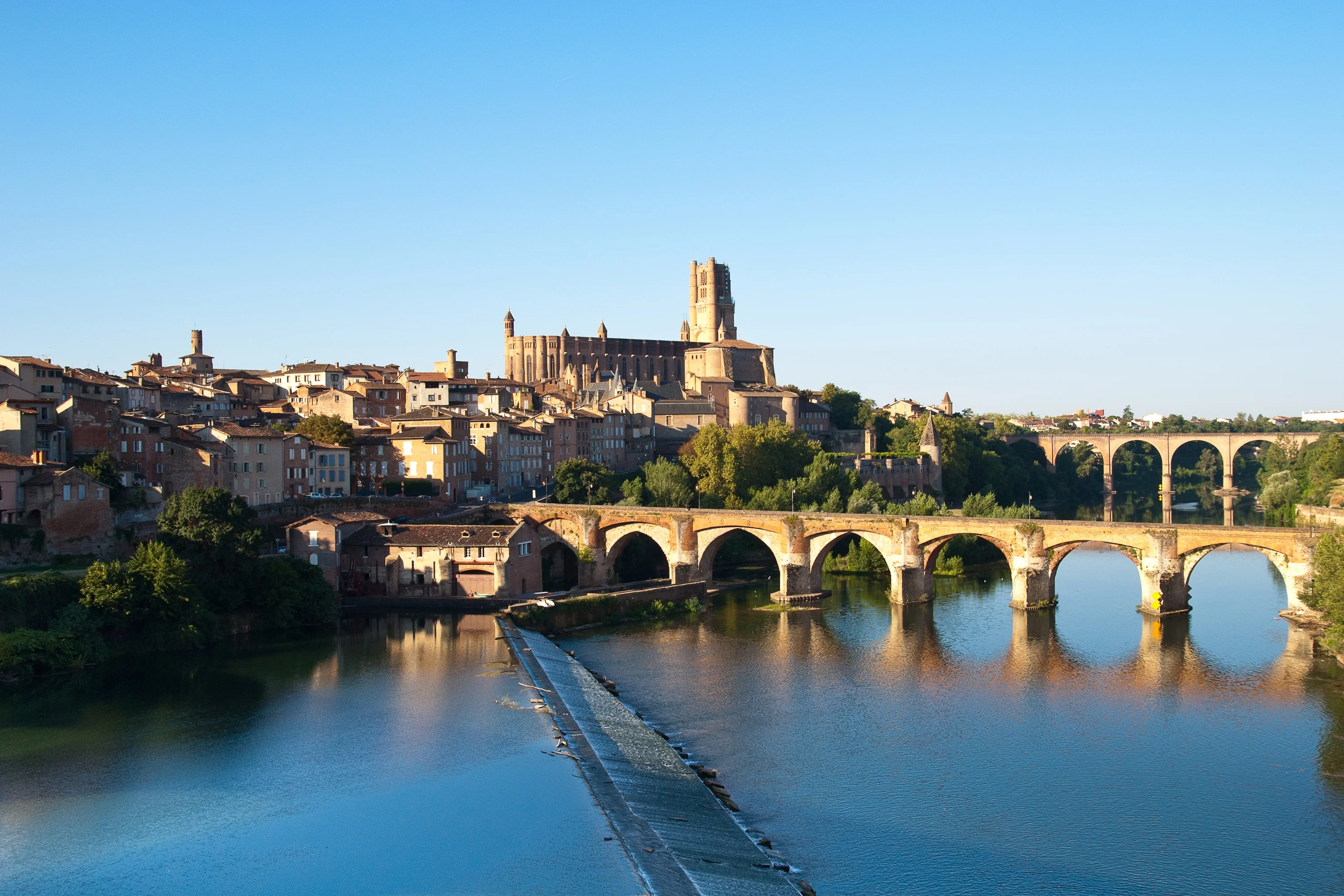
For those of you who, like me, enjoy the France 3 show "Des racines et des ailes," the episode that aired last Wednesday was all about Albi. I found it spot-on, and it brought back memories of everything I saw and visited during my week there this summer. It occurred to me that, after all, France deserves a few lines on this site too! So, here I am, wanting to tell you all about this magnificent episcopal city.
In a nutshell, "Albi the Red" (it’s not political; it’s simply because most of the buildings in the historic center are built with red bricks) is the capital of the Tarn department in the Midi-Pyrénées region. Right in the heart of Cathar country, the episcopal city was seen as a beacon of the Catholic faith, intended to shine a light on the "obscurantism" of the Cathars.
The people of Albi were thrilled to see their episcopal city named a UNESCO World Heritage site in July 2010.
A MUST-SEE:
The old town and the episcopal city. The most famous site is the iconic Sainte-Cécile Cathedral. The foundation of the current structure dates back to 1282. The ochre bricks used in its construction allow it to play with the southern sunlight, and countless photographers, painters, and other artists have captured it over the centuries.
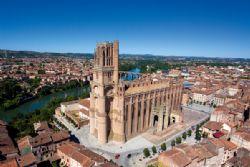
When you see its 78-meter bell tower and its exterior facades, you’ll likely be surprised, as the building looks more like a military fortification: thick walls, very few high vantage points other than the tower...
And yes, this fortified cathedral was part of a defensive system. But if you’re taken aback by the somewhat austere exterior, don't be fooled, go inside to see the true finesse and artistry of the craftsmen who built it.
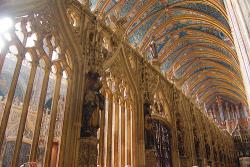
Sainte-Cécile Cathedral notably houses the largest Renaissance fresco in Europe! These paintings are contemporary with those in the Sistine Chapel.
Look up, and don't miss the Last Judgment painting under the bell tower, which originally covered two hundred square meters! With dimensions like that and a ceiling height of nearly forty meters, be careful not to get a serious crick in your neck!
The statuary is exceptional, and the 200 figures have been restored to their original colors.
This cathedral is one of the most visited in France, and I know why now. Its World Heritage status makes it a stop for more and more foreign tour groups, so expect to be in good company.
You should also visit the former episcopal palace located in the Palais de la Berbie, right by the Tarn river. Also built in the 13th century, it was meant to protect the bishops from the designs of the Cathars and the local townspeople, as well as to mark the Inquisition's strong presence in the region. Its park is very pleasant and worth a quick break.
Today, the Palais de la Berbie houses the Toulouse-Lautrec Museum. Born Henri Marie Raymond de Toulouse-Lautrec-Monfa, the famous painter was born in Albi in 1864. A Post-Impressionist and Art Nouveau painter, he quickly became the "soul of Montmartre."
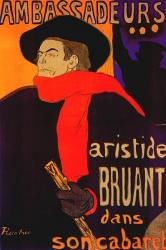
Honestly, even if you aren't as much of a fan of painters as I am, the museum visit is very interesting, and Toulouse-Lautrec's life is truly fascinating. It’s quite funny to see how this man from a good family caused such a scandal with his depictions of women of "loose morals" and places of debauchery...
Let's move on from the "sacrilegious" painter and continue our walk through town. Let's get back to religious buildings and take a stroll to visit the Saint-Salvi Collegiate Church.
If you can, walk through its cloister: it’s magnificent and inspires a sense of peace.
The whole town (the old town, that is) offers several small alleys and squares where it’s lovely to just sit and relax for a while.
You’ll discover a wealth of heritage that shifts from the medieval era to the Renaissance.
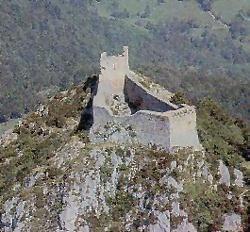
The France 3 show suggested extending the trip into Cathar territory by heading to Ariège to visit one of the most famous refuges of the Cathar lords: the Château de Montségur.
Impressive for its location, perched on a rocky outcrop, the castle overlooks the village. It withstood several assaults before finally having to surrender. An archaeological museum is also worth a visit for those interested.
It’s a truly rich region where you can spend a wonderful vacation, full of stunning landscapes and steeped in history.
Go for it!!

Comments (0)
No comments yet. Be the first!