
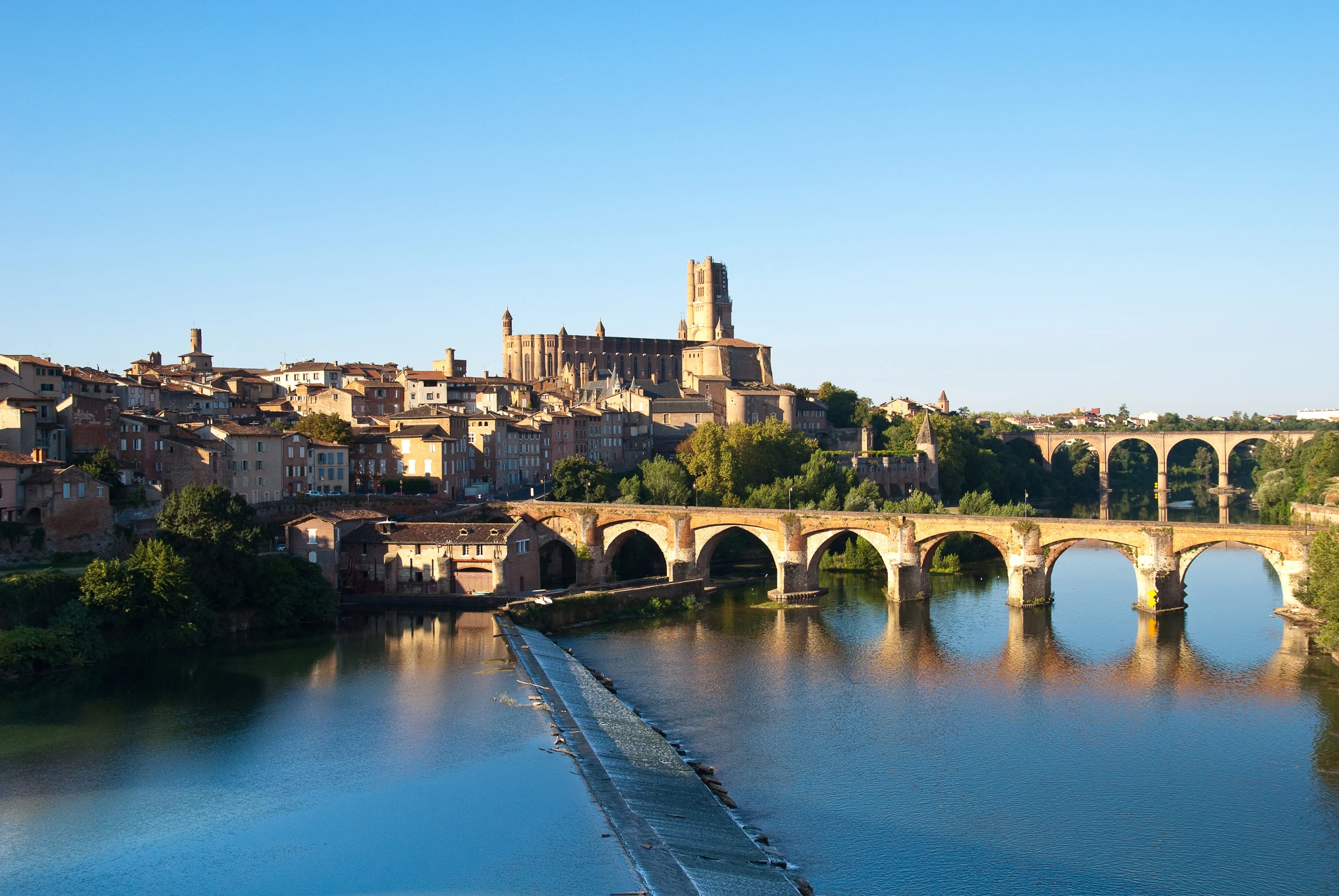
Albi, the brick citadel set ablaze by the sun
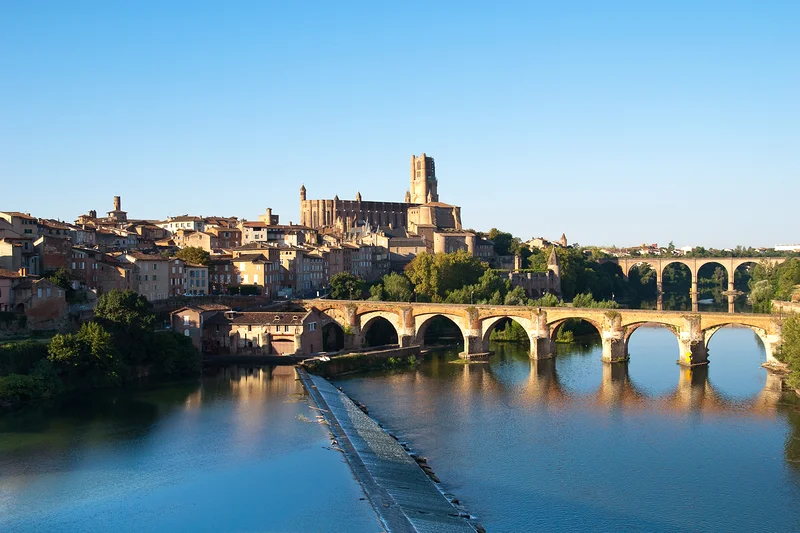
What hits you upon arrival isn't a sound or a scent, but a color. Red. An endless palette of reds, ochres, and pinks that vibrates across the city walls under the southwestern light. Walking through Albi feels like moving inside a giant piece of pottery, shaped by history and weathered by time.
Is the Occitan flame right for you?
This jewel of the Tarn region is a paradise for wanderers, art lovers, and history buffs who enjoy getting lost in thousand-year-old alleyways. If you are looking for the quiet of a walkable, human-scaled city, and if the idea of contemplating the largest brick cathedral in the world moves you, then you have found your next destination. Families will find it to be a safe and culturally rich playground.
Conversely, if you are looking for high-octane nightlife or rugged wilderness adventures, you might find the city a bit too quiet. The pace is gentle, bordering on provincial. Plan for a reasonable budget; life here is more accessible than in major metropolises, and once you are parked, you will not need your car.
The heart of the experience: an immersion in the Episcopal City and its secrets
The Episcopal City, a bastion of faith and power
The spectacle is total. On one side, the Sainte-Cécile Cathedral, a divine fortress that looks like a brick spaceship, imposing and monumental. Step inside to discover a striking contrast: a profusion of frescoes and colors of incredible finesse, including a Last Judgment that alone covers more than 2,150 square feet.
Right next door, the Palais de la Berbie, the former residence of the bishops, extends this impression of power. It now houses the Toulouse-Lautrec Museum, which holds the largest public collection of the locally born artist's works in the world. Do not miss its formal French gardens, which offer a magnificent view over the Tarn river.
Friendly tip: Buy the "Albi City Pass" at the tourist office. It includes admission to the cathedral choir, the Toulouse-Lautrec Museum, and other sites, saving you precious euros and wait times.
Strolling through Vieil Alby and along the Tarn
The real pleasure lies in the art of getting lost. Leave the cathedral square and duck into the Castelviel, the oldest neighborhood. You will find timber-framed houses, secret squares, and architectural details that tell of centuries of urban life. Look up to admire the "soleillous," those typical open-air attics where woad dye was once dried.
Then, head down to the banks of the Tarn. The view of the city from the Pont-Vieux, one of the oldest bridges in France, is spectacular at sunset, when the city bricks seem to ignite one last time. A ride on a gabarre, a traditional flat-bottomed boat, offers a different and soothing perspective.
Friendly tip: For the perfect photo, cross the Pont-Vieux and head to the right bank, in the Madeleine neighborhood. The panorama of the palace and the cathedral is absolutely unbeatable there.
A beautiful escape into the vineyards and bastides
Albi is an ideal gateway to the Pays des Bastides and the Gaillac vineyards. Rent a car for a day and go explore the surroundings. You will discover rolling landscapes covered in vines and villages that seem frozen in time.
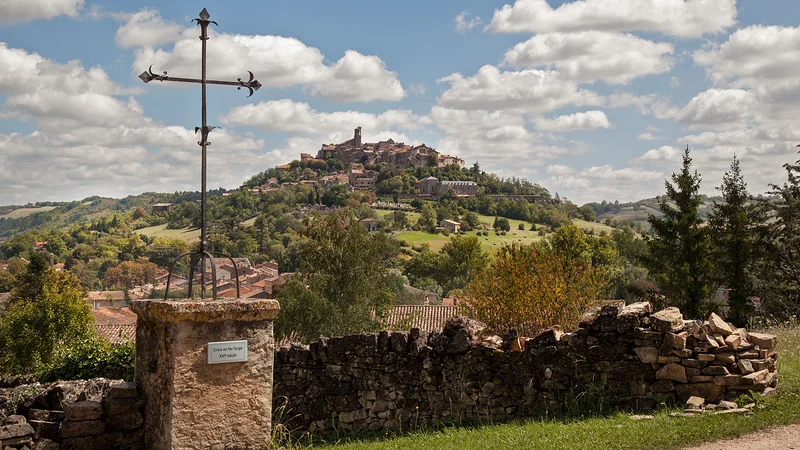
- Cordes-sur-Ciel: A Gothic bastide perched on a hill that lives up to its name on misty days. Its steep alleys and ancient houses are enchanting.
- Gaillac vineyards: This is one of the oldest wine regions in France. Stop by a winery to taste unique varietals, such as the Loin de l'Oeil white or the Braucol red.
Where to eat and drink in Albi?
Tarn gastronomy is generous and authentic. At the covered market, a magnificent Baltard-style building, you will find the best local products: Lautrec pink garlic (IGP), which is sweet and mild, cured meats from the Monts de Lacaune, and goat cheeses. For specialties, let yourself be tempted by radishes with salted liver, a surprising appetizer, or a good frésinat, a rustic and savory pork dish.
How to get to and around Albi?
Albi is accessible by train from Toulouse and Paris. If you are arriving by car, many paid parking lots (Vigan, Marché Couvert) allow you to park in the immediate vicinity of the historic center. Free park-and-ride lots on the outskirts are a good option, connected to the center by shuttles. Once on-site, the heart of the city is best visited exclusively on foot; it is by far the best way to soak up its charm.
When to go?
Spring and autumn are the ideal seasons to visit Albi. The weather is mild, the light is beautiful, and tourist traffic is much more reasonable than in summer. The months of July and August can be very hot and crowded around major sites. Winter, while quiet, can be damp, and some activities may have reduced hours.
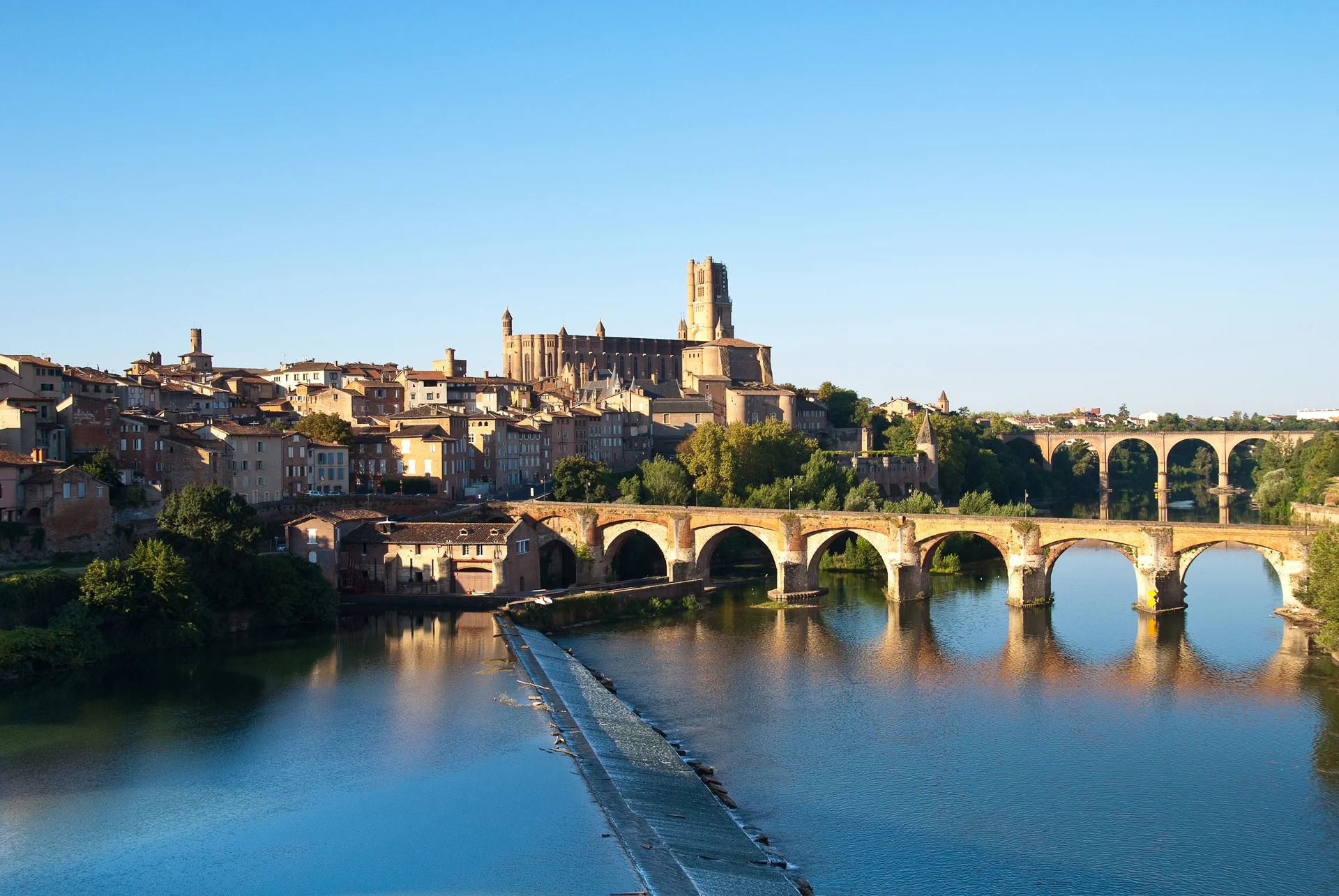
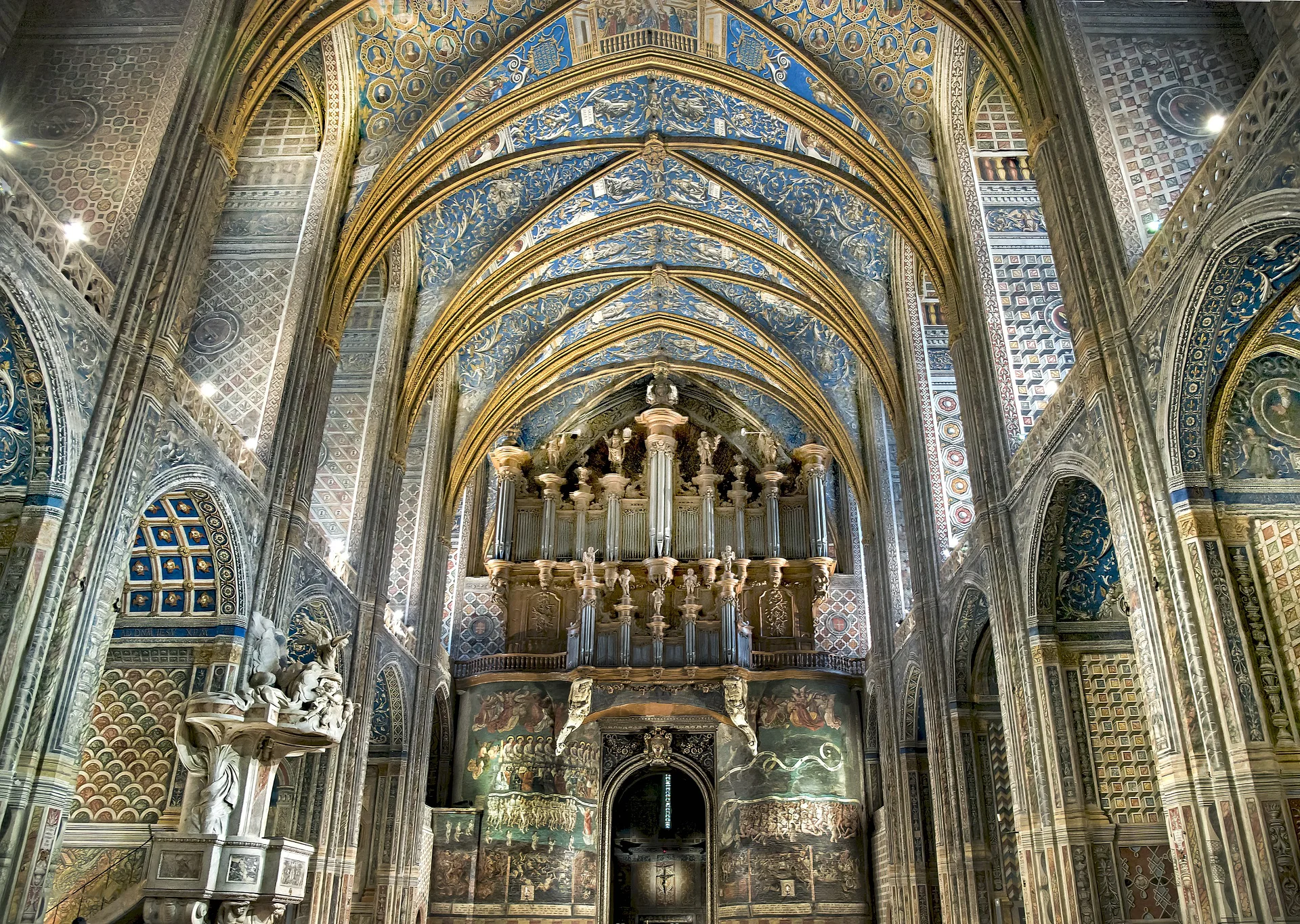
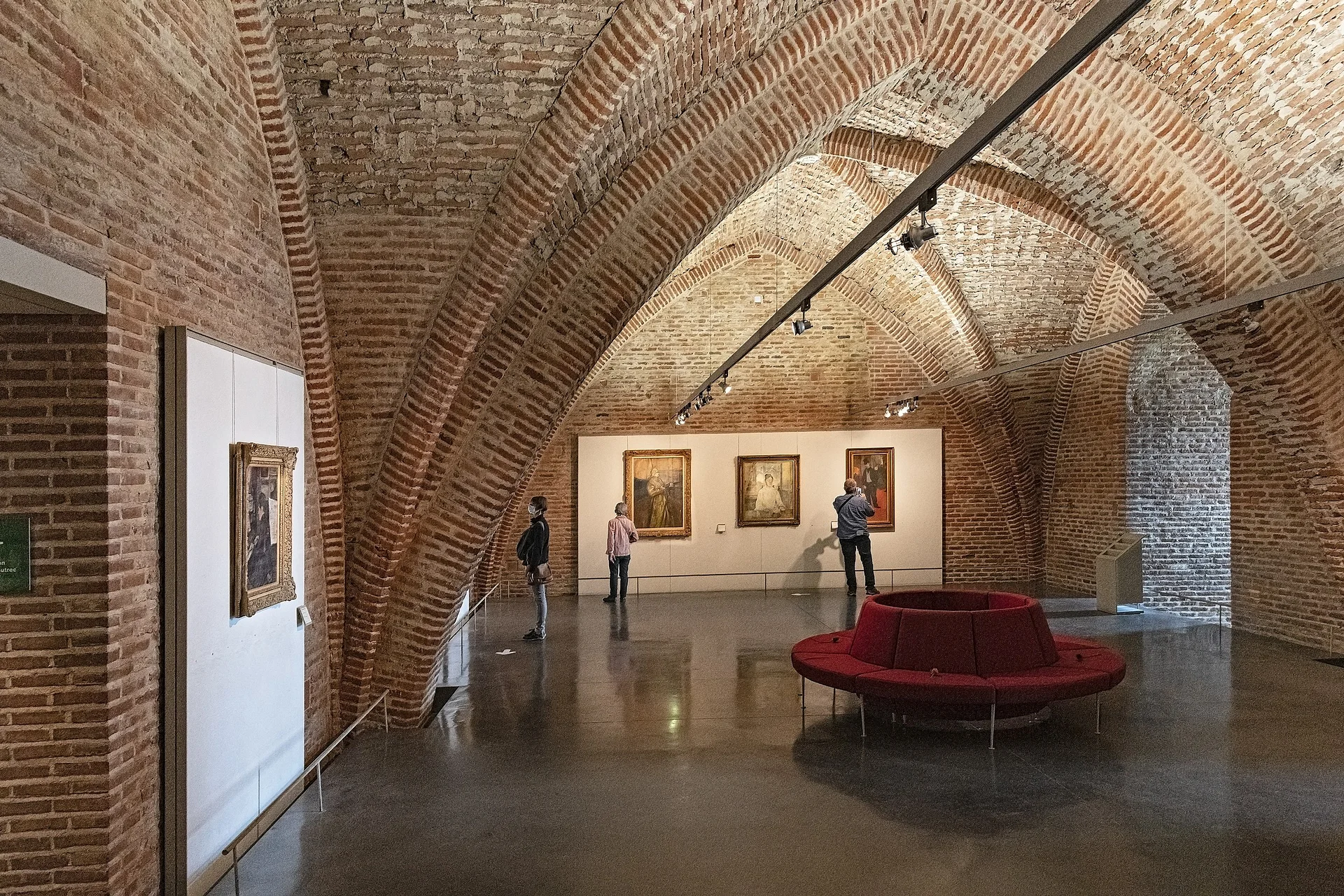
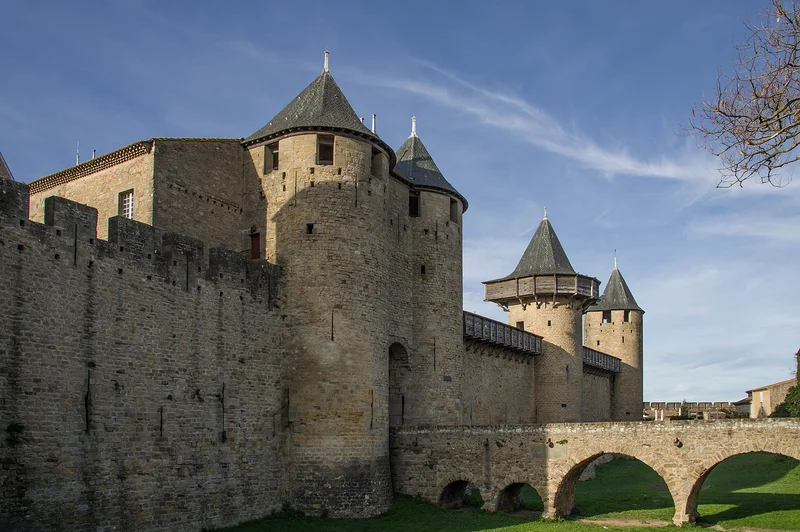
Albi was a real surprise. For me, it is without a doubt one of the most beautiful Occitan cities. I recommend it to those looking for a rich history and a strong identity. There are many superb buildings. I loved discovering the medieval architecture, the cathedral, and the proximity to the water. A gentle and relaxing atmosphere that feels great.