
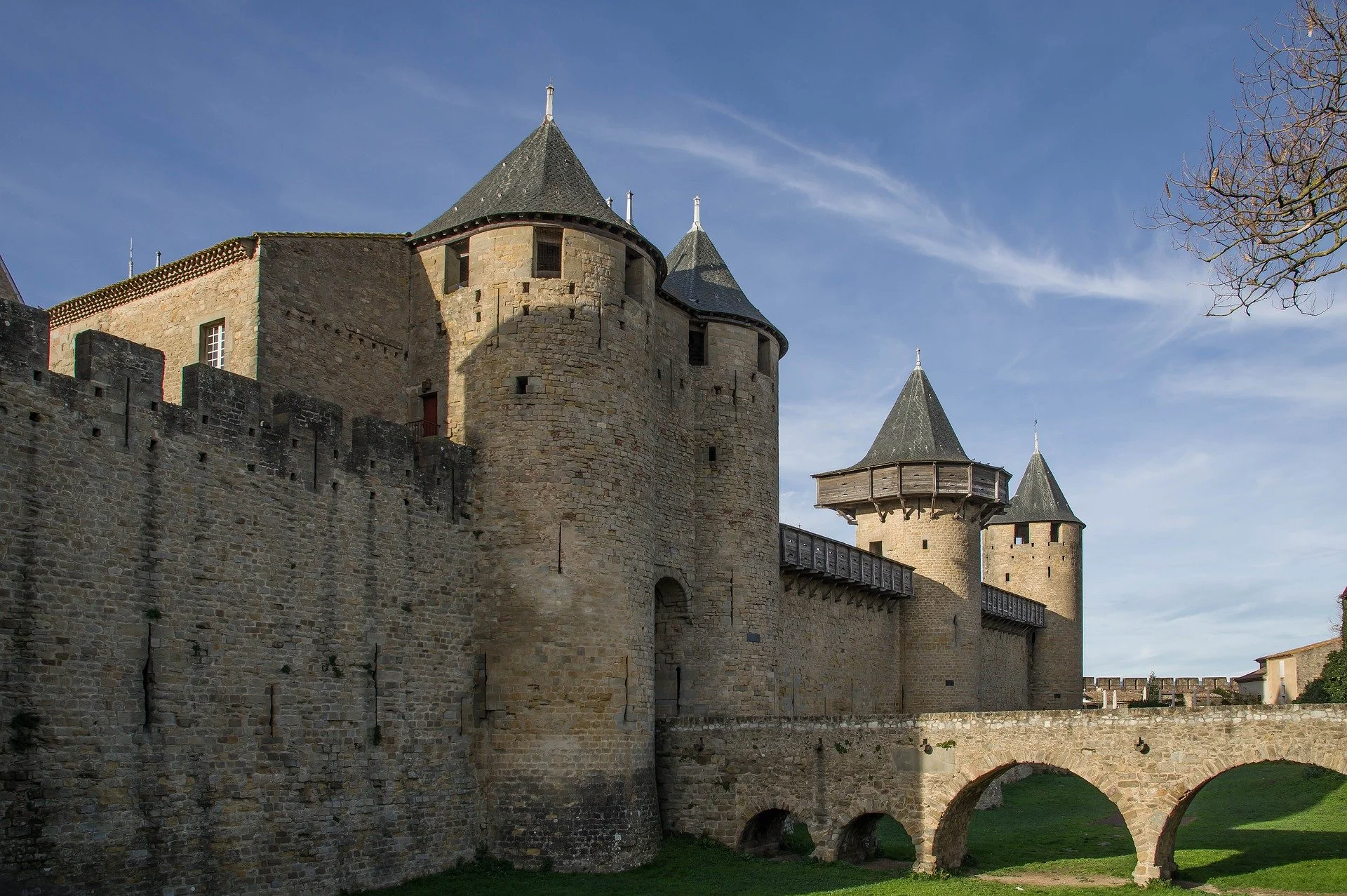
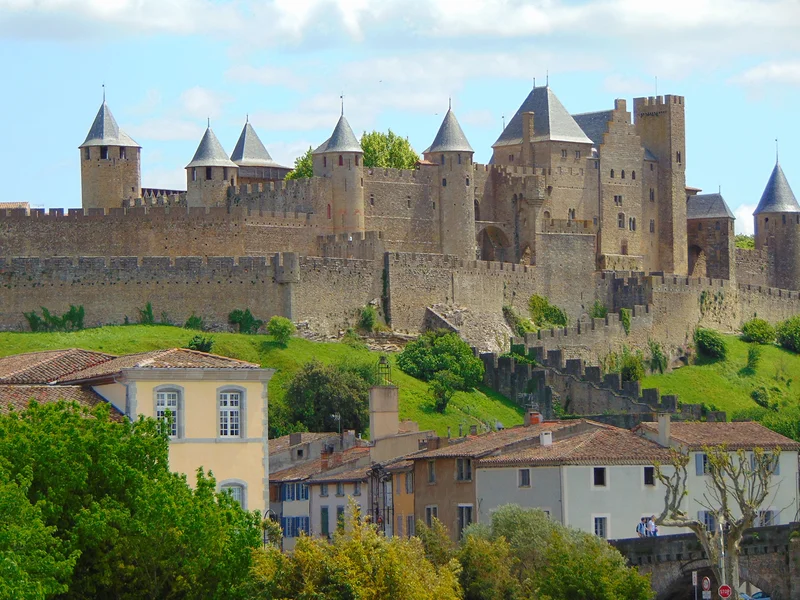
Carcassonne, where the Middle Ages refuse to step aside
The earliest rays of sunlight skim across the 52 towers of the Cité. The alleyways are empty, the silence almost surreal. In a few hours, three million annual visitors will wipe out that magic. For now, though, these stones that have watched Visigoths, Saracens, and Crusaders march past belong entirely to you.
Europe's largest medieval fortress rises above the Aude valley, intact since its restoration by Viollet-le-Duc in the 19th century. It is a monumental feat that still sparks debate among historians today, but one that delights travelers from all over the world.
A destination for history buffs and families looking for wonder
This city speaks first to those who want to touch history with their own hands. If you dream of ramparts, keeps, and cobblestone lanes, you will find plenty to love here. Families with kids will find a real-life playground where the youngest ones can easily imagine themselves as knights or princesses. As for photographers, you will have more than enough subjects to exhaust your memory cards.
On the flip side, if you want to avoid heavy tourist crowds, skip July and August. The Cité turns into an anthill where souvenir shops peddle plastic swords on every street corner. That commercialized atmosphere can ruin the experience for purists. Travelers searching for beaches or high-energy nightlife should also look elsewhere, as the Mediterranean is a solid hour's drive away.
A reasonable budget for the South of France
Plan for between $90 and $169* per day for a couple, depending on your accommodation style. Entry to the Cité itself is free, and only the Château Comtal charges admission: $15* from October 1 to March 31, $22* from April 1 to September 30. Restaurants inside the ramparts cater to tourists with set menus running $23-$34*, but the lower town offers easier on the wallet alternatives.
The medieval Cité: a guaranteed time travel experience
Recognized as a UNESCO World Heritage site since 1997, the Cité médiévale de Carcassonne impresses with its sheer scale. Its 3 kilometers of double curtain walls and dozens of towers create a complex unlike anything else in Europe. You enter through the Porte Narbonnaise, flanked by two massive towers that immediately set the scene.
The Château Comtal deserves a good hour and a half of your time. As the former residence of the Trencavel viscounts, it houses a lapidary museum and grants access to the inner ramparts. On a clear day, the view stretching toward the Pyrenees is worth the trip. Think about booking your tickets online to skip the line, especially in the summer.
Friendly tip: show up before 8:00 AM or after 6:00 PM to experience the Cité without the crowds. The empty alleys at sunset, when the stone turns golden and cats doze on window ledges, offer a completely different atmosphere from the daytime rush.
The Basilique Saint-Nazaire is a mandatory stop for its stained glass windows, which rank among the finest in the south of France. The building blends Romanesque and Gothic styles with surprising harmony. Make sure to exit through the less-traveled Porte d’Aude for a remarkable vantage point of the entire fortified complex.
La Bastide Saint-Louis: the other Carcassonne
While tourists crowd into the Cité, the lower town moves to its own rhythm. Built in the 13th century, the Bastide Saint-Louis reveals a more authentic side of Carcassonne. This is where locals do their shopping, sip their morning coffee, and simply live their lives.
Place Carnot hosts a colorful market on Tuesday, Thursday, and Saturday mornings. Wander between stalls of regional produce, sample fresh goat cheese, or pick up local olives. Saturday brings the peak energy. For a panoramic look over the Cité and the town, climb the 232 steps of the Église Saint-Vincent bell tower for a few euros.
The Art Deco architecture on certain boulevards provides a pleasant surprise. The tourism office offers a free self-guided walking tour featuring QR codes on the most notable facades. Just steer clear on Sundays, when this neighborhood completely powers down.
The Canal du Midi and surrounding areas
The Canal du Midi, another UNESCO site, cuts through Carcassonne at a gentle pace. Its banks, shaded by century-old plane trees, invite you to walk or bike along the water. You can also rent a boat without a license to cruise for a few hours.
Within 30 kilometers, several day trips are worth your time. Lastours and its four Cathar castles perched on a rocky ridge offer dramatic hiking panoramas. Minerve, a village perched above river gorges, combines a tragic Cathar history with local wine tastings. For sparkling wine fans, Limoux produces Blanquette, a bubbly said to have inspired champagne long before Dom Pérignon.
Friendly tip: the Lac de la Cavayère, just 15 minutes away by car, is the ideal summer escape. Lifeguard-monitored swimming, picnic areas, and shaded walking paths give you a break from the heat of the Cité.
Where to eat and drink in Carcassonne?
Cassoulet reigns supreme. This hearty dish of white beans, duck confit, and Toulouse sausage hits the spot when temperatures drop. The Carcassonne version sometimes includes partridge. La Demeure du Cassoulet inside the Cité serves a solid rendition with an adjoining shop where you can buy jars to take home. Le Plô offers a quiet setting featuring a shaded courtyard.
For better value, head down to the lower town. Agapé, near the Pont Vieux, serves an 8-plate tapas menu for $29* in a relaxed vibe run by a passionate couple. La Table de Marie, right across the bridge, plates up careful cuisine around $32*. If you are staying at the Auberge de Jeunesse, their cassoulet menu at $15* including sangria and dessert is unbeatable.
On the wine front, the region claims 8 appellations. The Corbières and Minervois pours pair perfectly with the local cooking. The Place Carnot market is the prime spot to hunt down a bottle straight from the winemaker.
How to get to and around Carcassonne?
The Carcassonne train station sits a 30-minute walk from the Cité, or a 10-minute shuttle ride. From Toulouse, expect a 50-minute train ride costing around fifteen euros. From Montpellier, the trip takes under two hours. Paris is reachable in under 6 hours via the TGV.
The Carcassonne airport handles low-cost flights from several European cities, notably via Ryanair. By car, the city sits right off the A61 highway between Toulouse and Narbonne, 95 km from the former and 60 km from the latter.
Once you arrive, everything is walkable. Paid parking lots ring the Cité, costing $6.80 to $9* for the day. The underground parking garage at Square Gambetta in the lower town offers a less crowded option, from which you can reach the ramparts via a pleasant uphill walk.
When to go?
Spring, from April to June, and fall, from September to October, strike the best balance between pleasant weather and manageable crowds. Summer stays very hot and packed unless you are specifically coming for the Festival de Carcassonne in July or the Embrasement de la Cité, the July 14th fireworks show that pulls in up to 700,000 spectators.
Winter has its own perks: the streets are empty, prices drop, and the Magie de Noël transforms the Cité into a fairytale setting from mid-November to late December. The only drawback is that some businesses trim their hours.
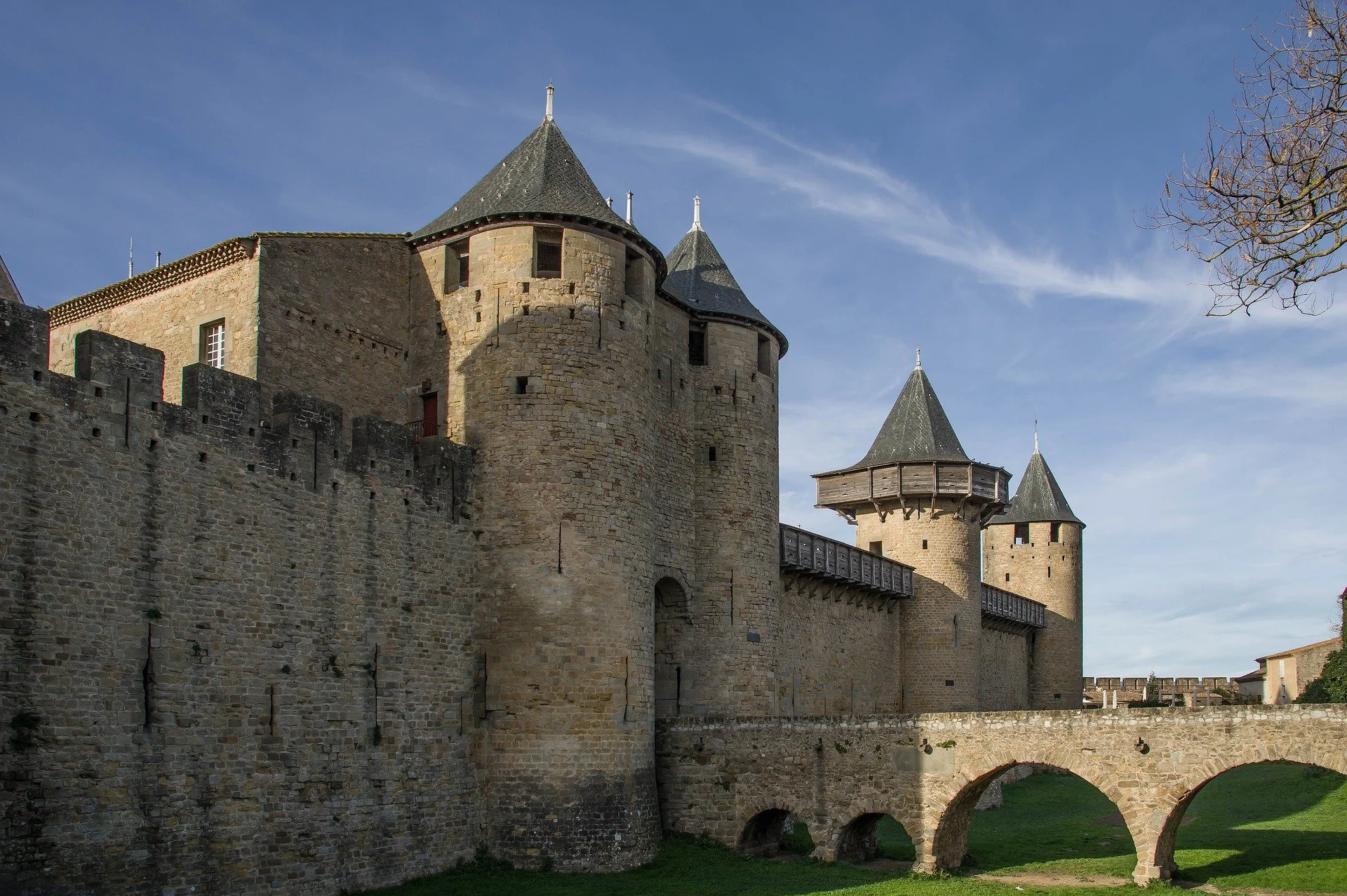
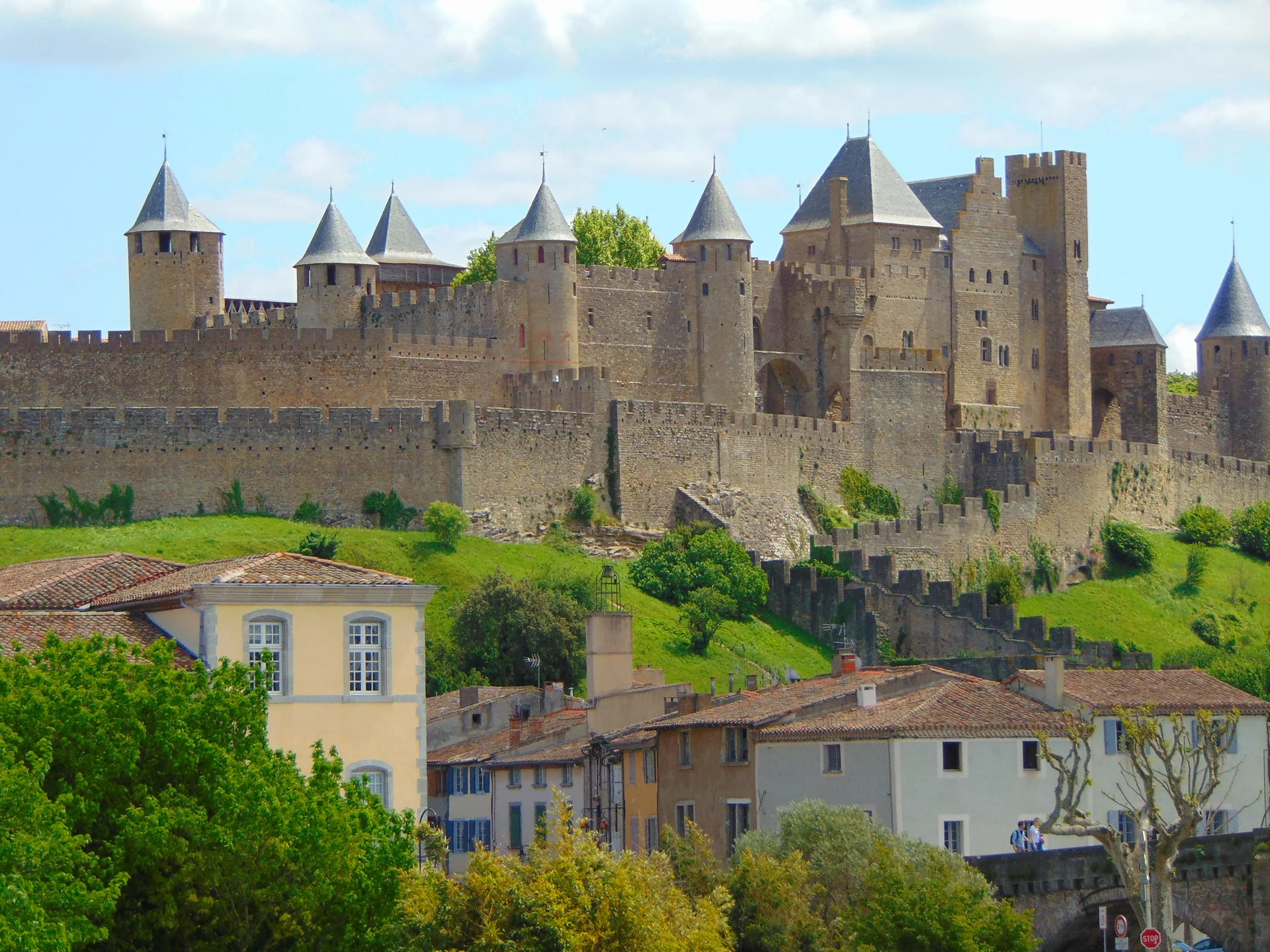
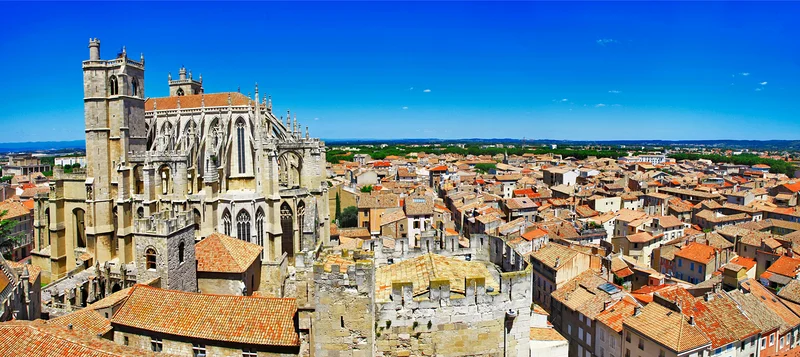
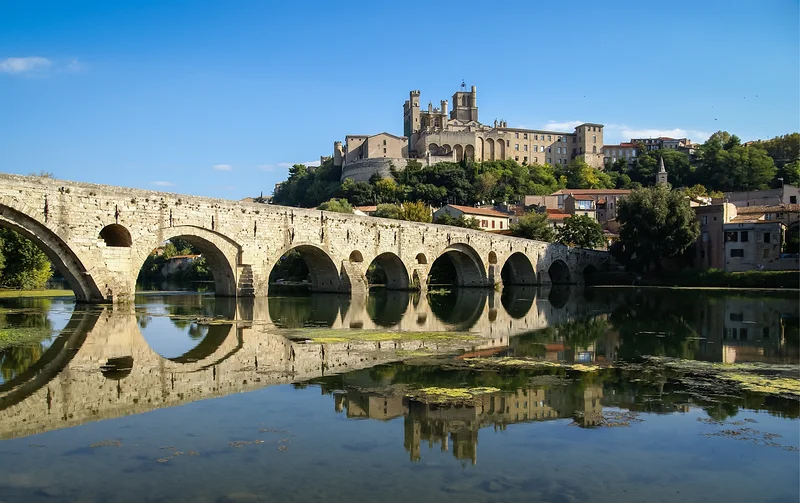
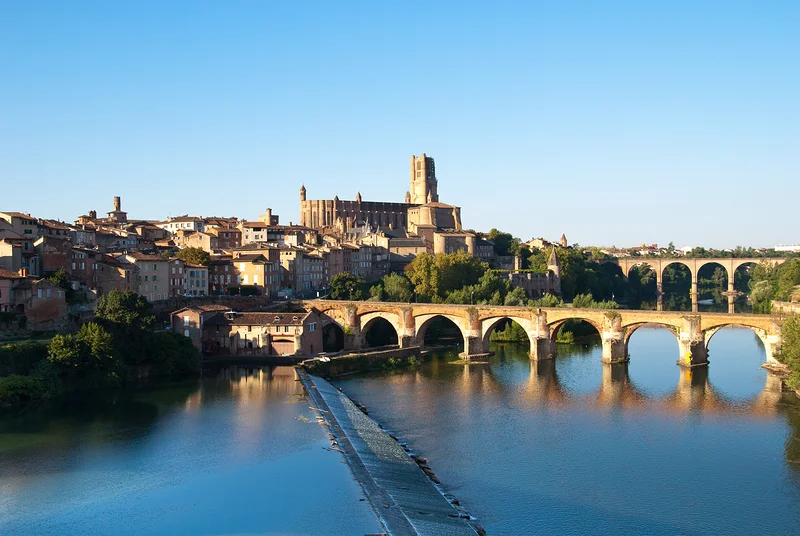
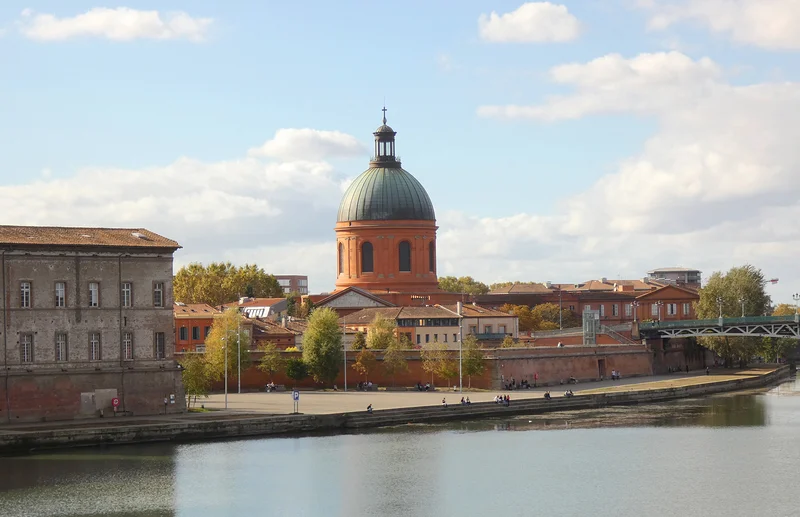
The city of Carcassonne is still entirely surrounded by ramparts that you can walk along. I was impressed by how well it is preserved. It is a city that you absolutely must visit. If possible, avoid the summer season because there are huge crowds. Try to go early in the morning to avoid the rush. Some restaurants are also real tourist traps, so watch out.