
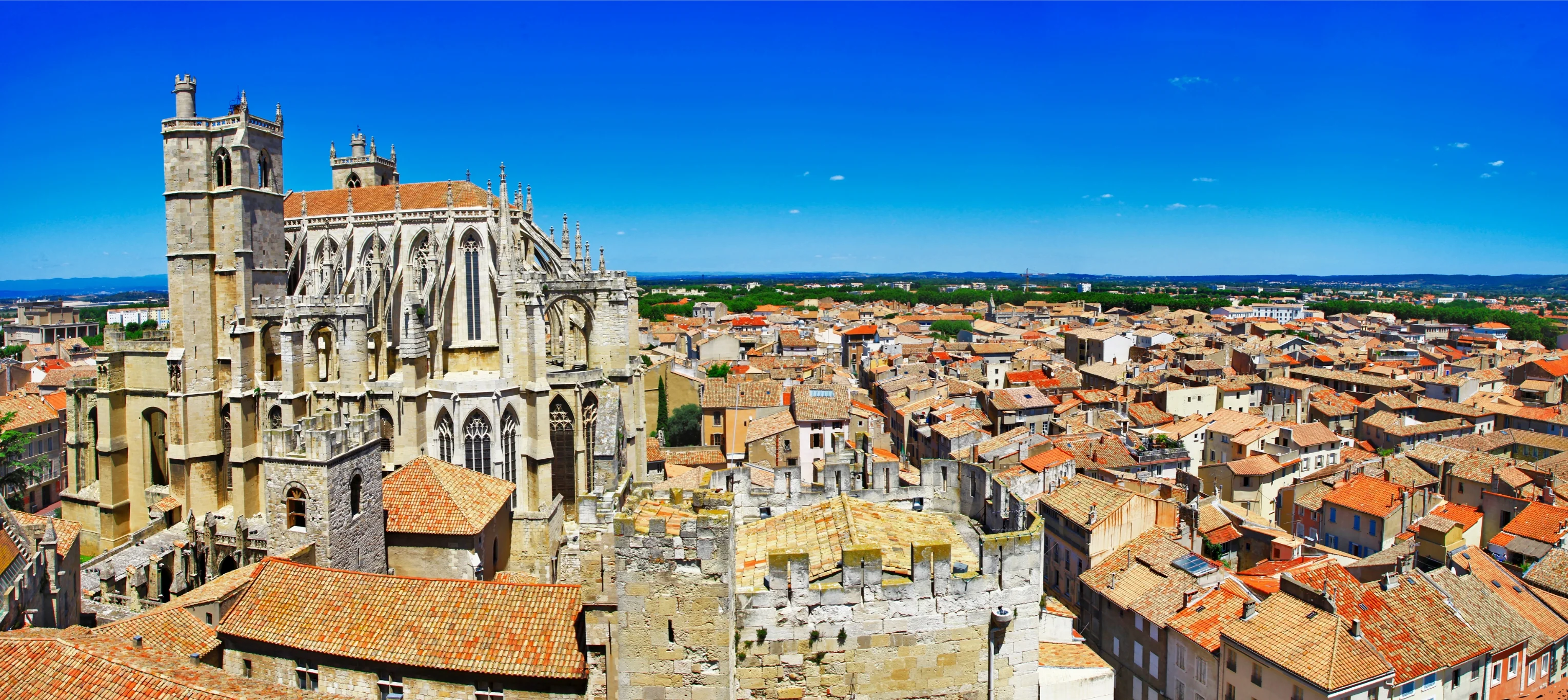
Visiting Narbonne, where Roman history meets the Mediterranean
Located in the Aude department, Narbonne balances deep historical roots with a relaxed coastal lifestyle. Once the capital of Roman Gaul, the city preserves its ancient past while offering a modern, easygoing pace of life set between canal paths, sandy beaches, and local vineyards.
A historic center with many layers
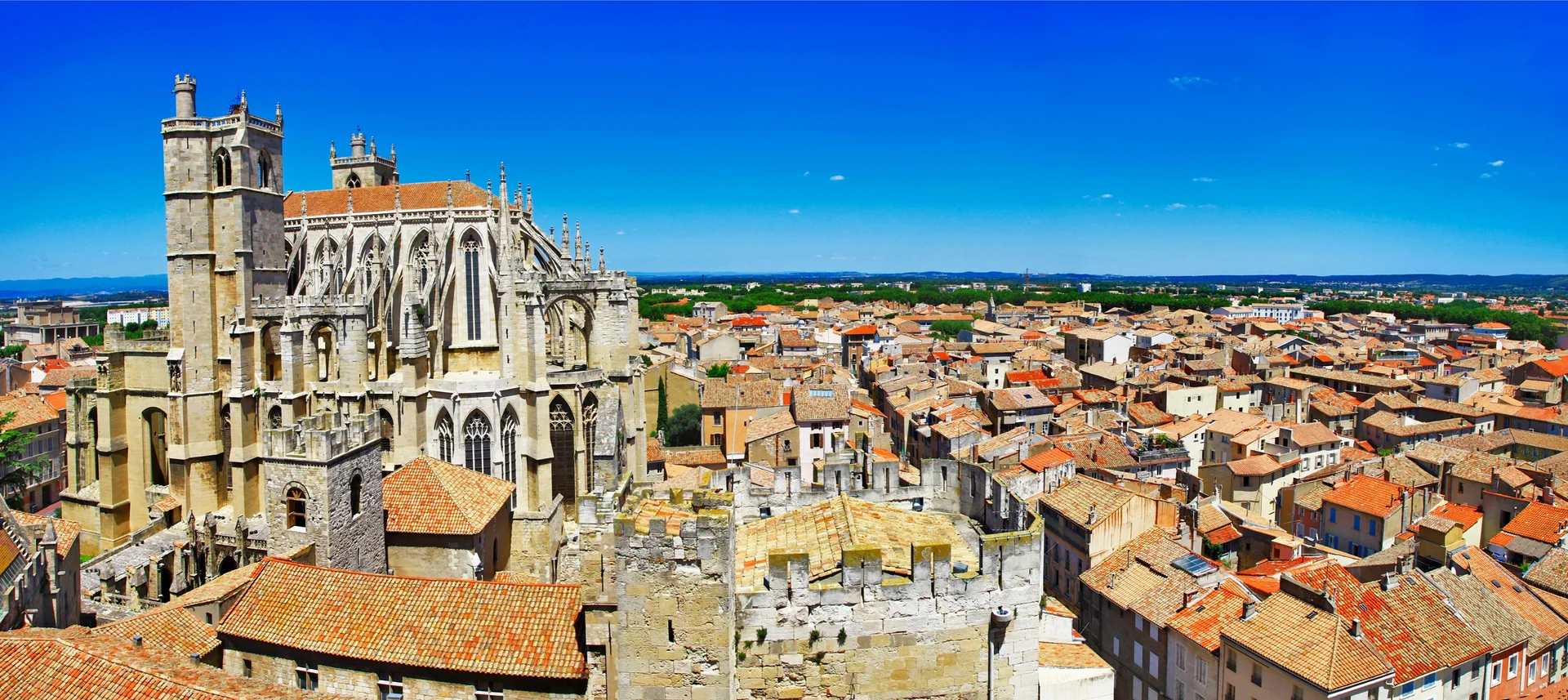
The best way to see the heart of Narbonne is on foot. You will find the Via Domitia, a preserved section of the ancient Roman road, alongside the Palais des Archevêques and the Cathédrale Saint-Just-et-Saint-Pasteur, where the vaulted ceilings soar over 130 feet high. If you are up for the climb, the Donjon Gilles Aycelin offers a panoramic view of the city after you summit its 162 steps.
The Canal de la Robine: A quiet escape
A UNESCO World Heritage site, the canal de la Robine cuts through the city, linking the Canal du Midi to the Mediterranean. It is lined with plane trees and perfect for a slow walk or a bike ride. Keep an eye out for the pont des Marchands, one of the few remaining bridges in France that is actually built upon, featuring colorful houses that span the water.
Les Halles: The city’s culinary pulse
The Halles de Narbonne, a covered market dating back to 1901, is the primary destination for local ingredients. Open daily, it houses about 60 vendors selling everything from seasonal produce and butcher-cut meats to fresh seafood and regional specialties. It is also an ideal spot to grab a casual bite to eat right at the counter.
An opening to the sea
About 9 miles from the city center, Narbonne-Plage provides a long stretch of fine sand and shallow water that feels a lot like the family-friendly beaches you might find in parts of the Carolinas. The area also offers plenty of water sports and hiking trails throughout the rugged Massif de la Clape.
Flavors of land and sea
Narbonne's food culture pulls from both its inland vineyards and the nearby coast. Signature dishes include tielle narbonnaise, a savory pie filled with spicy octopus, and anguille à la gruissanaise, prepared with tomatoes and fresh herbs. Round out your meal with huîtres de Leucate (Leucate oysters) and a glass of muscat de Rivesaltes.
Where to eat?
- Les Grands Buffets (Espace Liberté district): An all-you-can-eat establishment focusing on traditional French cuisine in a polished, formal setting.
- Le Petit Comptoir (city center): A restaurant serving elevated, refined dishes based on seasonal local ingredients.
- Chez Bebelle (Les Halles): A lively, casual spot where the chefs cook ingredients sourced directly from the surrounding market stalls.
- La Table de Lionel Giraud (La Mayolle district): A Michelin-starred destination offering a high-end gastronomic experience centered on regional terroir.
When to go?
Narbonne enjoys a Mediterranean climate with hot summers and mild winters. The period from May through September is the best time to take advantage of the beaches and local events, such as Barques en scène in August, three days of concerts and street arts in the city center.
How to get there?
Narbonne is reachable by train from Paris (about 4.5 hours) and Barcelona (about 2 hours) via TGV and Intercités lines. If you are driving, the A9 motorway connects the city to major southern hubs. The Béziers-Cap d'Agde airport is about 45 minutes away and handles a selection of domestic and European flights.
How to get around?
The city center is very walkable, and a local bus network covers the outer neighborhoods. To reach the beaches or the surrounding wine country, a rental car remains the most practical choice.
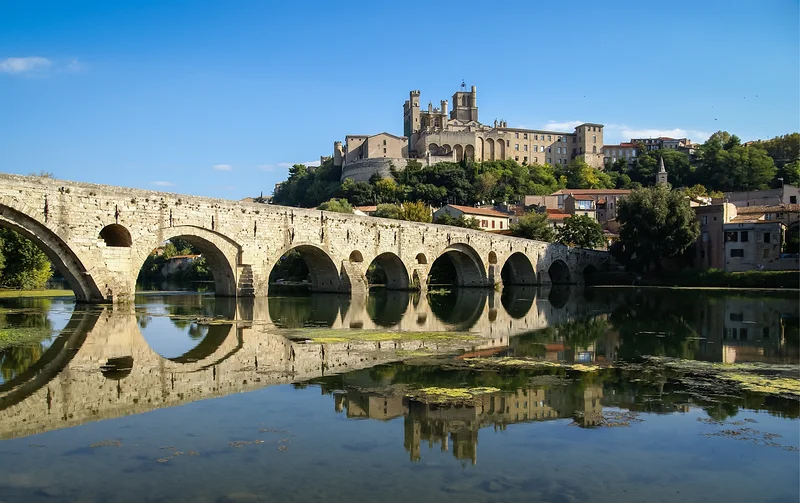
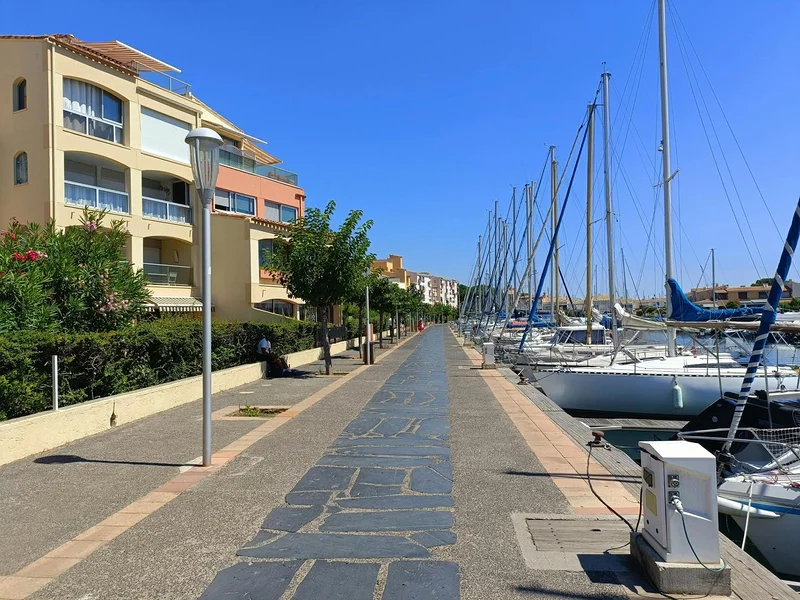
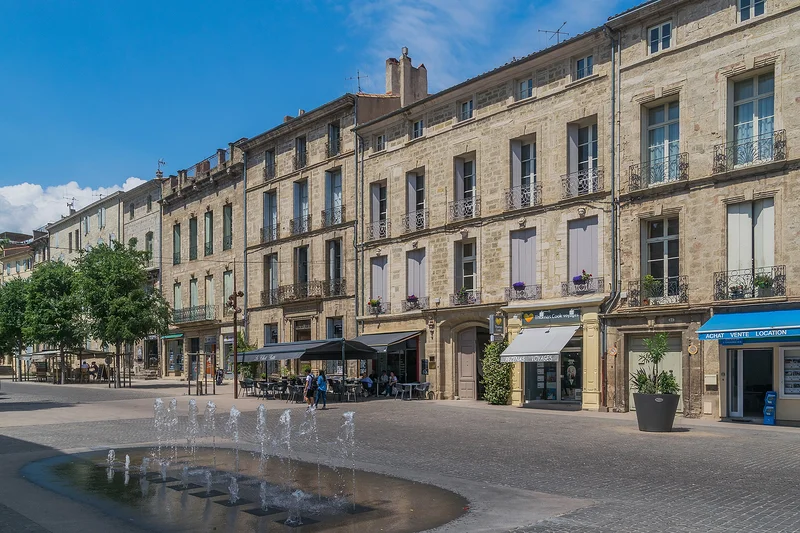
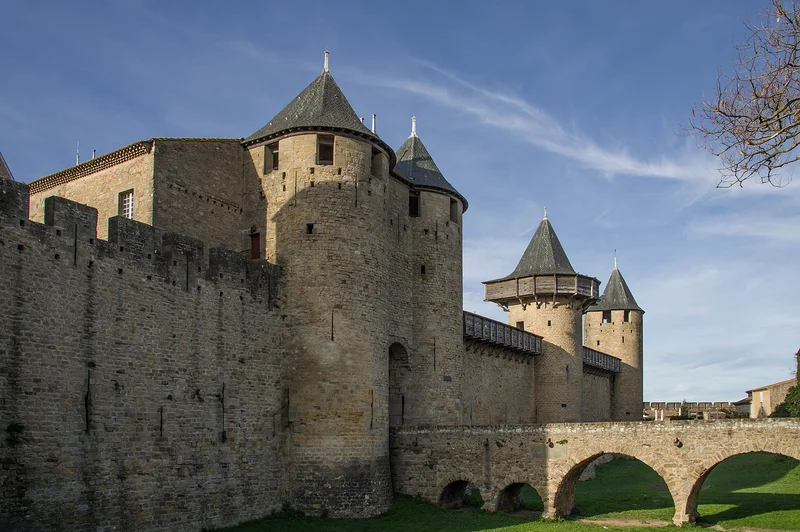
A very pretty city with beautiful medieval and ancient monuments. The main sites are accessible on foot in the city center. There are also lots of good restaurants for every taste. You can see the essentials in one day. I also highly recommend taking a boat trip. Be careful if you go by train, as the line between Marseille and Bordeaux is known for frequent delays.