Visiting Bolivia: Wild Landscapes and Andean Traditions
Bolivia is landlocked, altitude-slapped, and unlike anywhere else in South America. The country shifts from high-altitude plains to tropical rainforest to whitewashed colonial cities, and the indigenous Andean culture running through all of it feels genuinely intact, not staged for tourists.
La Paz: The City That Takes Your Breath Away (Literally)
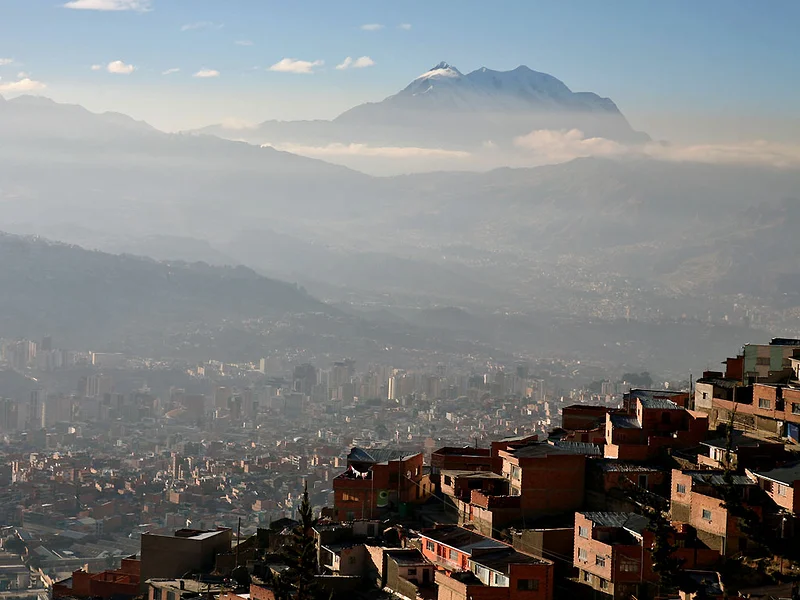
At over 11,800 feet above sea level, La Paz is one of the highest capital cities on the planet. Give yourself a day to acclimatize before doing much of anything. Once you find your footing, the city rewards you: a gondola cable car system runs above the rooftops and gives you a full panoramic look at how this place is built into the mountains. Down in the streets, the Witches' Market sells traditional remedies, ritual objects, and dried llama fetuses used in Andean spiritual offerings. Just outside the city, the Valley of the Moon is a surreal stretch of eroded clay formations that looks like a miniature badlands.
Salar de Uyuni: The Biggest Salt Flat on Earth
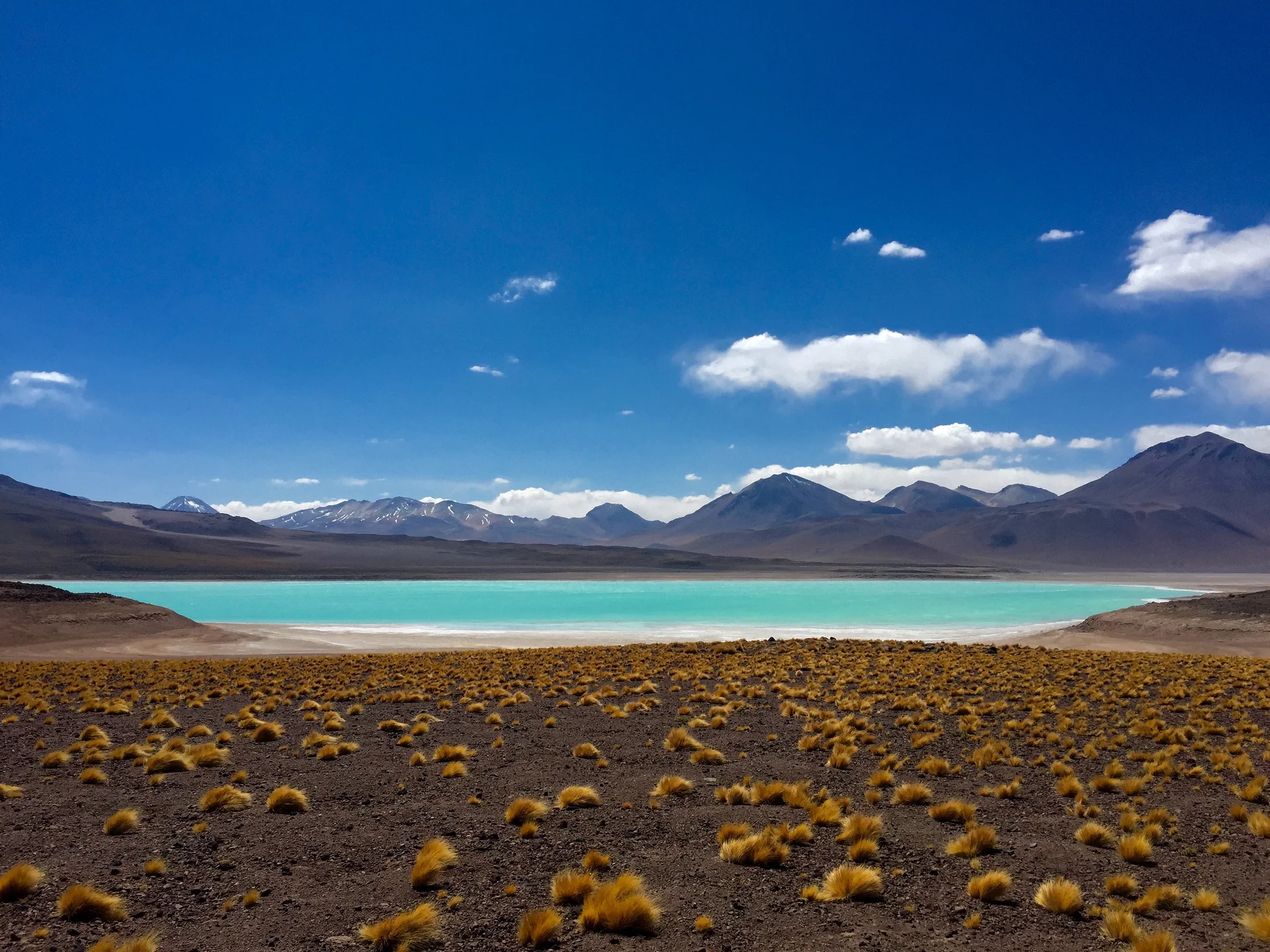
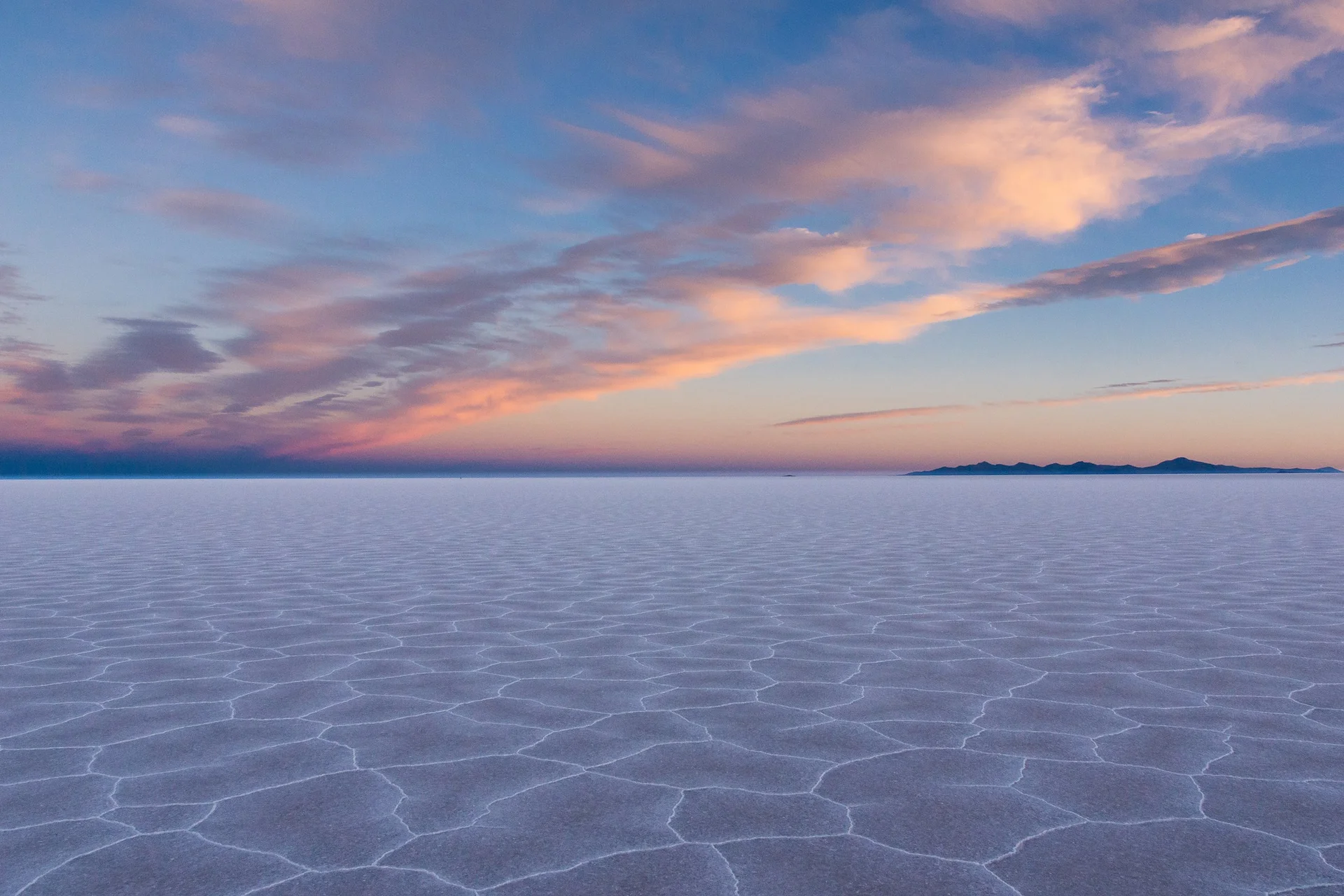
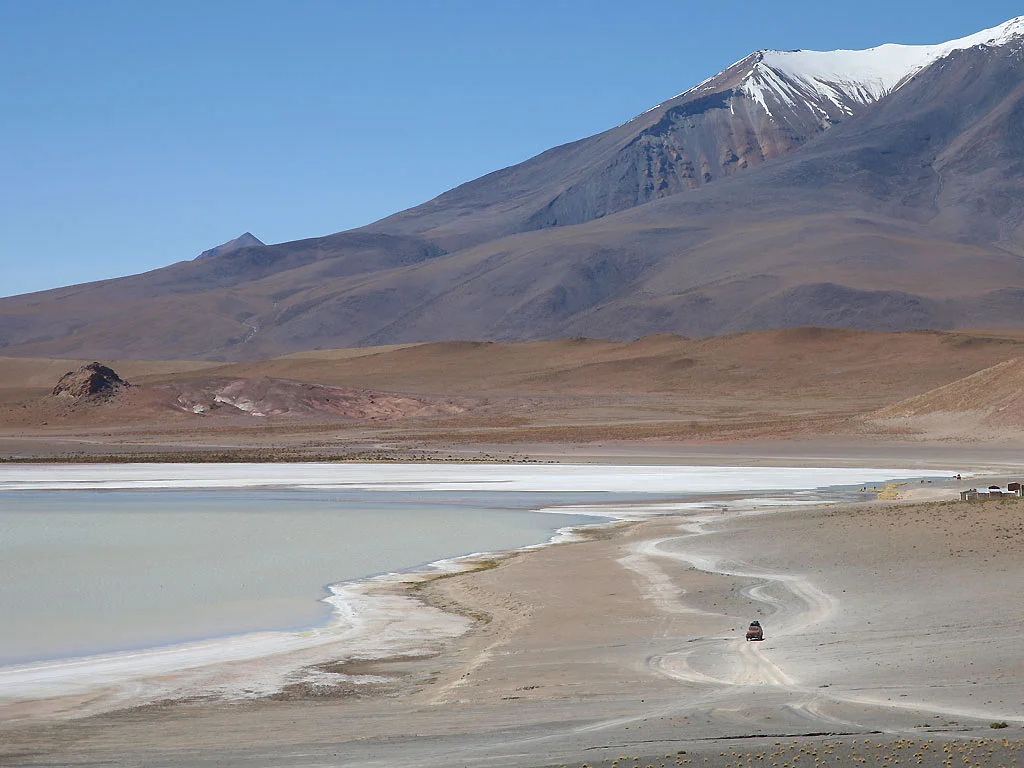
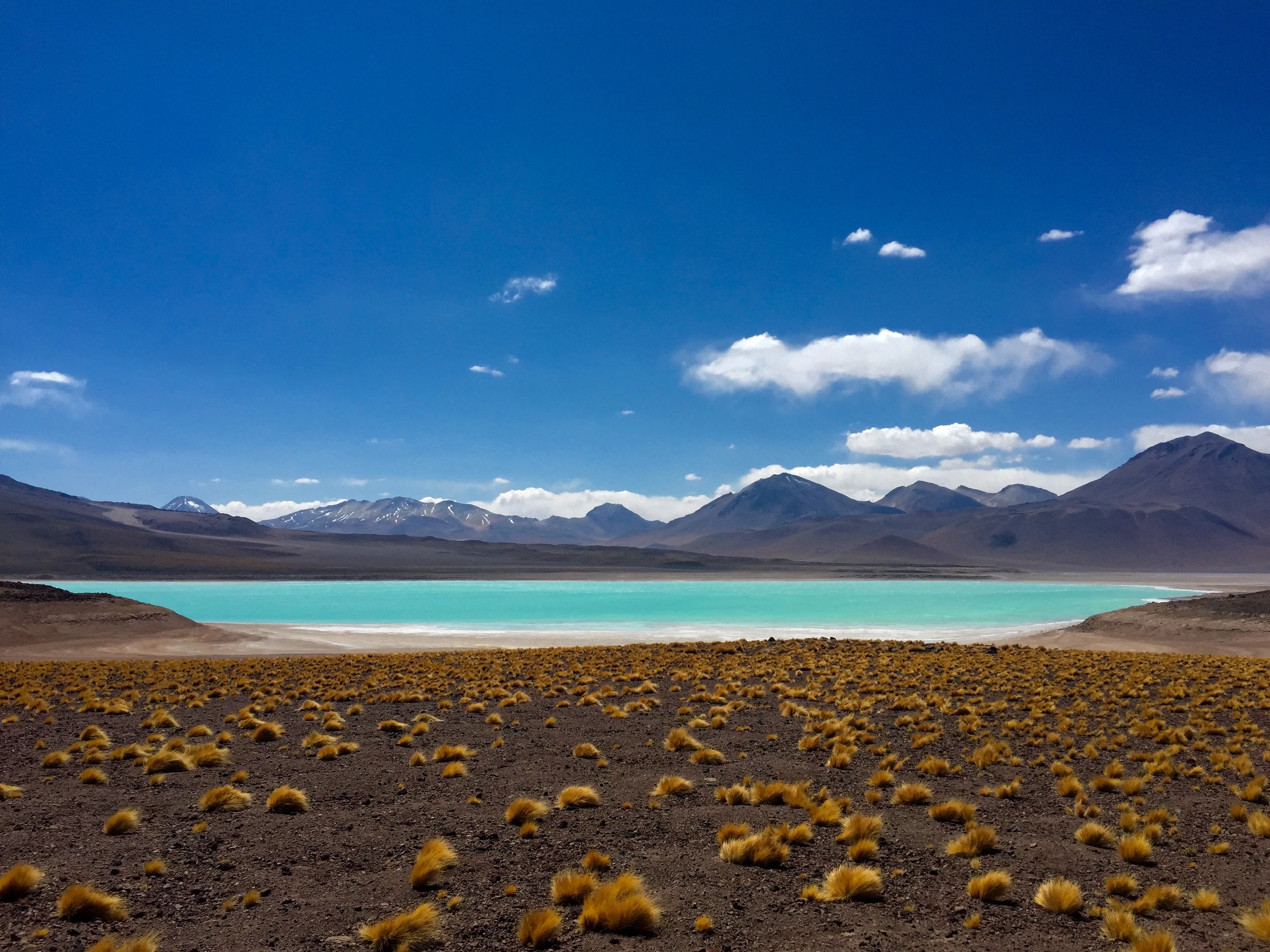
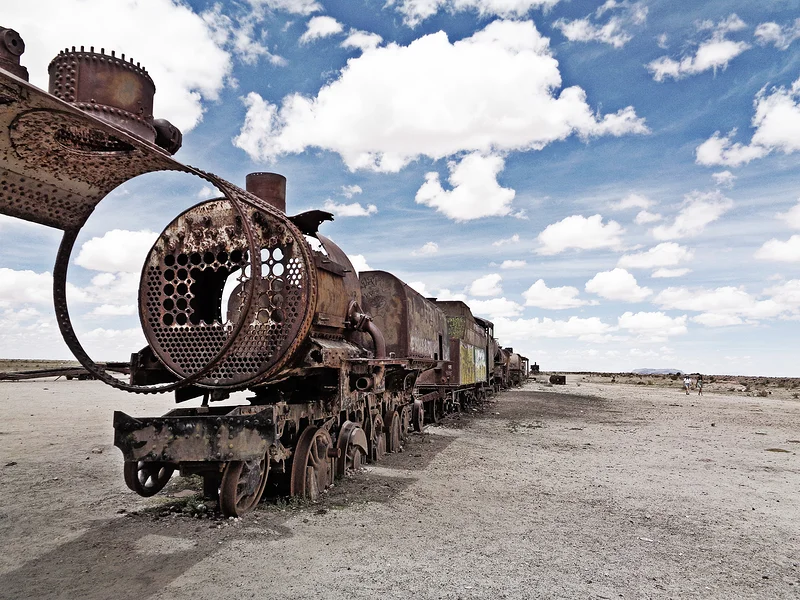
In the southwest, the Salar de Uyuni covers over 4,000 square miles of blinding white salt crust. During the dry season it's an otherworldly expanse; after the rains (roughly November through April), a thin layer of water turns the entire surface into a near-perfect mirror reflecting the sky above. It's one of those places that actually lives up to the photographs. Tours from the town of Uyuni also take you to Incahuasi Island, a rocky outcrop covered in giant cacti rising out of the salt, plus the region's colored lagoons and active geysers.
Colonial Cities: Sucre and Potosí
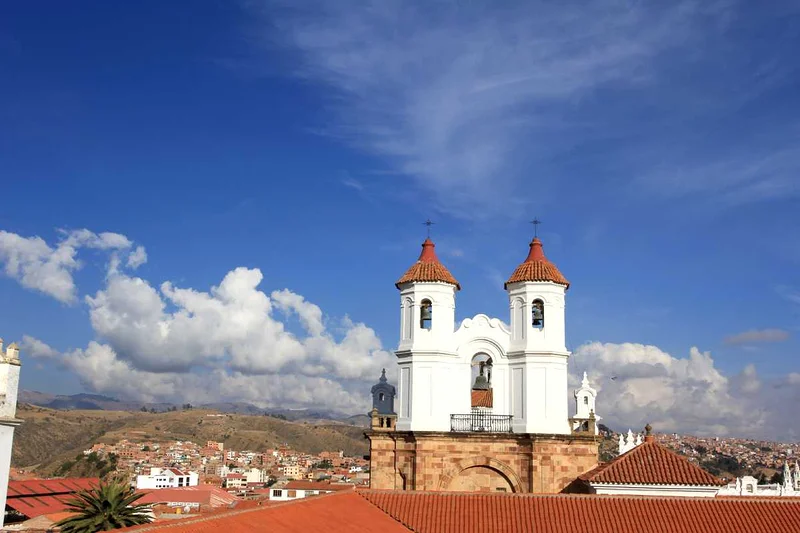
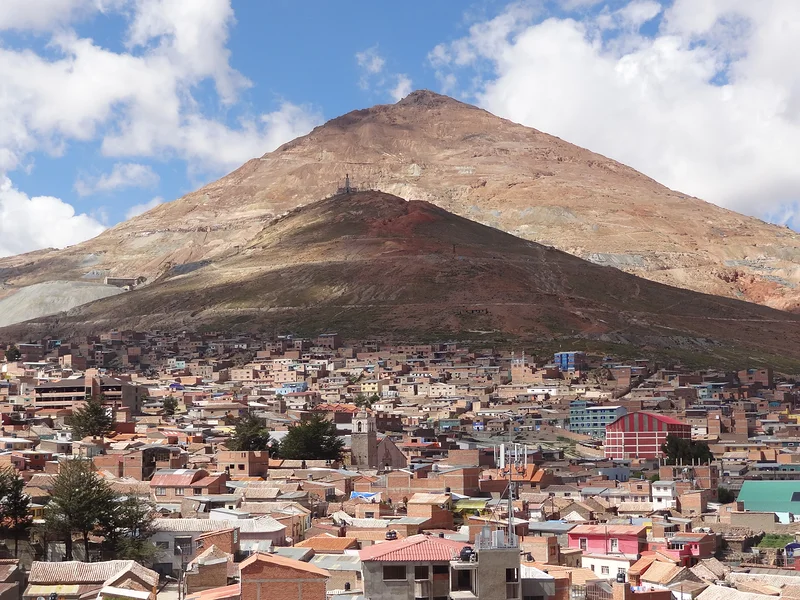
Sucre, Bolivia's constitutional capital, is compact and walkable, with lime-washed colonial architecture and a handful of solid museums covering the country's history. It's one of the more relaxed cities in Bolivia and a good base for a few days. Further south, Potosí sits at over 13,000 feet and was once one of the wealthiest cities in the world, built on silver mining. The colonial legacy is visible everywhere, though the mines are still operating today under difficult conditions.
The Bolivian Amazon: More Than You'd Expect
Most people don't think of Bolivia as an Amazon destination, but a significant chunk of the country is rainforest. The gateway is Rurrenabaque, a small town reachable by short flight or a very long bus ride from La Paz. From there, you can go deep into Madidi National Park, one of the most biodiverse protected areas in the world, or take a boat through the pampas and spot caimans, pink river dolphins, and howler monkeys along the riverbanks.
Bolivian Food: Simple, Filling, and Worth Knowing
Bolivian cooking draws on Andean staples and Spanish colonial influence. The salteña is the snack you'll eat every morning: a baked pastry filled with spiced meat in a juicy sauce, somewhere between an empanada and a pot pie. Llajwa is the go-to condiment, a fresh tomato-and-chile salsa that shows up on almost every table. Silpancho is a hearty main: a thin breaded beef cutlet served over rice with fried eggs. On the drinks side, mate de coca (coca leaf tea) is the standard recommendation for altitude sickness, and it genuinely helps. Chicha, a fermented corn drink, is the traditional choice at festivals.
When to Go
May through October is the dry season and the most practical time to visit, especially if the Salar de Uyuni or trekking in the Andes is on your list. The rainy season runs November through April; roads can get rough and some routes become impassable, but that's also when the salt flat transforms into that famous mirror effect. If you're in Bolivia in August, the Virgen de Urkupiña festival in Cochabamba is one of the country's largest cultural events, drawing hundreds of thousands of pilgrims.
Getting There
There are no nonstop flights from the US to Bolivia. The most common routing goes through Miami or another hub, connecting into La Paz (El Alto International Airport) or Santa Cruz de la Sierra. Round-trip fares from the US typically run $800 to $1,400 depending on the season and how far in advance you book.
Getting Around
Bolivia is big and the roads are slow, so domestic flights are worth it for covering long distances fast. Buses are the backbone of local travel and are cheap but often uncomfortable, especially on mountain routes. In cities, taxis are easy to find, and shared minibuses called trufis run fixed routes for just a few bolivianos (well under $1) per ride.