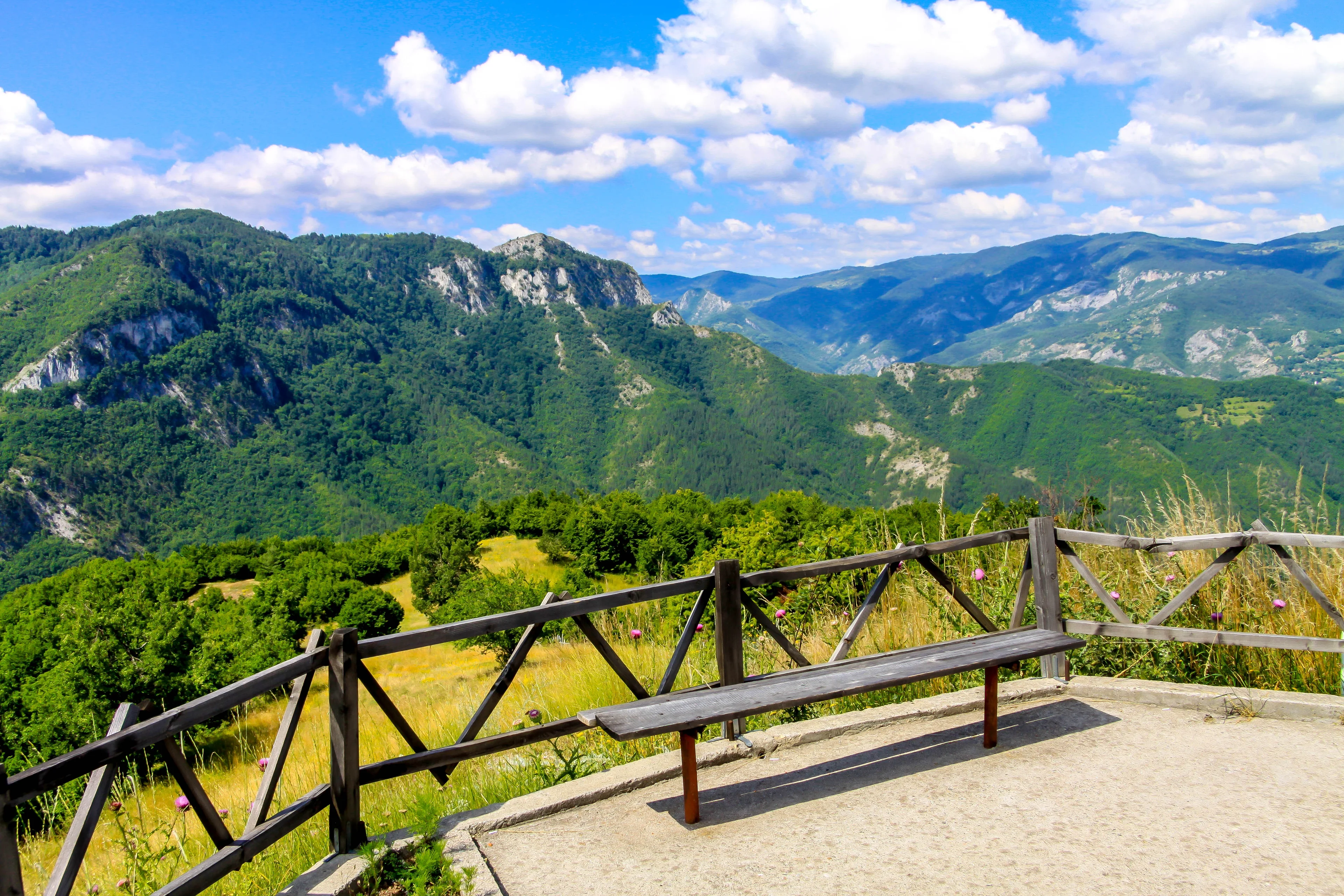
Bulgaria: Europe's Best-Kept Secret
The oldest worked gold in the world was unearthed near Varna on the Bulgarian coast. Seven thousand years ago, the goldsmiths of the Varna culture were already crafting jewelry with a level of detail that modern jewelers struggle to match. Bulgaria carries this history in every stone, every clifftop monastery, and every valley where brown bears still roam. It is a country that does not scream for attention, but slowly wins over those who take the time to look.
A Destination Built for the Curious, Not the Rushed
This southeastern European nation is built for travelers who like to dig deeper, get off the beaten path, and accept a few rough edges in exchange for pure authenticity. If you are after Swiss efficiency or the standardized comfort of major European capitals, Bulgaria might catch you off guard. Trains run slow, English signage is spotty in rural areas, and restaurant service can feel blunt at first contact.
On the flip side, if you appreciate remote mountain hikes where you will not see another soul, Roman ruins where you might be the only visitor, hearty meals for pocket change, and chats with locals who gladly pour a glass of homemade rakia, you are in the right spot. Bulgaria shines for alpine hikers, fans of ancient and medieval history, budget travelers, and anyone looking to dodge the tourist hordes.
Who Might Find Bulgaria Disappointing
Beachgoers chasing postcard-perfect tropical shores will find the Black Sea coast adequate, but nothing that touches Greece or Croatia for raw natural beauty. Travelers who speak neither English nor a Slavic language will hit communication walls outside the cities. Anyone with zero patience for sudden schedule changes will find the local infrastructure occasionally trying.
What to Know Before You Go
Bulgaria is an EU member and has adopted the euro, so prices are quoted and paid in euros. Credit cards work fine in big cities and tourist spots, but keep cash on hand for rural spots and mom-and-pop taverns. The Cyrillic alphabet can throw you off at first, though major tourist areas usually add Latin lettering on signs.
Younger Bulgarians generally speak English, while older generations might know some Russian. The country is safe for visitors, solo female travelers included. The main nuisance to watch out for is taxi scams: stick to ride apps like OK Supertrans in Sofia or agree on the fare before jumping in.
A Genuinely Accessible Budget
Bulgaria remains one of the least expensive destinations in Europe. Plan on spending between $29 and $57* a day for a comfortable trip covering a 3-star hotel stay, sit-down meals, and transit. A full restaurant meal runs between $6.90 and $14*, a local beer costs around $2.30*, and a double room goes for $35 to $69* depending on the city and season.
The Mountains That Leave a Mark
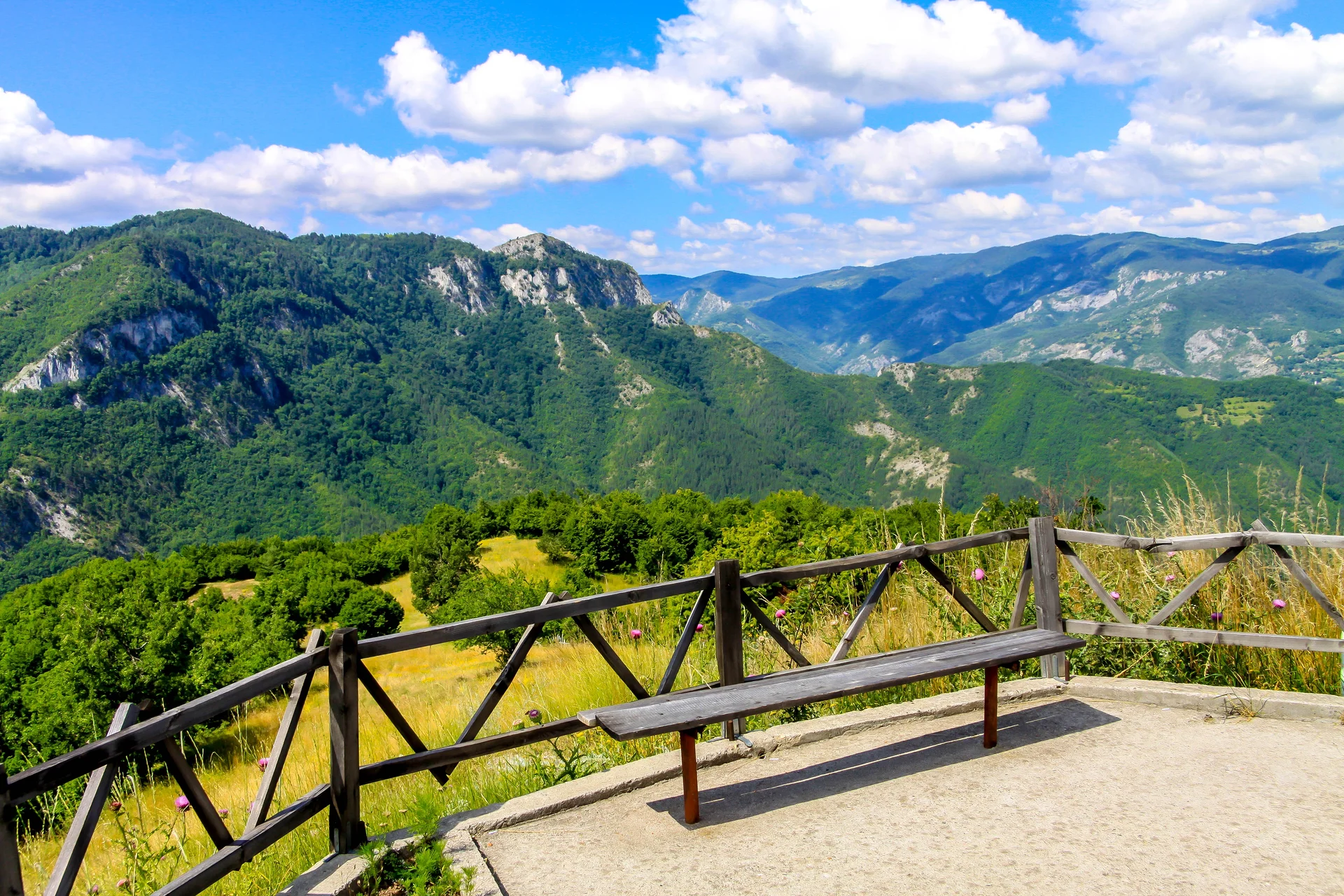
Bulgaria features seven distinct mountain ranges, some holding the highest peaks in the Balkans. Mount Musala in the Rila massif hits 9,579 feet and offers a doable climb for fit hikers. Still, it is the trek through the Seven Rila Lakes that draws outdoor enthusiasts from across the globe.
The Seven Rila Lakes
Stepped between 6,800 and 8,200 feet, these glacial lakes have vivid names like The Eye, The Kidney, and The Twin. A chairlift from the resort town of Panichishte gets you up the slope before you tackle a 6-mile loop that takes about 4 to 5 hours on foot. The sweet spot for hiking runs from late June through early September, once the snow melts and the mountain huts open up.
Friendly tip: Book a combined day trip to the Seven Rila Lakes and the Rila Monastery. Though they look close on a map, the mountain roads mean a two-hour drive between them.
The Rhodope and Pirin Mountains
Quieter and wilder, the Rhodopes feature dense pine forests that hide brown bears, wolves, and lynx. The Belitsa sanctuary takes in former dancing bears from a now-outlawed practice. The UNESCO-listed Pirin National Park draws serious hikers with rugged Vihren peak at 9,560 feet and its scattering of high-altitude tarns.
Cities and Villages Worth the Detour
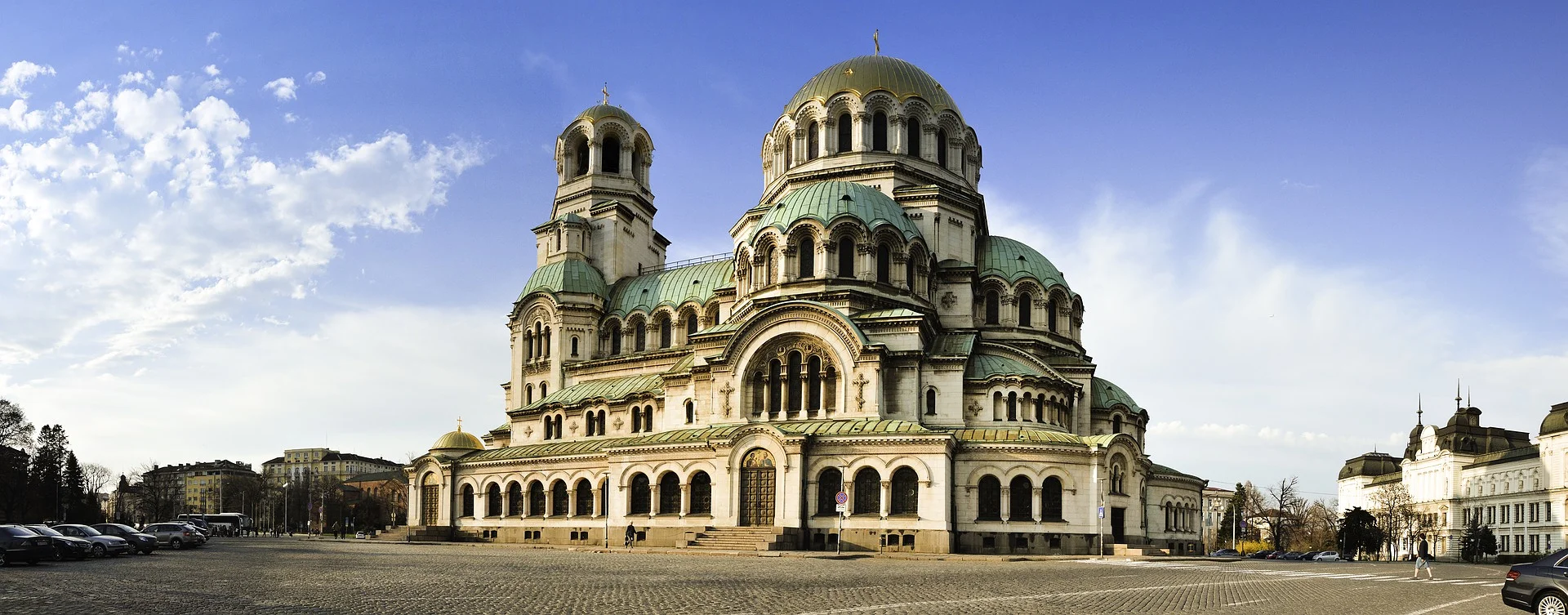
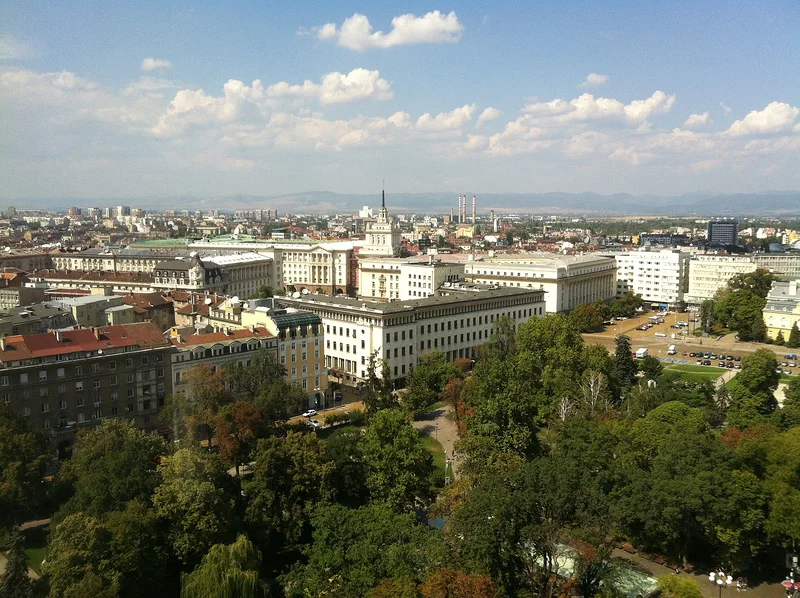
Sofia, the capital, does not charm you right away. Its appeal unfolds slowly across Roman ruins unearthed during subway construction, towering Orthodox cathedrals, and creative hubs taking over old industrial spaces. The Alexander Nevsky Cathedral, built to hold 10,000 people, anchors the city. Two days are plenty to cover the highlights before heading out to the rest of the country.
Plovdiv, the Cultural Rival
Plovdiv lays claim to being the oldest continuously inhabited city in Europe. Its 1st-century Roman theater, uncovered only in 1970, still hosts summer concerts. The Kapana neighborhood, an old artisan district turned creative zone, packs coffee shops, galleries, and eateries into a maze of cobblestone alleys. The city served as a European Capital of Culture in 2019 and holds a creative momentum that Sofia keeps an eye on.
Veliko Tarnovo, the Medieval Capital
Once the seat of the Second Bulgarian Empire, Veliko Tarnovo clings to the cliffs above the Yantra River. The Tsarevets fortress overlooks the town and puts on a sound-and-light show on summer evenings. The stacked traditional houses share a hillside aesthetic with Porto, and the student population keeps the nightlife lively despite the compact size.
Friendly tip: The village of Koprivshtitsa, halfway between Sofia and Plovdiv, deserves a few hours for its colorful 19th-century houses and its pivotal role in the Bulgarian independence movement.
Treasures of History and Spirituality
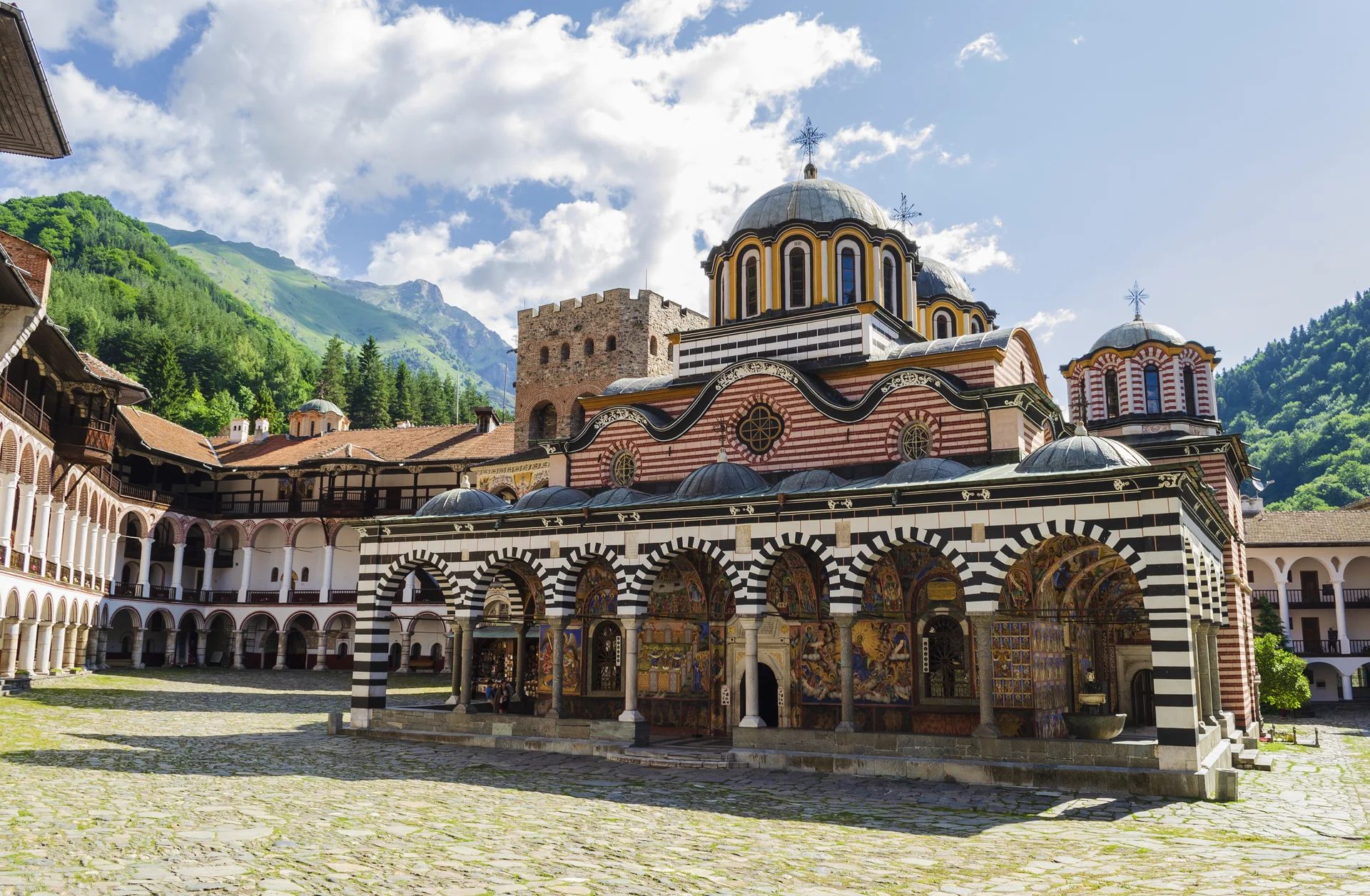
The Rila Monastery, founded in the 10th century, stands as the country's most visited spiritual site. Its vivid frescoes, striped arches, and mountain setting make it unique. As a UNESCO site, it acted as a cultural sanctuary through centuries of Ottoman rule. Dress modestly with covered shoulders and knees to step inside the church.
The Thracian Tombs
The Thracians, an Indo-European people tied to the ancient Greeks, left massive royal tombs across the countryside. The Kazanlak Tomb in the Rose Valley features remarkably preserved burial paintings. Further north, the Sveshtari Tomb stuns visitors with female caryatids carved straight into the limestone walls.
Rock-Hewn Churches and Cliff Monasteries
The Rock Churches of Ivanovo, carved into sheer limestone above the Rusenski Lom river, hold medieval frescoes that anticipated the Italian Renaissance. The cliffside Aladzha Monastery near Varna offers sweeping views out over the canopy.
The Black Sea Coast
Bulgarian beaches pull in millions of summer vacationers every year, mostly from Eastern Europe. The coast splits between large resort strips and a few preserved coastal towns.
Nessebar and Sozopol
Nessebar sits on a rocky peninsula tied to the mainland by a narrow causeway, packing dozens of medieval churches into a tiny footprint. It is a UNESCO site that gets very busy in July and August. Sozopol, further down the coast, delivers a similar historic vibe with fewer crowds and plenty of small seafood taverns.
Varna, the country's third-largest city, mixes urban sand beaches with archaeological museums and summer nightlife. The archaeology museum houses the Varna gold, recognized as the oldest processed gold treasure on earth.
Bulgarian Cuisine: Bold and Hearty Flavors
Bulgarian cooking favors fresh produce, grilled meats, and dairy. Meals traditionally kick off with a shopska salata, a mix of diced tomatoes, cucumbers, peppers, and onions piled high with grated sirene, a brined white cheese similar to feta. The colors match the national flag.
Banitsa, a flaky pastry filled with eggs and cheese, is a breakfast staple, often washed down with ayran, a salty liquid yogurt drink. Bulgarian yogurt, cultured with the native Lactobacillus bulgaricus, has a signature creaminess and tart kick.
For mains, kebapche (grilled spiced minced meat logs) and kyufte (patties) show up on every menu. Kavarma, a slow-cooked pork or chicken stew simmered in a clay pot with peppers, onions, and wine, handles chilly autumn nights. And you cannot skip rakia, a fruit brandy made from grapes or plums that locals treat as a cure-all. Sip it slowly alongside appetizers, never as a shot.
When to Go to Bulgaria
The weather shifts significantly across regions. The best windows for mixing cities and outdoor trips run from May to June and September to October, when temperatures are pleasant, crowds thin, and prices stay reasonable. Summer (July and August) works for alpine hiking and beach days, but the coastal strips get packed and inland cities bake in the heat.
Winter pulls skiers toward Bansko, Borovets, and Pamporovo, resorts offering much lower lift ticket prices than the Alps with dependable snow from December through March. Heads up: many historic sites trim their hours or close entirely between November and March.
How to Get to Bulgaria
Direct flights connect major European hubs to Sofia, with carriers like Bulgaria Air, Transavia, easyJet, Wizz Air, and Ryanair running regular routes. Fares vary by season, and booking early pays off. February and March often bring the lowest ticket prices.
Sofia's airport connects directly to the city center via a metro line that takes 18 minutes. Varna and Burgas also feature international airports, which help if you are heading straight to the coast.
Getting Around Bulgaria
Renting a car gives you the freedom you need to explore mountain parks and out-of-the-way villages. Main highways are fine, though back roads can be rough. Expect to pay around $29 to $40* a day for an economy rental.
Intercity buses run by companies like Union Ivkoni link major cities reliably, getting you from Sofia to Plovdiv in 2 hours or Sofia to Varna in 7 hours. Tickets run from $12 to $23* depending on distance. Trains are slower and more basic, better suited for travelers with flexible schedules. The Sofia-Plovdiv train costs around $5.70* but takes 2.5 hours compared to 2 hours by bus.
In Sofia, the modern metro and tram network get you around easily. A single ride costs about $1.20*. For day trips to the Rila Monastery or the Seven Rila Lakes, organized shuttles run daily from central Sofia during the summer, costing around $29-$52* for transport and occasionally a guide.