
Sofia, the capital you didn't see coming
An orange streetcar screeches along century-old tracks, passing right by a 16th-century Ottoman mosque. Just steps away, Roman ruins from Serdica emerge beneath a brand-new metro station. In front of the orthodox cathedral with its gilded domes, locals play bocce with the kind of intensity you usually see in coastal public squares.
Sofia catches you off guard, mixing eras without trying to please anyone. This Balkan capital keeps it real, and that is precisely what wins over travelers who take the time to figure it out.
A city for the curious, not the rushed
Sofia is a great fit for travelers looking for an authentic European experience far from the tour buses. History buffs find layers of civilization here that go from Thracian and Roman to Byzantine, Ottoman, and Communist. Every era left a visible mark. Food lovers discover a growing culinary scene where traditional neighborhood spots sit right next to creative bistros. Night owls appreciate the speakeasies and clubs that keep the city going until dawn.
This is not the destination for you if you want perfectly preserved fairy-tale architecture like Prague or Budapest. Soviet concrete blocks sit next to weathered buildings, and certain streets lack polish. The ubiquitous Cyrillic alphabet can throw you off at first, though English is widely spoken by younger locals.
A safe and easy city to navigate
Sofia ranks among the safest capitals in Europe. The metro runs efficiently and connects the airport to the city center in 25 minutes for less than a euro. Official taxis are affordable, with rides across downtown running around $5.70*. Watch out for unofficial drivers outside the airport terminal. The Yellow Taxi app lets you book a reliable car in a few taps.
A budget that treats you right
Sofia remains one of the least expensive capitals in Europe. A full meal at a good restaurant runs $12-$17*, a local beer costs $2.30*, and a subway ticket is $0.90*. Plan on $34 to $57* per day to eat well, sleep comfortably, and cover a few sights.
The historic center and the Square of Tolerance
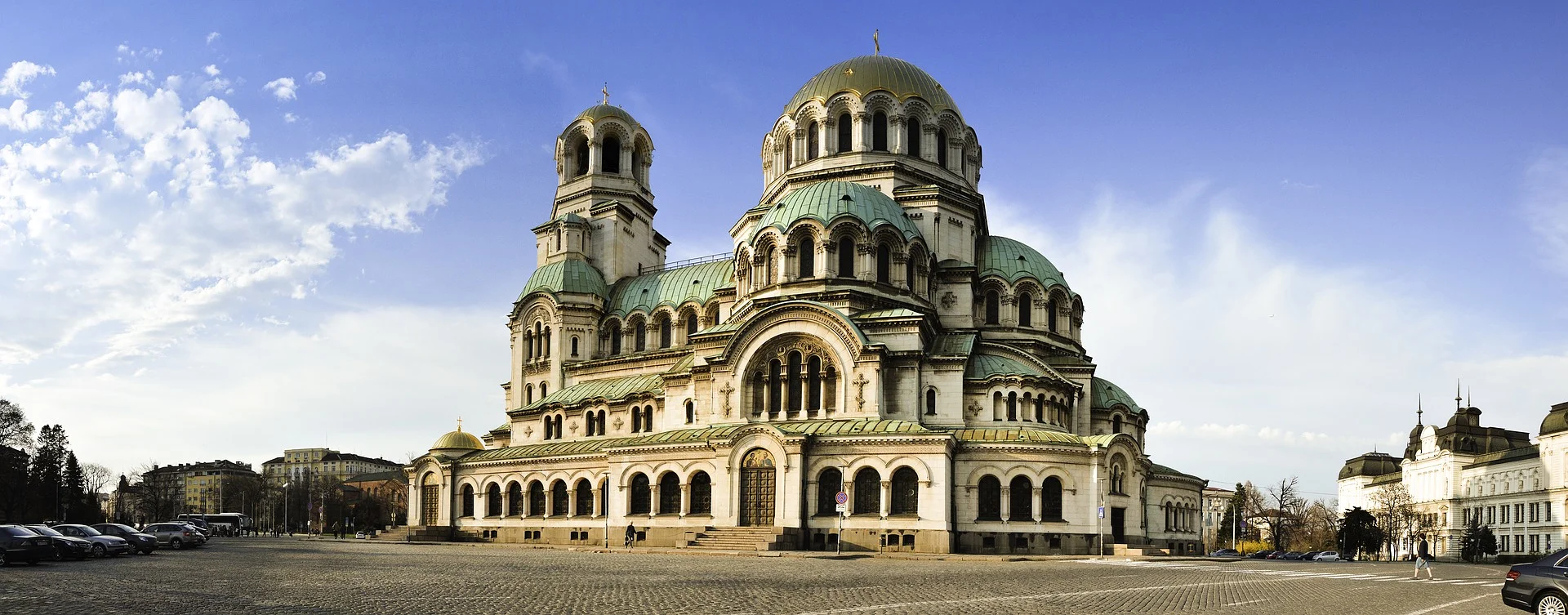
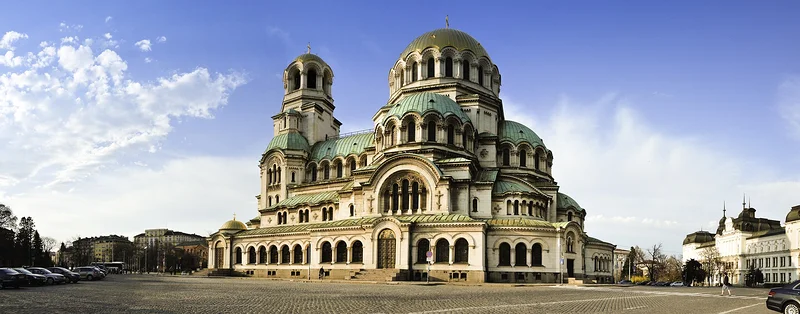
You can walk through the heart of Sofia in half a day. The Alexander Nevsky Cathedral, one of the largest Eastern Orthodox churches in the world, dominates the skyline. Its gilded domes shine in the sun, and its cavernous interior, lit by massive chandeliers, carries a heavy sense of solemnity. Admission is free, though you need to dress conservatively.
Just a few blocks away, the Church of St. George stands as the oldest building in Sofia, dating back to the 4th century. This small red-brick rotunda, tucked inside the courtyard of the Bulgarian presidency, creates a sharp contrast with the surrounding communist-era architecture. The medieval frescoes inside are worth a look.
The neighborhood around the Banya Bashi mosque is often called the Square of Tolerance. Here, an Ottoman mosque, an Orthodox cathedral, a Catholic church, and Europe's third-largest synagogue all sit within a few yards of each other. This tight concentration of faith tells the complex history of the Balkans in a single glance.
Friendly tip: book a spot at the Red Flat, a 1980s apartment preserved exactly as it was during the communist era. The audio guide walks you through the daily life of a Bulgarian family under the regime, making for an immersive and moving experience. Admission is $11*, and reservations are required.
Vitosha Boulevard and the creative neighborhoods
Vitosha Boulevard serves as Sofia's main pedestrian thoroughfare, lined with cafes, shops, and restaurants backed by views of Mount Vitosha towering over the city. It stays lively day and night.
Tsar Shishman street acts as a hub for local creatives. Art galleries, design shops, independent bookstores, and wine bars line the block. Street art covers the walls, turning the neighborhood into an open-air gallery. Don't miss the God's Gift mural near the Savi bakery, which depicts a Bulgarian woman holding bread.
The Women's Market
Zhenski Pazar, the oldest market in Sofia, offers a working-class snapshot of the city far from the tourist track. Fruits, vegetables, cheeses, and spices are traded here in a lively open-air setting. Vendors often do not speak English, but prices are clearly marked. Locals have been doing their grocery shopping here since the 19th century.
Mount Vitosha: wild peaks at the end of the subway line
One of Sofia's best perks is its immediate access to nature. A 30-minute bus or taxi ride takes you to the base of Mount Vitosha, which peaks at 7,513 feet. The hiking trails suit all skill levels, and in winter, the ski slopes draw locals up for afternoon runs.
The stone rivers, strange geological formations made of massive granite boulders, are worth checking out. The view of Sofia from the heights gives you a clear sense of the scale of this city of 1.3 million people.
Where to eat and drink in Sofia
Bulgarian cuisine surprises visitors with its rich flavors drawn from Mediterranean, Turkish, and Slavic traditions. The ubiquitous shopska salad mixes tomatoes, cucumbers, peppers, and sirene, a salted sheep's milk cheese. Kavarma, a slow-cooked meat and vegetable stew, warms up chilly autumn evenings. Don't leave without trying mekitsi, fried dough pastries served for breakfast with jam.
Hadjidraganov's Houses offers a traditional folk dining experience complete with live musicians and rustic decor. For a more modern vibe, Rainbow Factory serves creative brunch dishes in a bright space. The house-focaccia sandwiches at Fabrika Daga are a favorite among locals.
For drinks, Hambara is a candlelit speakeasy hidden down a dark alley. Knock on the wooden door and step inside. Sputnik Cocktail Bar leans into a retro-futuristic Soviet aesthetic with inventive cocktails. Wine fans should head to Tempus Vini to try local grapes like Mavrud or Rubin.
Where to stay in Sofia and beyond
Downtown Sofia holds most of the best places to stay. The neighborhood around the Alexander Nevsky Cathedral and Vitosha Boulevard puts you within walking distance of the main sights. Oborishte, a quieter residential area, fits travelers looking for peace without being too far out.
Lozenets works well for families and longer stays, featuring parks, neighborhood shops, and local restaurants. If you are on a tight budget, the area near the train station has affordable choices. Studentski Grad, the university district, pulses with nightlife energy but sits farther from the center.
How to get to and around Sofia
Sofia Airport handles budget flights from across Europe. Wizz Air, Ryanair, and Bulgaria Air fly in from major hubs with one-way fares often under $57*. The metro connects the airport to the city center in 25 minutes for $0.90*.
Inside the city, public transit works well. The four metro lines cover most needs, while streetcars and buses fill in the gaps. A single ticket costs $0.90*, and a day pass caps out at $2.30* no matter how many rides you take. The Moovit app helps map out routes easily.
Day trips from Sofia include the UNESCO-listed Rila Monastery, about a 90-minute drive away. Plovdiv, the country's second city and one of the oldest in Europe, is reachable in 90 minutes by train.
When to go
The best times to visit are May through June and September through October. Temperatures hover in the comfortable range for walking around. Summers can get hot while locals head out of town for vacation. Winters bring cold weather and snow, but ski fans will appreciate having Mount Vitosha so close by.
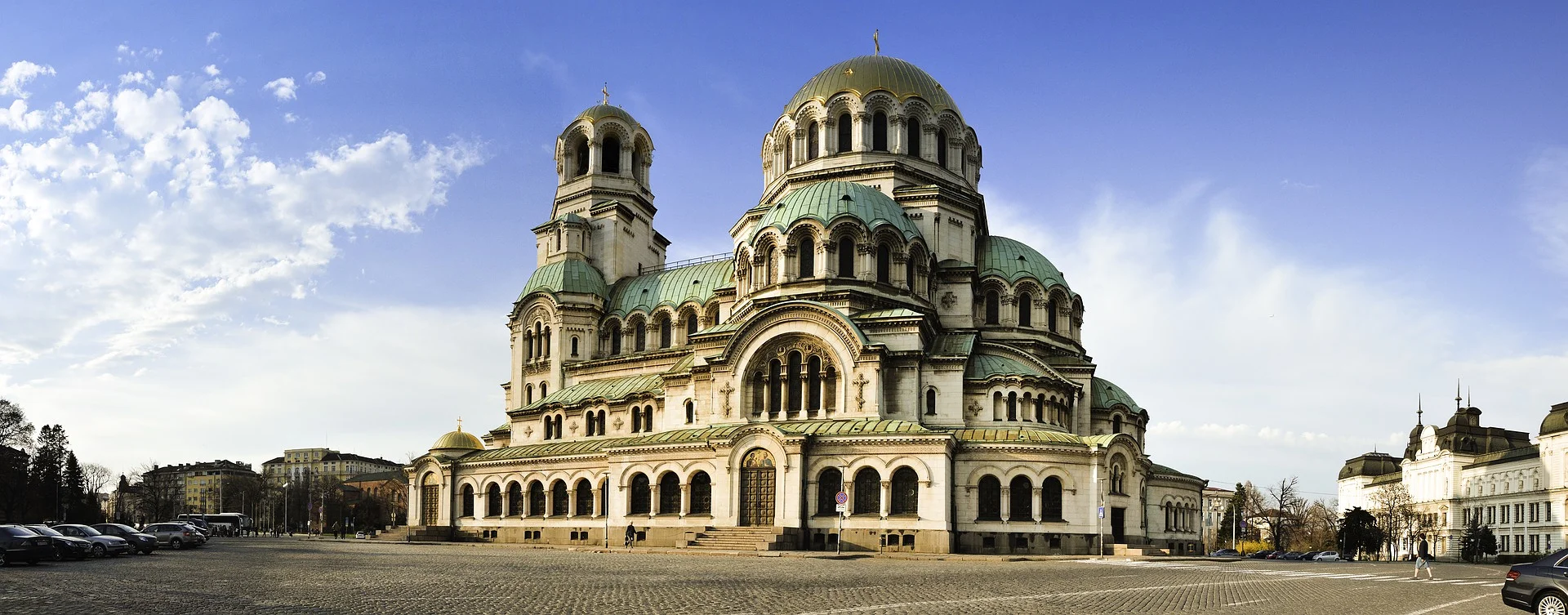
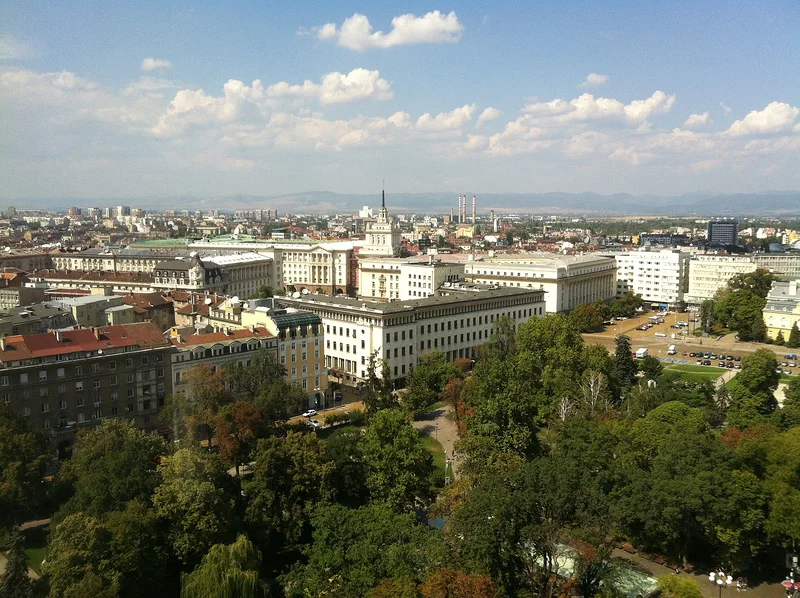
I personally hated Sofia. I found the city very ugly, run-down, and sad, and it didn't really offer any traditional restaurants. There are a few ruins dating back to the Roman era that are well preserved and displayed. The largest church in Europe is quite pretty, and there is a "tolerance square" that brings together a Catholic church, an Orthodox church, a synagogue, and a mosque all in the same area. Finally, the park near the theater is nice and a lot of people gather there in the evening to grab a drink!