
Visiting Veliko Tarnovo
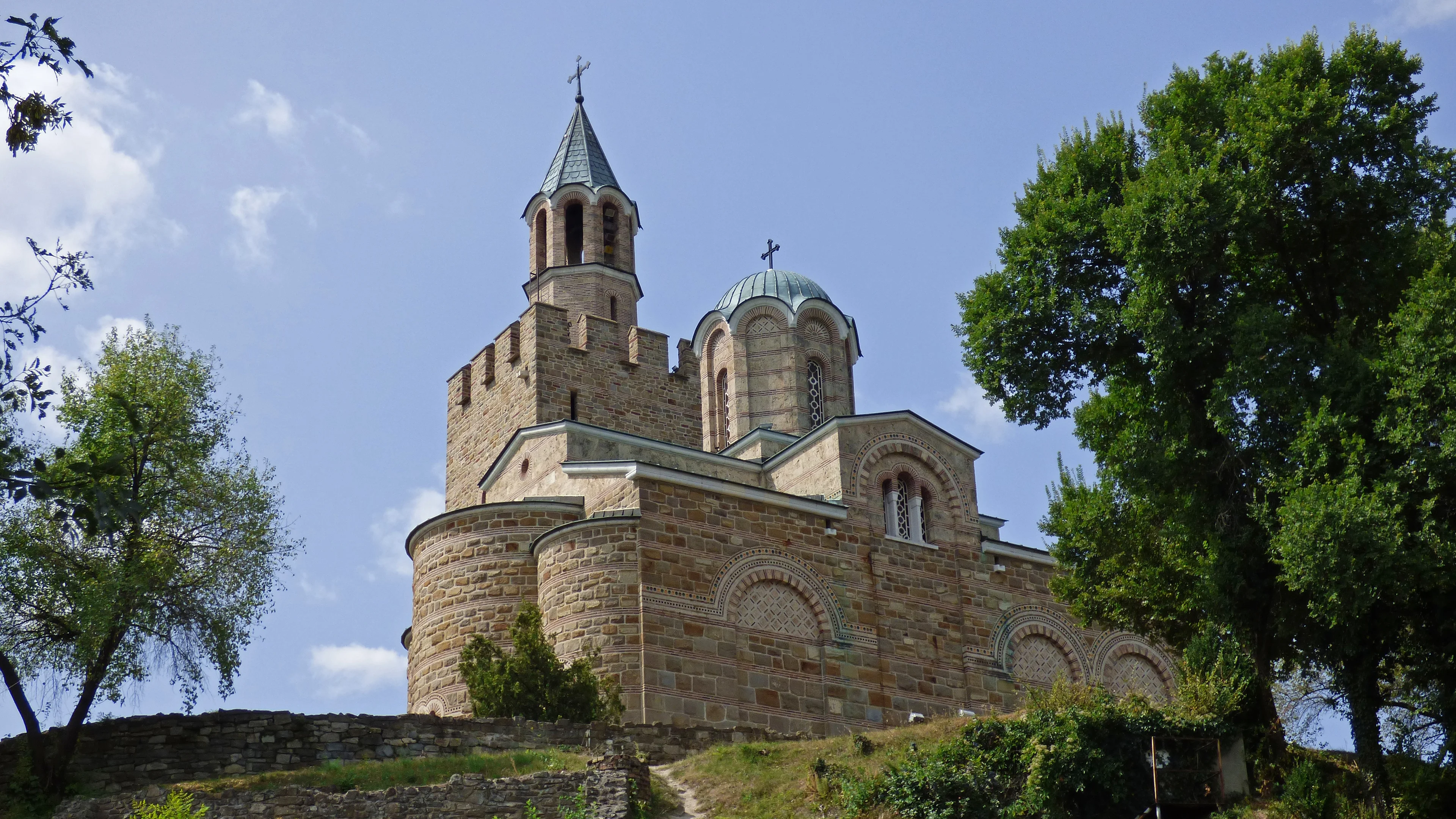
A lively city in central Bulgaria, Veliko Tarnovo makes a great base for getting a feel for the country. Ringed by three hills, the city has an amphitheater vibe, with houses stacked against each other on the slopes along the Yantra River. As the former capital of the Bulgarian kingdom, it hit its peak during the Middle Ages. The ancient citadel fortifications crowning Tsarevets Hill stand out as the primary draw.
A City Marked by Bulgarian History
The site of Veliko Tarnovo has been inhabited for over 7,000 years. Home to Thracian tribes followed by Roman settlements, the city was destroyed during a Slavic invasion. In 1185, the Bulgarians broke free from the yoke of the Byzantine Empire. They picked Veliko Tarnovo as their capital and built the Tsarevets Fortress to house the royal court. The kingdom's independence was declared within the walls of Saint Demetrius Church by Kings Petar and Assen. Half a century later, Tsar Ivan Asen II raised the Church of the Forty Holy Martyrs to mark his victory at Klokotnitsa; it now serves as a Pantheon.
Walking along Gurko Street in the heart of the old town, you get fantastic viewpoints over the surrounding houses. Most date back to the 19th century when Bulgaria proclaimed its independence after centuries of Ottoman rule. Several buildings showcase the era's architecture, such as the Hadzhi Nikoli Inn or the Sarafkina House, which plays cleverly with the sloping ground, showing one story from the street side and four from the river side.
A Destination All Its Own
Still within the old town limits, make sure to wander down Samovodskata Charshia Street, lined with small craft shops and eateries. The food here represents classic Bulgarian fare, featuring hearty soups, phyllo dough pastries, and a shot of Rakija as a digestif.
Take advantage of your stop in Veliko Tarnovo to explore the surrounding area. You will find plenty of historic sites like the Transfiguration Monastery, located only 7 kilometres away. Do not miss the small town of Arbanasi either. Inside the Church of the Nativity, you will find walls packed with religious frescoes. A bit further out, the Nicopolis ad Istrum Archaeological Reserve preserves the ruins of a Roman city built by Emperor Trajan back in 106 AD. Finally, outdoor enthusiasts will enjoy the marked trail winding through the Emenski Canyon.
When to Go
Veliko Tarnovo shines during the warmer months, from June through September. In the summer, the citadel puts on a sound and light show.
Getting There
Trains run from Sofia or Varna in Bulgaria to Gorna Oryahovitsa, a town situated only 7 kilometres from Veliko Tarnovo. From there, you can rent a car, catch a train, or hop on bus line 10. Alternatively, numerous bus companies operate direct routes from Sofia to Veliko Tarnovo, taking about three hours.
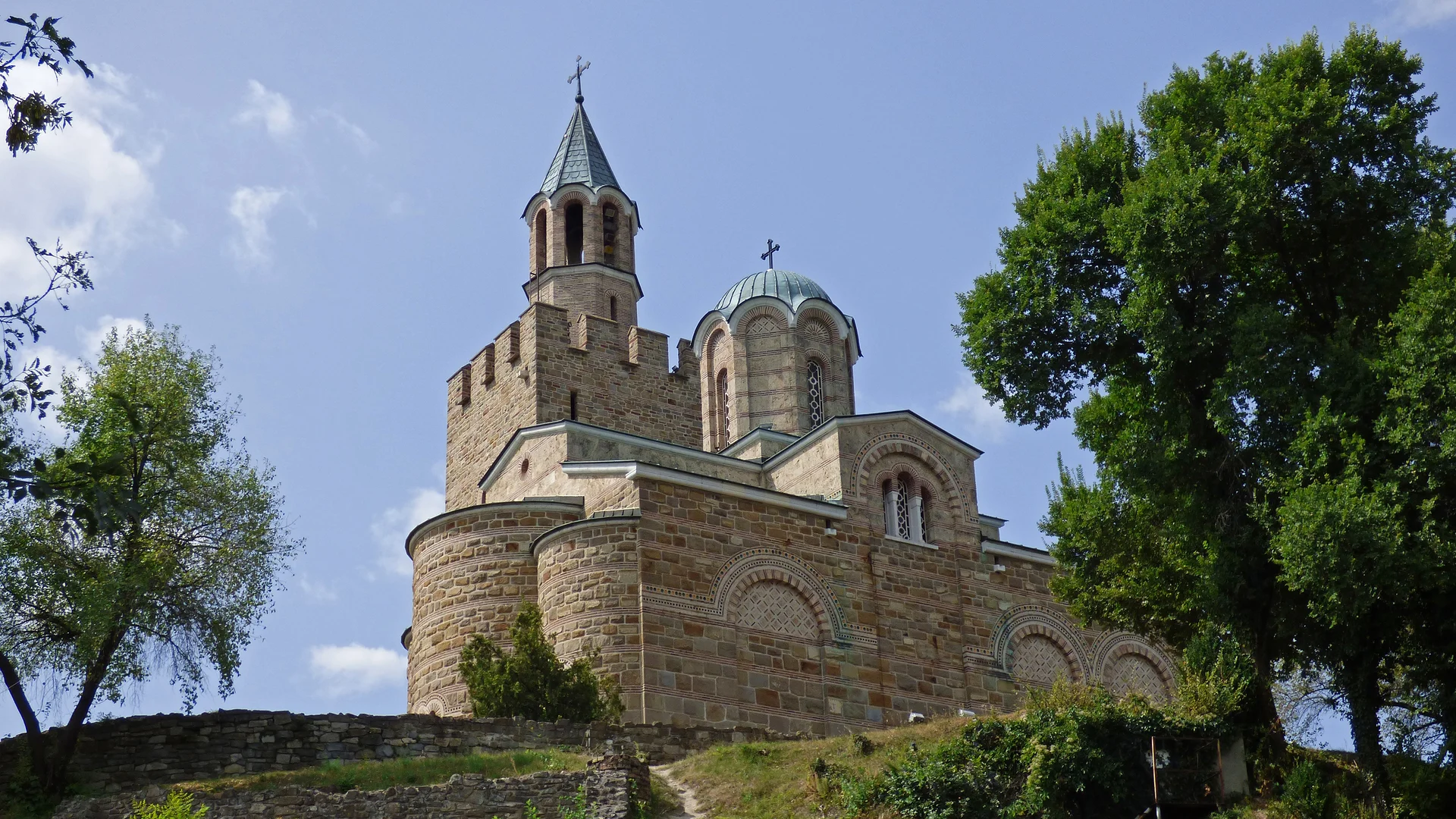
Medieval capital of Bulgaria. I preferred Tarnovo over Sofia. A very cute town on a mountainside, with streets that go in every direction. Not much to do aside from wandering the streets where you sometimes get a very pretty view of the rest of the city. There is also a church on a hill that is worth it, with a nice view and religious but modern paintings inside the church. Check the calendar because there is a magnificent sound and light show on certain evenings! Honestly, only the Old Town and Tzarevetz areas are worth it if you are not staying long.