
Visiting Bucharest: A Capital of Unapologetic Contradictions
Yellow streetcars screech down Haussmann-style boulevards while brand-new Mercedes weave through potholes. Here, a beautifully restored Belle Epoque building stands right next to a grim, graffitied communist concrete block. An elderly woman sells flowers outside an ultramodern techno club where the line wraps around the block.
This is daily life in Bucharest: a constant collision between faded elegance and raw energy, between nostalgia for the "Paris of the East" and an uninhibited post-communist reality. This capital refuses to pick a lane, and that is precisely what makes it fascinating.
A Playground for the Unfazed Explorer
This city is not for perfectionists or lovers of polished postcards. Battered sidewalks, peeling facades, and chaotic urban planning can throw off anyone looking for manicured beauty. On the flip side, if you appreciate contrasting vibes, complex history, and an unbridled nightlife, you are in the right spot. Architecture buffs will find plenty to love between neoclassical palaces and Stalinist monoliths.
Very accessible budget: expect to spend $45-$68* a day as a comfortable traveler, or $29-$34* on a backpacker budget. A car is unnecessary, as the subway and streetcars cover the city well. The pace? Laid-back during the day, explosive at night. Perfect for a 3 to 4-day city break, stretchable to a week if you explore the surrounding areas.
Centrul Vechi and Lipscani: The Epicenter of Bucharest Life
Centrul Vechi (Old Town) concentrates most of the action. Its cobblestone alleys are packed with crowded sidewalk cafes starting at 6pm, bars on every corner, and contagious energy. Lipscani street, the neighborhood's main thoroughfare, mixes souvenir shops, underground art galleries, and former merchant inns turned into restaurants. The architecture swings between 19th-century buildings and modern reconstructions that do not always hit the mark.
Do not miss Pasajul Macca-Vilacrosse, a lemon-yellow covered arcade with a vibe reminiscent of a small Parisian gallery, lined with outdoor tables where locals sip beer. Right next door, Hanul lui Manuc, the city's largest historic inn, sets a perfect stage for a first taste of Romanian cuisine. When evening hits, the neighborhood turns into a massive open-air bar where generations cross paths.
Friendly tip: avoid restaurants with promoters out front on Lipscani, as they are usually overpriced tourist traps. Venture two streets over into parallel alleys like Șelari or Smârdan to track down actual neighborhood gems.
The Upscale North: Primăverii, Herăstrău, and High-Achieving Bucharest
Head north to discover a different face of the capital. The Primăverii neighborhood lines up grand villas belonging to the former communist nomenklatura, now inhabited by Romania's new elite. The vibe shifts completely: leafy avenues, manicured gardens, surprising silence. The Primăverii Palace, former residence of the Ceausescus, is open for tours by reservation and is worth a detour for its fascinating totalitarian kitsch.
Further out, Herăstrău Park offers 187 hectares of greenery around an artificial lake. Locals picnic there, ride bikes, or take out paddle boats on the weekends. On its shore, the Village Museum reconstructs rural Romanian life with authentic houses dismantled and reassembled here. A bit kitschy, but educational. The neighborhood also features Arcul de Triumf, a local take on the Parisian arch, and chic restaurants along Kiseleff Avenue.
Friendly tip: rent an electric scooter via the Lime or Bolt app to explore this sprawling northern district. It is flat, bike lanes exist, and you will save a massive amount of time compared to public transit.
Communist Gigantism: Palace of the Parliament and Around
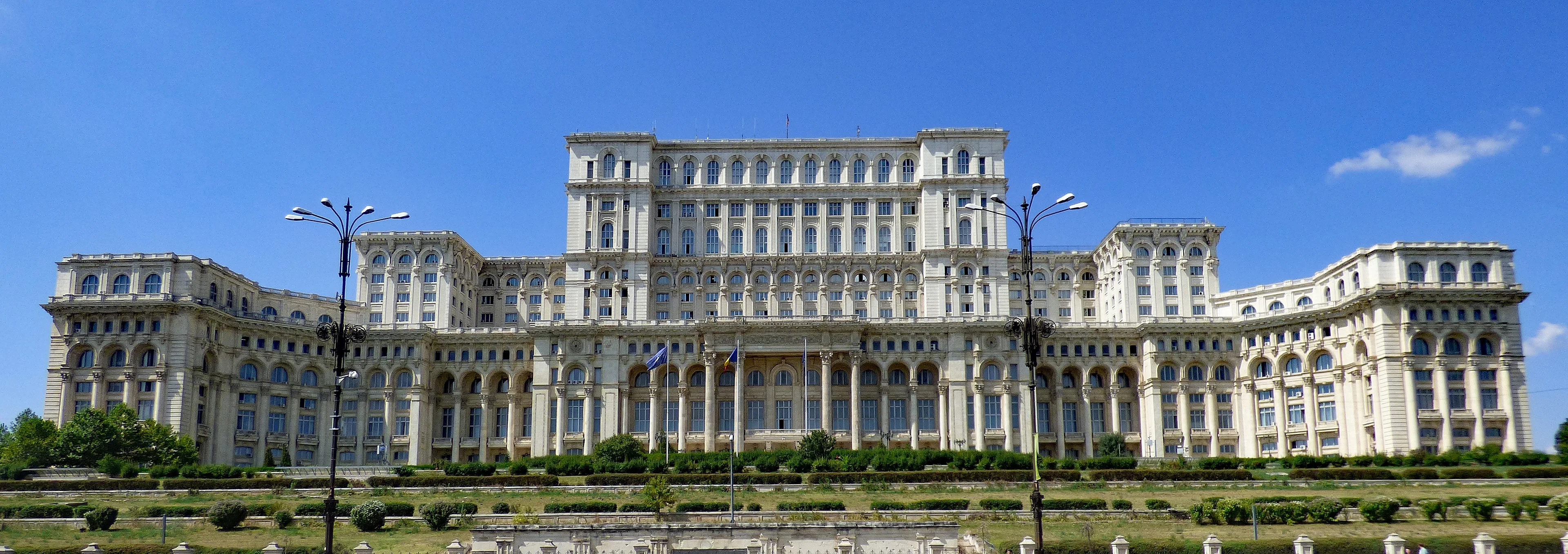
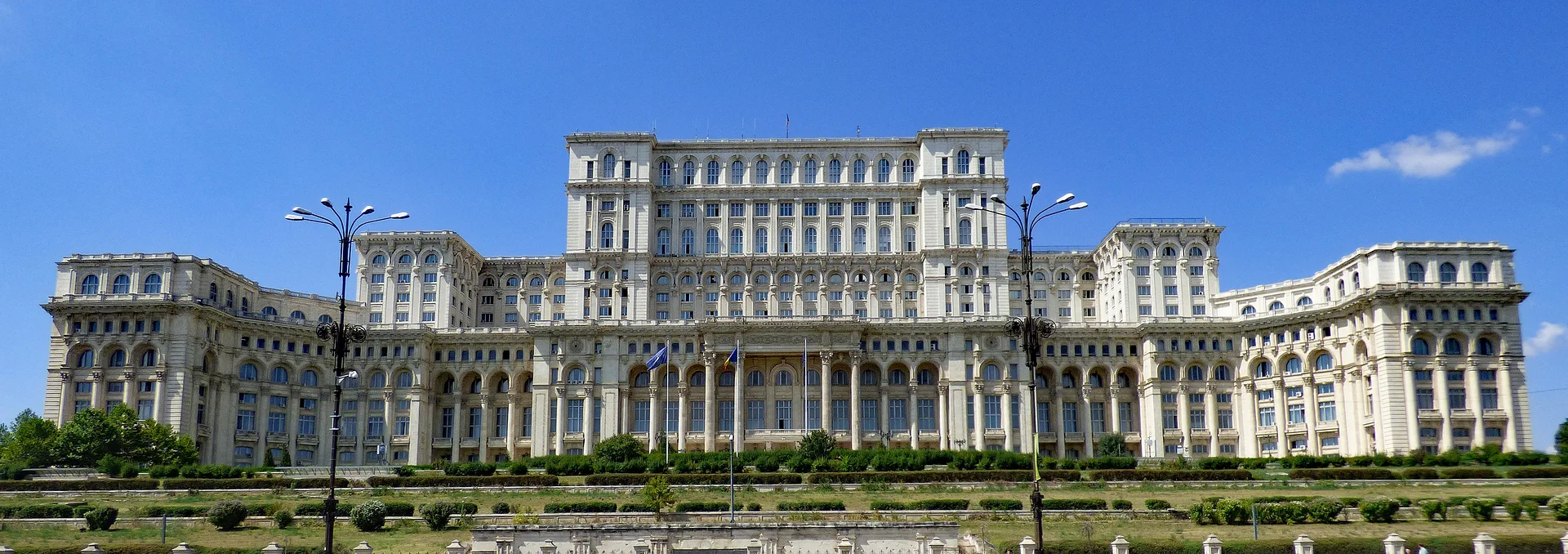
You cannot ignore the Palace of the Parliament, the world's second-largest administrative building after the Pentagon. This mountain of marble and concrete swallowed 25 percent of downtown under Ceausescu and required the demolition of entire neighborhoods. Today, the guided tour reveals a jarring mix of totalitarian excess and Romanian craftsmanship: 1,100 rooms, 1 million cubic meters of marble, multi-ton chandeliers.
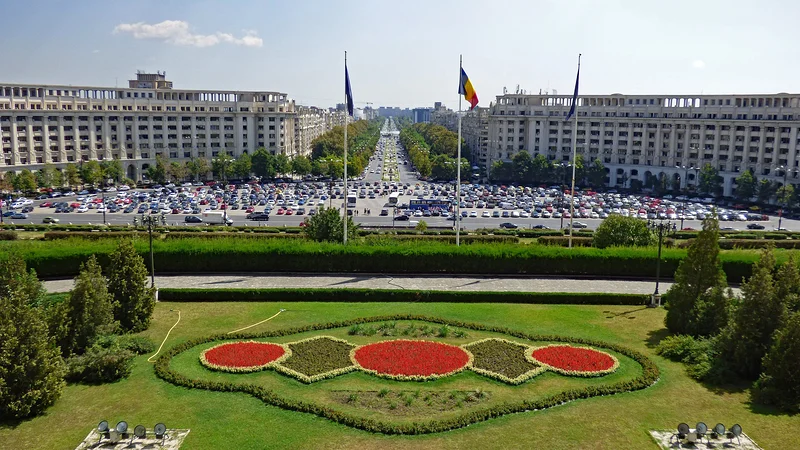
Unirii Boulevard, which starts from the Palace, was designed to surpass the Champs-Elysees: longer, wider, more everything. The result? A colossal thoroughfare lined with identical blocks, impressive but cold. At the far end, Piața Unirii and its fountains serve as a popular meeting point. In this area, check out the Patriarchal Church, which miraculously survived the communist bulldozers.
Friendly tip: book your tour of the Palace online at least 48 hours in advance with an ID, as spots fill up fast. Opt for the full 1pm tour, which includes the basement and rooftop terrace.
Cotroceni and Bohemian Bucharest
The Cotroceni neighborhood breathes quiet elegance. Cotroceni Palace, the presidential residence surrounded by gardens, is partially open to the public and worth visiting for its art collections and neo-Romanian architecture. Neighboring streets hide intimate cafes and independent bookstores frequented by students and intellectuals.
Nearby, the Botanical Garden offers a welcome patch of green. Further south, the Ghencea neighborhood hosts the infamous cemetery where the Ceausescus are buried. The atmosphere stays heavy around their graves, which are still freshly decorated with flowers daily by nostalgics and the curious. The area is also worth visiting for its Orthodox churches tucked between the apartment blocks, jewels of Byzantine architecture that were sometimes rolled away on rails in the 1980s to escape the bulldozers.
Where to Eat and Drink in Bucharest?
Bucharest's culinary scene has exploded over the last five years. Beyond the tourist restaurants in the center, look for mici (grilled spiced skinless sausages) at neighborhood patios, served with mujdei (garlic sauce) and an iced Ursus beer. Sarmale (cabbage rolls) remains the ultimate Sunday dish, simmered for hours. Try the mămăligă too, Romanian polenta served with sour cream and cheese.
For an authentic meal, head to Caru' cu Bere downtown, an 1879 beer hall with stunning neo-Gothic decor, or La Mama for straightforward comfort food. Trendy locals head to Kaiamo in Cotroceni for creative Mediterranean-Romanian fusion. On the sweet side, you cannot miss cozonac (nut or chocolate sweet bread) from any neighborhood bakery.
The nightlife lives up to its reputation. Control Club programs rock and underground electro, Expirat mixes live gigs and DJ sets in an industrial shell, while Guesthouse and Atelier Mecanic draw the local golden youth. For a quiet drink, wine bars like Vinity and Sticla pour excellent, lesser-known Romanian vintages.
How to Get to and Around Bucharest?
Henri Coandă Airport sits 16 km to the north. Bus 783 gets you downtown in 40 to 60 minutes for 7 lei, with tickets available at the station kiosk. Faster yet, taking a rideshare via Uber or Bolt costs 30-40 lei ($6.30-$8.40*) and takes 25 minutes outside of rush hour. Watch out for taxis parked at the airport, which are notorious for inflated fares.
Around town, the 5-line subway is efficient and cheap at 3 lei a ride ($0.63*), with reloadable cards available at stations. Streetcars and buses round out the network, though they are less reliable. For short distances, walking works great in the compact center. Electric scooter services like Lime, Bolt, and Tier blanket the city and make getting around simple.
When to Go?
May-June and September-October offer the best sweet spot: pleasant temperatures (18-25°C), outdoor seating, reasonable prices. Summer (July-August) can get stifling with peaks hitting 35°C, and the city empties out as locals head on vacation. Spring brings the parks to life, while autumn dresses the boulevards in golden tones. Winter stays cold and gray (often below 0°C), but the cultural scene runs at full tilt and Christmas markets brighten up the center.
Avoid February, the gloomiest month with freezing rain and omnipresent slush.
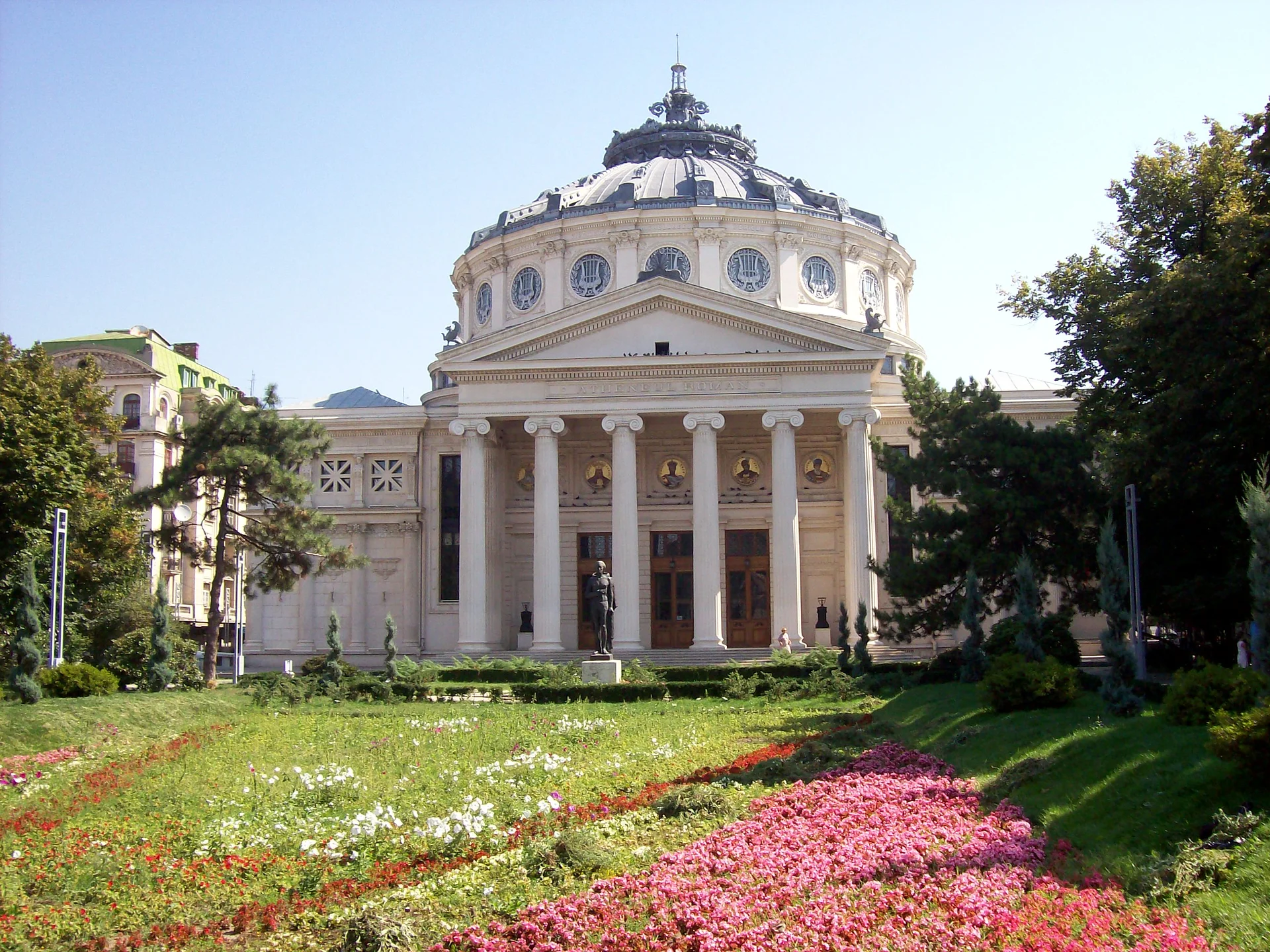
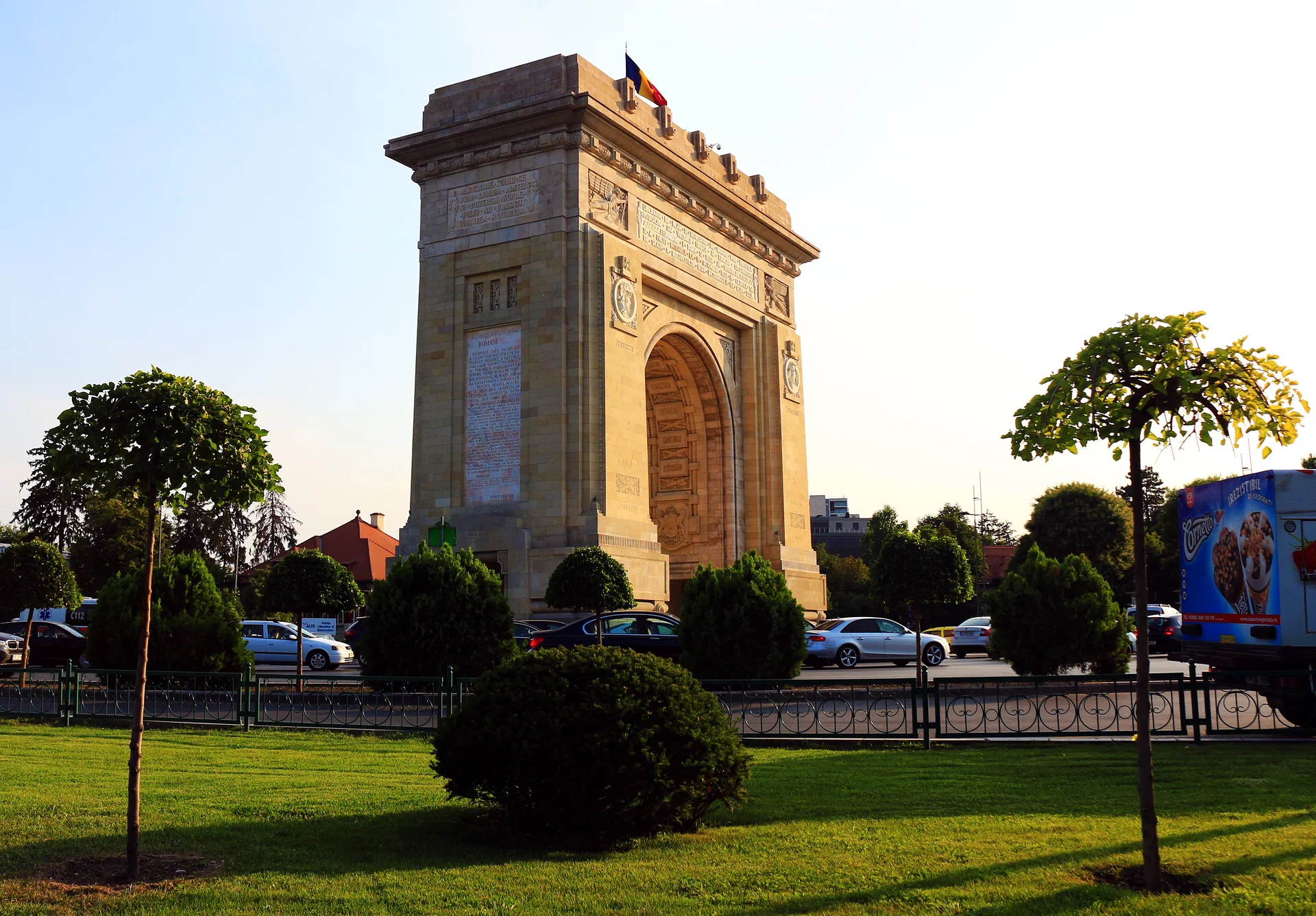
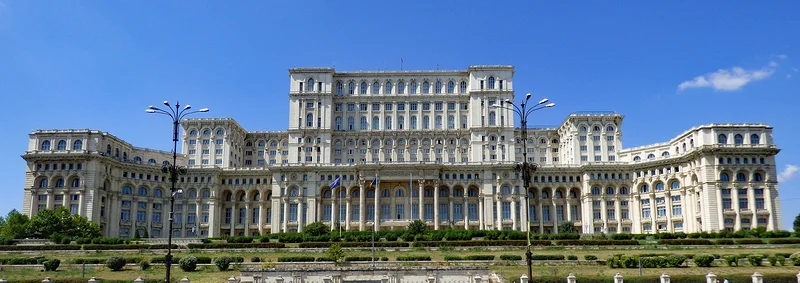
Walking around downtown, you totally get why it's called the "Little Paris" thanks to the architecture of the buildings and monuments! Between the Arc de Triomphe and the pretty downtown, especially the Macca Passage which is really lovely, plus the different palaces, grand banks, and ministries that you can't miss! My recommendation for book lovers: the gorgeous "Cărturești Carusel" bookstore, perfect for finding a nice little souvenir or a great book edition (in English, not just in Romanian!). It is a really nice city to explore, with super diverse food, you will find absolutely everything you are looking for.