
Warsaw, the phoenix of Central Europe
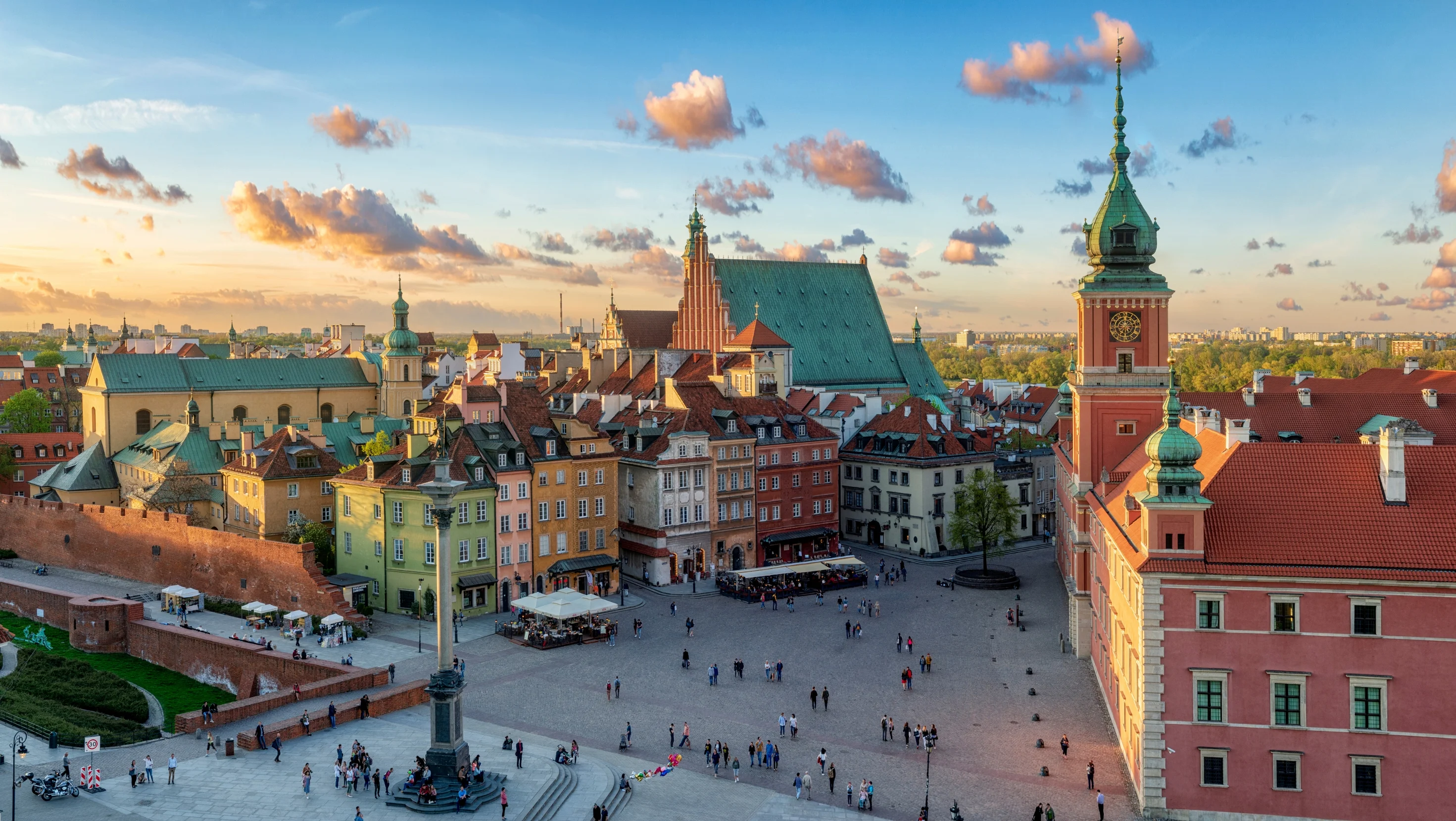
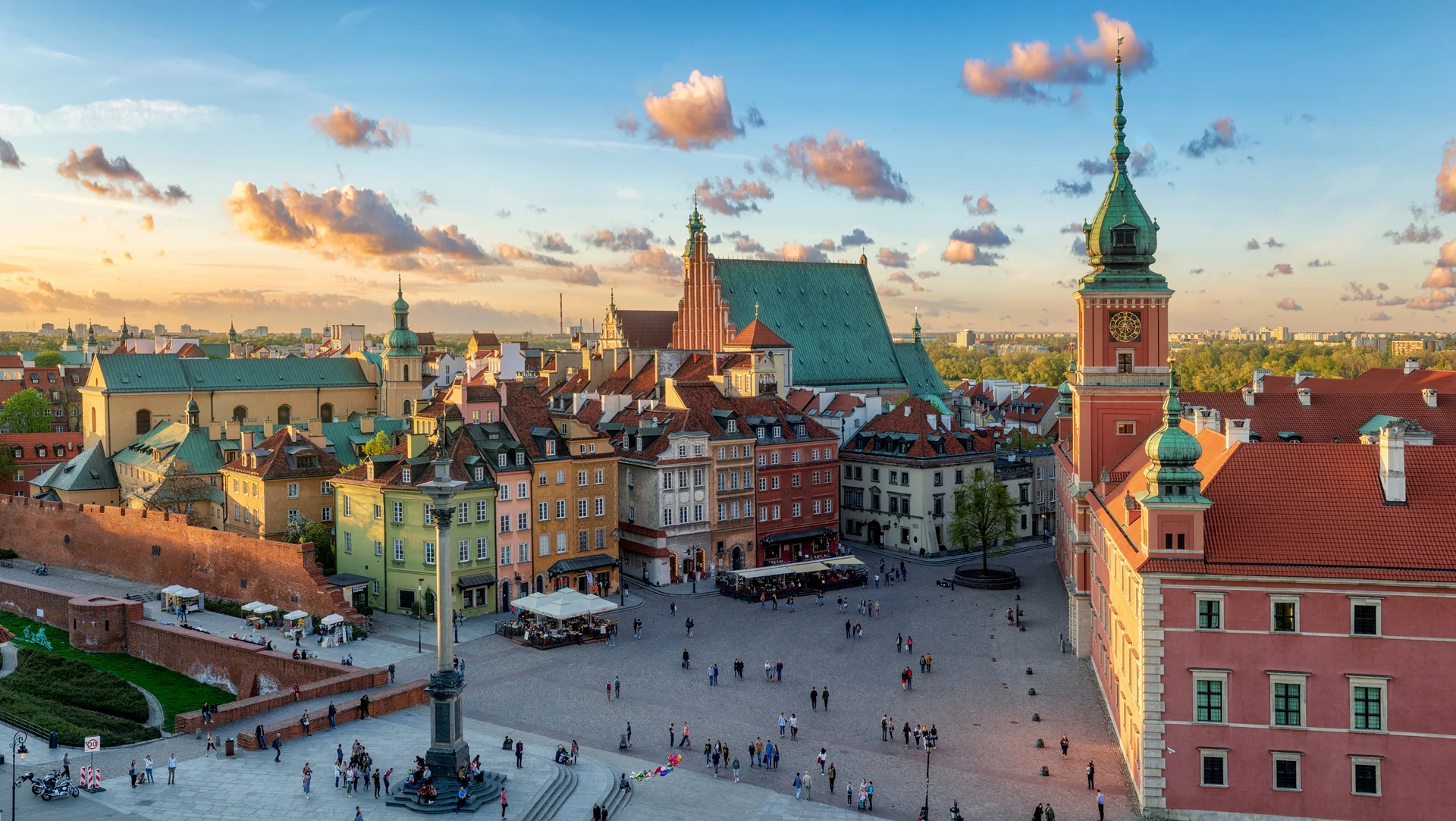
It is 7:00 AM on the Old Town Market Square. The pastel facades take on a soft pink tint, the cobblestones still glisten with morning dew, and only a few joggers disrupt the quiet. In just a few hours, this exact square becomes the beating heart of a capital city of two million residents.
That is Warsaw: a city that knows how to slow down and speed up, a metropolis that chose to rebuild stone by stone what the war had destroyed by 85%. It is not a museum city frozen in the past, but a capital resolutely turned toward the future, where skyscrapers stand side by side with baroque churches and street art blooms on the walls of former working-class neighborhoods.
The surprise of Eastern Europe
If you are looking for an affordable destination with a real personality, Warsaw deserves your attention. The city appeals to contemporary history buffs, fans of interactive museums, and travelers who appreciate a booming food scene. Night owls will find their spot in the Praga neighborhood, while classical music lovers can listen to Chopin for free in the parks every summer.
On the flip side, if you dream of a picturesque city frozen in time like Prague or Krakow, you might feel a bit unsettled. Warsaw owns its scars, where Soviet-era architecture rubs shoulders with careful reconstructions and glass towers pop up everywhere. This juxtaposition can be jarring, but it tells a fascinating story. The city is easy to navigate on foot or via a super-efficient public transit network, meaning you definitely do not need a rental car.
A budget that goes easy on your wallet
Plan for between $51 and $102* per day depending on your travel style. A hostel dorm bed runs $17-$23*, and a decent hotel room goes for $57-$79*. A full meal at a traditional bar mleczny (milk bar) costs under $5.70*, while dinner at a solid sit-down restaurant ranges from $17 to $29*.
The Old Town and its surroundings: the rebuilt heart
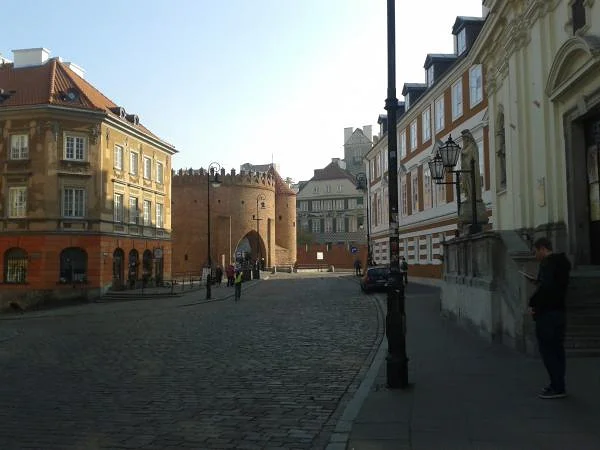
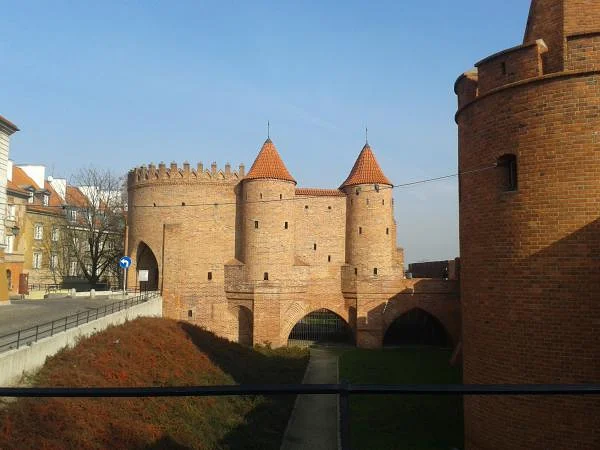
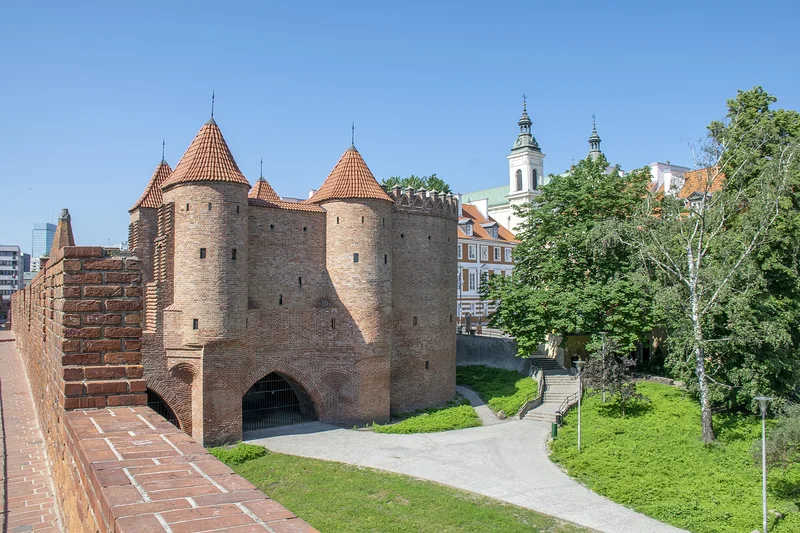
Start at the Barbican, an outpost of the old city walls. This circular fortress marks the entrance to Stare Miasto, the Old Town, which holds UNESCO status not for its ancient origins, but for the sheer engineering feat of its postwar reconstruction. Every single building was meticulously rebuilt based on paintings by Canaletto and prewar photographs.
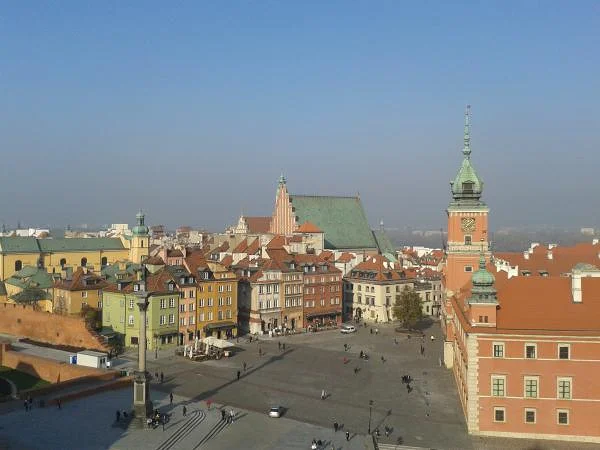
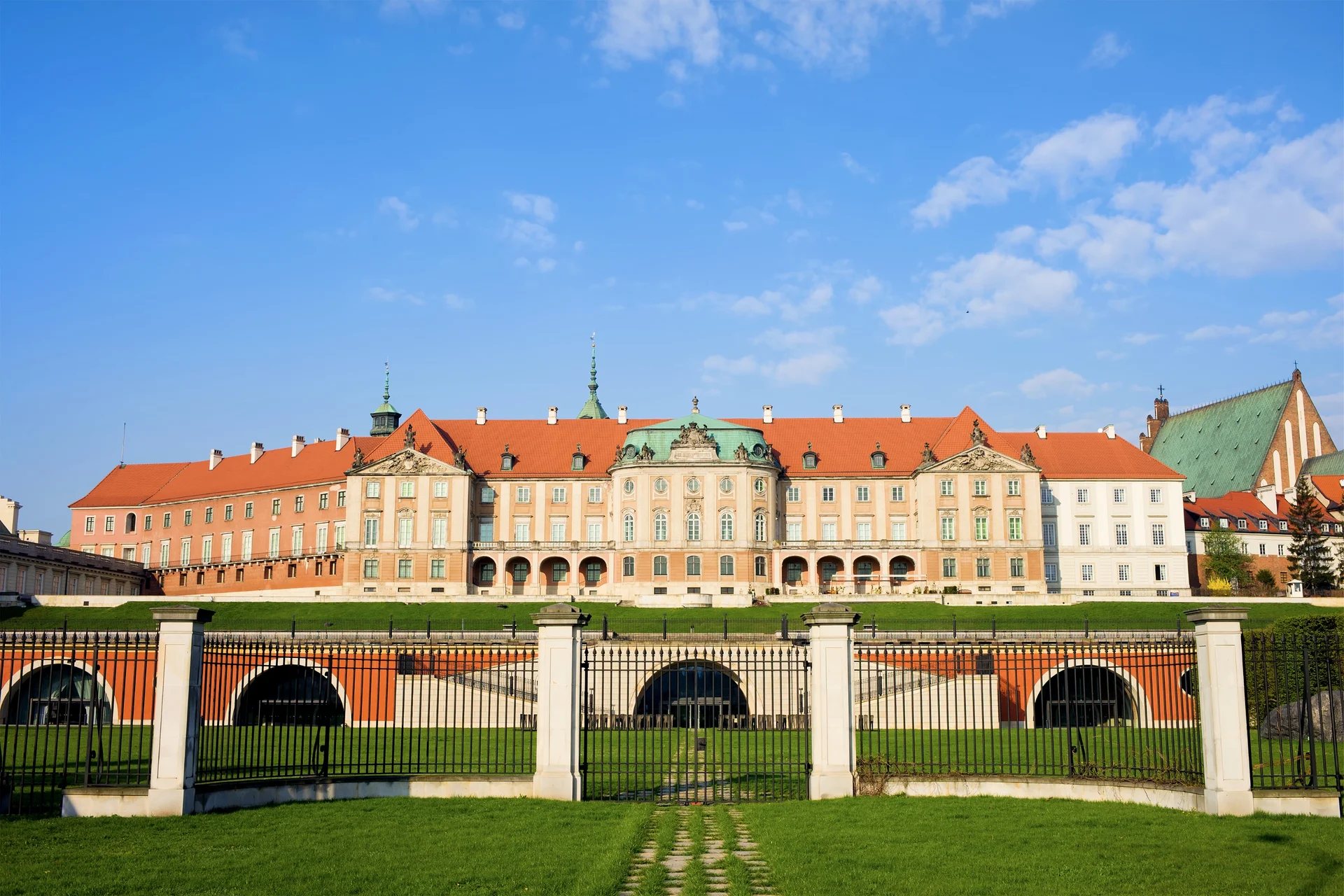
The Rynek Starego Miasta (Old Town Market Square) spreads its colorful houses around the statue of the Mermaid, the city symbol whose twin sister is said to be in Copenhagen. Walk under the archways of the Royal Castle to explore lavish interiors where Napoleon once met Countess Maria Walewska. Original paintings by Rembrandt and Bernardo Bellotto survived the bombing raids and now hang back on the walls where they belong.
Friendly tip: the castle is free to enter on Wednesdays. Show up right at opening time to dodge the school tour groups that roll in around 10:30 AM.
Head up Freta Street to Nowe Miasto, the New Town, which actually dates back to the 15th century. This is where Marie Curie was born, in a building now turned into a compact museum. The Holy Cross Church, a bit further south, holds an urn containing the heart of Frédéric Chopin, sealed in the second pillar on the left of the nave. The composer specifically asked for his heart to return to Poland even though his body rests at Père-Lachaise in Paris.
Praga: the Berlin of Warsaw
Cross the Vistula River to explore a neighborhood that long held a rough reputation. Praga escaped heavy wartime bombing, keeping its authentic prewar buildings with chipped facades, inner courtyards featuring religious shrines, and bullet holes that were never patched up. Roman Polanski filmed several scenes of The Pianist here because the gritty sets required zero fabrication.
The neighborhood has transformed over the last decade. Artists took over abandoned factories, giant murals cover blank walls, and alternative bars have popped up along Ząbkowska Street. The Koneser Center, a former vodka distillery, now houses art galleries, trendy restaurants, and the Polish Vodka Museum complete with a tasting session at the end.
Friendly tip: book a guided street art tour so you do not miss the best murals hidden inside residential courtyards. The Neon Museum at the Soho Factory displays over 200 glowing signs from the communist era.
Museums of memory
Warsaw houses some of Europe's most striking museums dedicated to twentieth-century history. The POLIN Museum of the History of Polish Jews traces a millennium of Jewish life through stunning interactive galleries. The full-scale reconstruction of the polychrome wooden dome of an 18th-century synagogue is worth the trip all by itself. Give yourself three to five hours to see it all.
The Warsaw Uprising Museum dives deep into the sixty-three days of resistance between 1 August and 2 October 1944. The immersion is total, featuring a replica fighter plane suspended from the ceiling, a reconstruction of the sewer tunnels used by resistance fighters, and video testimonies from actual survivors. It is heavy going, but essential for understanding the city's identity.
The Chopin Museum, located inside the Ostrogski Palace, takes a totally different approach. Every visitor gets a magnetic card that triggers multimedia exhibits tailored to your pace. Individual booths let you listen to his complete works. Admission is free on Wednesdays.
Green lungs and Soviet giants
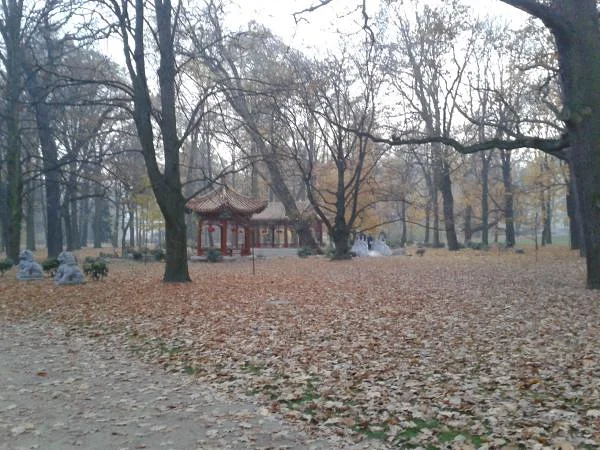
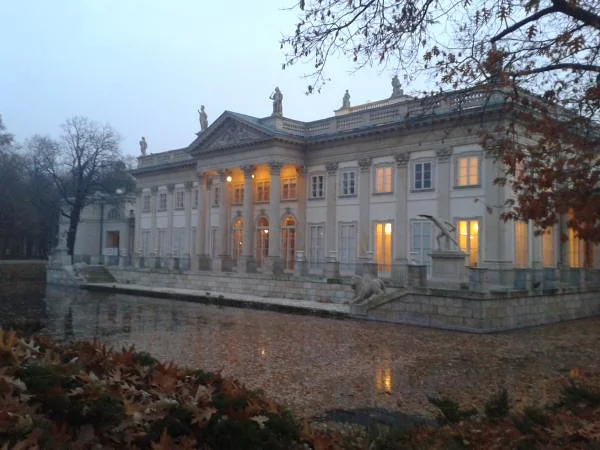
Łazienki Park and its 76 hectares wrap around the former summer residence of Poland's last king. The Palace on the Isle reflects onto a lake where swans and peacocks roam. From mid-May through late September, free Chopin concerts take place every Sunday at noon and 4:00 PM at the foot of his monument, drawing locals who roll out picnic blankets with their families.
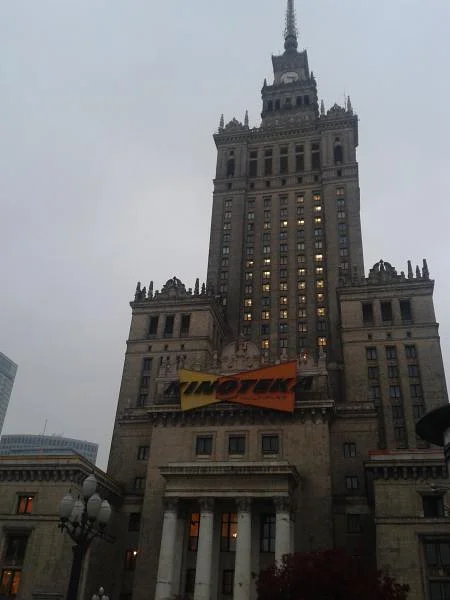
You cannot miss the Palace of Culture and Science, a heavy-handed gift from Stalin to the Polish people. This 237-meter monolith was for decades the tallest building in the country. Locals joke that the observation deck offers the best view in Warsaw simply because it is the only place in town where you cannot see the palace itself. Riding the elevator up to the 30th floor is worth it just to grasp the sheer sprawl of the city.
For a quieter view, climb up to the rooftop garden of the University Library. This 10,000-square meter suspended garden overlooks the Vistula River and frames a panorama of rooftops and the modern skyline.
Where to eat and drink in Warsaw
Polish cooking is hearty and comforting. Pierogi come stuffed with dozens of fillings: cottage cheese and potato, meat, mushrooms, or sweet fruits for dessert. Żurek soup, made from fermented rye flour, is often served inside a hollowed-out loaf of crusty bread. Bigos, a slow-simmered hunter's stew made with sauerkraut and assorted meats, cooks for hours.
For an unfiltered local experience, push open the door of a bar mleczny (milk bar). These cafeterias date back to the communist era when they doled out subsidized meals to factory workers. They still exist today with their bare-bones decor, cafeteria trays, and dirt-cheap prices. Bar Prasowy near downtown and Bar Bambino offer a culinary time warp for under $5.70*.
For something more contemporary, head to Hala Koszyki, a covered Art Nouveau market hall turned trendy food hall featuring global food stalls, a microbrewery, and indoor patio seating. Elektrownia Powiśle, housed in a former power plant, brings the same concept to a dramatic industrial setting.
Sweet tooths should make a beeline for A. Blikle, a historic pastry shop open since 1869, to try their pączki, traditional Polish doughnuts filled with rose hip jam. The E. Wedel chocolate lounge, operating since 1851, serves hot chocolate so thick it is practically pudding.
How to get to and around Warsaw
Chopin Airport sits 10 kilometers south of downtown. The SKM commuter train reaches the central station in 20 minutes for about $1.20*, and bus 175 runs a similar route. A taxi into the center runs $12-$17*. Modlin Airport, used mostly by Ryanair, sits further out: budget an hour for the shuttle bus.
Direct flights from Paris take 2 hours and 15 minutes via Air France, LOT, or budget carriers like Wizz Air and Ryanair. Round-trip fares generally run $57 to $169* depending on the season. Taking the train from Berlin takes around 6 hours, making it a solid option for slower travel.
Once you arrive, the integrated network of subway, trams, and buses covers the entire city. A single ticket costs about $1.20*, a 24-hour pass runs $4.50*, and a 72-hour pass costs $11*. The Veturilo bike-sharing system gives you the first 20 minutes for free. Both the Old Town and the center are extremely walkable.
When to go?
Poles talk about the golden autumn to describe September and October, when the parks burst with fiery foliage and the tourist crowds thin out. June brings a sweet spot of pleasant temperatures and long daylight hours. Summer can get hot and serves as peak season, bringing higher prices alongside the park concerts.
Winter brings freezing temperatures and snow, but the Christmas markets light up the squares and hotel rates drop significantly.
I lived in Warsaw for a year. It is the safest city I know. People are extremely polite there and you never feel threatened, even when going out alone at night.
The city has some very beautiful parks, especially Łazienki Park. In the summer, you can go rowing in front of the palace or enjoy a Chopin concert.
If you head a little bit away from the historic center, you can visit Wilanowski Park, located in the Warsaw suburbs. It is really worth the trip. The interior of the palace is incredible.
The city is also full of churches and museums of all kinds. If you stop by the tourist office, you can get a little booklet to have stamped at every museum.
As for local culinary specialties, besides the typical pierogi or żurek, I also recommend that you try their pastries. They are delicious!