Visiting Poland: History, Wilderness, and a Country on the Move
Poland doesn't get the attention it deserves from American travelers, and that's exactly why it's worth your time. In a single day you can walk a medieval market square in the morning and stand inside a primeval forest by afternoon. The country spans Baltic beaches to the north, alpine peaks to the south, and an interior full of lakes, forests, and cities that have been rebuilt, reimagined, and reinvented more than once.
Is Poland the Right Trip for You?
If you like cities with real historical weight, serious outdoor options, and a culture that still takes its traditions seriously, Poland delivers on all three. It works well for travelers who want to mix city time with wide-open spaces. That said, winters here are genuinely cold (think Minneapolis in January), and the most popular spots get crowded in summer. If you need guaranteed sunshine and empty streets, adjust your expectations accordingly.
The Cities: History You Can Walk Through
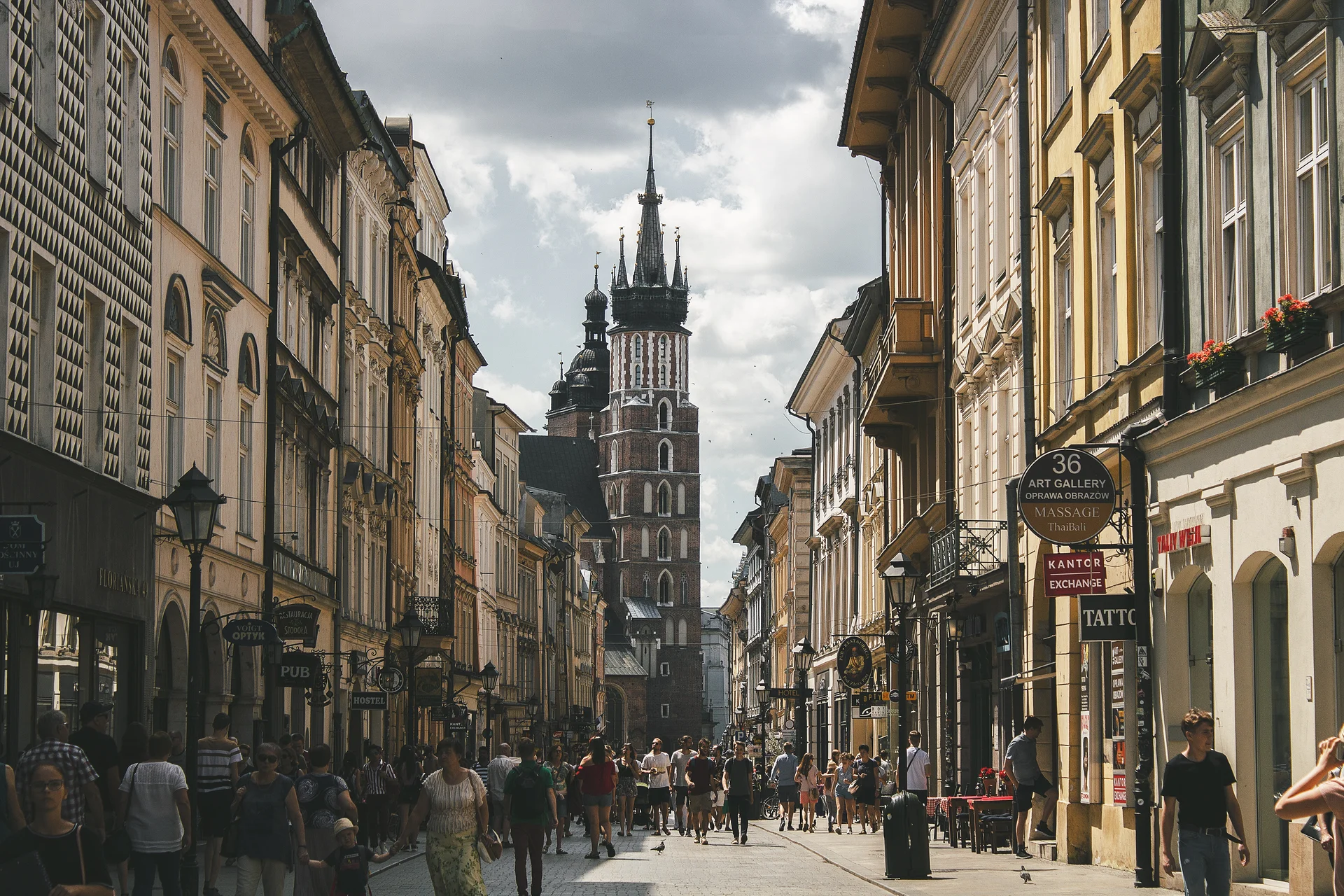
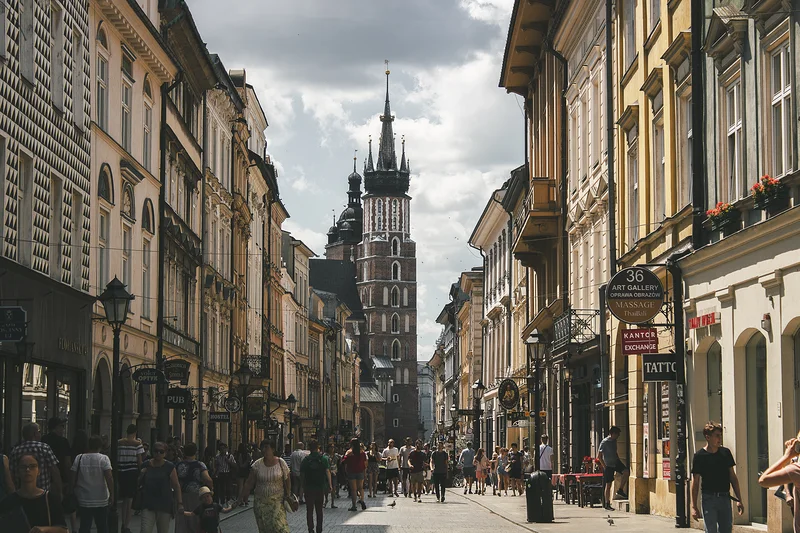
- Krakow pulls you in with its medieval old town, Gothic churches, and the Wawel Castle sitting on a hill above the Vistula River. It's a university city with a real pulse, but it draws crowds in peak season, so plan around that.
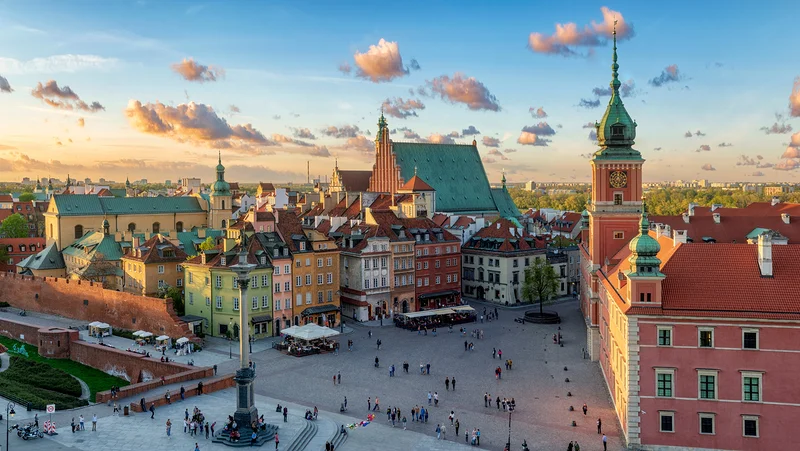
- Warsaw was essentially leveled in World War II and rebuilt from scratch, which gives it a personality unlike any other European capital. Baroque lanes sit next to glass towers, and the museums here, particularly the Warsaw Rising Museum and the POLIN Museum of the History of Polish Jews, are genuinely exceptional. It's less picturesque than Krakow but more interesting in ways that matter.
- Gdańsk, on the Baltic coast, has the colorful merchant facades and port energy you'd expect from a city that spent centuries as one of northern Europe's major trading hubs. It's also your gateway to the sandy beaches and resort towns along the northern coast.
Insider tip: In Krakow, skip the main market square during peak afternoon hours. Head instead to Kazimierz, the historic Jewish quarter, in the evening. The vibe there is far more authentic and the streets are actually walkable.
Mountains, Forests, and Lakes
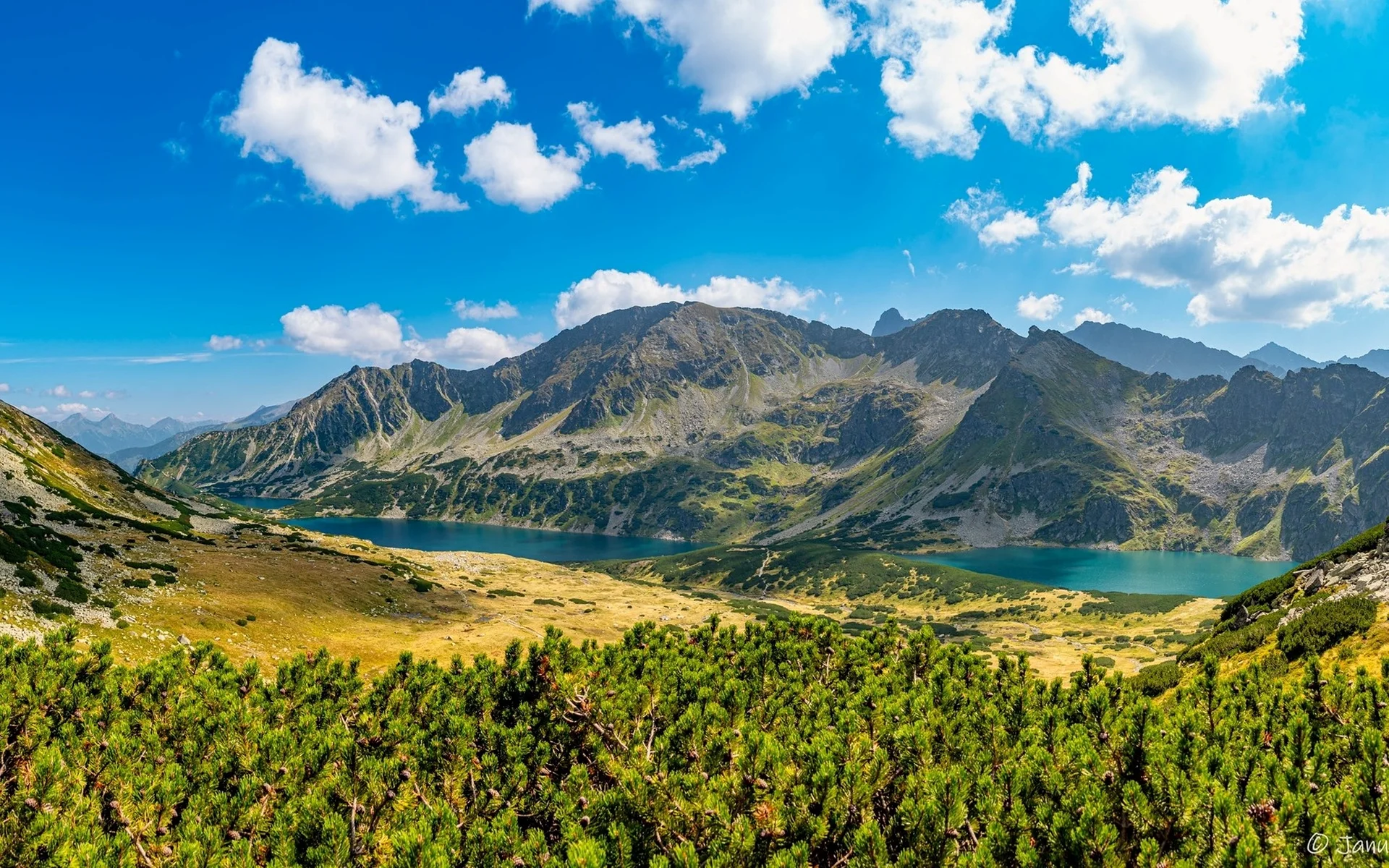
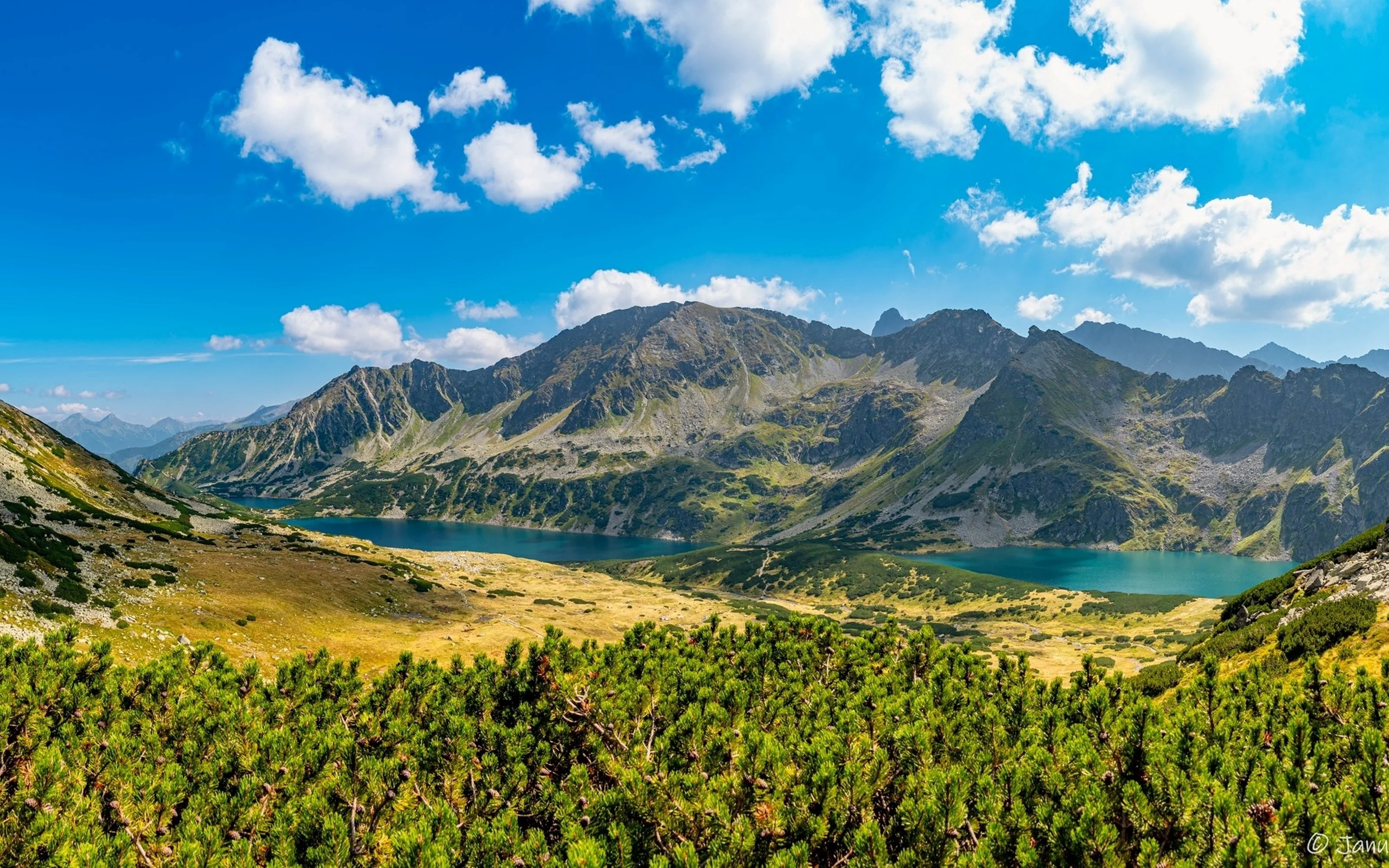
- In the south, the Tatra Mountains offer serious hiking in summer and solid skiing in winter. Think of it as Poland's version of the Rockies, on a smaller scale but with dramatic scenery. Zakopane is the main base town, though it gets packed and can feel more like a tourist trap than a mountain village in high season.
- In the east, Białowieża Forest is one of the last and largest primeval forests in Europe, home to free-roaming European bison. There's nowhere else on the continent quite like it. If wildlife and old-growth forest are your thing, this is a serious destination.
- In the north, the Masurian Lakes region is Poland's answer to the Boundary Waters, a vast network of lakes perfect for sailing, kayaking, and cycling. It's a complete change of pace from the cities.
Insider tip: In the Tatras, start hiking early. The popular trails get so crowded by mid-morning that they can feel like a highway. Being on the trail by 7 a.m. makes a real difference.
Culture: Old Traditions, New Energy
Poland takes its traditions seriously. Religious festivals, folk dancing, and regional crafts are still active parts of life in many areas, not just staged for tourists. The Christmas markets here are among the warmest and most genuine in Europe, a real alternative to the more commercialized markets in Germany or Austria.
The contemporary scene is just as strong. Warsaw and Krakow both have active theater and modern art communities, and the alternative music scene draws young Europeans from across the continent. There's something going on year-round in both cities.
Insider tip: If you're into jazz, catch a live show in Krakow or Warsaw. The local jazz scene is genuinely impressive and easy to access, with small clubs scattered through both cities.
The Baltic Coast and Spa Towns
Poland's Baltic coastline stretches for miles of wide, sandy beach. Sopot, with its long wooden pier and classic seaside resort feel, is the go-to summer escape for Poles and a good base for a few relaxed days. The Hel Peninsula, less visited and more low-key, offers a quieter alternative with a wilder feel.
If you need to decompress after days of heavy sightseeing, several mountain resorts and spa towns have thermal bath facilities worth a stop.
Polish Food: Hearty, Honest, and Better Than You Expect
Polish cuisine is built around comfort. Pierogi (stuffed dumplings, similar to Eastern European ravioli) are everywhere and come filled with potato and cheese, meat, mushrooms, or fruit. Soups are a staple: barszcz is a deep-red beet broth, and żurek is a sour rye soup often served with a hard-boiled egg and sausage inside a bread bowl. Smoked meats and sernik (Polish cheesecake, denser and less sweet than the New York version) round out the table. Craft beer has taken off here in recent years, and flavored vodkas, particularly those infused with herbs and grasses, are part of the culinary experience in their own right.
When to Go to Poland
Spring (April through May) and fall (September through October) are the sweet spots for city visits: comfortable temperatures, manageable crowds, and good light. Summer is festival season, the beaches are open, and the evenings are long and lively, but the main tourist sites in Krakow and Warsaw get genuinely packed. Winter is for ski trips to the Tatras or experiencing the Christmas markets, which are worth the cold if you dress for it.
Getting to Poland
Flying is the most practical option from the US. Warsaw Chopin Airport handles the most international traffic, with direct transatlantic flights available. Krakow and Gdańsk also have international airports. If you're already in Europe, trains from Germany, the Czech Republic, or Austria are a convenient option. Renting a car gives you the most flexibility for rural areas, though distances between regions can be significant. Ferries connecting Sweden and Denmark to the Polish Baltic coast are an option if you're doing a broader Scandinavia and Central Europe trip.
Getting Around Poland
The rail network is solid and connects the major cities efficiently. Intercity buses fill in the gaps at lower prices and reach nearly every region. Within cities, trams and metro lines (Warsaw has a proper metro system) handle daily movement well. Renting a car is worth considering if you want to explore the national parks or rural areas, though some of the smaller roads require patience.