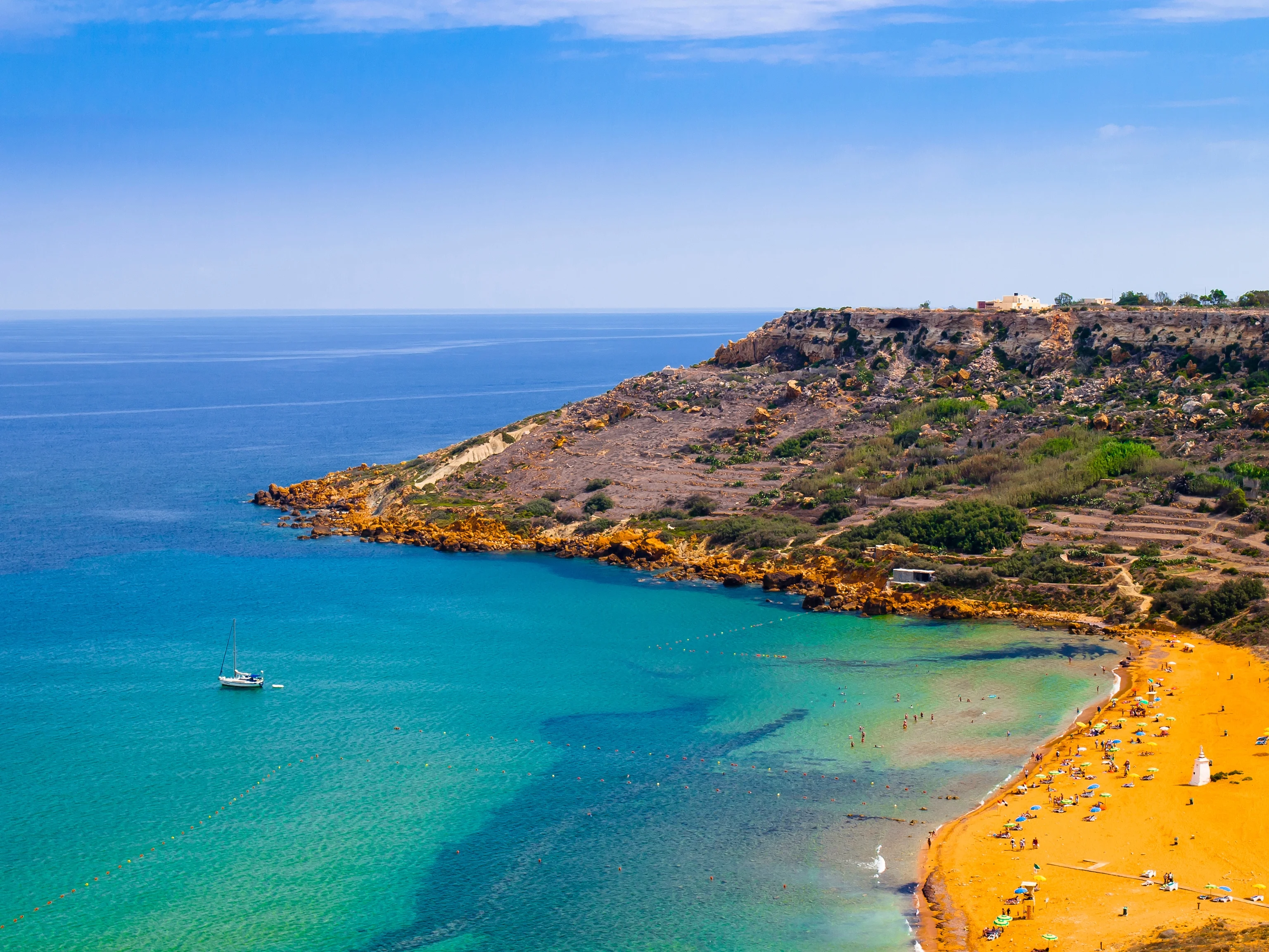
Baie de Ramla à Gozo

Things to do in Malta: must-see attractions

Discover our members' favorite destinations in Malta, plus reviews, practical info, and traveler photos...

The 2 most beautiful cities to visit in Malta

#1 Valletta

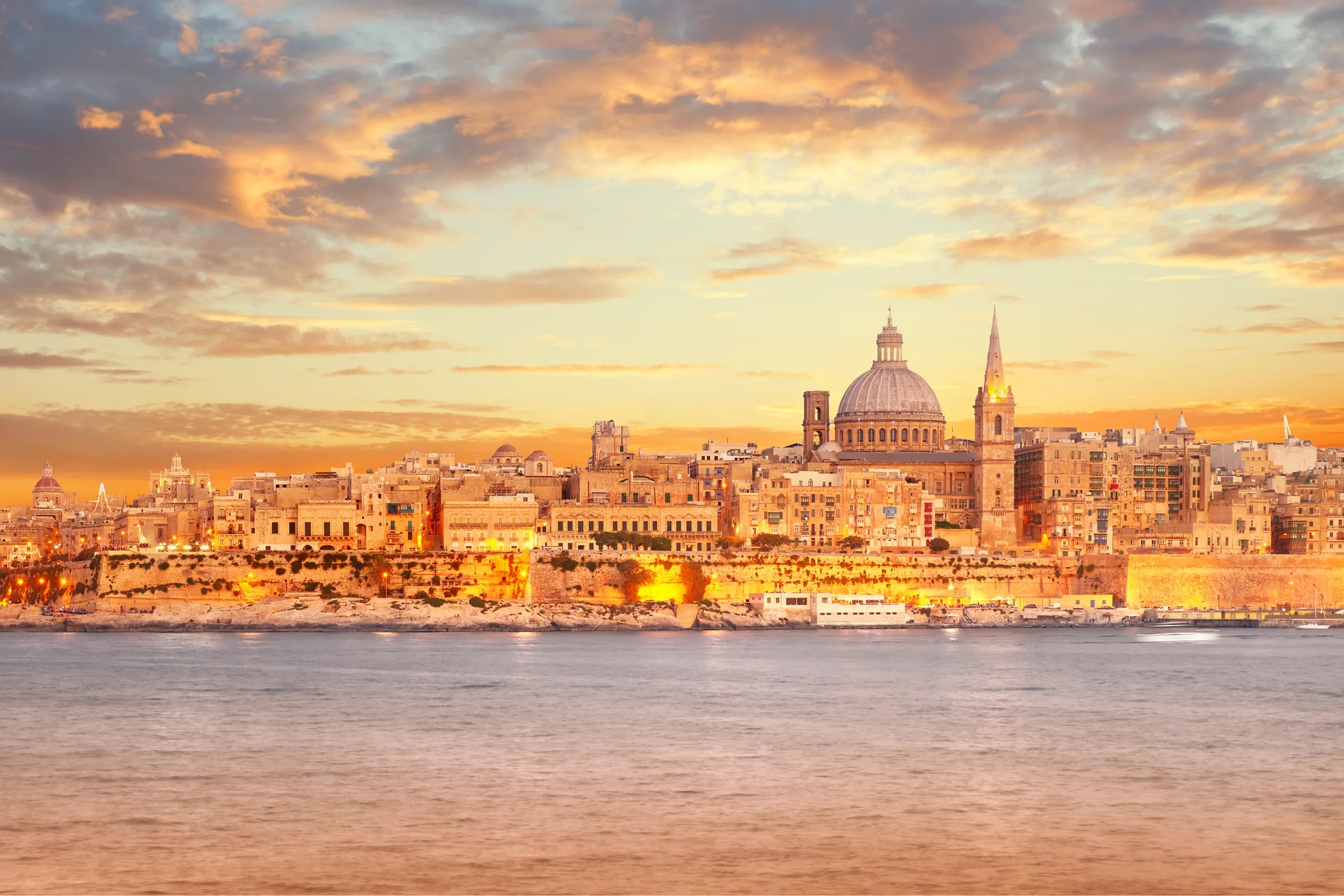
The capital of Malta, Valletta packs a dense historical punch into a small, walkable peninsula. Founded in the 16th century, the city is defined by its limestone baroque architecture, narrow grid streets, and sweeping views of the Mediterranean that feel much like a historic version of Old San Juan. It is an ideal spot for travelers who prefer exploring landmarks and seaside promenades at their own pace.

#2 Sliema -1 rec

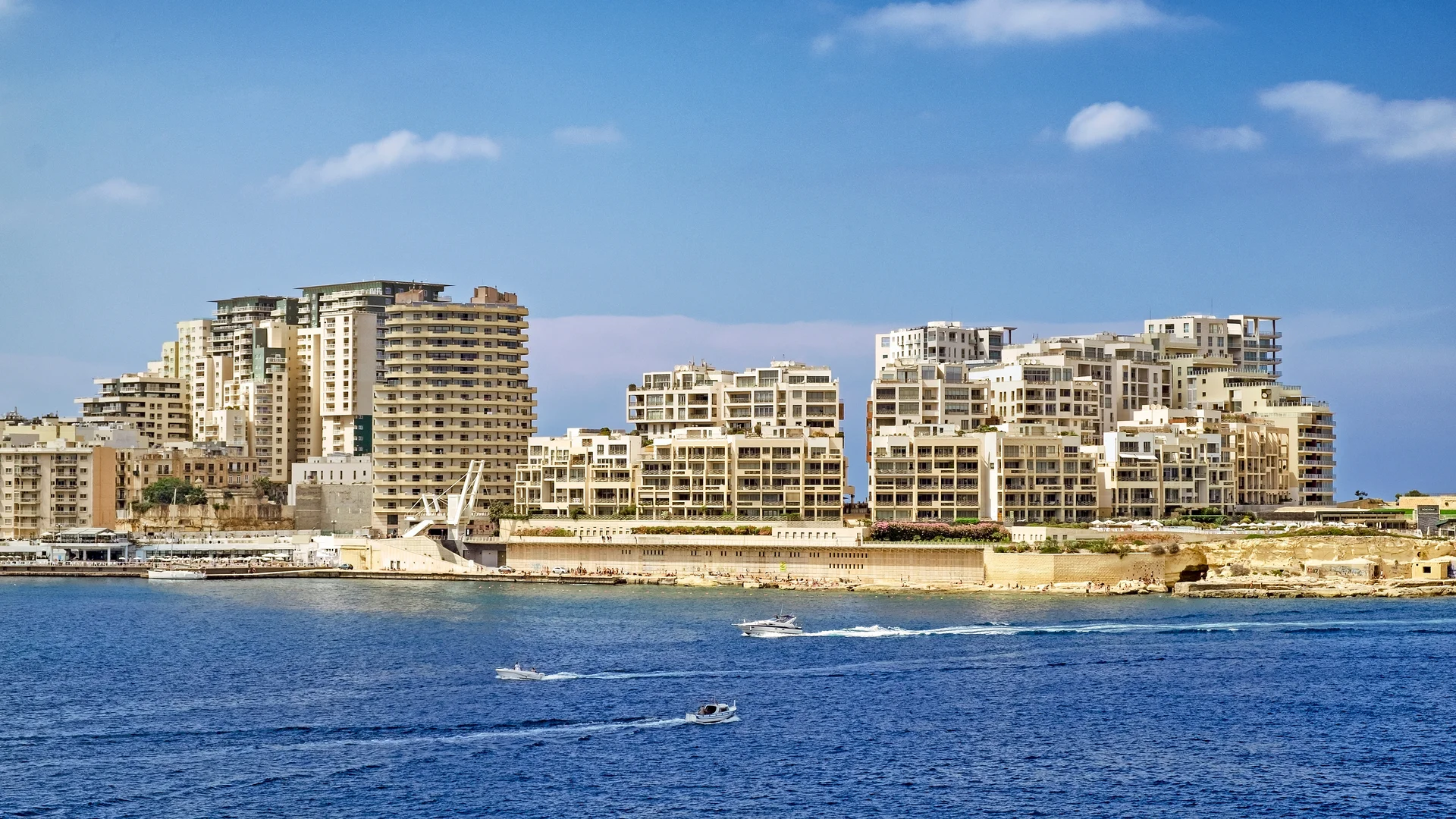
On the east coast of Malta, Sliema serves as a seaside hub just steps from Valletta. Located about 5km from the capital, the vibe here is a complete gear shift, leaning heavily into a high-energy, party-focused atmosphere. This former fishing village pulls in a cosmopolitan crowd year-round thanks to its prime waterfront and dense collection of amenities. Yet, if you step away from the main thoroughfares, you will find a more authentic side of the town, defined by character-filled architecture and historic landmarks that tell a different story.

Life by the water

From Saint Julian's to Gzira, the nearly five-kilometer promenade acts as the city's central nervous system. The harbor remains a working area for fishermen and cruise ships alike, but do not expect sandy beaches. The shoreline is entirely rocky, with clever infrastructure carved out to make sunbathing and swimming accessible. Many spots feature built-in stairs or ladders leading directly into the Mediterranean, such as the area at Fond Ghadir. It is one of the most scenic sections, famous for its historic Roman-era rock-cut salt pans. Lined with restaurants and cafes, the bay walk is a local favorite day and night. At the tip of the pier, Fort Tigné stands as a reminder of the city's military past. This massive fortress, built by the Knights of Malta in 1793 with a unique circular keep, ranks among the first polygonal structures of its kind. Tigné was the name of a knight, though today it is better known as the name of the massive, bustling Tigné Point shopping complex. Do not confuse it with the Tigné Bridge, which offers one of the best vantage points for views of the capital and remains a spot where couples affix padlocks to symbolize their commitment. Across the water, Manoel Island and its 1755 bastion fort frame the horizon and are well worth a short ferry trip.

Charming Victorian architecture

As you head toward Triq It-Torri, you cannot miss the Saint Julian's Tower, a sturdy watchtower dating back to 1658. To really get under the skin of Sliema, veer off the main retail strips like Bisazza Street. Neighborhoods like the one surrounding Santa Marija feature the classic colorful balconies that brighten up traditional Victorian-era facades. While the Portomaso Business Tower stands as Malta's tallest skyscraper and a pillar of the local economy, the Stella Maris church offers a look at the island's heritage. Built starting in 1853 and renovated over the years, it serves as a historic anchor. Finally, the local urban gardens provide much-needed quiet. At Independance Garden, you will have to share the benches with the local cats, who clearly treat the space as their own.

When to go

Temperatures are mild from April through November, and even the winters offer plenty of sunny, pleasant days. June and September are ideal for avoiding both the peak summer heat and the heaviest tourist crowds. In late February, the local carnival brings a surge of color to the streets, and between April and May, the International Fireworks Festival is a major event.

Getting there

Travelers can fly into Malta International Airport in Luqa, which is located about 12km from Sliema. Regular bus service and taxis are available for the transfer into town.

Visiting Malta, a Mediterranean island rich in history

Set right in the middle of the Mediterranean, Malta is a compact archipelago packed with centuries of history, diverse landscapes, and a rich cultural heritage. If you want a destination combining sandy shores, quaint villages, and ancient ruins, this island delivers.

Valletta: A compact capital with a dense past

Valletta, the country's capital, is a UNESCO World Heritage site. It is easy to explore entirely on foot, offering a high concentration of historic buildings, museums, baroque churches, and fortified ramparts. Do not miss the St. John's Co-Cathedral and its Caravaggio paintings, or the sweeping views from the Upper Barracca gardens. The atmosphere stays quiet during the day and picks up in the evening, particularly along the narrow lanes of Strait Street.

Mdina and Rabat: Stepping back into the Middle Ages

About ten miles outside Valletta, Mdina goes by the nickname of the silent city. Its narrow alleys preserve a remarkably quiet medieval atmosphere. Right next door, the quieter town of Rabat is worth a stop to check out Saint Paul's catacombs or the Wignacourt museum. It is an ideal spot for walking around without the coastal crowds.

Gozo and Comino: Island getaways

Just a 25-minute ferry ride from the main island, Gozo offers a more rural pace. It is popular for its green countryside, dramatic cliffs, and the Ġgantija temples, which predate the pyramids of Egypt. For a swim day, the island of Comino draws crowds for its famous Blue Lagoon, though peak summer visitor numbers can take away from the tranquility.

Beaches and beyond

Malta is not a traditional beach resort destination. Most shores are rocky or small, with exceptions like Mellieħa Bay and Golden Bay. The real draw is swimming in crystal-clear coves or diving around sunken shipwrecks near Cirkewwa. If you prefer hiking, the rugged southwest coast features cliffside trails with expansive sea views.

Maltese cuisine: Mediterranean and Arab influences

Local dishes reflect the country's history of Sicilian, British, and North African rule. Expect straightforward, hearty fare. Fenek, a slow-cooked rabbit stew with wine, counts as the national dish. Pastizzi, flaky pastries stuffed with ricotta or mushy peas, work well for a quick bite on the go. For drinks, Cisk lager is everywhere, alongside Kinnie, a distinct bitter orange and herbal soda with a flavor all its own.

When to go

Spring and autumn are the most pleasant times to visit Malta, bringing mild temperatures, steady sunshine, and smaller crowds than summer. Winter stays mild but turns damper. On the events calendar, the February carnival in Valletta and the various summer village feasts bring local traditions to life.

Getting there

Direct flights connect major hubs to Malta's international airport, located about six miles outside Valletta. Flight times from major European departure points run around 2h30, with round-trip fares ranging between $71 and $240* depending on the season.

Getting around

The bus network covers the main island thoroughly, though trips can take time due to traffic and transfers. Opting for a rental car gives you more flexibility, especially on Gozo, but keep in mind that they drive on the left side of the road. Inter-island ferries run frequently and cost very little.
Find the best travel deals in Malta

Hotels and stays Flights Car rentals Custom trips

Top photos posted by members

Baie de Ramla à Gozo
La Valette
Sliema

Latest reviews

1 week in Sliema

I spent 7 days in Sliema with 6 friends at the superb Jones hostel. It is THE (only?) city in Malta that is actually lively. There is a really great vibe in this town near the capital, Valletta, but t…