Selva di Val Gardena, a Ladin Village Beneath the Sassolungo
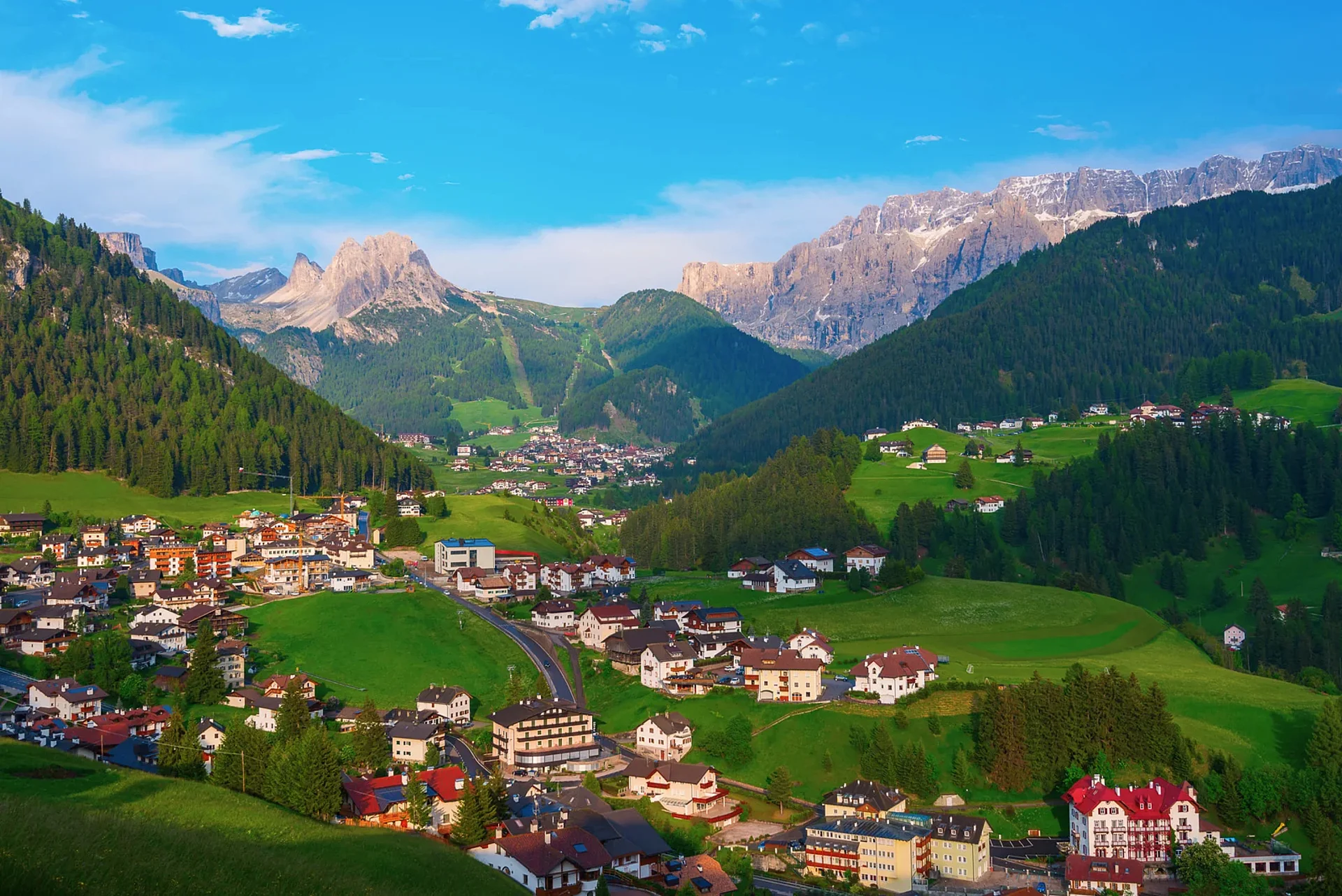
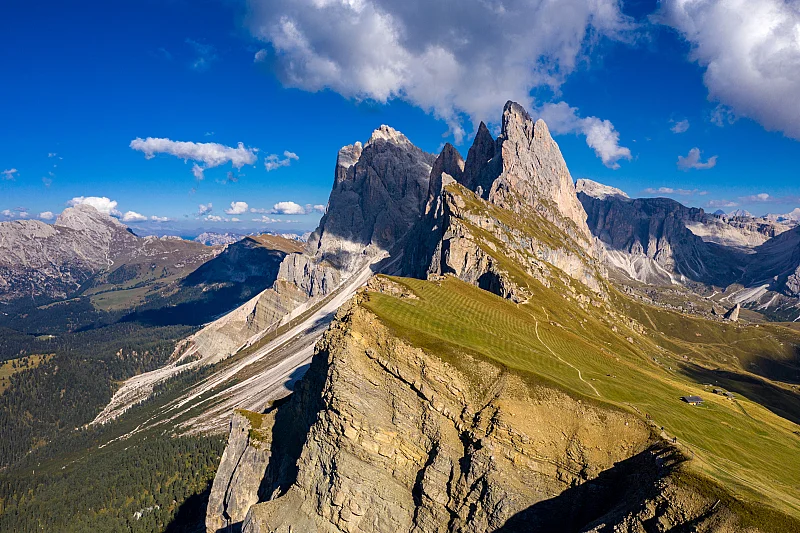
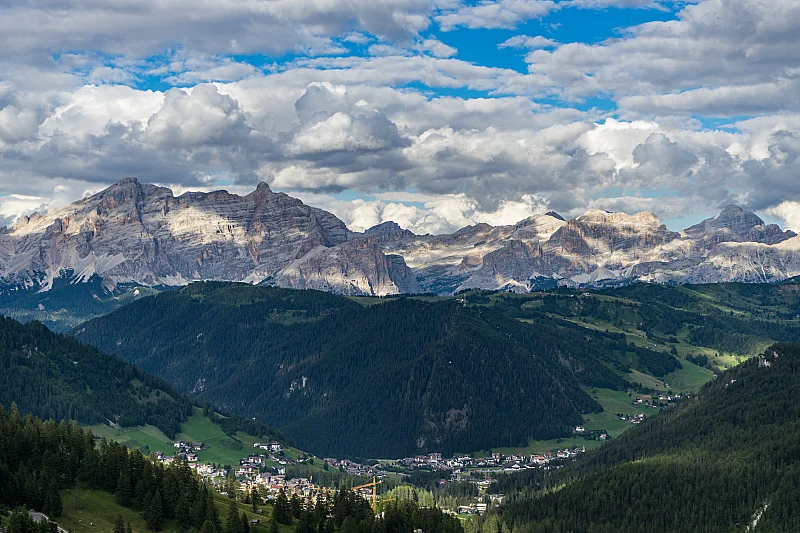
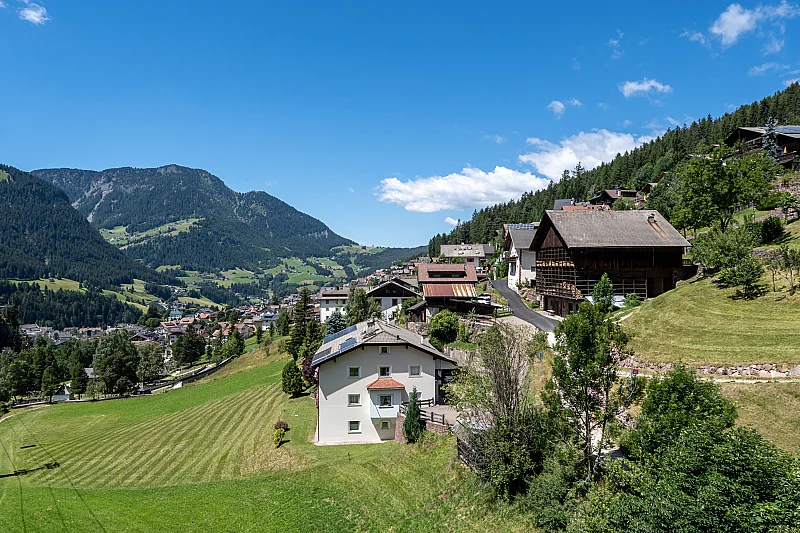
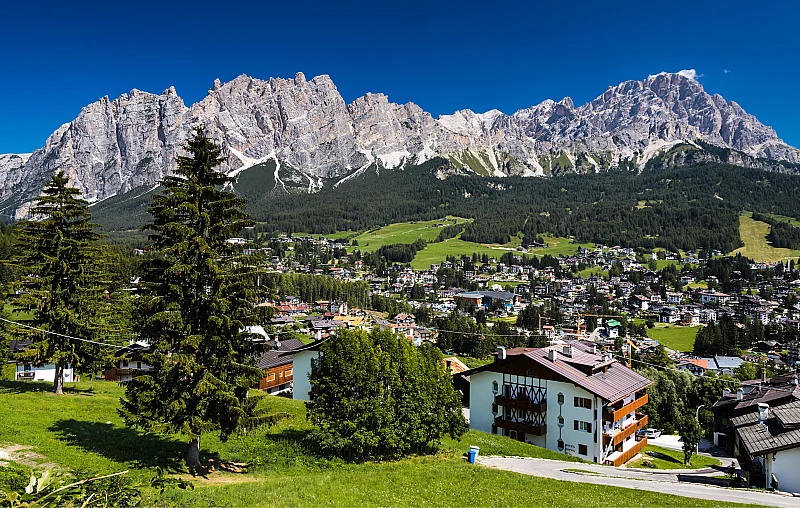
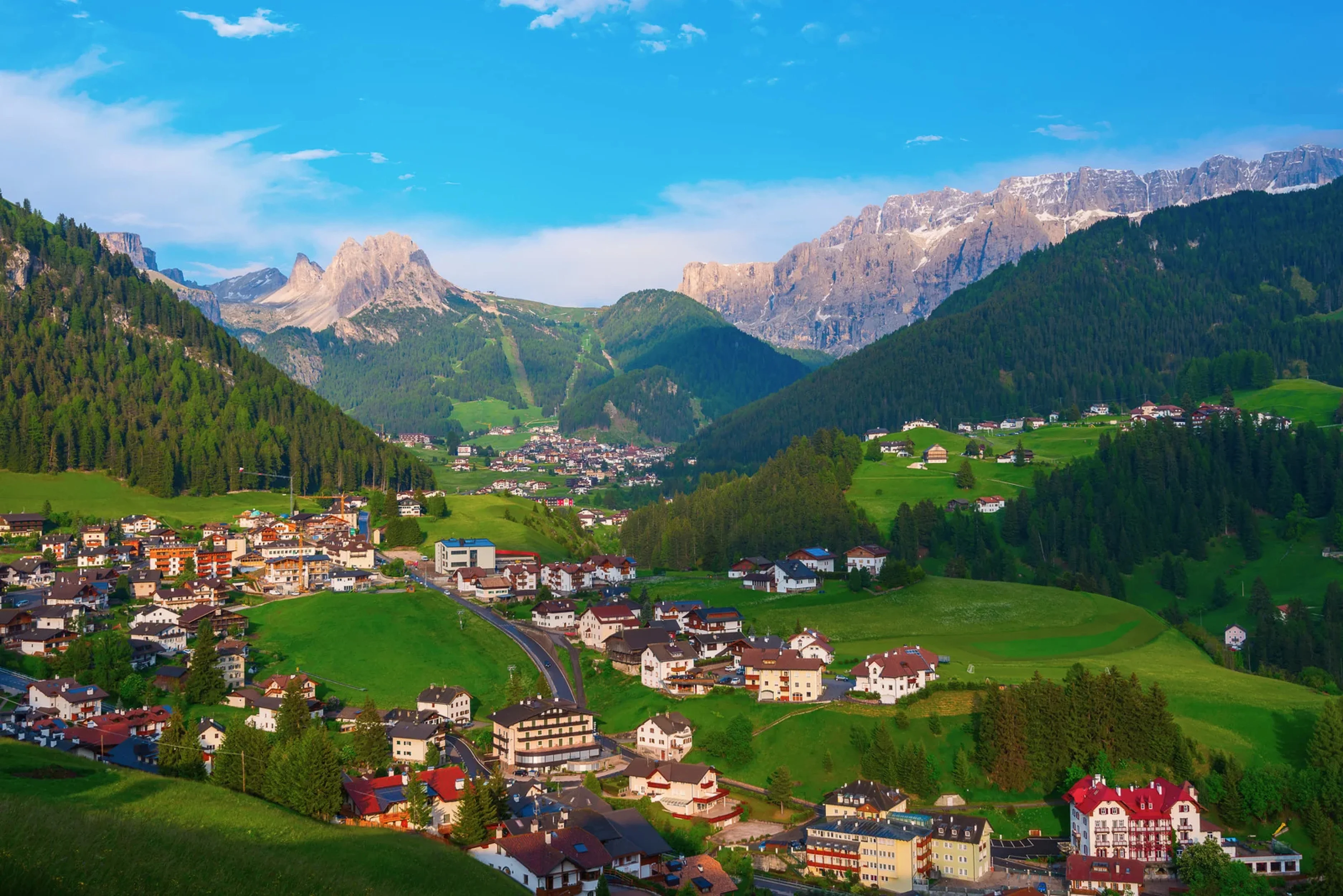
Here, people greet each other in Ladin, street signs appear in three languages, and the sheer rock face of the Sassolungo dominates the entire horizon. Selva (known as Wolkenstein in German and Sëlva in Ladin) stretches out at an altitude of 1,563 metres within the Val Gardena, deep in the heart of the Dolomites.
Is This Destination Right for You?
Selva caters primarily to skiers and hikers. The village serves as a main gateway to the Sella Ronda circuit and the broader Val Gardena ski area, operating on a classic resort schedule: early mornings on the slopes, quick returns to the lifts, and early dinner.
If you are looking for a historic city to tour filled with museums and monuments, skip this stop. The main draw here is the surrounding mountain landscape rather than urban sightseeing.
Best suited for:
- skiers of all levels thanks to the Sella Ronda
- summer hikers
- fans of Ladin culture and mountain cuisine
Not recommended for:
- travelers on a tight budget, especially during peak season
- lovers of urban nightlife
- anyone wanting a trip entirely free of inclines and hiking
Resort Pricing Without Surprises
Lodging rates and lift ticket prices fluctuate significantly between peak and off-peak seasons. Expect the high price point typical of major Dolomite resorts, which runs well above the Italian national average.
Practical Realities
The village has a permanent population of 1,601 residents, though visitors far outnumber locals during peak seasons. You will hear Italian, German, and Ladin spoken in the streets, and English is spoken without issue in local shops and hotels.
During winter, bring sturdy footwear with good traction to navigate the village paths, and leave yourself a buffer in your travel schedule if winter storms roll in.
Skiing and Hiking in the Dolomites
Skiing Around the Sella Ronda
The Val Gardena ski network connects directly to the Sella Ronda, a continuous ski circuit looping around the Sella massif and linking four Ladin valleys. The main lifts depart from right near the village center.
Summer Hiking
In summer, those same lifts haul hikers up to the high alpine meadows. Trails branch out directly from the base of the Sassolungo and wind toward high-altitude mountain huts where you can lunch facing vertical rock walls.
Friendly tip: In the Dolomites, morning and late afternoon light turns the rock walls deep shades of orange and pink. Plan your best photo stops for those windows rather than the flat light of midday.
Ladin Culture and Craftsmanship
Val Gardena is famous for its wood carving, a centuries-old valley tradition. You will spot local workshops and boutiques selling hand-carved items ranging from intricate nativity scenes to religious figurines. Ladin, the Rhaeto-Romance language of the valley, appears on shop signs and echoes through the streets.
Where to Eat and Drink in Selva di Val Gardena
Local cooking blends Tyrolean and Italian influences. Make sure to try canederli (bread dumplings), schlutzkrapfen (spinach-filled ravioli), and traditional apple strudel. Mountain huts serve these hearty dishes at lunchtime for skiers and hikers on the go.
Where to Stay in and Around Selva di Val Gardena
Accommodations range from family-run hotels to upscale chalet rentals. Staying in the village places you right next to the ski lifts, while the neighboring valley towns of Santa Cristina and Ortisei offer alternative and sometimes quieter lodging options.
How to Get to Selva di Val Gardena
The most convenient airports are Bolzano, Innsbruck, Verona, and Venice, all with strong connections across Europe, followed by a drive up into the mountains. From the Isarco Valley, the mountain road climbs past Ortisei straight up to Selva.
How to Get Around Selva di Val Gardena
The village itself is best explored on foot. Local buses connect the different towns along the valley floor, and in season, the ski lifts double as transit to the high plateaus. Having a car is helpful for reaching the valley, but you will rarely need it once you arrive.
When to Go
Winter brings the ski season, running from December through early spring depending on snowfall. Summer and early autumn are ideal for hiking. The shoulder seasons between peak periods are much quieter, though keep in mind that many mountain huts and lifts close during those weeks.