Cortina d'Ampezzo, the Queen of the Dolomites
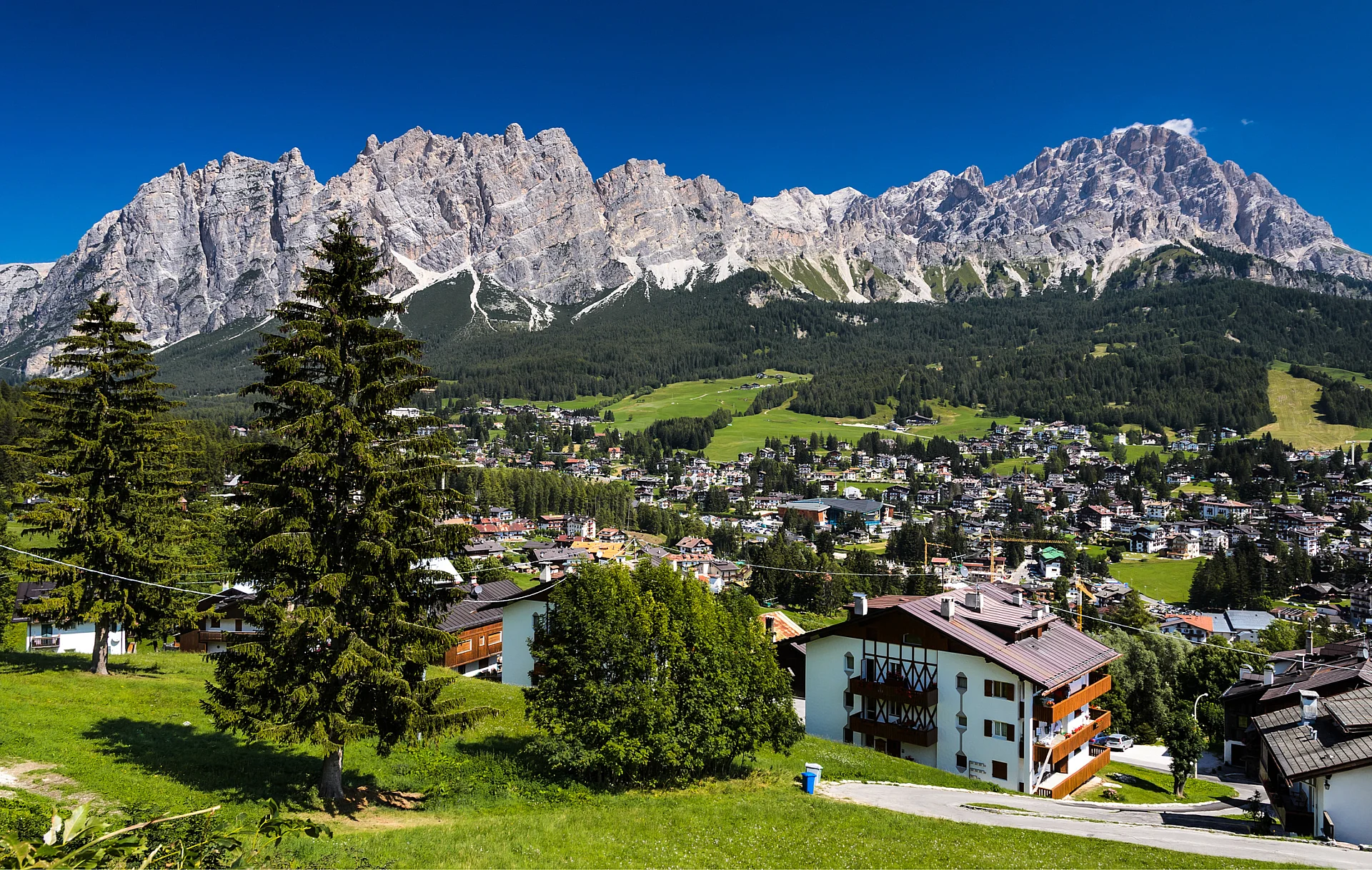
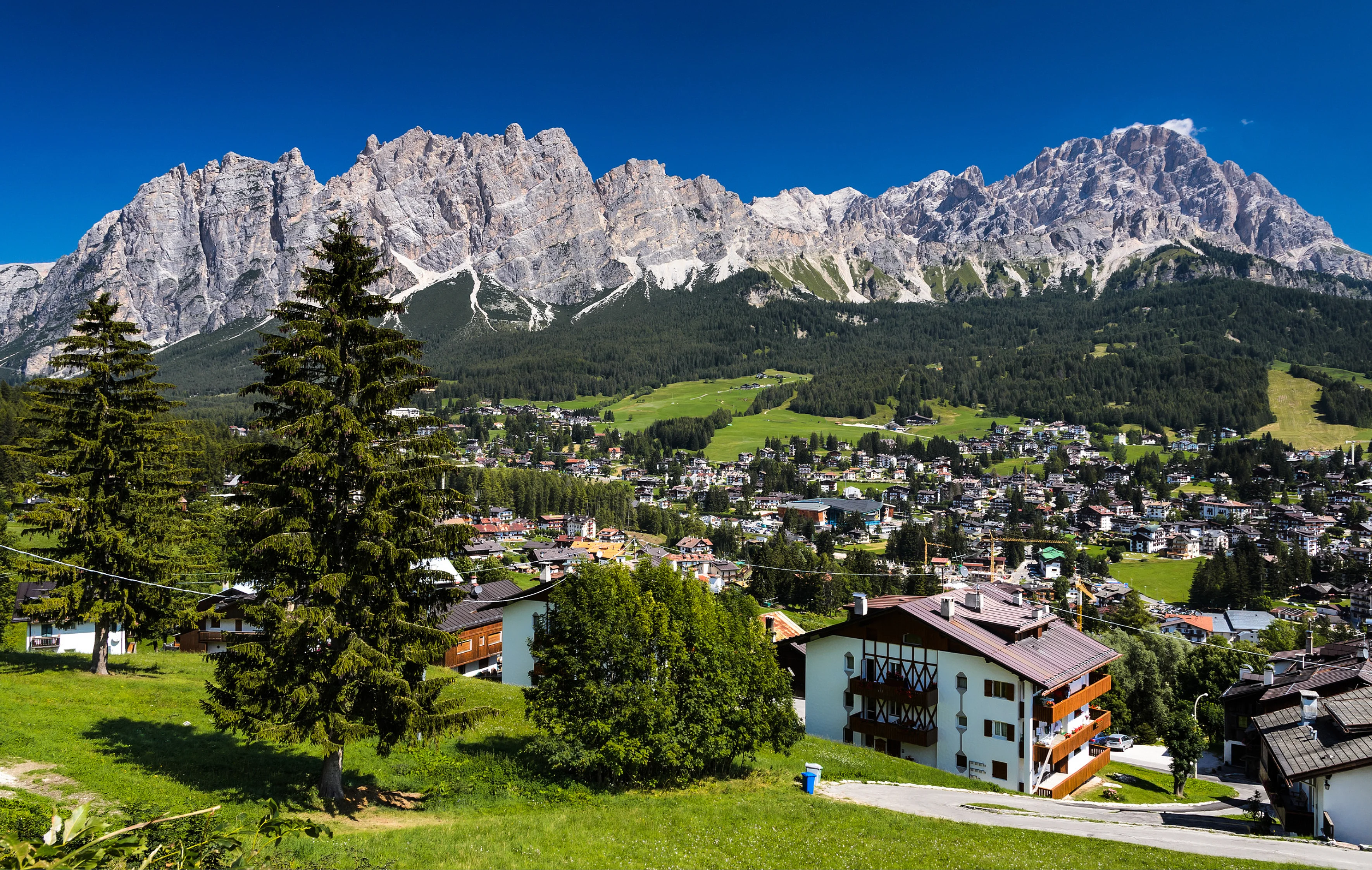
Morning light catches the pale stone faces of the Tofane before spilling down into the valley. Along the main drag, church bells mingle with the crunch of heavy boots on snow or gravel, depending on the season. This is where Italian style meets high-alpine peaks.
Cortina sits wide in an open valley basin ringed by sheer rock walls. The village hosted the 1956 Winter Olympics, and it is stepping back onto the global stage alongside Milan in 2026.
Is this your kind of spot?
Cortina rewards travelers who want their mountains on a grand scale: skiing under towering limestone spires, hiking high-altitude trails in the summer, and unwinding over aperitivos between boutiques and cafés. The atmosphere is upscale, but the dramatic natural backdrop remains the main event.
It can disappoint those looking for a quiet, low-key mountain escape or a budget trip. Prices are steep, crowds pour in during peak weeks, and the nightlife leans much more toward quiet lounge drinks than late-night parties.
Great for:
- skiers and hikers chasing classic Dolomite views
- couples looking for a polished mountain getaway
- fans of hearty mountain food and alpine pastries
Skip if you:
- are traveling on a tight budget
- want to escape the crowds during peak season
- don't have a car and want to explore the wider region
Heads up on high prices
Cortina is one of the most expensive mountain towns in Italy. Rates spike during peak winter holidays and all through August, so booking well in advance is essential, particularly for places near the center.
Practical realities
The core village around Corso Italia is completely pedestrianized. Reaching the ski lifts and trailheads, however, requires a shuttle or a car. In winter, pack boots with solid traction even for walking the town streets.
Italian is the main language, but English is widely spoken in hotels and shops. Locals also speak Ladin, a distinct Rhaeto-Romance language you will spot on road signs and overhear in local conversations.
Skiing and hiking beneath the peaks
Winter skiing
The ski terrain around Cortina is spread across distinct sectors, including Faloria, Tofane, and Cinque Torri. The resort connects directly into the massive Dolomiti Superski network, giving advanced skiers endless ground to cover. The slopes of the Olympia delle Tofane have a long history of hosting top-tier downhill races.
Summer hiking
Once the snow clears, the ski lifts keep running to drop hikers onto high-elevation trails dotted with mountain huts serving warm meals. The Cinque Torri and the shores of Lake Misurina are local staples. Routes range from easy lakeside strolls to technical alpine scrambles.
Friendly tip: Hit the trails early in the summer. Trailhead parking lots fill up fast, and the morning light hitting the rock faces is at its best before noon.
Strolling through town
The Corso Italia packs in designer boutiques, pastry shops, and espresso bars. The slender bell tower of the Basilica of Saints Philip and James anchors the center and helps you get your bearings in the narrow side streets.
The Mario Rimoldi Modern Art Museum and smaller cultural spots offer a solid backup plan when mountain weather turns sour. Grabbing an outdoor coffee facing the peaks remains the best way to spend an afternoon here.
Where to eat and drink in Cortina d'Ampezzo
Local cooking blends Venetian traditions with Tyrolean hearty fare. Try canederli, bread dumplings served in broth or tossed in melted butter, and casunziei, half-moon ravioli typically stuffed with red beets.
As evening rolls in, grabbing an aperitivo at a sidewalk table along the Corso Italia is part of the daily rhythm. Up on the mountain, rifugi offer simple, filling lunches that hit the spot after a long hike.
Where to stay in Cortina d'Ampezzo and around
Boutique hotels and traditional chalets cluster tightly in and around the center. Staying close to the Corso Italia puts everything within walking distance, which is a major perk when snow is on the ground.
Nearby mountain villages offer much gentler nightly rates, though you will have to drive or take transit to reach the lifts and trailheads each morning.
Getting to Cortina d'Ampezzo
There is no train station directly in the valley. Most travelers fly into Venice Marco Polo Airport and rent a car to drive north. The drive takes about 2 hours, depending on traffic and weather conditions.
Buses also run from Venice and other Veneto cities, though schedules shift depending on the season. If you are driving up in the winter, keep an eye on road conditions and make sure your vehicle is legally equipped with winter tires or chains.
Getting around Cortina d'Ampezzo
The town center is built for walking. To reach outlying ski lifts and trailheads, local shuttle buses run frequently, especially during peak holiday periods.
Having a car gives you the freedom to drive up high mountain passes and visit nearby lakes, but parking in the center can be scarce and expensive. Take it slow on the narrow mountain switchbacks.
When to go
Winter draws skiers, with the most reliable snow cover typically running from January to March. Summer, from June to September, brings clear trails and long daylight hours.
The Christmas holidays and the entire month of August bring the largest crowds and highest prices. Shoulder seasons are much quieter, but keep in mind that many hotels and lifts close down during those transition weeks.