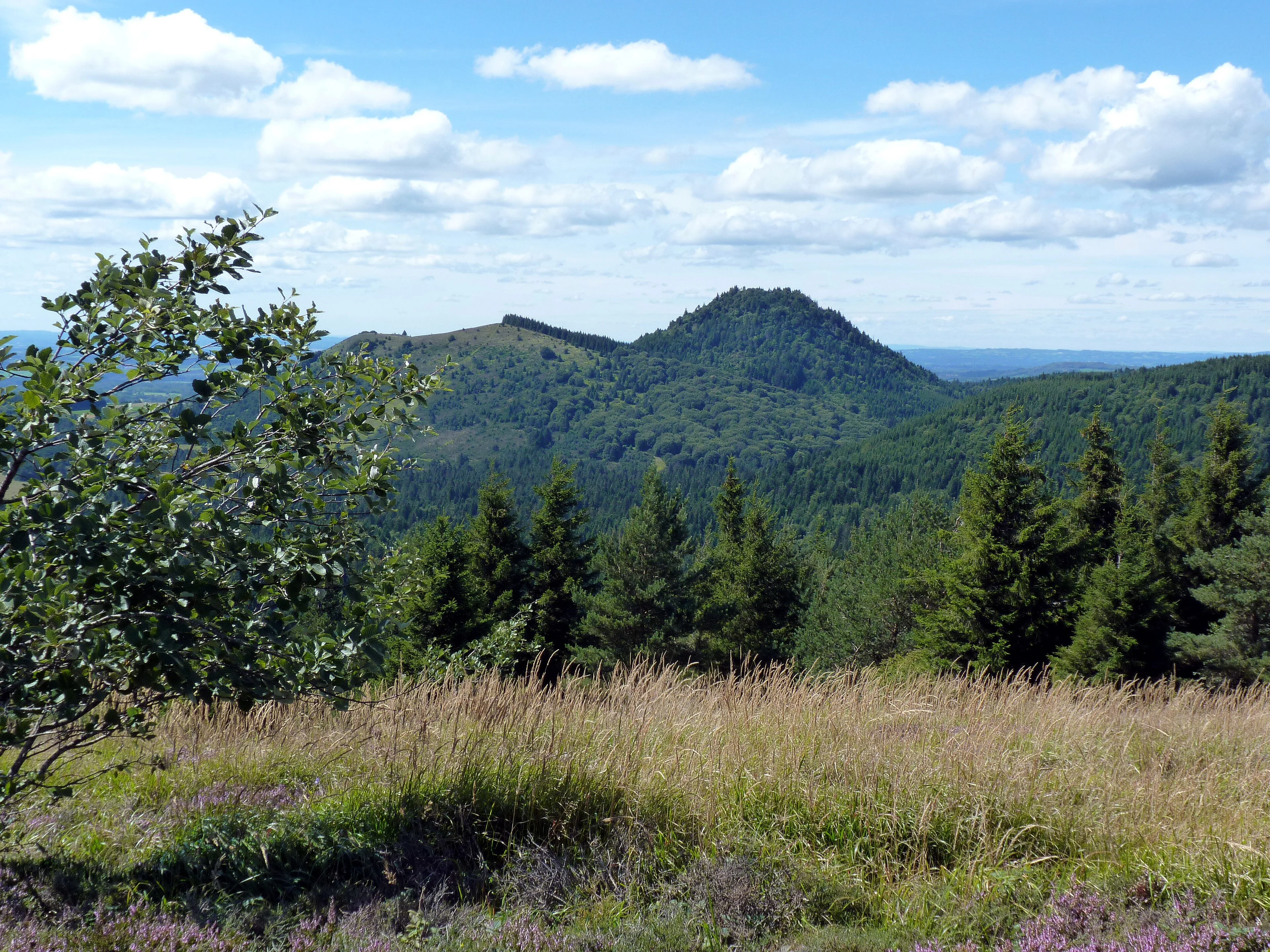
Saint-Ours, the Livradois-Forez village you do not just drive through by chance
A saint's name, 1,425 residents, and a landscape tucked between mountains and valleys: that is what awaits travelers who make their way out to this commune in the Puy-de-Dôme. Here, forget the crowds and the long lines in front of famous monuments, except perhaps one day a year at the gates of a park dedicated to volcanoes.
A destination made for you?
If you are looking for raw nature, empty roads, and the slow pace of a well-preserved rural area, you are in the right spot. Saint-Ours is for those who know how to appreciate unpolished scenery, genuine local life, and, every once in a while, a bit of scientific thrill.
On the other hand, if you are expecting spectacular sights, a lively nightlife scene, or shops on every corner, you might be disappointed. This village is meant to be savored differently: on foot, driving down winding back roads, or spending a day at an extraordinary science park.
Great for:
- Hiking enthusiasts and lovers of unspoiled nature
- Families looking for an educational and fun outing
- Fans of rural Auvergne heritage
- Travelers seeking peace and quiet and a break from routine
Not ideal for:
- Partygoers looking for nightlife
- Travelers without a car
- Those who rely on constant shopping and permanent services
- Fans of major entertainment and big retail shopping
An accessible budget, unless you add the theme park
This is a far cry from the prices found in Alpine ski resorts or major tourist cities. The village itself is very affordable, but a visit to the nearby theme park will quickly drive up the cost of your day.
| Expense | Range |
|---|---|
| Night in a gîte or B&B | 45 to 70 € |
| Night at a local campsite | 15 to 25 € |
| Quick bite (bakery, market) | 8 to 12 € |
| Restaurant meal (village inn) | 18 to 28 € |
| Vulcania park admission | around 33 € |
| Transport and non-park activities, per day | 5 to 15 € |
Estimated prices subject to change
Practical realities: what to know before you go
Let's be realistic: shops and services are quite limited in this village of 1,425 inhabitants. For major grocery runs or specific needs, you are better off heading to the larger neighboring market towns of Livradois-Forez, or to Riom, about twenty minutes away.
Having a car is practically essential to explore the region properly. The mountain roads are winding but well-maintained, requiring careful driving, especially in winter when snow can settle on the higher ground.
Vulcania, the park that put the village on the map
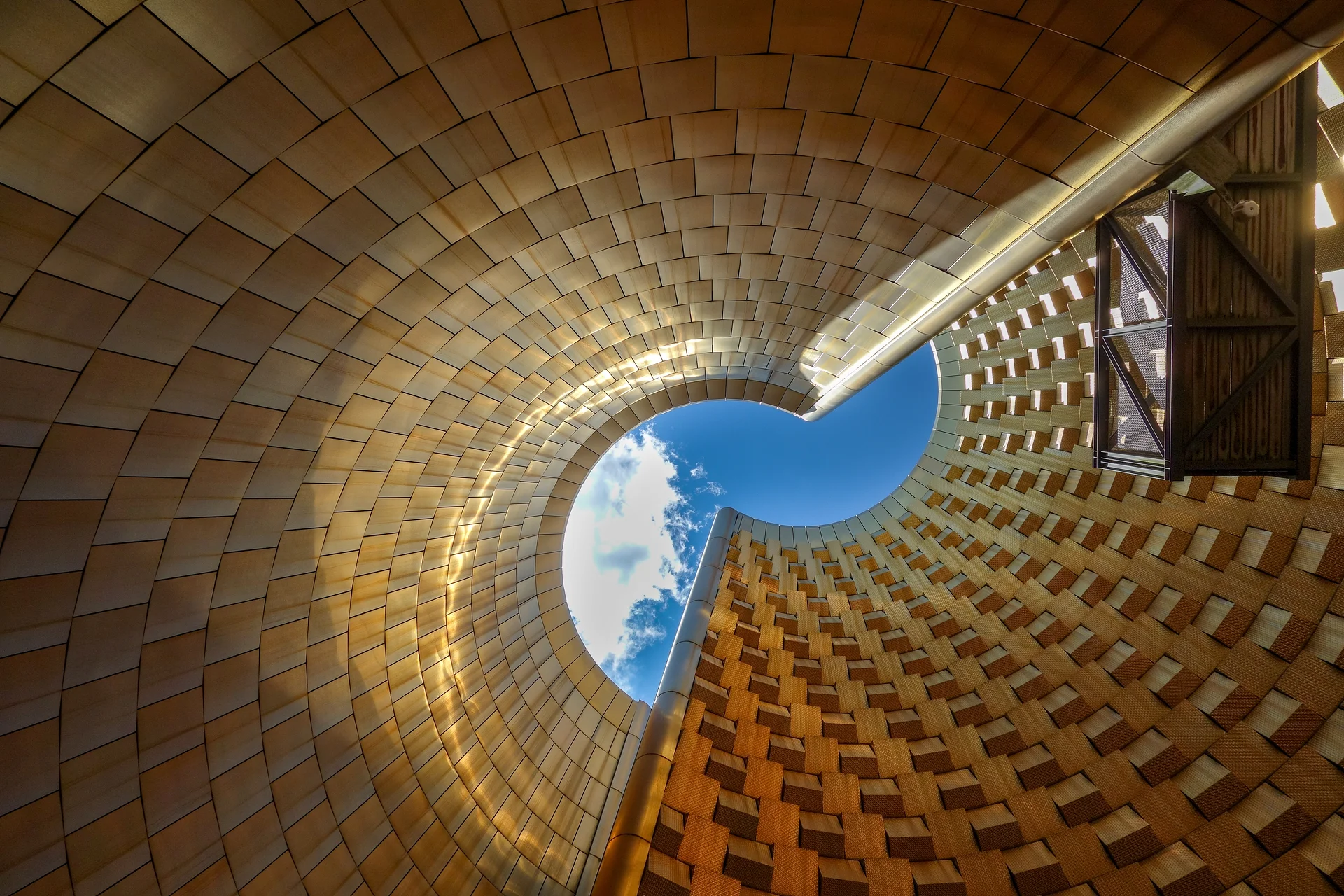
You cannot talk about Saint-Ours without mentioning Vulcania, opened on February 22, 2002, which has become the area's main tourist draw. This European park dedicated to volcanism offers a scientific deep dive into the Earth's core using giant screens, simulations, and interactive exhibits.
Families will love it, as the tours cater to kids and thrill-seekers alike, keeping things educational without ever feeling like a school lecture. A few minutes away, the Lemptégy volcano rounds out the experience with a walk or a little train ride through an old pozzolan quarry.
Friendly tip: if you visit in the summer, arrive right when it opens at 8am to beat the mid-day family crowds, especially in July and August.
The wide-open spaces of Livradois-Forez
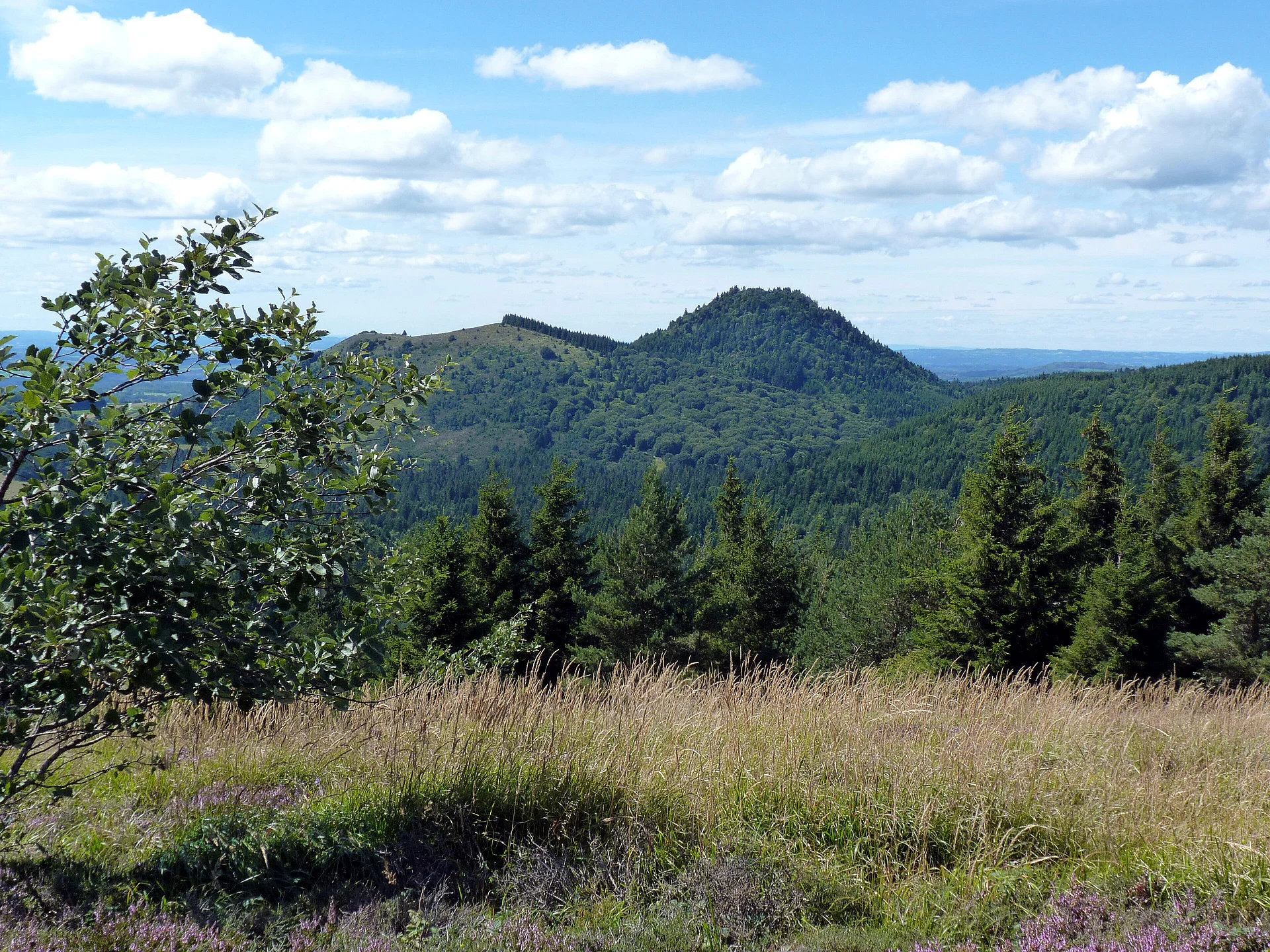
The countryside surrounding Saint-Ours is part of the Volcans d'Auvergne Regional Natural Park, right in the heart of the Chaîne des Puys. Forests, high-altitude meadows, and small streams create a landscape that shifts with the elevation and the seasons.
Hiking is the undisputed main activity. Several trails start right near Vulcania, such as the loop connecting the Puy des Goules to the Puy des Gouttes, offering sweeping views over two volcanic cones in about 4 hours of walking. Families will prefer the shorter trail to the Puy des Gouttes starting directly from the park, which takes just over an hour.
The rural and religious heritage of the village
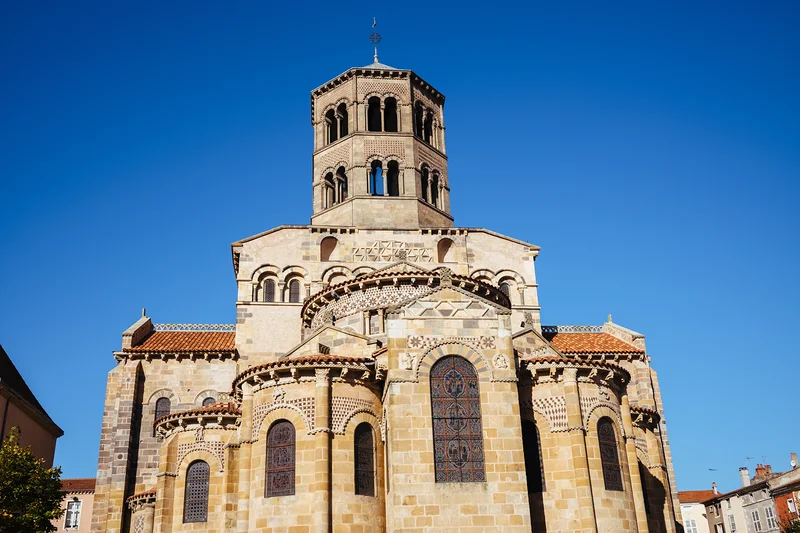
Like many Auvergne communes, Saint-Ours holds a modest heritage that reflects its history. You will also find the Griffon de la Froude, a saline spring nestled at the bottom of a valley, serving as a reminder of a local geology just as rich as the volcanic features that made the village famous.
The scattered hamlets around the main center still feature farmhouses built from volcanic stone, the region's signature building material. This understated, practical architecture tells the story of how locals adapted to a sometimes harsh climate and challenging terrain.
Where to eat and drink in Saint-Ours?
Local cooking stays true to classic Auvergne traditions. Expect to find truffade (a dish of sliced potatoes, garlic, and fresh Tomme cheese), potée auvergnate (a hearty pork and cabbage stew), and bold cheeses like Saint-Nectaire, made just a few miles away.
Small weekly markets in neighboring villages are your best bet for tasting farm-fresh goods straight from the producers, where cheeses, cured meats, and seasonal vegetables are sold at fair prices.
Where to stay in and around Saint-Ours?
Accommodations consist mainly of rural gîtes and bed-and-breakfasts typical of this region, with several boasting locations less than 10 minutes from Vulcania. Some farmsteads have converted part of their outbuildings to host visitors, a setup that gives you a genuine taste of local daily life.
For more options, the larger neighboring towns in Livradois-Forez offer traditional hotels and well-equipped campsites just a short drive away.
How to get to Saint-Ours?
The closest airport is Clermont-Ferrand Auvergne, which handles direct flights from select European hubs. From there, plan for about a 30-minute drive to reach the village, situated about 15 km northwest of Clermont-Ferrand.
Driving from Paris takes about 4.5 hours via the A71 and A75 highways. From Lyon, the drive takes about 2.5 hours. There is also a train station at the hamlet of Vauriat, two kilometers from the village center, on the rail line connecting Eygurande-Merlines to Clermont-Ferrand.
How to get around Saint-Ours?
Walking is ideal for exploring the village center and its immediate surroundings, as you can cover the main streets on foot in a few minutes. For the outlying hamlets, hiking trails, and Vulcania park, having a car is necessary due to the lack of frequent public transit.
If you arrive without a vehicle, remember to rent a car right at the airport or train station to make the most of the area and its scattered sights.
When to go to Saint-Ours?
Spring and summer, from May to September, provide the best conditions for hiking and visiting Vulcania, which is open year-round but best enjoyed under sunny skies. Autumn brings striking forest colors, particularly in October.
Winter is much harsher, with roads occasionally turning snowy at higher elevations. It is a season best left to travelers seeking absolute quiet rather than those looking for intense outdoor activities.